 Gerald Kyalo. (geraldbway).
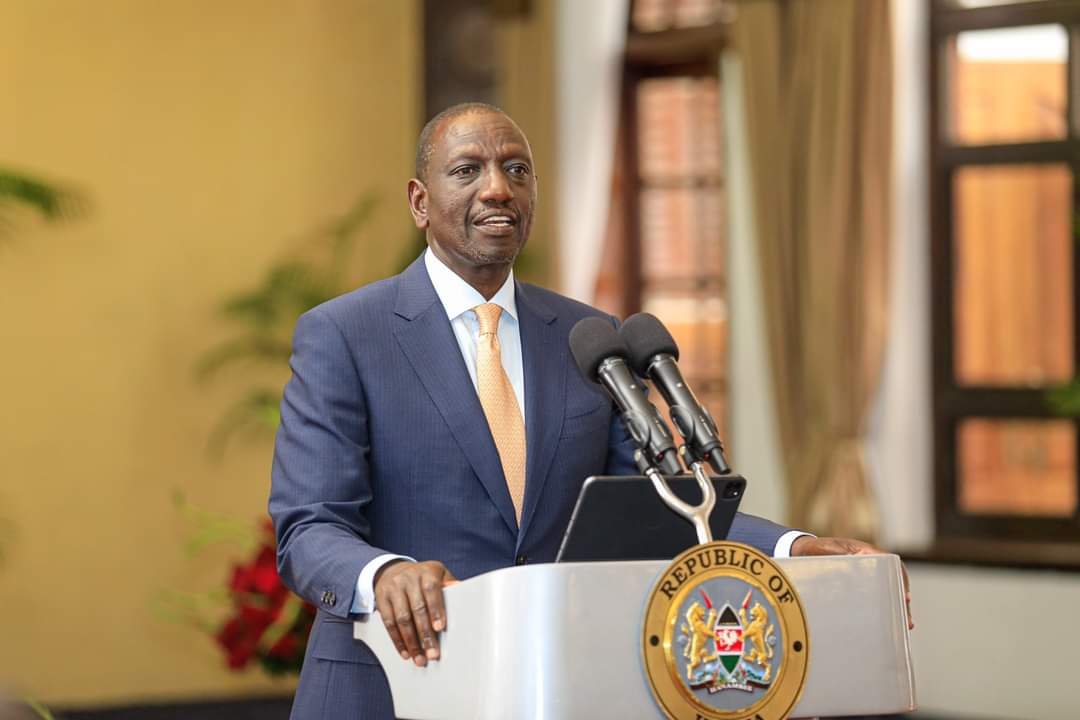
Kenya's Ministry of Energy and Petroleum has assured citizens of adequate petroleum supplies despite escalating tensions in the Middle East, a key region for the country's fuel imports. Energy Cabinet Secretary Opiyo Wandayi stated that the country has sufficient stocks to cover both domestic and regional demand, with scheduled imports for delivery up to April 2026.
In a press statement, Wandayi emphasized that the government is closely monitoring the situation and engaging government-to-government suppliers as part of contingency planning measures. "As at today, the country has sufficient stocks to cover both the country and the region. We have scheduled imports for delivery up to end of April 2026 and, therefore, as it stands, we are assured of security of supply," he said.
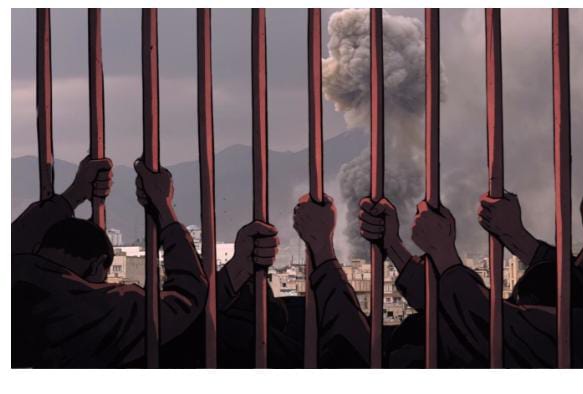
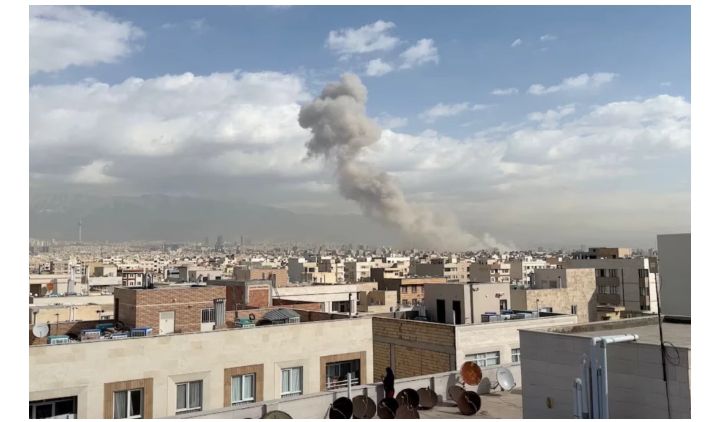
The assurance comes amid growing global concern over potential supply disruptions linked to instability in the Middle East. The region is a significant contributor to global oil production, and any disruptions could have far-reaching impacts on global energy markets.
Wandayi reassured the public and industry stakeholders that the government remains vigilant and is taking necessary steps to ensure uninterrupted supply of petroleum products. "We are committed to ensuring that Kenyans continue to access fuel without disruptions," he said.
The Ministry pledged to continue updating the country on any developments regarding the petroleum supply situation. This includes providing regular updates on the global oil market trends, potential disruptions, and measures being taken to mitigate any impacts.
Kenya relies heavily on imported fuel to meet its energy needs, making it vulnerable to global market fluctuations. However, the government's proactive approach aims to cushion citizens from potential price shocks and shortages.
The assurance has been welcomed by industry stakeholders, who are keen to avoid disruptions to the economy. "The government's assurance is reassuring, and we hope that the situation will remain stable," said a spokesperson for the Kenya Association of Manufacturers.
As the situation continues to unfold, Kenyans can expect regular updates from the Ministry of Energy and Petroleum on the country's fuel supply situation.
In a press statement, Wandayi emphasized that the government is closely monitoring the situation and engaging government-to-government suppliers as part of contingency planning measures. "As at today, the country has sufficient stocks to cover both the country and the region. We have scheduled imports for delivery up to end of April 2026 and, therefore, as it stands, we are assured of security of supply," he said.
The assurance comes amid growing global concern over potential supply disruptions linked to instability in the Middle East. The region is a significant contributor to global oil production, and any disruptions could have far-reaching impacts on global energy markets.
Wandayi reassured the public and industry stakeholders that the government remains vigilant and is taking necessary steps to ensure uninterrupted supply of petroleum products. "We are committed to ensuring that Kenyans continue to access fuel without disruptions," he said.
The Ministry pledged to continue updating the country on any developments regarding the petroleum supply situation. This includes providing regular updates on the global oil market trends, potential disruptions, and measures being taken to mitigate any impacts.
Kenya relies heavily on imported fuel to meet its energy needs, making it vulnerable to global market fluctuations. However, the government's proactive approach aims to cushion citizens from potential price shocks and shortages.
The assurance has been welcomed by industry stakeholders, who are keen to avoid disruptions to the economy. "The government's assurance is reassuring, and we hope that the situation will remain stable," said a spokesperson for the Kenya Association of Manufacturers.
As the situation continues to unfold, Kenyans can expect regular updates from the Ministry of Energy and Petroleum on the country's fuel supply situation.