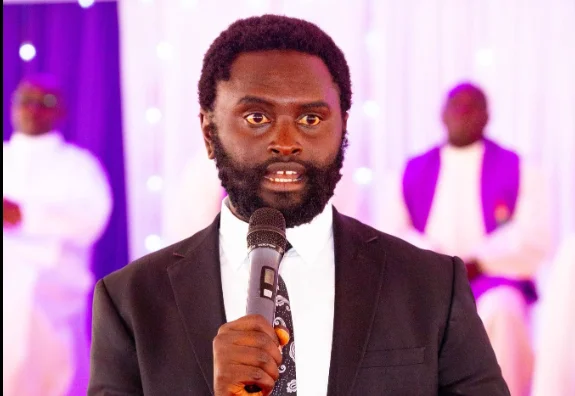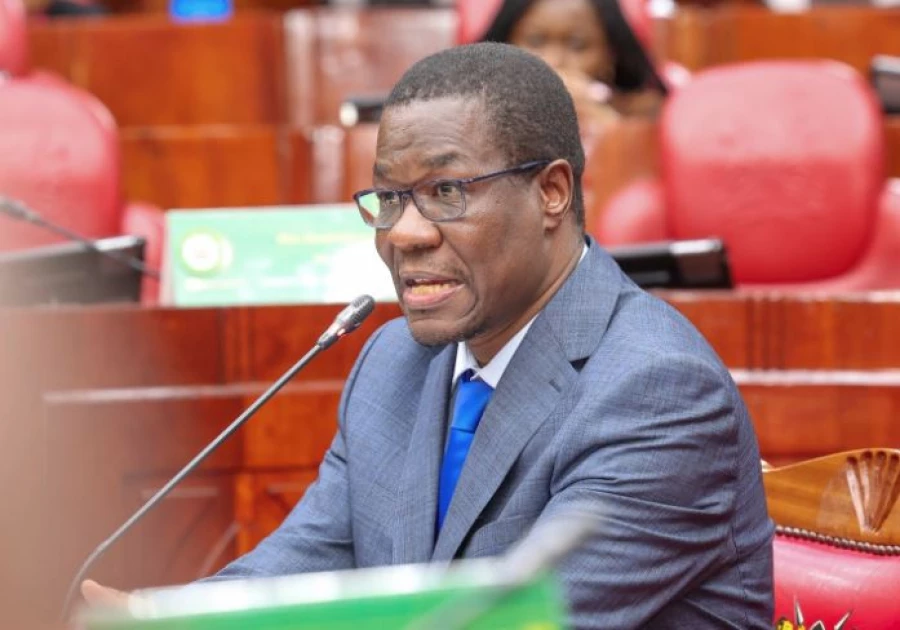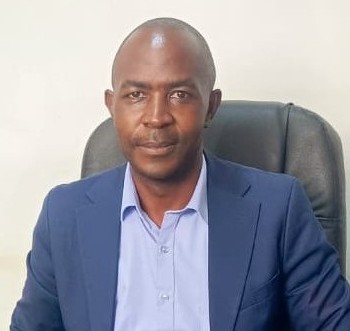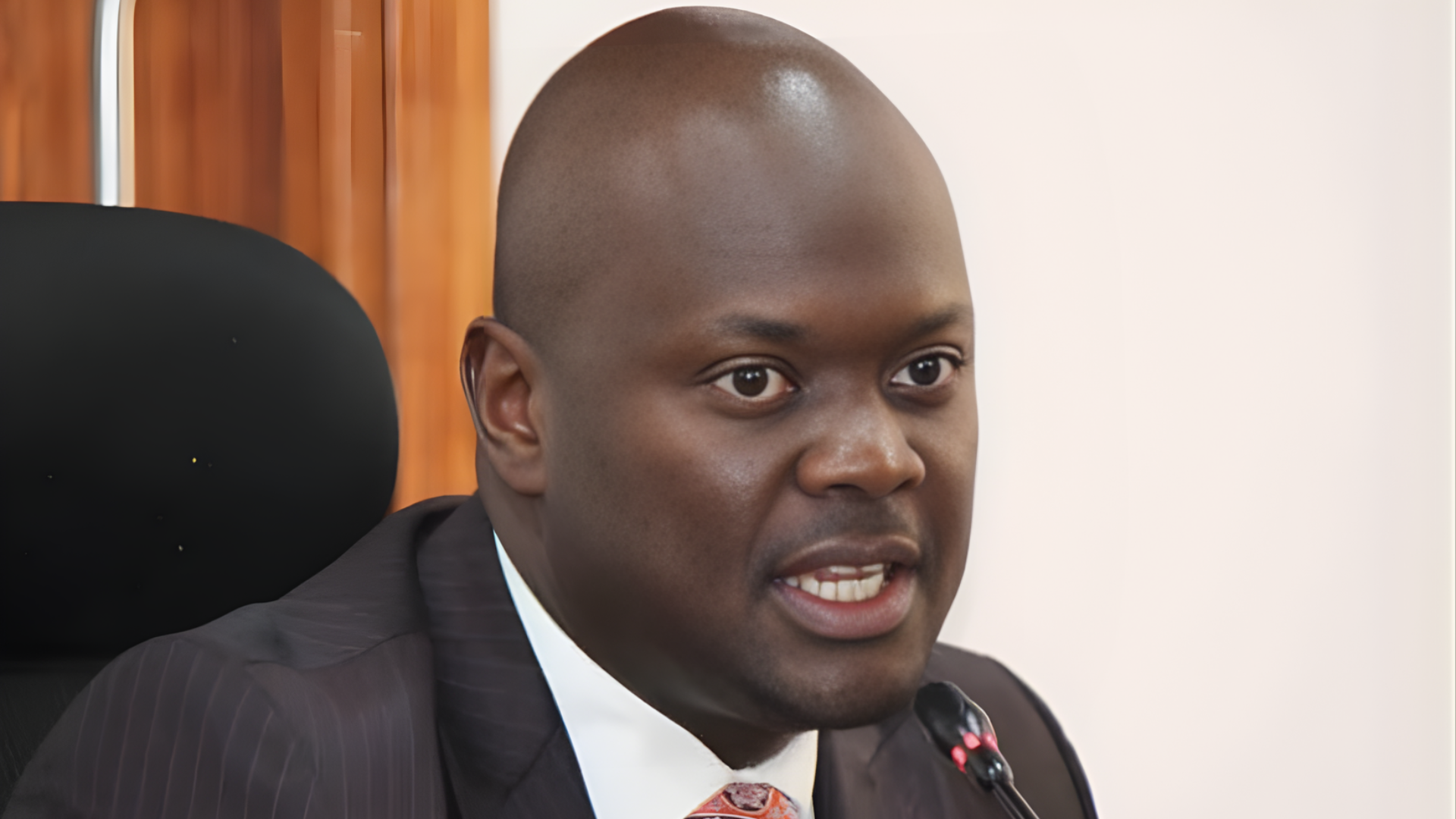
The rolling green hills of Kitutu Chache South in Kisii County, where banana groves sway gently under the November sun and the red earth paths wind between modest homesteads, have become a landscape etched with grief. On the afternoon of November 17, 2025, as mourners gathered under a canopy of black and white mourning tents for yet another burial in Nyangusu village, local MP Anthony Kibagendi stood before a crowd of several hundred, his voice heavy with exhaustion and compassion. The lawmaker, a soft-spoken former teacher whose 2022 election victory had been celebrated as a return to servant leadership, revealed the crushing reality of his constituency's mortality crisis: an average of 18 to 23 funerals every single week. "Every week, without fail, we bury between eighteen and twenty-three of our people," Kibagendi said, his words carrying over the hushed gathering as women in headscarves wiped tears and men leaned on walking sticks carved from local hardwood. "I personally contribute to every funeral, whether the deceased lived here or passed away in Nairobi, Kisumu, or abroad. When death occurs in major towns, I give ten thousand shillings to help bring the body home. This is not politics; this is humanity."
Kibagendi's disclosure, delivered not from a campaign podium but from the heart of a mourning ground where the scent of fresh soil mingled with the aroma of roasted maize offered to visitors, laid bare the extraordinary burden shouldered by elected leaders in high-density rural constituencies. Kitutu Chache South, home to 180,000 residents across wards like Nyangusu, Marani, and Boochi, has seen mortality rates climb alarmingly since 2023, a trend the MP attributes to a toxic cocktail of economic hardship, untreated chronic illnesses, and the lingering effects of post-COVID health complications. "We are burying teachers, farmers, youth, elders—people who should still be with us," Kibagendi continued, his navy suit jacket removed and sleeves rolled up as he helped lower a coffin into the grave, a gesture that drew murmurs of appreciation from the crowd. "Last week alone, we had twenty-one funerals. The week before, nineteen. I receive calls at midnight, at dawn—'Mheshimiwa, our mother has passed in Nairobi, we need help with transport.' How do you say no when a family has nothing?"
The financial toll on the MP, who earns a gross salary of Sh1.2 million monthly but faces deductions leaving him with roughly Sh700,000 take-home, is staggering. Contributing even Sh5,000 to Sh10,000 per funeral—standard amounts in Gusii culture for harambee collections—translates to between Sh90,000 and Sh230,000 weekly from his personal pocket. When bodies must be transported from urban hospitals, the Sh10,000 commitment becomes routine, covering mortuary fees, hearse hire, and fuel for the long journey home along the treacherous Kisii-Nairobi highway. "Sometimes I give more—twenty thousand, thirty thousand—if the family is completely stranded," Kibagendi confided later in his constituency office, surrounded by stacks of condolence cards and funeral programs pinned to a corkboard like a grim calendar. "Last month, I spent over eight hundred thousand shillings on funerals alone. My salary cannot sustain this forever, but how do I stop when these are my people?"
The crisis extends far beyond one MP's wallet. In Nyangusu village, 45-year-old widow Esther Moraa recounted losing her husband to diabetes complications in October, only to face a Sh180,000 mortuary bill at a Kisii hospital. "We had sold everything—the cow, the iron sheets—to pay for his treatment," Moraa said, her voice cracking as she sat on a wooden stool outside her mud-walled home, children playing quietly nearby. "When he died, we didn't know how to bring him home. Mheshimiwa sent ten thousand for the hearse and contributed another fifteen thousand during the harambee. Without him, my husband would still be in the mortuary." Similar stories echo across the constituency: a teacher succumbing to hypertension in Kisumu, a young motorcyclist killed in a road accident in Nakuru, an elder dying of cancer complications in Nairobi—each requiring community fundraising where the MP's contribution sets the tone.
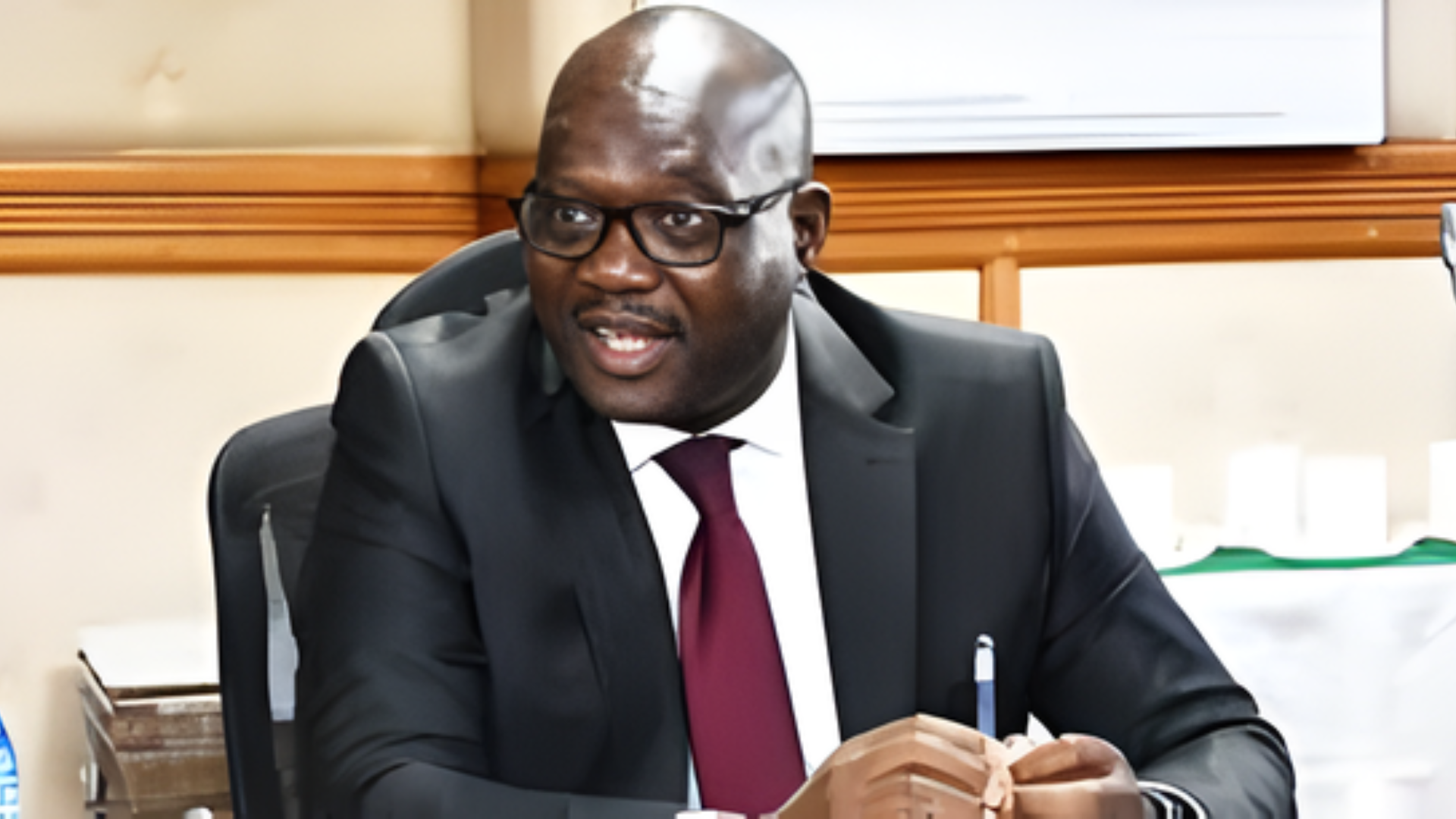
Health facilities in Kitutu Chache South tell a grim statistical tale. The constituency hospital in Marani records an average of 12 deaths monthly from non-communicable diseases alone—hypertension, diabetes, cancer—numbers that have doubled since 2021 according to medical superintendent Dr. James Nyambane. "We lack dialysis machines, oncology services, even basic chemotherapy," Nyambane explained in his sparsely equipped office, where a single blood pressure monitor serves hundreds weekly. "Patients are diagnosed late, treatment is in Kisii or Nairobi—too expensive, too far. Many die en route or give up." Road accidents claim another 8-10 lives monthly along the notorious Kisii-Kisumu highway, while untreated HIV complications and respiratory illnesses from biomass cooking add to the toll. "We are seeing younger people—thirties, forties—dying of strokes and heart attacks," Nyambane added, his stethoscope dangling like a symbol of overwhelmed care.
Kibagendi, who has used his National Government Constituency Development Fund to build morgues at Marani and Nyangusu health centers and equip ambulances, insists the funeral burden reflects a national emergency. "This is not just Kitutu Chache South—this is happening in Nyamira, Homa Bay, Migori, everywhere in Gusii land and beyond," he told mourners at a separate funeral in Boochi ward, where 300 people gathered under mango trees. "Our people are dying because healthcare is inaccessible, because poverty forces them to choose between medicine and food, because roads kill our youth. When I contribute to twenty funerals a week, I am not being generous—I am responding to a crisis the government must address urgently."
The MP's office has become a de facto funeral coordination center. His personal assistant keeps a ledger of deaths, transport needs, and contributions, while a dedicated phone line rings constantly with condolence messages and pleas for assistance. "Some weeks I attend eight funerals in one day—driving from one homestead to another, speaking, contributing, consoling," Kibagendi said, showing a schedule book filled with funeral programs. "I have missed parliamentary sessions because I cannot abandon my people in their hour of grief." The emotional toll is visible: dark circles under his eyes, a voice sometimes hoarse from delivering eulogies, hands that tremble slightly when signing yet another condolence card.
Community leaders acknowledge the MP's sacrifice while pleading for systemic solutions. At a baraza in Marani, 68-year-old elder Paul Omwancha addressed a gathering of 200: "Mheshimiwa has become our father in grief—he gives when he has nothing left to give. But one man cannot bury a constituency. We need hospitals, not just hearses." Women leaders like Beatrice Nyanchoka, who coordinates self-help groups, added: "Diabetes and hypertension are killing us silently. We cook with firewood, breathe smoke daily—where are the clean cooking solutions promised?"
Kibagendi has tabled a motion in Parliament calling for a national inquiry into rising mortality in rural Kenya, proposing free screening camps, subsidized medicines for chronic illnesses, and expansion of NHIF coverage to include transport for medical referrals. "When I spend eight hundred thousand monthly on funerals, imagine what that money could do if invested in prevention—dialysis centers, cancer treatment units, better roads," he argued during a phone interview from yet another burial. "This is a national crisis—our people are dying needlessly, and leaders like me are left picking up the pieces, one coffin at a time."
As November's rains begin to soften the red earth of Kitutu Chache South, making funeral processions even more arduous, Kibagendi's burden continues. Another week, another twenty funerals—another twenty contributions from a man whose heart, like the graves he helps dig, seems bottomless in its capacity for service.
The weekly toll: 18-23 funerals, Sh90,000-Sh230,000 personal contributions. October alone: Sh800,000 spent. Marani morgue: 12 monthly NCD deaths. Nyangusu ambulance: Kibagendi-funded. Moraa's bill: Sh180,000 mortuary. Omwancha's plea: hospitals not hearses. Nyanchoka's smoke: biomass illness. For Kibagendi: "One man cannot bury a constituency." In Kisii's resilient rhythm, the burden endures—a leader's ledger where grief garners generosity, and funerals forge unbreakable bonds.