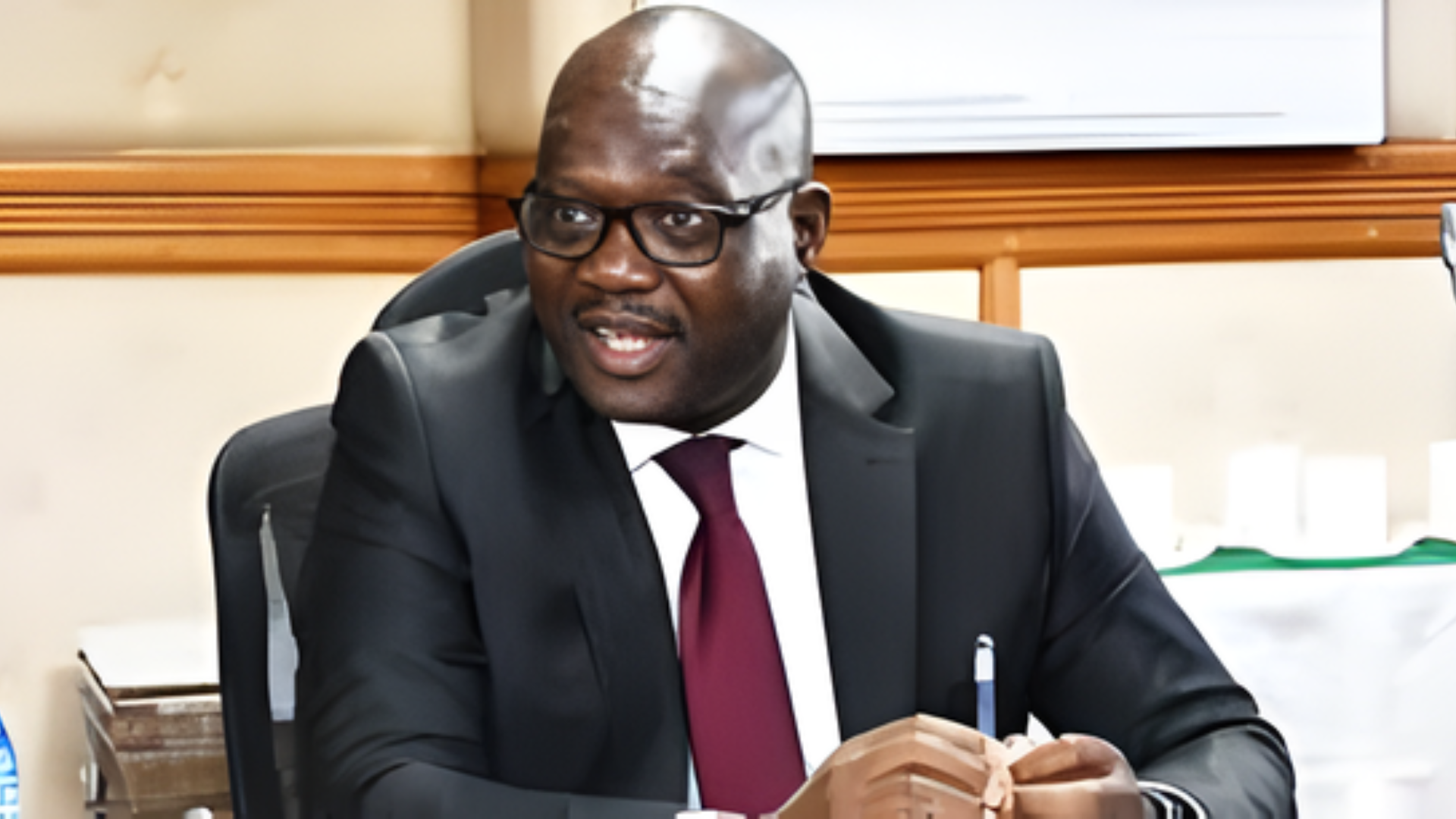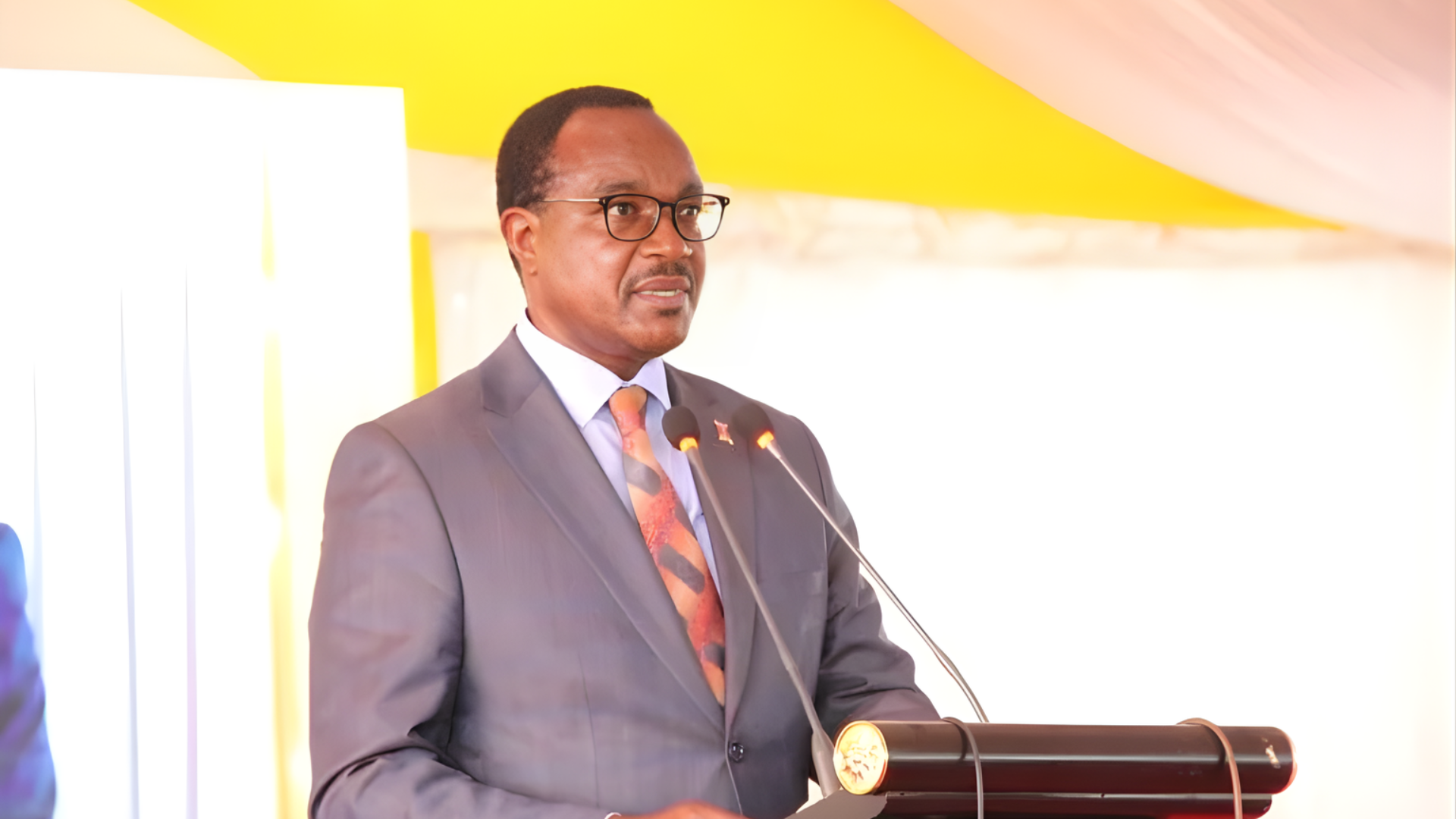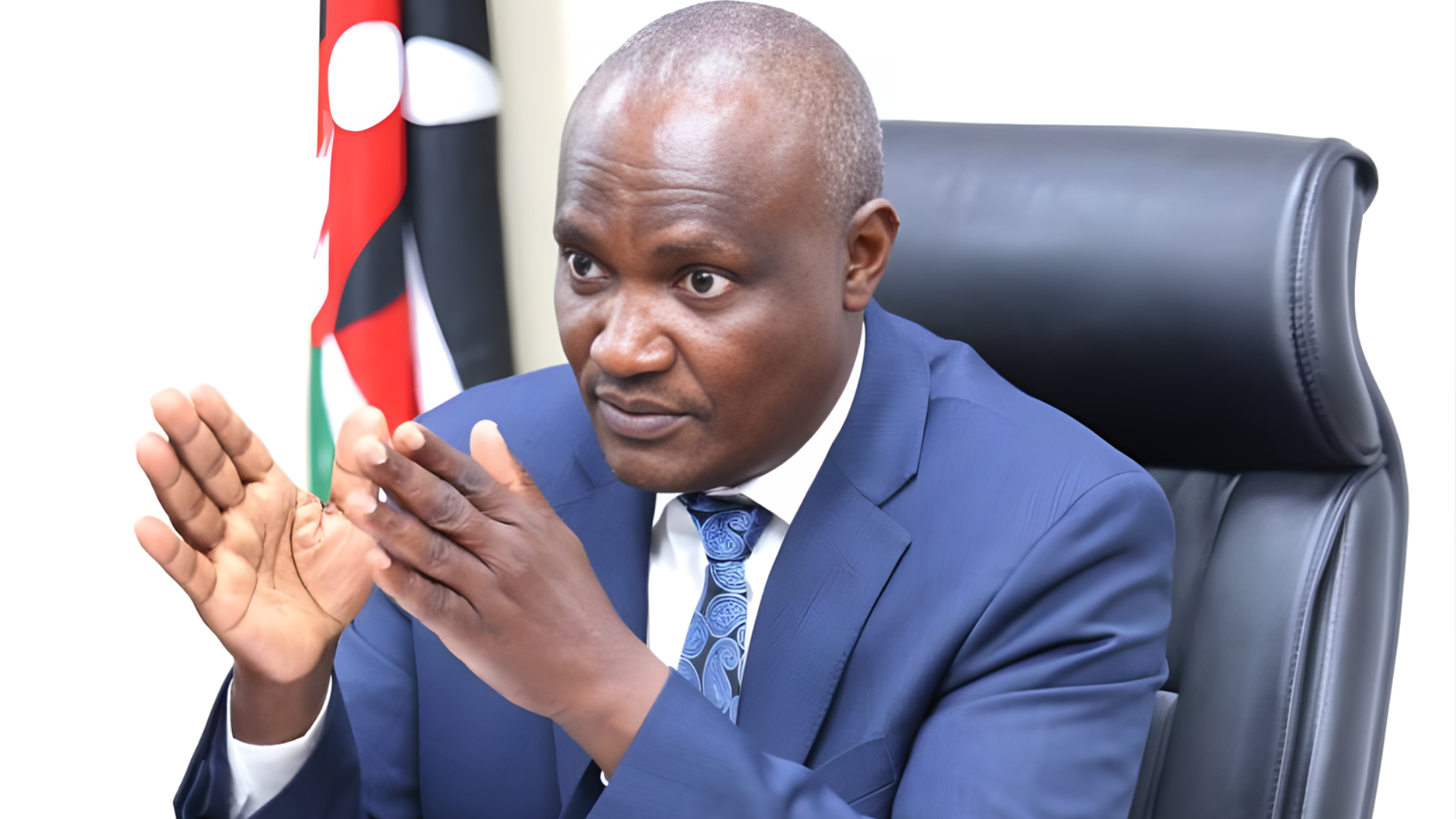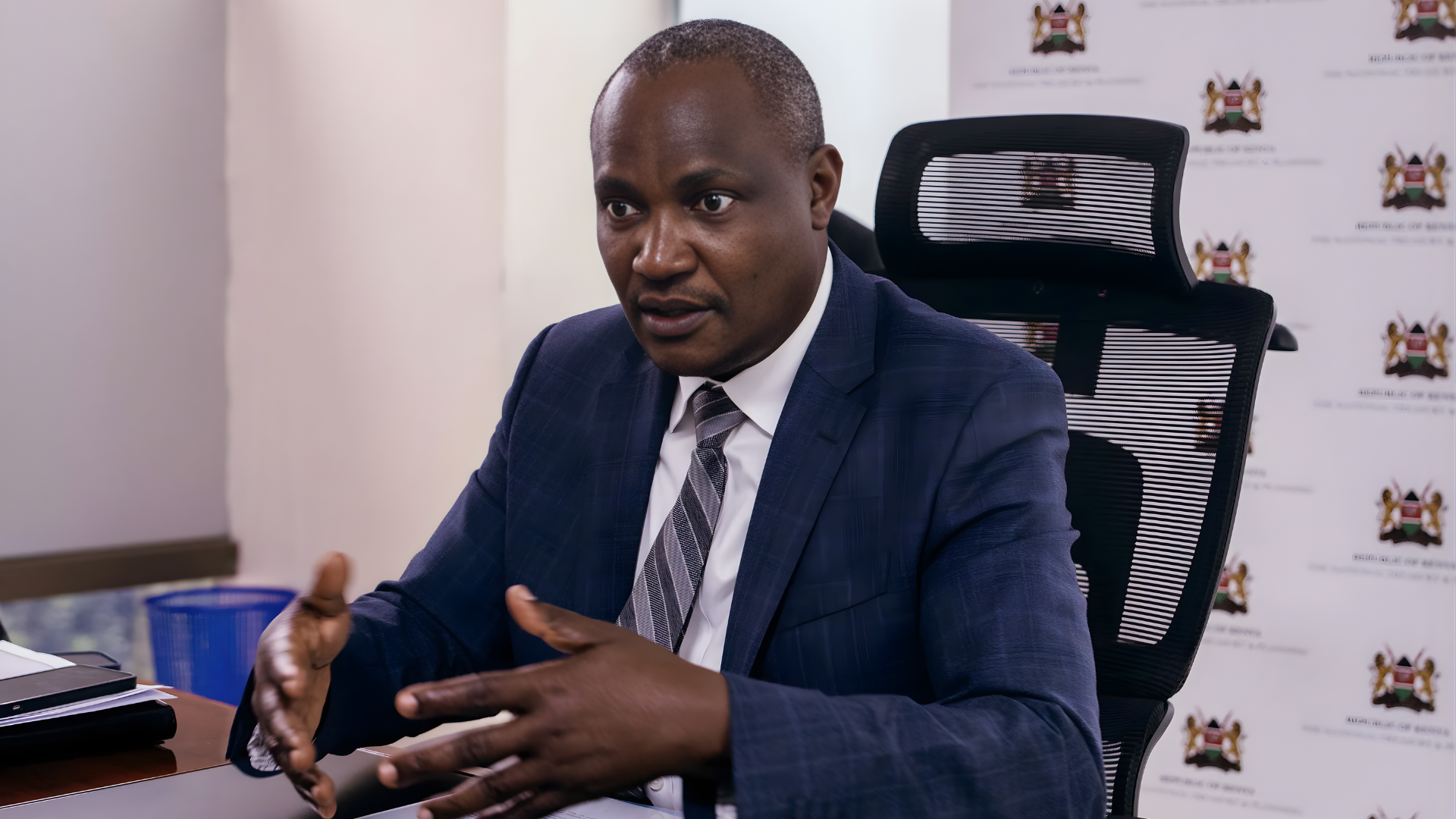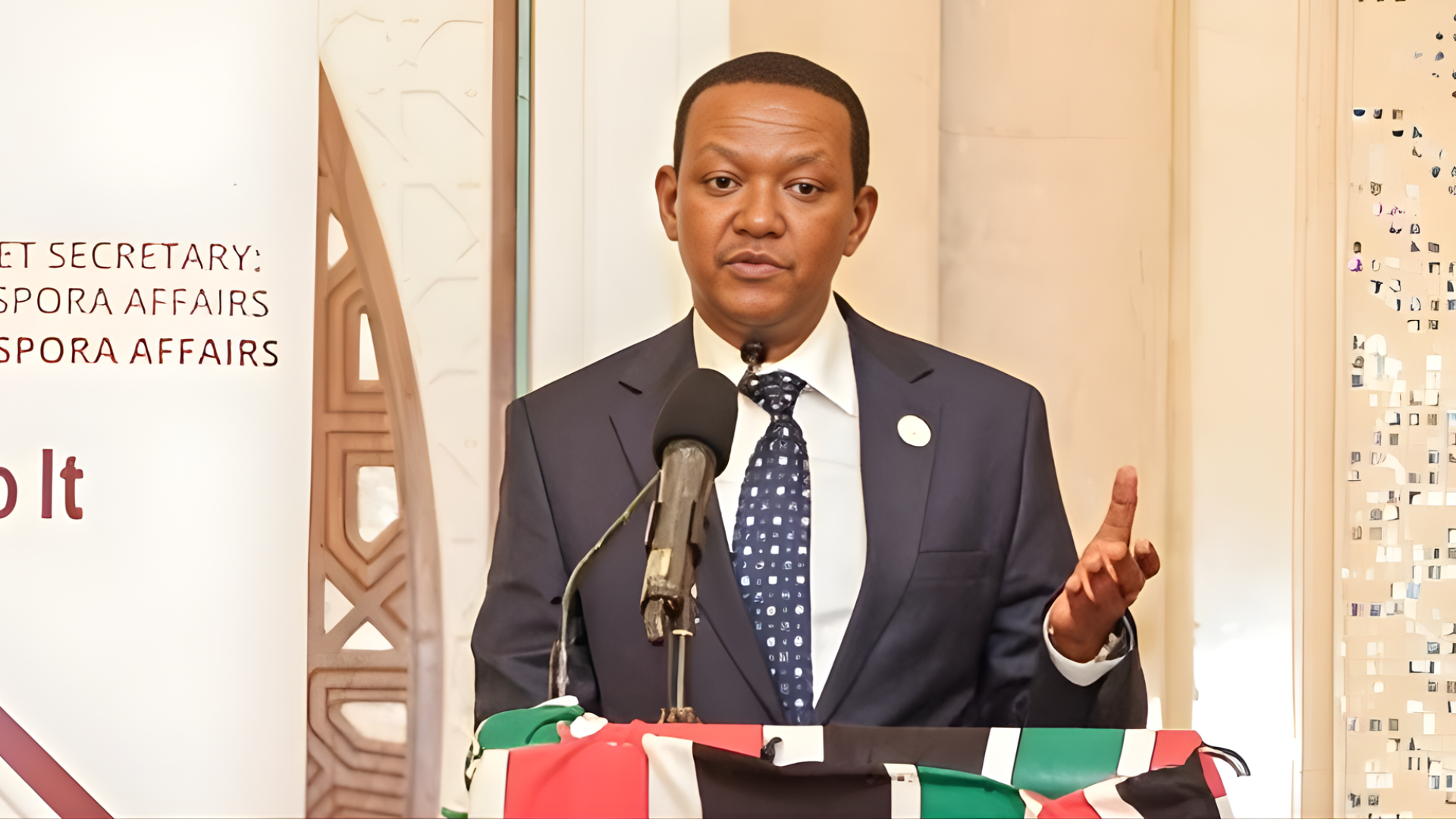
Labour Cabinet Secretary Alfred Mutua has warned that drug abuse is fast becoming the biggest obstacle preventing thousands of Kenyan youth from securing lucrative overseas employment opportunities, with failed medical tests now the leading cause of rejection.
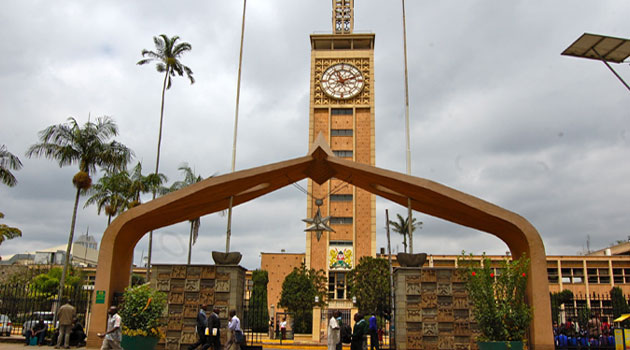
Speaking during the launch of a nationwide sensitisation campaign against substance abuse at Uhuru Gardens in Nairobi on December 1, 2025, Mutua disclosed that over 38 percent of applicants who undergo mandatory pre-departure medical examinations test positive for various drugs, effectively disqualifying them from jobs paying between Sh80,000 and Sh450,000 monthly.
“The statistics are alarming,” Mutua told a gathering of youth leaders, recruitment agencies, and county officials. “In the last quarter alone, we processed 42,000 applicants for jobs in Saudi Arabia, Qatar, the United Arab Emirates, Germany, and the United Kingdom. Out of these, 16,240 failed the medical test because of drugs—mostly cannabis, amphetamines, opioids, and cocaine metabolites. That is almost 40 percent of our young people losing life-changing opportunities because of substance abuse.”
The medical tests, conducted at government-approved facilities, are a mandatory requirement by host countries to ensure workers are physically and mentally fit for demanding roles in construction, hospitality, healthcare, and domestic work.
A senior official at the National Employment Authority, speaking on condition of anonymity, said the failure rate has doubled in the last two years. “In 2023 we were rejecting about 18 percent for drugs,” the official said. “Now it is pushing 40 percent. Countries like Saudi Arabia and Germany have zero tolerance. One positive result and the visa is cancelled immediately.”
Mutua singled out cannabis as the most common substance detected, followed by prescription opioids and heroin. “Many young people think bhang is harmless, but its metabolites stay in the body for up to 90 days,” he said. “They smoke today thinking they will clear the test in two weeks, only to be rejected at the airport after spending Sh60,000 on air tickets and medicals.”
At a recruitment centre in Mombasa, 27-year-old Hassan Juma from Likoni narrated how he lost a Sh320,000-per-month welding job in Qatar after testing positive for cannabis. “I had already resigned from my Sh18,000 job here,” Juma said. “I used the little savings I had for the medical and ticket. When the results came back positive, the agent just told me ‘pole, try again next year’. I came home empty-handed and now I’m in debt.”
Similar stories emerged in Kisumu, where 24-year-old Mercy Anyango failed a nursing assistant placement in the United Kingdom after traces of tramadol were found in her system. “I was using painkillers for a toothache,” Anyango said. “I didn’t know they would show up. Now my name is blacklisted for two years.”
The Labour CS said the government has been forced to refund millions of shillings in airfare and medical fees to rejected applicants, straining the overseas employment programme. “We are losing not just jobs but also the remittances that were going to transform families,” Mutua said. “One worker in the Gulf sends home an average of Sh120,000 monthly. When 16,000 are blocked, that is billions of shillings lost to the economy every year.”
To reverse the trend, the Ministry has partnered with the National Authority for the Campaign Against Alcohol and Drug Abuse to roll out mandatory drug education for all overseas job applicants. Starting January 2026, every applicant will undergo a three-day sensitisation programme before medical tests.
“We are also introducing random drug testing at Technical and Vocational Education and Training institutions,” Mutua announced. “If you test positive twice, you will be barred from the overseas job programme for five years.”
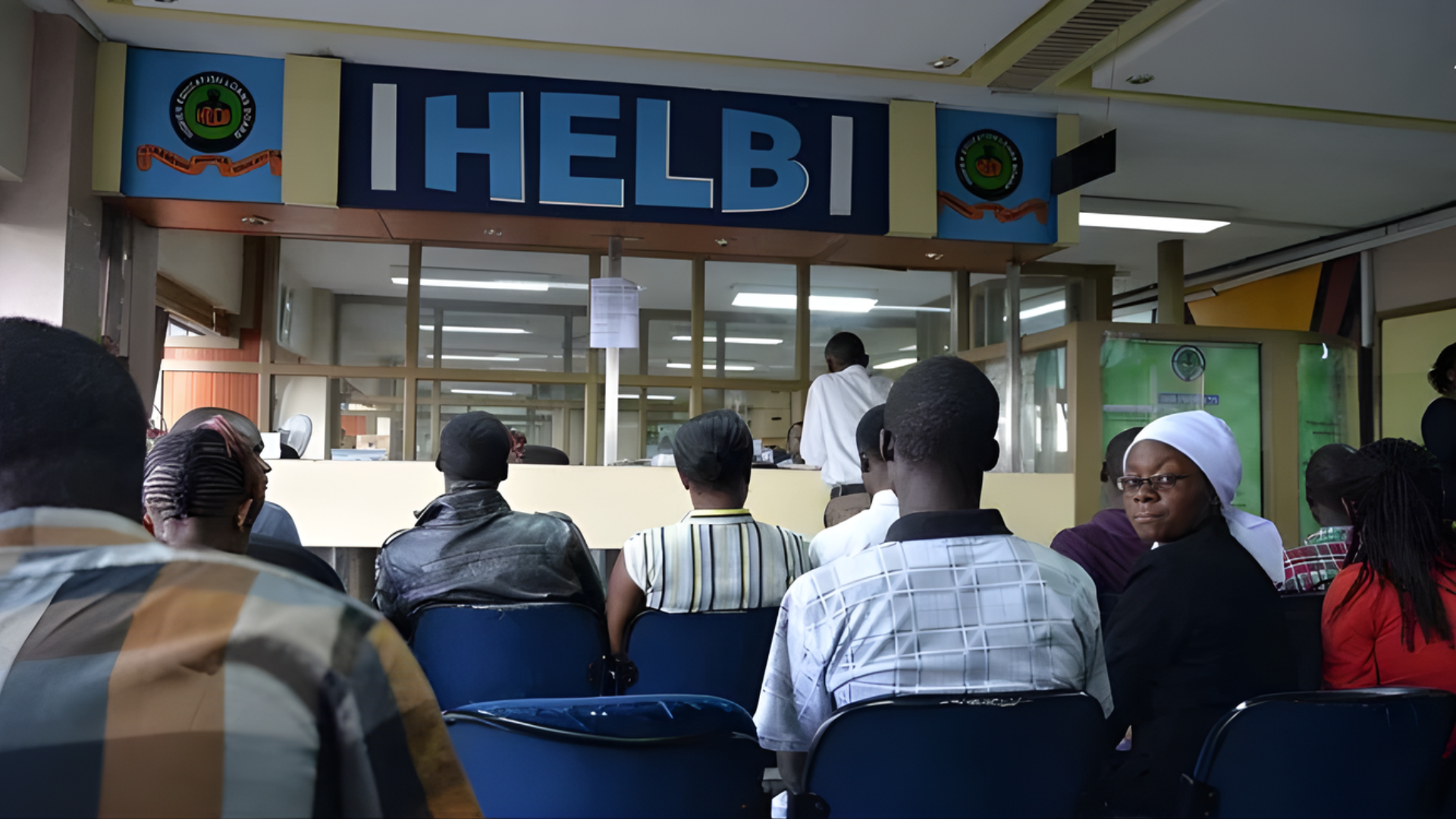
County governments have been directed to establish rehabilitation support for rejected applicants. Nairobi County has already set up a help desk at the overseas labour office on Likoni Road where failed candidates receive free counselling and referrals to rehabilitation centres.
The National Employment Authority has revised its contracts with recruitment agencies, imposing heavy penalties for sending applicants who later fail drug tests. “Agents who knowingly forward drug users will have their licences revoked,” Mutua warned.
Religious leaders present at the launch pledged support. Bishop Peter Kimani of the National Council of Churches of Kenya urged parents to monitor their children. “The devil has packaged drugs as recreation, but it is destroying our children’s future,” Kimani said.
As the campaign buses rolled out to all 47 counties, Mutua issued a direct appeal to the youth. “Say no to drugs today so that tomorrow you can say yes to a better life abroad,” he said. “The choice is yours—bhang or a bank account, peer pressure or a passport stamp. Choose wisely.”