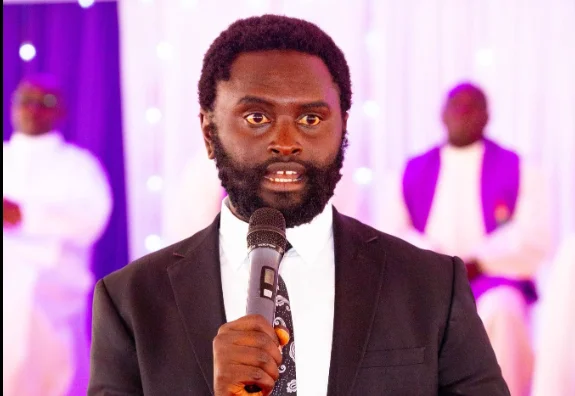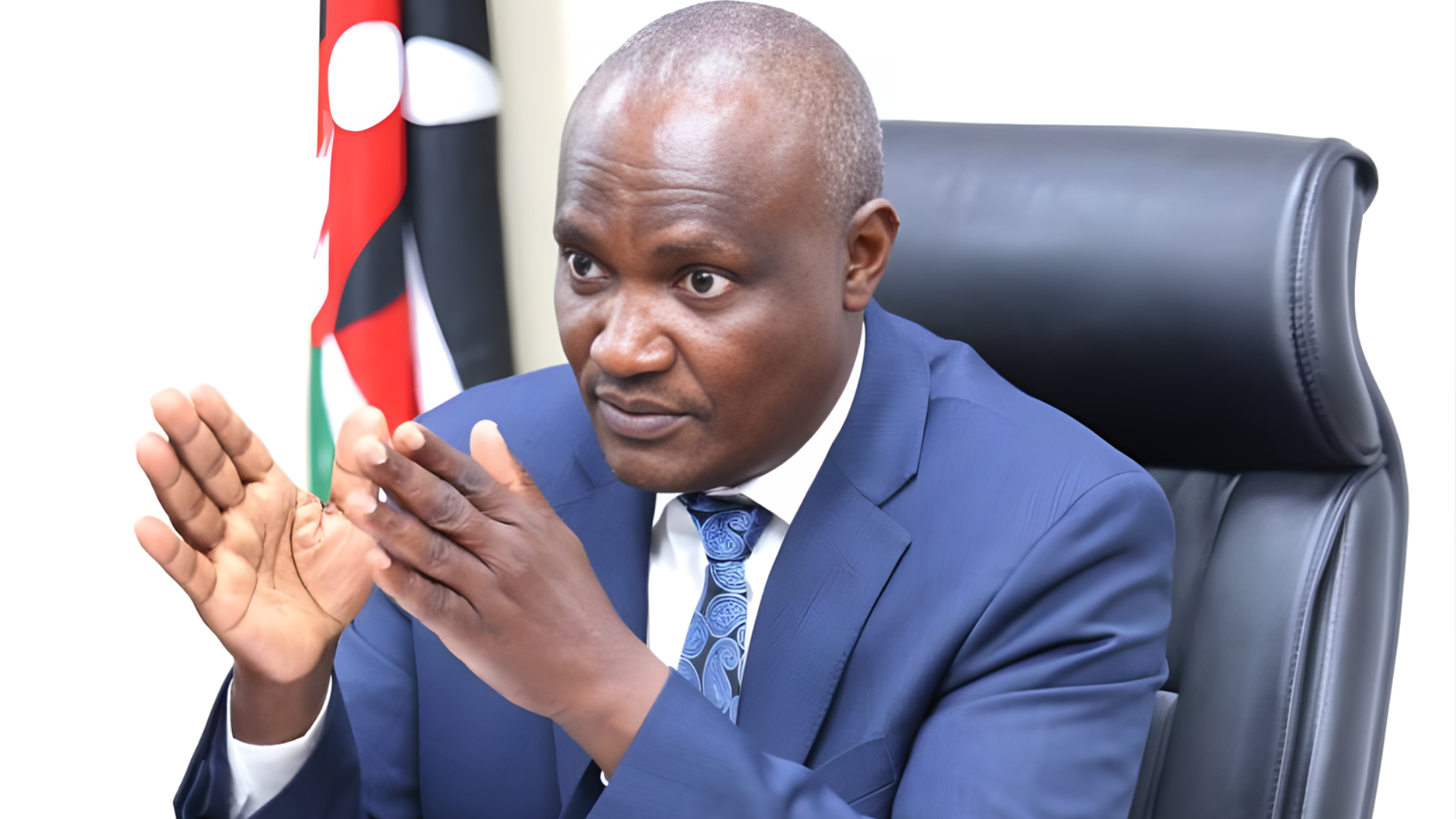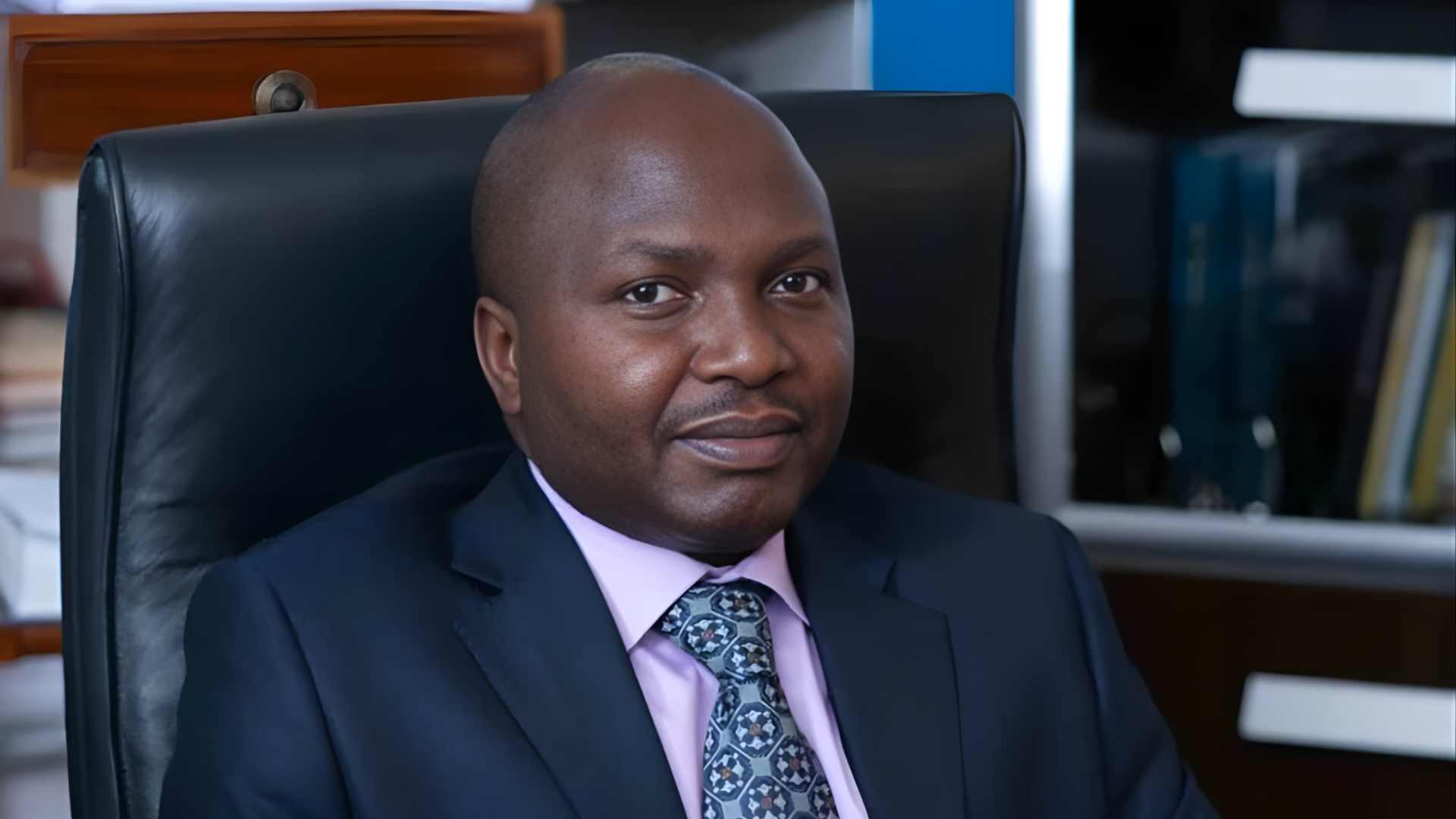
The sun-dappled greens of Muthaiga Country Club, where Nairobi's elite have long sought respite from the city's relentless pulse amid manicured fairways and whispered deals over single malts, have been more than a social enclave—they have been a stage for exclusion's quiet dramas and justice's resounding retorts. On the morning of November 12, 2025, as the club's colonial-era clubhouse stirred with the clink of teacups and the rustle of morning papers, prominent lawyer Donald Kipkorir emerged from a High Court victory not as a conqueror seeking retribution, but as a son transformed by grief into a giver. The 52-year-old advocate, whose courtroom prowess has felled giants from politicians to parastatals, announced he would donate the full Sh1 million in damages awarded to him by Justice Fred Ochieng to a cancer charity, a poignant tribute to his late mother, who had succumbed to stomach cancer two years earlier after a valiant fight that left an indelible mark on his soul. "This award is not mine to hoard; it is a bridge to healing for others walking the path my mother trod," Kipkorir declared in a heartfelt statement from his Woodvale Grove law chambers, his voice steady yet laced with the quiet tremor of remembrance. "Two years ago, cancer stole her from us, but her legacy of grace endures. I honor her by turning this judgment into a lifeline for families facing the beast that claimed her."
Kipkorir's gesture, announced amid a scrum of reporters gathered under the jacaranda trees outside his office, caps a legal odyssey that began in the club's hallowed portals and ended in the High Court's hallowed halls, a saga that exposed the undercurrents of class, color, and constitutional rights in one of Nairobi's most exclusive enclaves. The Muthaiga Country Club, founded in 1913 as a bastion for British expatriates and later grudgingly opening to Kenyan elites in the post-independence era, had denied Kipkorir entry on March 15, 2023, citing a nebulous "security protocol" that club officials later attributed to an unverified tip-off about a "potential disturbance." Kipkorir, a Kikuyu son of the soil whose sartorial flair—tailored suits and pocket squares—belies a childhood in Nyeri's tea fields, arrived that afternoon for a casual lunch with clients, only to be rebuffed at the wrought-iron gates by a security detail who cited "dress code infractions" and "member verification." "I was in a suit from my tailor on Kimathi Street, briefcase in hand, yet they treated me like an intruder at my own table," Kipkorir recounted in his affidavit filed that April, his words a scalpel dissecting the club's storied history of selective hospitality. The denial, captured on his phone's video as guards barred the entrance amid the club's manicured lawns, went viral on X, amassing 500,000 views and igniting a firestorm of accusations that the 112-year-old institution—home to Kenya's political and business titans—still harbored colonial-era biases cloaked in modern bylaws.
The lawsuit, Constitutional Petition No. 234 of 2023 lodged at the High Court, framed the incident not as a mere snub but as a profound violation of Article 27's equality clause and Article 43's dignity rights, with Kipkorir seeking Sh100 million in damages for "emotional distress and reputational harm." Justice Ochieng, presiding over the matter with the meticulousness that defined his 2022 rulings on electoral disputes, heard arguments spanning May to October 2025, a trial that peeled back the club's velvet curtain to reveal a tapestry of exclusionary threads. Club witnesses, including the general manager and a security head, testified to "protocol lapses," but Kipkorir's team—led by the tenacious Fred Ojiambo—cross-examined them into admissions of racial profiling: "We profile based on... appearance," the guard faltered under oath, his words a damning echo of the club's 1960s "whites-only" edicts that had prompted a 1970s boycott by Kenyan MPs. "This was no mistake; it was malice masked as manners—a reminder that some doors in Muthaiga remain barred by invisible keys," Ojieng ruled in his 45-page judgment on November 11, awarding Sh1 million in general damages and Sh500,000 in costs, while dismissing the club's counterclaim for "defamation" as "frivolous." The magistrate's prose, laced with references to the 2010 Constitution's transformative ethos, lambasted the club as a "relic of exclusion in an era of embrace," ordering it to institute anti-discrimination training and public apologies.
Kipkorir's decision to donate the award—earmarked for the Cancer Support Foundation Kenya, a Nairobi-based NGO that provided palliative care for his mother during her final months—transforms a personal victory into a public parable, a thread of grace woven through the fabric of loss. His mother, the late Grace Wanjiku Kipkorir, a schoolteacher from Nyeri's potato fields who had instilled in her son a love for literature and law at the kitchen table, had battled stomach cancer for 18 months before her passing on September 14, 2023. Diagnosed at stage three in March 2022 after persistent abdominal pains dismissed as indigestion, Grace endured rounds of chemotherapy at Kenyatta National Hospital, her resilience a quiet force that saw her tend her vegetable patch even as the disease hollowed her frame. "Mum taught me justice isn't vengeance; it's vindication for the vulnerable," Kipkorir shared in a tearful tribute at her funeral mass at St. Peter's Clavers Catholic Church in Westlands, where 500 mourners—judges in robes, activists in T-shirts, family in kitenge—gathered under rains that seemed heaven's own lament. "Cancer didn't break her spirit; it bent mine—watching her fade, knowing the foundation that funded her scans charged families Sh50,000 a session while donors dined at Muthaiga." The donation, formalized via a Sh1 million cheque presented to CSF Kenya's executive director on November 12 at a modest ceremony in the organization's Upper Hill offices, will fund 50 palliative care kits—morphine patches, nutritional supplements, and counseling sessions—for low-income patients at KNH's oncology ward.
Kipkorir's mother, Grace, had been the quiet architect of his ascent—a widow who sold mandazis at Nyeri market to fund his University of Nairobi law degree, her evenings spent poring over his case briefs by kerosene lamp. Her cancer journey, a gauntlet of misdiagnoses and mounting bills that drained the family's Sh2 million savings, had exposed the chasms in Kenya's health net: NHIF's Sh100,000 cap exhausted in three months, out-of-pocket gaps swallowing Sh800,000 in private scans and second opinions. "She fought with the same tenacity that saw her march in the 1990 Saba Saba protests—unbowed, until the end," Kipkorir recounted in his donation speech, his bowtie—a trademark absent that day, replaced by a simple black tie—nodding to the personal toll. CSF Kenya, founded in 2005 to bridge the 70 percent out-of-pocket cancer costs per Ministry of Health stats, has supported 5,000 patients yearly; Kipkorir's gift, amplified by matching donations from his law firm Kipkorir, Titoo & Kiara Advocates, swells it to Sh2 million, earmarked for 100 families in Nyanza and Rift Valley. "Your mother's grace graces us—Sh1 million isn't money; it's mercy multiplied," CSF's director, Dr. Miriam Keter, responded, her embrace with Kipkorir a moment captured by flashing cameras, tears mingling on cheeks.
The Muthaiga verdict itself, handed down in Courtroom 12 amid a gallery of 50 spectators including coastal MPs from Jumwa's Kilifi network and LSK alumni, was a referendum on exclusion's end. Ochieng's ruling, 45 pages of incisive prose referencing the 2010 Constitution's Article 56 on minority protections, dissected the club's bylaws as "anachronistic artifacts" that veiled bias in "protocol." "Denial of entry based on 'appearance' is not security; it is segregation by stealth," the judge wrote, awarding damages for "humiliation that echoes colonial gatekeeping." The club, in a terse November 12 statement from its board chaired by a reclusive industrialist, expressed "regret" and pledged compliance: "Muthaiga welcomes all who uphold our values—training commences December 1." Kipkorir, in victory's afterglow, framed it as closure: "The award honors Mum's fight against invisible illnesses—cancer, classism, the cancers of the soul that shut doors."
Kipkorir's career, a comet trail of constitutional crusades, had intersected with Muthaiga's mythos before. As LSK president from 2018 to 2020, he had led the 2019 boycott of the club over its "whites-only" dinner echoes, his op-ed in the Nation branding it "Kenya's last colonial club." The 2023 denial, amid his representation of high-profile clients like the 2022 election petitioners, felt personal: "I sued for the boy from Nyeri who dreamed of these lawns, not to conquer them but to claim them as Kenyan soil," he reflected in a post-ruling interview at his Woodvale office, where law tomes tower like sentinels. Havi, his counsel in parallel cases, hailed the donation as "Donald's eleventh hour—justice not just won, but given." The gesture, rippling through legal circles, inspired peers: Fred Ojiambo pledged Sh500,000 to CSF; Theuri, Sh300,000. Vigils for Grace, revived at St. Peter's on November 13, drew 200 lawyers chanting "Justice for the Vulnerable."
For the Kipkorir family—wife Anne, a quiet philanthropist, and their two sons, aged 12 and 15—the tribute is tapestry: Grace's mandazi recipes baked into fundraisers, her Bible verses etched on donation plaques. "Mum's cancer was private hell; Donald's award makes it public heaven," Anne shared at the CSF ceremony, her hand on her son's shoulder as he pinned a yellow ribbon for cancer awareness. As November's jacarandas bloom purple in Runda, Kipkorir's donation endures as dirge and dawn: a Sh1 million bridge from Muthaiga's gates to grace's gardens, where a mother's memory mends the mended, and justice, in giving, gleams eternal.
Bayo's discography endures: "Eleventh Hour" streams surge 200 percent post-award, fans remixing it with Kipkorir's verdict clips. The club, in reforms, installs "Inclusion Gates" with biometric scanners for all. Kipkorir, briefcase in hand, eyes new briefs: a class-action for cancer survivors against NHIF caps. "Mum taught me law is love's labor—today, I labor in her light." In Kenya's unyielding forge, where verdicts forge verdancy, Kipkorir's gift stands as gospel: award not for avarice, but altruism—a Runda requiem where debts dissolve in devotion, and a son's sorrow sows seeds of solace.