 Faith Masita
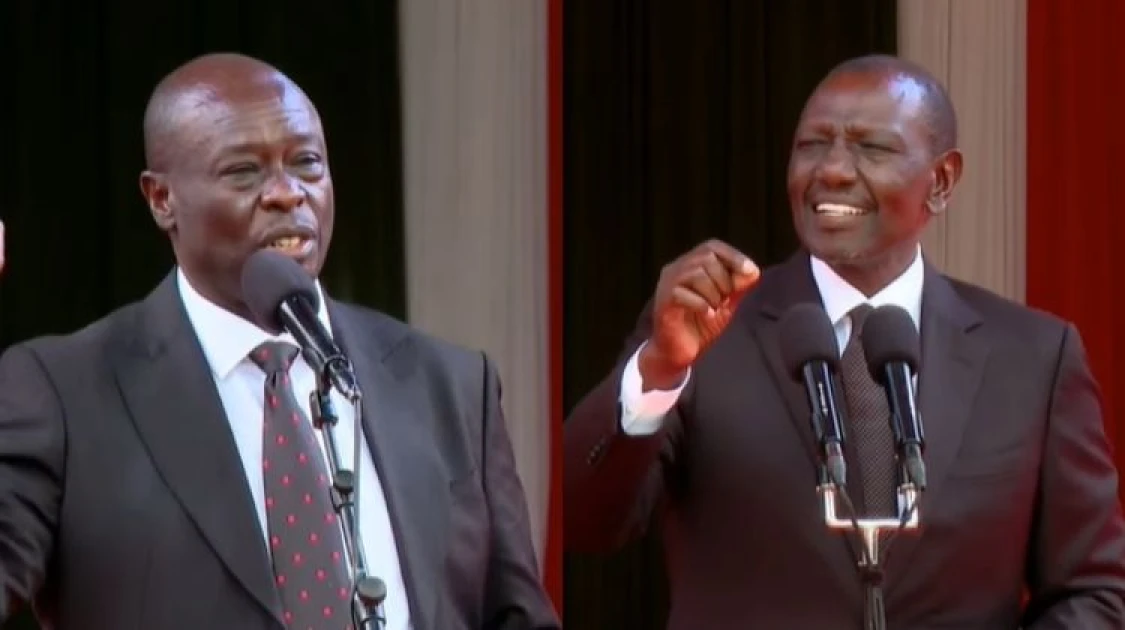
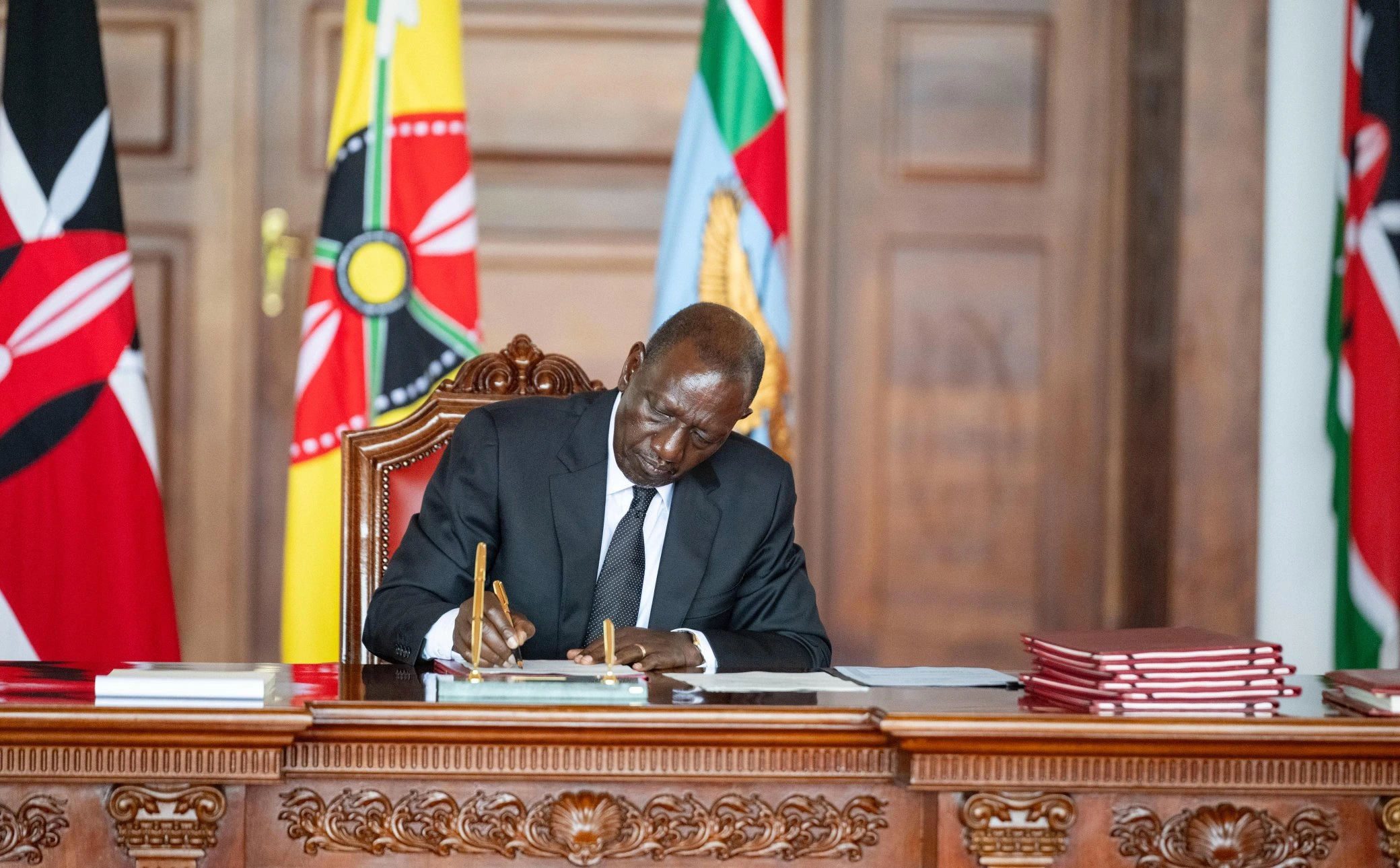
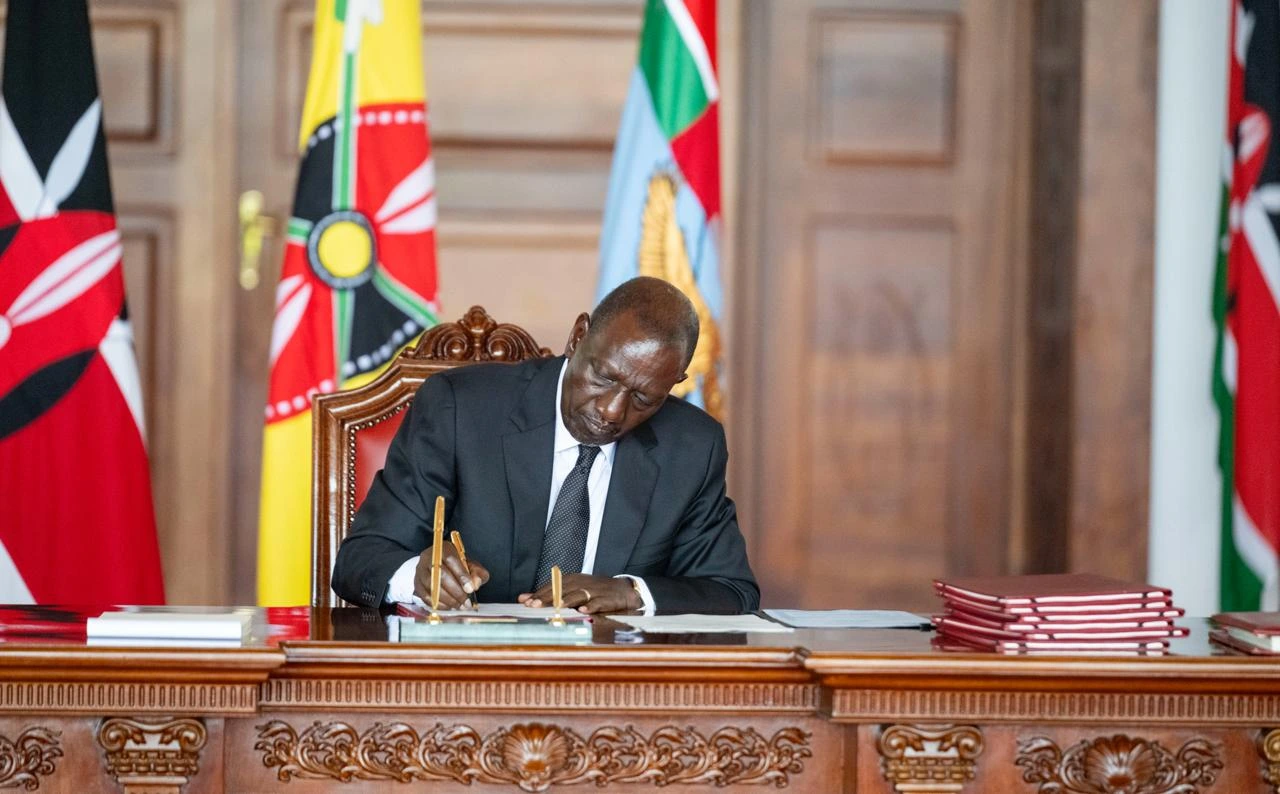
A political storm has erupted in Nairobi in the aftermath of a high-profile cooperation agreement signed at State House earlier this week between President William Ruto and Nairobi Governor Johnson Sakaja, with county MCAs framing the deal as a tacit admission that the governor is unable to govern independently a charge that threatens to upend the capital’s political equilibrium.
At the centre of the controversy is an Sh80 billion cooperation pact intended to harness national government support for critical urban services — including water and sanitation, road construction, drainage, housing, and waste management through a new two-tier governance structure featuring joint oversight committees led by national and county officials.
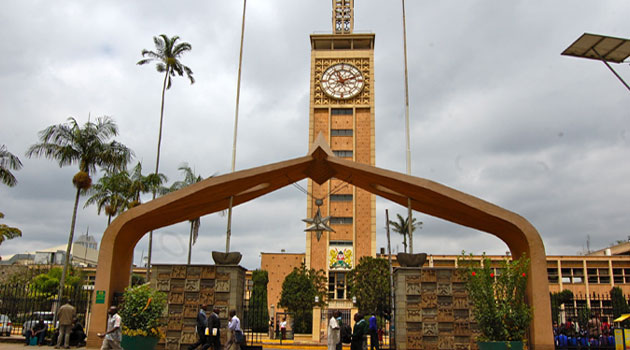
But critics in the Nairobi County Assembly contend the pact crosses a red line: rather than empowering Sakaja and his administration to deliver services more effectively, it effectively places key county functions under national government influence, undermining Nairobi’s devolved mandate.
Political Fault Lines Deepen
Members of the County Assembly particularly from opposition ranks have seized on the agreement as evidence of a deeper governance failure. A leader within the assembly told this newsroom that “the governor’s willingness to outsource core county functions signals an inability to steer City Hall independently,” adding that MCAs now view the pact not as cooperation but as a constitutional slippery slope.
This narrative that Sakaja has conceded executive ground has been amplified by vocal critics such as Embakasi East MP Babu Owino, who described the pact as a “hostile takeover” of county powers by the national government, arguing it strikes at the heart of Kenya’s devolved system.
The disquiet is not confined to political rhetoric. The High Court this week certified a petition challenging the legality of the cooperation agreement, with judges agreeing the case raises pressing constitutional questions about the allocation of functions between government levels. A hearing is set for mid-March.
MCAs’ Impeachment Whisper Doesn’t Go Away but Procedures Matter
Against this fraught backdrop, rumors swirled that Nairobi MCAs were preparing fresh impeachment proceedings against Governor Sakaja framing the State House deal as a de facto admission of governance incapacity. However, the Speaker of the County Assembly, Ken Ng’ondi, publicly debunked claims that any impeachment motion had been formally filed, emphasising that impeachment requires adherence to constitutional procedures, including verified signatures and legislative processing.
The tension reflects a broader institutional fault line: on one hand, county legislators feel sidelined, arguing that critical decisions affecting Nairobi including fiscal commitments and governance architecture should have been tabled for debate in the Assembly. On the other hand, the governor insists the pact is an urgent response to chronic urban challenges that Nairobi cannot tackle alone.
A Governance Gamble With Public Trust at Stake
For Nairobi residents, the political jousting comes at a time of persistent frustrations over stalled ward projects, delays in service delivery, and disputes over bursaries and development funds grievances that helped fuel calls for Sakaja’s impeachment in 2025.
Analysts say the deal may have been intended as a bold hybrid governance experiment, but the timing and optics signed at State House rather than at City Hall with full county participation have undercut its legitimacy among key political actor…
At the centre of the controversy is an Sh80 billion cooperation pact intended to harness national government support for critical urban services — including water and sanitation, road construction, drainage, housing, and waste management through a new two-tier governance structure featuring joint oversight committees led by national and county officials.
But critics in the Nairobi County Assembly contend the pact crosses a red line: rather than empowering Sakaja and his administration to deliver services more effectively, it effectively places key county functions under national government influence, undermining Nairobi’s devolved mandate.
Political Fault Lines Deepen
Members of the County Assembly particularly from opposition ranks have seized on the agreement as evidence of a deeper governance failure. A leader within the assembly told this newsroom that “the governor’s willingness to outsource core county functions signals an inability to steer City Hall independently,” adding that MCAs now view the pact not as cooperation but as a constitutional slippery slope.
This narrative that Sakaja has conceded executive ground has been amplified by vocal critics such as Embakasi East MP Babu Owino, who described the pact as a “hostile takeover” of county powers by the national government, arguing it strikes at the heart of Kenya’s devolved system.
The disquiet is not confined to political rhetoric. The High Court this week certified a petition challenging the legality of the cooperation agreement, with judges agreeing the case raises pressing constitutional questions about the allocation of functions between government levels. A hearing is set for mid-March.
MCAs’ Impeachment Whisper Doesn’t Go Away but Procedures Matter
Against this fraught backdrop, rumors swirled that Nairobi MCAs were preparing fresh impeachment proceedings against Governor Sakaja framing the State House deal as a de facto admission of governance incapacity. However, the Speaker of the County Assembly, Ken Ng’ondi, publicly debunked claims that any impeachment motion had been formally filed, emphasising that impeachment requires adherence to constitutional procedures, including verified signatures and legislative processing.
The tension reflects a broader institutional fault line: on one hand, county legislators feel sidelined, arguing that critical decisions affecting Nairobi including fiscal commitments and governance architecture should have been tabled for debate in the Assembly. On the other hand, the governor insists the pact is an urgent response to chronic urban challenges that Nairobi cannot tackle alone.
A Governance Gamble With Public Trust at Stake
For Nairobi residents, the political jousting comes at a time of persistent frustrations over stalled ward projects, delays in service delivery, and disputes over bursaries and development funds grievances that helped fuel calls for Sakaja’s impeachment in 2025.
Analysts say the deal may have been intended as a bold hybrid governance experiment, but the timing and optics signed at State House rather than at City Hall with full county participation have undercut its legitimacy among key political actor…