 Diana Muthini
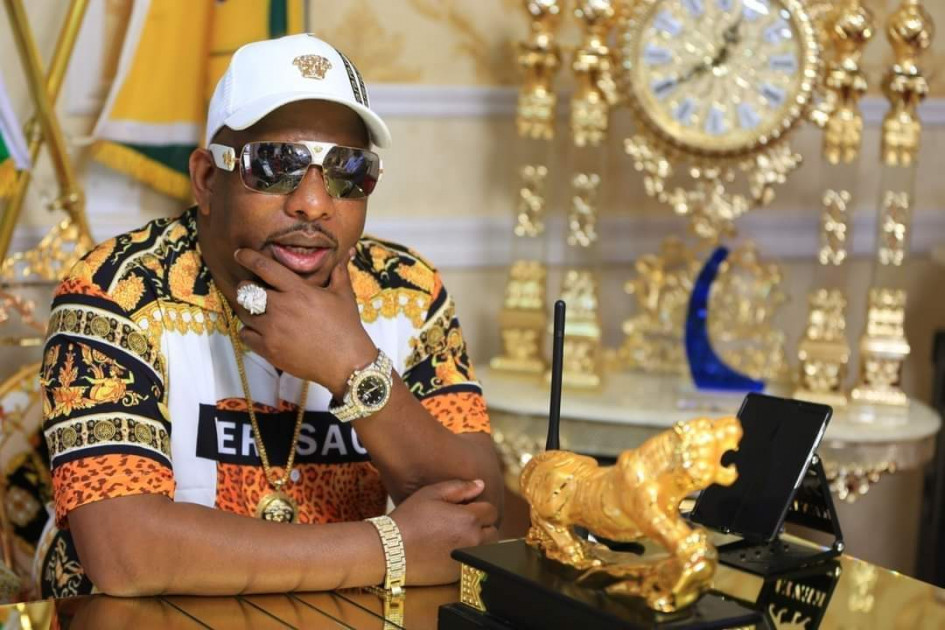
Mike Sonko, born Mike Mbuvi Gideon Kioko, is one of Kenya’s most recognizable and controversial political figures. While many know him for his flamboyant style, larger-than-life personality, and bold statements, what truly defines him is his relentless commitment to helping the underprivileged. Sonko’s story is a compelling narrative of resilience, transformation, and a persistent drive to use his influence and resources to uplift the lives of ordinary citizens.
Early Life: Growing up in the Heart of Nairobi
Mike Sonko was born and raised in the vibrant yet challenging environment of Nairobi, where he experienced firsthand the struggles of poverty, inequality, and social marginalization. His early life was marked by challenges that many urban youth face—limited opportunities, exposure to crime, and economic hardship. At a young age, he experienced the struggles of life in Nairobi’s low-income neighborhoods, witnessing families who went hungry, children who dropped out of school, and patients who could not access medical care. These experiences left a deep impression on him and shaped his empathy toward the poor and marginalized.
Sonko’s youth was also turbulent. He has openly admitted to mistakes in his early years, including brushes with the law. However, he turned his life around, determined to carve a path of success and impact. His journey from troubled youth to influential political leader is a testament to resilience, self-belief, and a commitment to using personal experiences to relate to and assist others.
The Spark of Philanthropy
Before his entry into formal politics, Sonko began engaging in acts of philanthropy. Using resources from his business ventures, he started helping residents in need. From paying school fees for struggling students to supporting families facing eviction or medical emergencies, his actions were both practical and impactful. These early acts of kindness earned him respect and admiration among Nairobi residents, particularly in the informal settlements where he grew up and where his heart remained rooted.
Sonko’s approach to helping others was not just transactional but personal. He made it a point to visit families, understand their struggles, and provide direct assistance. Whether it was buying groceries for a struggling family, clearing hospital bills, or helping young people pursue education and entrepreneurial ventures, Sonko built a reputation as a hands-on, approachable benefactor.
Entry into Politics: From MP to Governor
Mike Sonko officially entered politics in 2010 when he was elected as the Member of Parliament for Makadara Constituency. His transition from philanthropy to politics was seamless because he already had a strong base among residents who had directly benefited from his charitable work. As an MP, he continued to prioritize the needs of his constituents, blending legislative responsibilities with humanitarian service.
During his tenure, Sonko became widely recognized for his responsiveness. He frequently visited hospitals to pay bills for patients detained for unpaid medical expenses, a practice that earned him immense goodwill. His direct engagement with citizens, bypassing bureaucracy whenever possible, made him a popular figure among the common people.
In 2013, he elevated his political influence by being elected Senator for Nairobi County. As senator, he focused on broader policy advocacy while continuing his grassroots philanthropic efforts. He championed initiatives aimed at improving healthcare access, housing, youth employment, and public accountability. Sonko’s social media presence further amplified his work, allowing him to respond to citizens’ needs in real-time, from clearing debts to helping people access government services.
The pinnacle of his political career came in 2017 when he was elected Governor of Nairobi County. As governor, he promised to scale up his service-driven leadership and address Nairobi’s pressing challenges, including healthcare, sanitation, youth unemployment, and the welfare of residents in informal settlements. Despite facing political opposition, controversies, and administrative hurdles, Sonko’s focus on citizen welfare remained central to his governance.
The Sonko Rescue Team: A Lifeline for Many
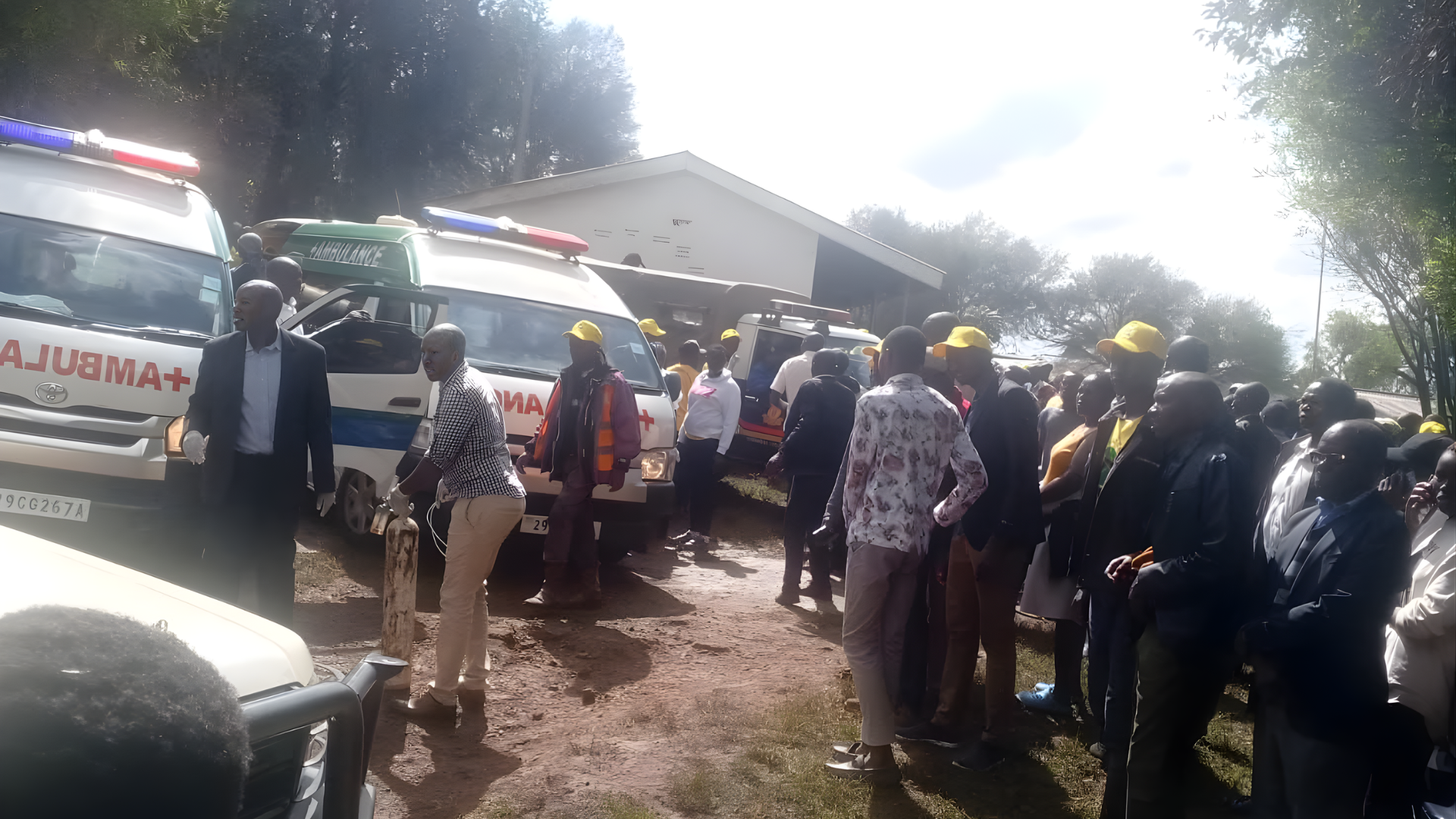
One of Sonko’s most notable contributions to humanitarian work is the establishment of the Sonko Rescue Team, a volunteer-based emergency response unit. The team became a vital lifeline for Nairobi residents, providing support during road accidents, medical emergencies, fires, floods, and other crises. In many instances where government emergency services were overwhelmed or delayed, the Sonko Rescue Team intervened swiftly, transporting victims to hospitals and providing immediate aid.
The success of the rescue team was not just in its responsiveness but in the way it symbolized Sonko’s leadership philosophy: hands-on, compassionate, and proactive. By funding and training volunteers, maintaining rescue vehicles, and coordinating with local authorities, Sonko ensured that ordinary citizens could count on timely assistance during emergencies.
Stories of Impact
Throughout his journey, Sonko has directly impacted thousands of lives through personal interventions. Numerous families have shared stories of how Sonko paid school fees for children who would otherwise have dropped out, assisted patients in clearing hospital bills, and helped low-income families rebuild their homes after disasters. His commitment to the vulnerable extended to youths, whom he supported through skill-development programs, entrepreneurship initiatives, and direct financial aid for business startups.
One remarkable story involved a family whose home had been destroyed in a fire in Kibera, one of Nairobi’s largest informal settlements. While many residents were struggling with government delays and inadequate assistance, Sonko personally funded the reconstruction of their home, ensuring they had a safe place to live within weeks. Stories like these, repeated across Nairobi and beyond, contributed to his image as a leader who genuinely cared about people’s lives.
Leadership Style and Controversies
Sonko’s leadership style has been described as unconventional, blending populist politics with direct philanthropy. He often bypassed formal procedures to respond to citizens’ immediate needs, earning him both admiration and criticism. While supporters praised him for staying connected to the people and putting their needs first, critics argued that his hands-on approach sometimes blurred the line between charity and politics.
Despite controversies surrounding his administration, legal battles, and media scrutiny, Sonko’s humanitarian work remained largely untouched in the eyes of his supporters. His ability to combine political influence with personal generosity made him a unique figure in Kenyan politics, one whose actions were tangible and visible to ordinary citizens.
Legacy and Continuing Influence
Today, Mike Sonko is remembered not only for his political career but also for his long-standing humanitarian contributions. His story reflects the potential of leaders to make a real difference in people’s lives beyond speeches and policies. For many Kenyans, Sonko is more than a politician—he is a symbol of hope, empathy, and service.
The legacy of Mike Sonko lies in the lives he has touched: the children who can attend school, the patients who received medical care, the families who found shelter, and the individuals who were supported during emergencies. His journey demonstrates that leadership is not solely about power or authority but about compassion, action, and a genuine commitment to improving the welfare of those you serve.
Conclusion
Mike Sonko’s life is a testament to the power of empathy in leadership. From humble beginnings in the streets of Nairobi to the highest echelons of county leadership, his journey has been one of transformation, service, and impact. Through philanthropy, emergency services, and direct intervention in people’s lives, Sonko has shown that a leader’s worth can be measured not just by office held but by lives changed. His story inspires future generations of leaders to prioritize humanity, compassion, and service above all else.