 Diana Muthini
Hon. Millicent Omanga: Championing Development, Empowerment, and Inclusive Leadership in Nairobi
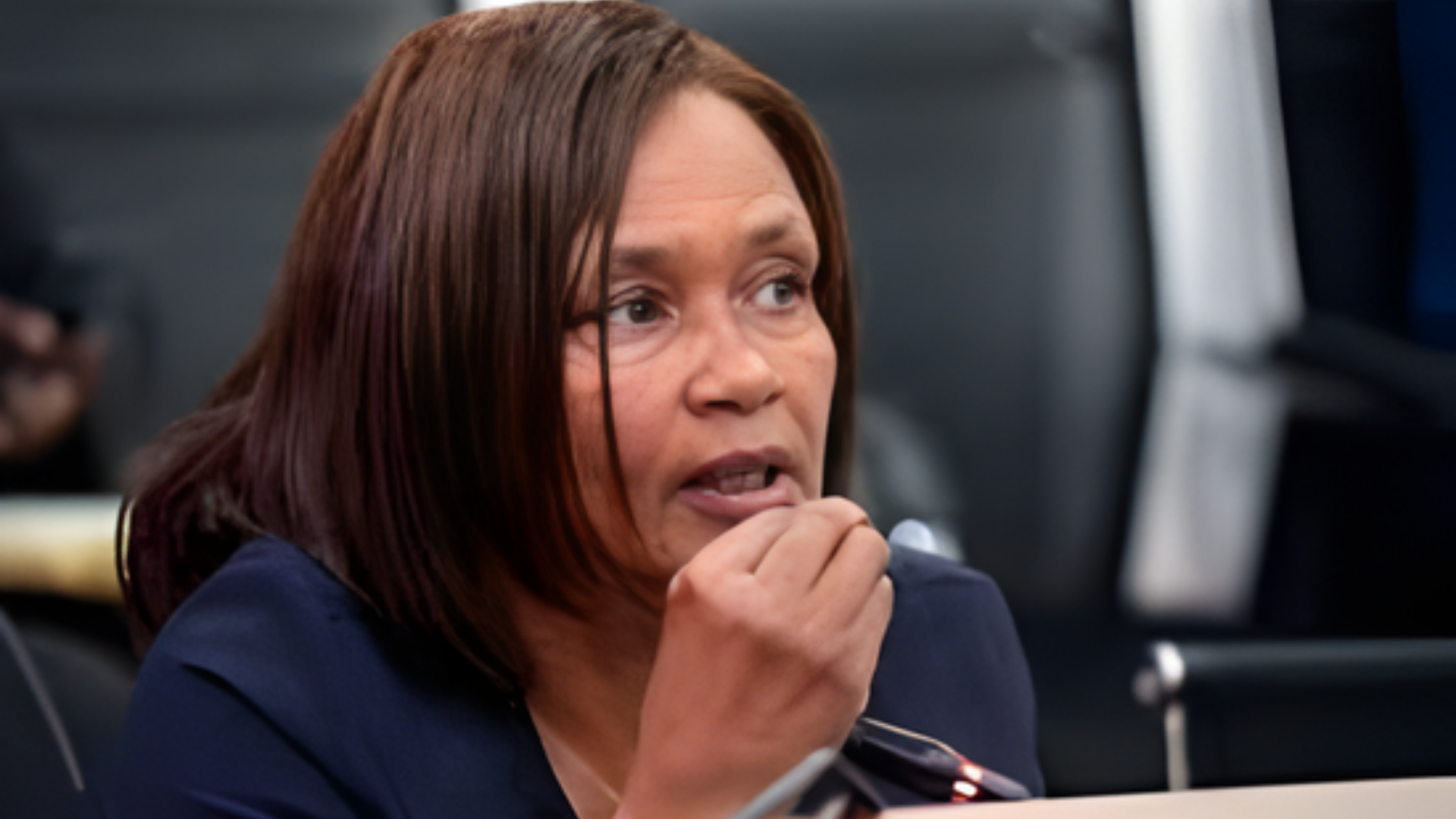
Millicent Omanga, popularly known as Mama Miradi, has emerged as one of the most recognizable political figures in Nairobi. Known for her grassroots development initiatives and strong connection with ordinary citizens, Omanga has built a reputation as a leader focused on service delivery, empowerment, and inclusive development. Her political journey has been defined by a consistent commitment to addressing the needs of the youth, women, and persons with disabilities (PWDs), who form a significant portion of the city’s population but often face barriers to opportunity.
Over the years, Omanga has positioned herself as a leader who believes that real change begins at the community level. Through various outreach programs and social initiatives, she has sought to uplift vulnerable members of society by providing support, mentorship, and opportunities for economic empowerment. Her efforts have particularly focused on girls and single mothers, whom she views as vital pillars of families and communities. By encouraging self-reliance and entrepreneurship, Omanga has promoted the idea that empowering individuals ultimately strengthens the entire society.
One of the key aspects that distinguishes Omanga’s leadership style is her emphasis on practical development projects—initiatives that directly impact the daily lives of Nairobi residents. Her agenda prioritizes essential services such as improved water supply, enhanced security, and better infrastructure within neighborhoods. These initiatives are rooted in the understanding that access to basic services is a fundamental component of social and economic development.
Among her widely recognized initiatives is the “Adopt a Light” program, which aims to improve street lighting across various neighborhoods in Nairobi. The project was designed to address concerns about insecurity and poor visibility in many parts of the city, particularly in residential areas and informal settlements. By encouraging communities and partners to support the installation and maintenance of street lights, the initiative seeks to create safer environments for residents, businesses, and commuters. Better lighting not only enhances security but also encourages economic activity by allowing businesses to operate safely during evening hours.
Omanga’s approach to leadership reflects a belief that sustainable development must be community-driven. Rather than relying solely on top-down solutions, she advocates for programs that involve residents directly in identifying problems and implementing solutions. This participatory approach has enabled her to build strong relationships with grassroots communities and maintain a visible presence among the people she seeks to serve.
Beyond infrastructure and development projects, Omanga has also been vocal about the importance of inclusive governance. She has repeatedly emphasized that the growth of Nairobi must benefit everyone, including marginalized groups who have historically been left out of economic and political opportunities. Her advocacy for persons with disabilities highlights the need for accessible public spaces, employment opportunities, and policies that promote equality and dignity for all citizens.
As Nairobi continues to expand and evolve as one of Africa’s fastest-growing urban centers, the need for visionary leadership remains crucial. Challenges such as rapid urbanization, unemployment, infrastructure strain, and social inequality require leaders who are both innovative and deeply connected to the communities they represent. Omanga believes that addressing these issues requires bold thinking, collaboration, and a strong commitment to service.
Looking ahead to the 2027 political landscape, conversations about the future leadership of Nairobi are gaining momentum. For many supporters, Omanga represents a leader who combines experience, grassroots engagement, and a strong development agenda. Her supporters argue that her track record of community-focused initiatives demonstrates her readiness to play a larger role in shaping the city’s future.
Her vision for Nairobi includes improved infrastructure, stronger community safety programs, expanded economic opportunities for youth and women, and policies that encourage entrepreneurship and innovation. She has consistently highlighted the importance of creating an environment where young people can access jobs, training, and resources that enable them to build sustainable livelihoods.
In addition, Omanga has emphasized the importance of empowering women in leadership and decision-making processes. She believes that women play a crucial role in driving social transformation and that their voices must be represented at all levels of governance. Through mentorship and advocacy, she has sought to inspire more women and young girls to pursue leadership roles and actively participate in shaping their communities.
For many Nairobi residents, the name Mama Miradi symbolizes action, development, and a commitment to tangible results. The nickname reflects the perception that Omanga prioritizes projects that have visible and lasting impacts on communities, rather than focusing solely on political rhetoric.
As the city continues to grow and face new challenges, leaders who prioritize inclusive development, grassroots engagement, and practical solutions may shape the direction of Nairobi’s future. Through her focus on empowerment, infrastructure development, and community-driven initiatives, Millicent Omanga continues to position herself as a leader determined to contribute to the transformation of Nairobi into a city that works for everyone.
Millicent Omanga, popularly known as Mama Miradi, has emerged as one of the most recognizable political figures in Nairobi. Known for her grassroots development initiatives and strong connection with ordinary citizens, Omanga has built a reputation as a leader focused on service delivery, empowerment, and inclusive development. Her political journey has been defined by a consistent commitment to addressing the needs of the youth, women, and persons with disabilities (PWDs), who form a significant portion of the city’s population but often face barriers to opportunity.
Over the years, Omanga has positioned herself as a leader who believes that real change begins at the community level. Through various outreach programs and social initiatives, she has sought to uplift vulnerable members of society by providing support, mentorship, and opportunities for economic empowerment. Her efforts have particularly focused on girls and single mothers, whom she views as vital pillars of families and communities. By encouraging self-reliance and entrepreneurship, Omanga has promoted the idea that empowering individuals ultimately strengthens the entire society.
One of the key aspects that distinguishes Omanga’s leadership style is her emphasis on practical development projects—initiatives that directly impact the daily lives of Nairobi residents. Her agenda prioritizes essential services such as improved water supply, enhanced security, and better infrastructure within neighborhoods. These initiatives are rooted in the understanding that access to basic services is a fundamental component of social and economic development.
Among her widely recognized initiatives is the “Adopt a Light” program, which aims to improve street lighting across various neighborhoods in Nairobi. The project was designed to address concerns about insecurity and poor visibility in many parts of the city, particularly in residential areas and informal settlements. By encouraging communities and partners to support the installation and maintenance of street lights, the initiative seeks to create safer environments for residents, businesses, and commuters. Better lighting not only enhances security but also encourages economic activity by allowing businesses to operate safely during evening hours.
Omanga’s approach to leadership reflects a belief that sustainable development must be community-driven. Rather than relying solely on top-down solutions, she advocates for programs that involve residents directly in identifying problems and implementing solutions. This participatory approach has enabled her to build strong relationships with grassroots communities and maintain a visible presence among the people she seeks to serve.
Beyond infrastructure and development projects, Omanga has also been vocal about the importance of inclusive governance. She has repeatedly emphasized that the growth of Nairobi must benefit everyone, including marginalized groups who have historically been left out of economic and political opportunities. Her advocacy for persons with disabilities highlights the need for accessible public spaces, employment opportunities, and policies that promote equality and dignity for all citizens.
As Nairobi continues to expand and evolve as one of Africa’s fastest-growing urban centers, the need for visionary leadership remains crucial. Challenges such as rapid urbanization, unemployment, infrastructure strain, and social inequality require leaders who are both innovative and deeply connected to the communities they represent. Omanga believes that addressing these issues requires bold thinking, collaboration, and a strong commitment to service.
Looking ahead to the 2027 political landscape, conversations about the future leadership of Nairobi are gaining momentum. For many supporters, Omanga represents a leader who combines experience, grassroots engagement, and a strong development agenda. Her supporters argue that her track record of community-focused initiatives demonstrates her readiness to play a larger role in shaping the city’s future.
Her vision for Nairobi includes improved infrastructure, stronger community safety programs, expanded economic opportunities for youth and women, and policies that encourage entrepreneurship and innovation. She has consistently highlighted the importance of creating an environment where young people can access jobs, training, and resources that enable them to build sustainable livelihoods.
In addition, Omanga has emphasized the importance of empowering women in leadership and decision-making processes. She believes that women play a crucial role in driving social transformation and that their voices must be represented at all levels of governance. Through mentorship and advocacy, she has sought to inspire more women and young girls to pursue leadership roles and actively participate in shaping their communities.
For many Nairobi residents, the name Mama Miradi symbolizes action, development, and a commitment to tangible results. The nickname reflects the perception that Omanga prioritizes projects that have visible and lasting impacts on communities, rather than focusing solely on political rhetoric.
As the city continues to grow and face new challenges, leaders who prioritize inclusive development, grassroots engagement, and practical solutions may shape the direction of Nairobi’s future. Through her focus on empowerment, infrastructure development, and community-driven initiatives, Millicent Omanga continues to position herself as a leader determined to contribute to the transformation of Nairobi into a city that works for everyone.