The Ministry of Health has formally announced a temporary shortage of the Rotavac Frozen rotavirus vaccine, the oral immunisation given to infants at 6, 10 and 14 weeks to protect against severe diarrhoeal disease caused by rotavirus.
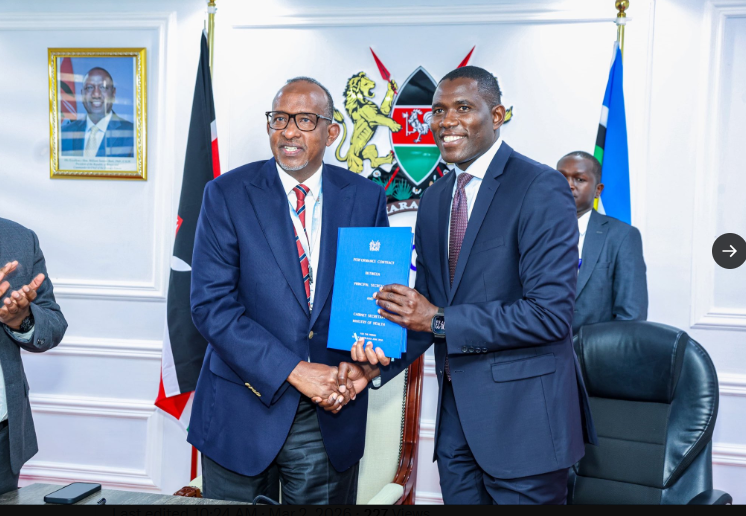
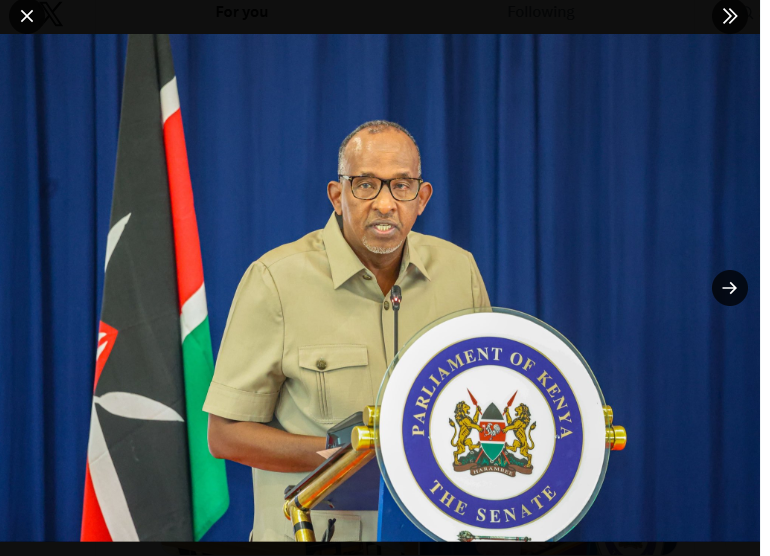
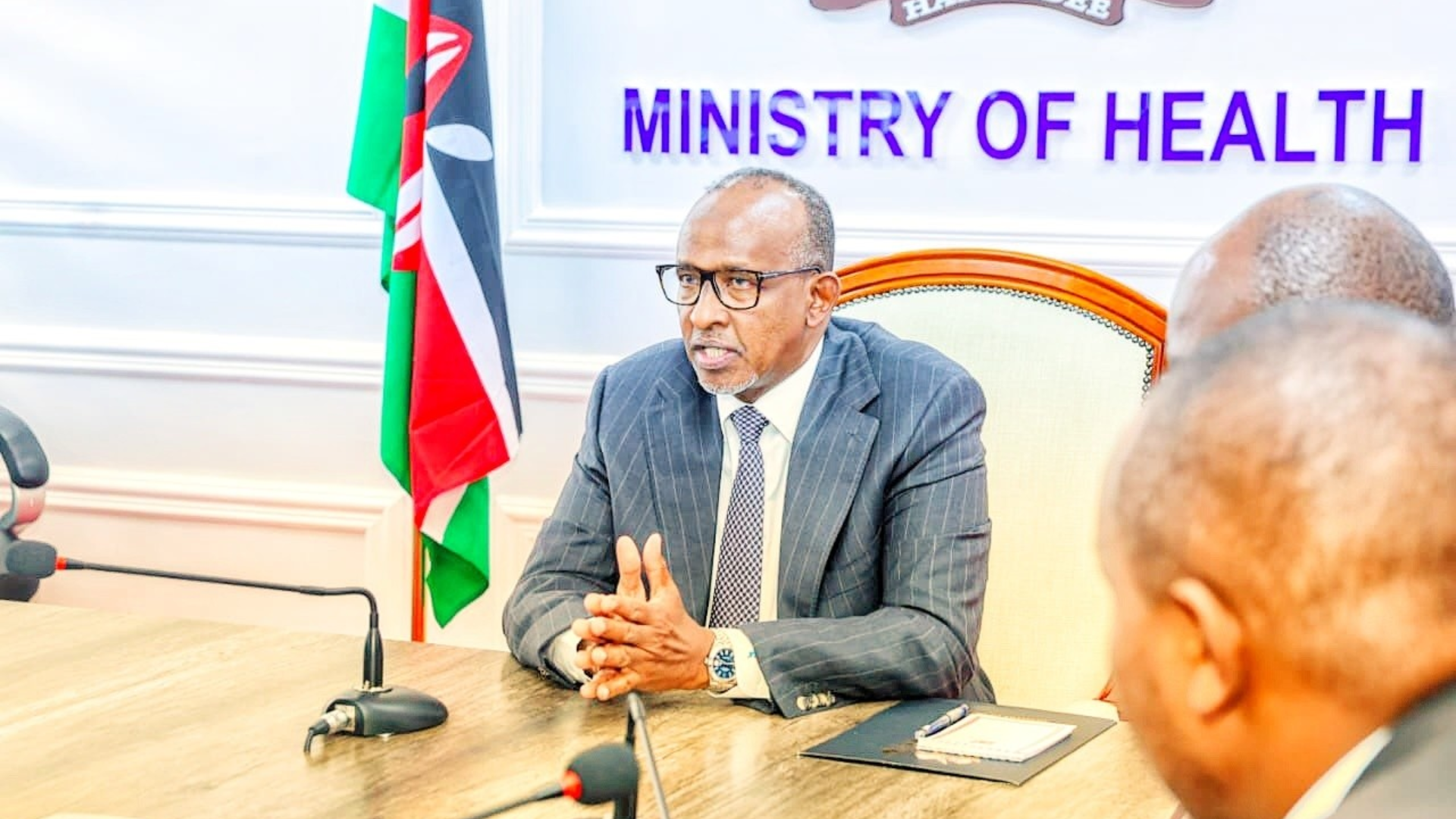
Health Cabinet Secretary Aden Duale made the disclosure during a press briefing at Afya House on March 4, 2026. The CS explained that Kenya has been notified by Bharat Biotech—the Indian manufacturer of Rotavac—that the company is experiencing significant production delays stemming from major facility upgrades and quality-control enhancements at its Hyderabad plant.
“The global supply chain for this critical vaccine is facing a temporary disruption,” Duale said. “Bharat Biotech has assured us that the upgrades are necessary to maintain the highest safety and efficacy standards, but they will unfortunately delay deliveries originally scheduled for the second half of 2026 and into 2027. We are working closely with our partners to mitigate the impact on our immunisation programme.”
Rotavac Frozen is administered as part of Kenya’s routine Expanded Programme on Immunisation (EPI) alongside other childhood vaccines. The two-drop oral vaccine has been instrumental in reducing severe rotavirus gastroenteritis cases, hospitalisations and deaths among children under five. Kenya introduced rotavirus vaccination in 2014 and switched to the frozen formulation of Rotavac in recent years because of its improved cold-chain stability and lower storage requirements compared with earlier versions.
The Ministry estimates that approximately 1.2–1.4 million infants are vaccinated against rotavirus each year. A prolonged shortage could leave hundreds of thousands of newborns unprotected during peak vulnerability periods, potentially reversing gains made in reducing diarrhoeal mortality.
Duale emphasised that the shortage is global and not unique to Kenya. Several other low- and middle-income countries reliant on Bharat Biotech’s supply have reported similar disruptions. “This is not a procurement or distribution failure on our part,” the CS stressed. “It is a manufacturing-side issue affecting multiple nations. We have been assured by Bharat Biotech and Gavi, the Vaccine Alliance, that production will ramp up again once the upgrades are completed, but we must plan for a gap of several months.”
To cushion the impact, the Ministry has activated several contingency measures:
- Extending the shelf life of existing frozen stocks through careful cold-chain monitoring
- Prioritising distribution to counties with historically high rotavirus burden and low coverage rates
- Accelerating catch-up immunisation drives for infants who may miss doses due to stock-outs
- Engaging alternative suppliers and exploring emergency procurement options under Gavi’s supply agreements
The Ministry is also working with UNICEF, WHO and Gavi to secure bridging supplies or fast-track any available batches from other production lines. Duale appealed to parents and caregivers to continue bringing children for scheduled immunisations even if Rotavac is temporarily unavailable at some facilities. “Other vaccines in the schedule—pentavalent, PCV, polio—remain available and must not be missed,” he said. “We will communicate clearly when Rotavac returns to full supply.”
Public health experts have expressed concern about the potential epidemiological consequences. Rotavirus remains one of the leading causes of severe diarrhoea in Kenyan children under five, despite vaccination coverage exceeding 80 percent in most counties. A prolonged supply gap could increase cases during the rainy seasons when diarrhoeal diseases typically surge.
A paediatrician at Kenyatta National Hospital said: “We have seen a steady decline in severe rotavirus admissions since the vaccine was introduced. Any interruption risks undoing that progress, especially in rural areas where access to oral rehydration and timely treatment is still limited.”
The Ministry has promised regular updates on stock levels and alternative strategies. Parents are advised to check with their nearest health facility or the national immunisation helpline for the latest availability information in their area.
The announcement underscores broader challenges in global vaccine supply chains, particularly for manufacturers serving low- and middle-income countries. Bharat Biotech has previously faced production constraints during facility expansions, but the current delay appears more prolonged than earlier interruptions.
Health authorities have urged calm while assuring the public that contingency plans are in place to protect infants during the transition period. The Ministry expects the situation to stabilise once Bharat Biotech resumes full-scale production, with deliveries potentially resuming in late 2026 or early 2027.
Until then, routine immunisation services will continue uninterrupted for other antigens, and health workers have been instructed to prioritise communication with caregivers about the temporary Rotavac constraint.