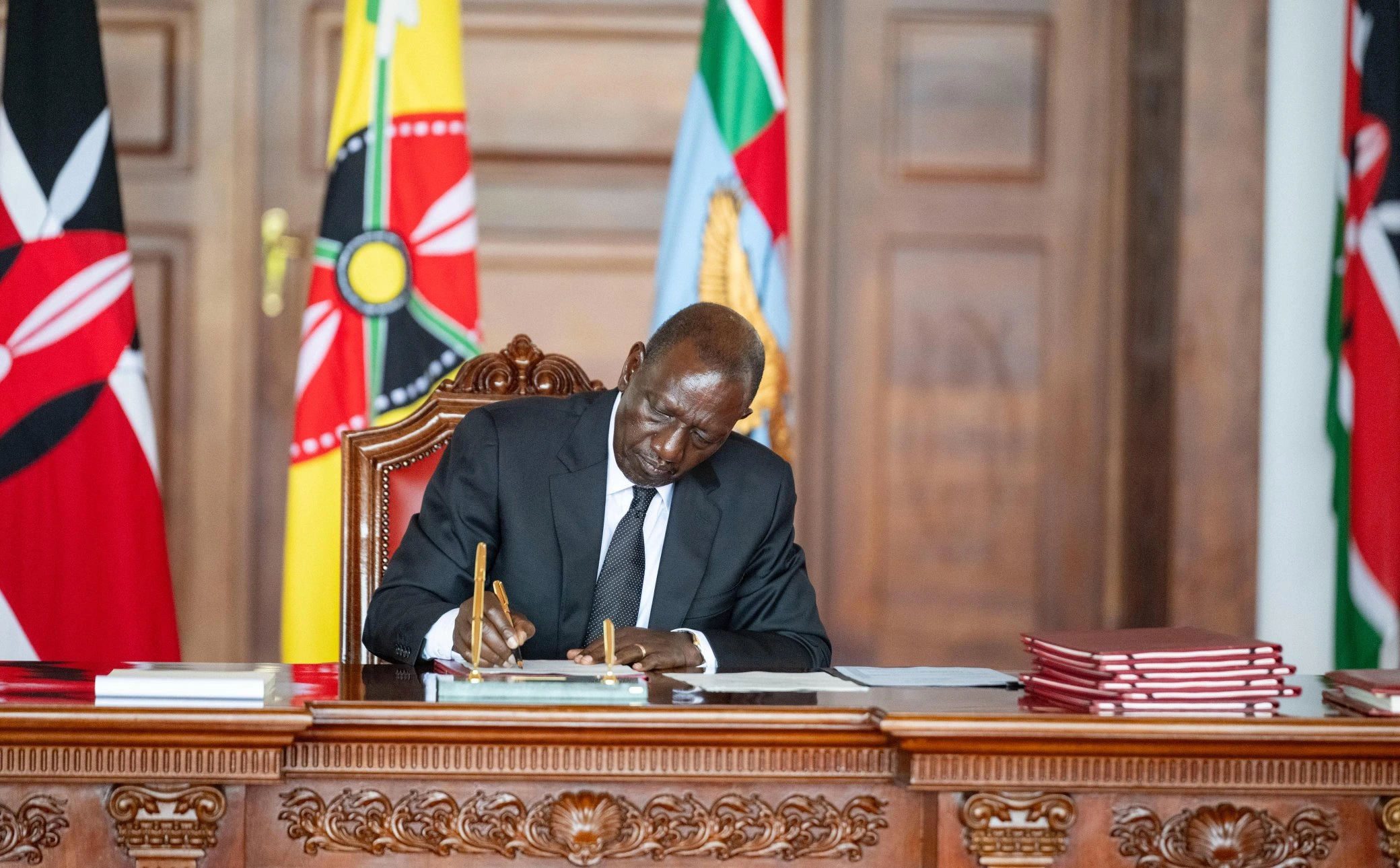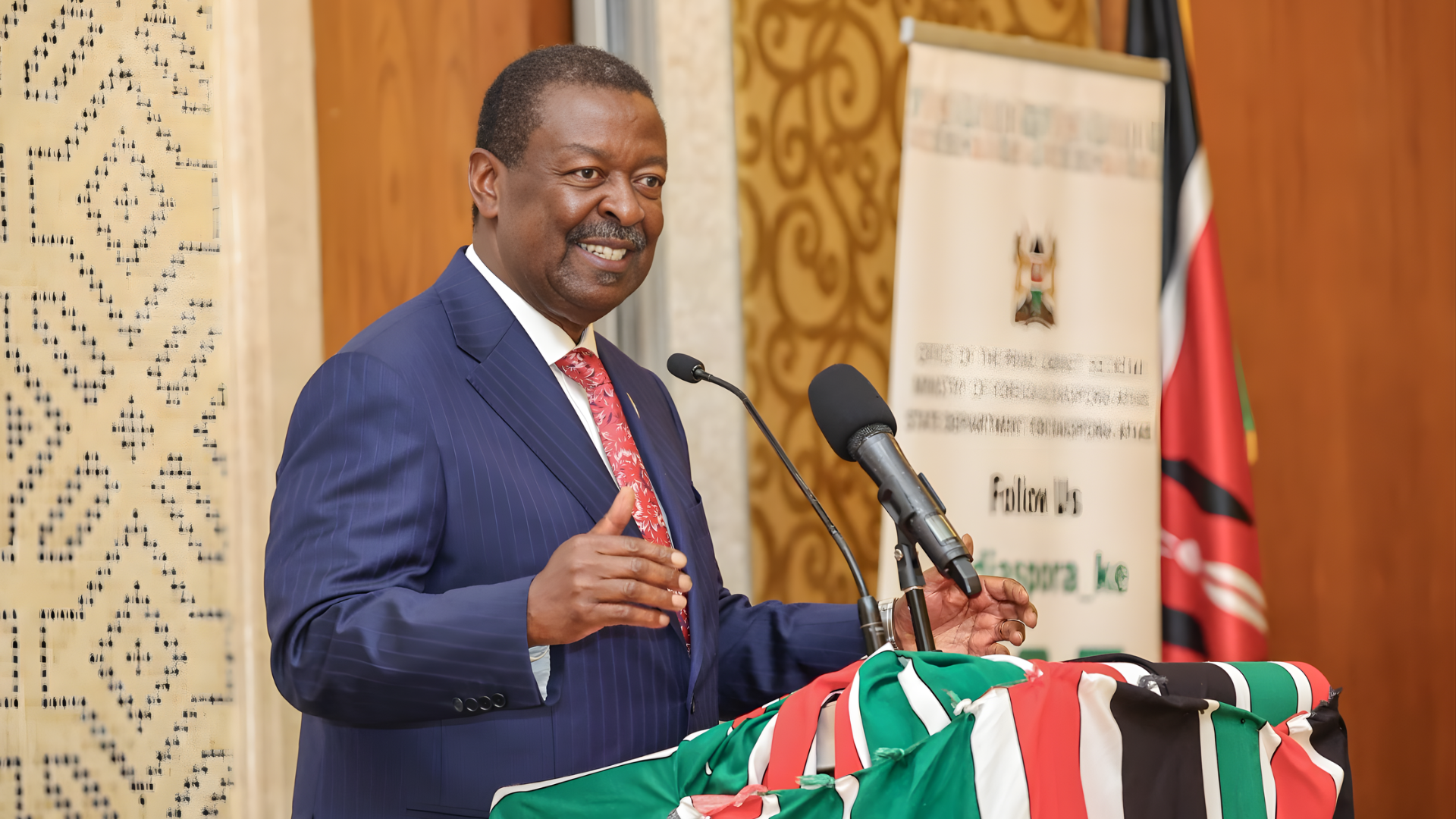
The hallowed chamber of the Kenyan Parliament in Nairobi, where the green upholstered benches have hosted countless debates on sovereignty and self-reliance, witnessed a pivotal moment on the morning of November 17, 2025, as Prime Cabinet Secretary Musalia Mudavadi rose to sponsor a groundbreaking bill aimed at reshaping the employment landscape within international non-governmental organizations. Flanked by a coalition of MPs from across the political divide, Mudavadi presented the Non-Governmental Organizations (Amendment) Bill, 2025, a legislative proposal that seeks to cap foreign workers at one-third of the total staff in international development agencies operating in Kenya, mandating that two-thirds of positions be reserved for Kenyan citizens. "This bill is not about closing doors; it is about opening opportunities for our own people—Kenyans who possess the skills, the passion, and the right to contribute to their nation's development without being overshadowed by expatriates," Mudavadi articulated from the dispatch box, his voice carrying the weight of a statesman who has navigated the corridors of power from foreign affairs to the heart of government. "We must prioritize local talent, requiring irrefutable proof that no qualified Kenyan exists for a role before diplomatic privileges extend to foreigners."
The bill, introduced for first reading amid murmurs of approval from the government benches and cautious nods from the opposition, proposes amendments to the Non-Governmental Organizations Coordination Act of 1990, a framework that has governed over 10,000 registered NGOs contributing Sh200 billion annually to sectors like health, education, and agriculture. Under the new provisions, international NGOs—defined as entities headquartered abroad with development mandates—would be compelled to ensure that no more than 33 percent of their workforce comprises expatriates, with the remaining 67 percent filled by Kenyans holding valid work permits or citizenship. For roles demanding specialized expertise, agencies must submit affidavits to the NGO Coordination Board demonstrating exhaustive local recruitment efforts, including advertisements in national dailies and consultations with professional bodies like the Kenya Medical Practitioners Board or the Institute of Certified Public Accountants. "If a Kenyan engineer, doctor, or agronomist can do the job, they get the job—simple as that," Mudavadi emphasized, projecting slides showing unemployment rates among graduates at 12 percent, a statistic that has fueled youth discontent in urban centers like Kisumu and Mombasa.
Mudavadi's sponsorship, coming in his capacity as Prime Cabinet Secretary and Foreign Affairs minister, aligns with President William Ruto's Bottom-Up Economic Transformation Agenda, which prioritizes Kenyanization of jobs in foreign-funded entities. The bill's genesis traces to a July 2025 cabinet memo highlighting 15,000 expatriates in NGOs earning an average Sh500,000 monthly—often tax-exempt under diplomatic status—while 2 million Kenyan graduates languish in underemployment. "We welcome international aid, but not at the expense of our sovereignty over employment," Mudavadi elaborated during a post-introduction presser in Parliament's media center, surrounded by MPs like Kimani Ichung'wah and Millie Odhiambo. "Proof of unavailable skills means CV databases, job fairs, university partnerships—no more blanket imports of expertise when our own are ready."
The proposal has ignited a firestorm of debate, with NGO leaders decrying potential talent flight and local advocates hailing it as a long-overdue assertion of national priority. At a stakeholder forum in Nairobi's Upper Hill the previous week, World Vision Kenya Country Director Gilbert Adisa voiced concerns: "Capping at one-third risks project delays—specialized roles in refugee camps or arid lands require global experts; forcing locals untrained could compromise aid delivery to 5 million beneficiaries." Yet, Kenya National Union of Teachers Secretary General Collins Oyuu countered at the same event: "Our graduates in public health, environmental science—they're world-class; give them the chance, train them on the job, and watch Kenya lead its own development."
The bill's clauses detail enforcement: annual audits by the NGO Board, fines up to Sh10 million for violations, and revocation of registration for repeat offenders. Diplomatic privileges—tax exemptions, visa fast-tracks—tie exclusively to the one-third cap, with expatriates required to mentor Kenyan understudies for knowledge transfer. "This isn't xenophobia; it's capacity building—every foreigner must leave a Kenyan successor," Mudavadi quipped, drawing chuckles from the press corps. In Kisumu's Kondele market, 28-year-old agronomist graduate Jane Atieno, unemployed for two years despite her Jaramogi Oginga Odinga University degree, expressed hope: "NGOs come with big projects, hire mzungus for Sh1 million—meanwhile, I hawk mandazi. Mudavadi's bill? My resume finally matters."
Opposition from agencies like USAID and Oxfam, employing 3,000 expatriates across 500 projects, centers on niche skills: marine biologists for coastal conservation, epidemiologists for disease outbreaks. "Proof of unavailability must be rigorous—independent panels, not bureaucracy," Adisa urged in a November 16 statement. Proponents, including the Federation of Kenya Employers, project 10,000 new jobs for locals within two years, boosting remittances and skills. "Kenyanization worked in the 1970s civil service; it can work here," Ichung'wah noted during debate.
The bill's path: second reading December 3, public participation via county forums, committee stage by January 2026. Mudavadi's closing: "For Kenya's youth, this is their bill—their jobs, their future." As Parliament adjourned, the proposal pulses: from cap to catalyst, a legislative leap where locals lead, and NGOs nurture national talent.
The bill's 15 clauses: one-third cap, two-thirds Kenyan, affidavits for skills, audits annual, fines Sh10 million. Stakeholder forum: Upper Hill 200 attendees. Adisa's concern: 5 million beneficiaries. Oyuu's counter: world-class graduates. Atieno's hope: resume relevance. USAID Oxfam: 3,000 expats. FKE projection: 10,000 jobs. For Jane: "My degree delivers." In the republic's resolute reform, Mudavadi's measure manifests—a workforce where Kenyans claim their corner, and development dawns domestic.