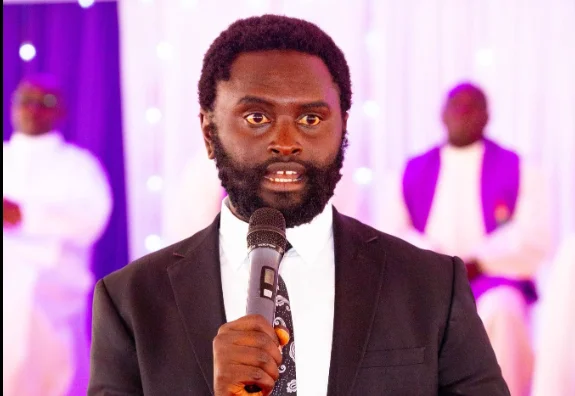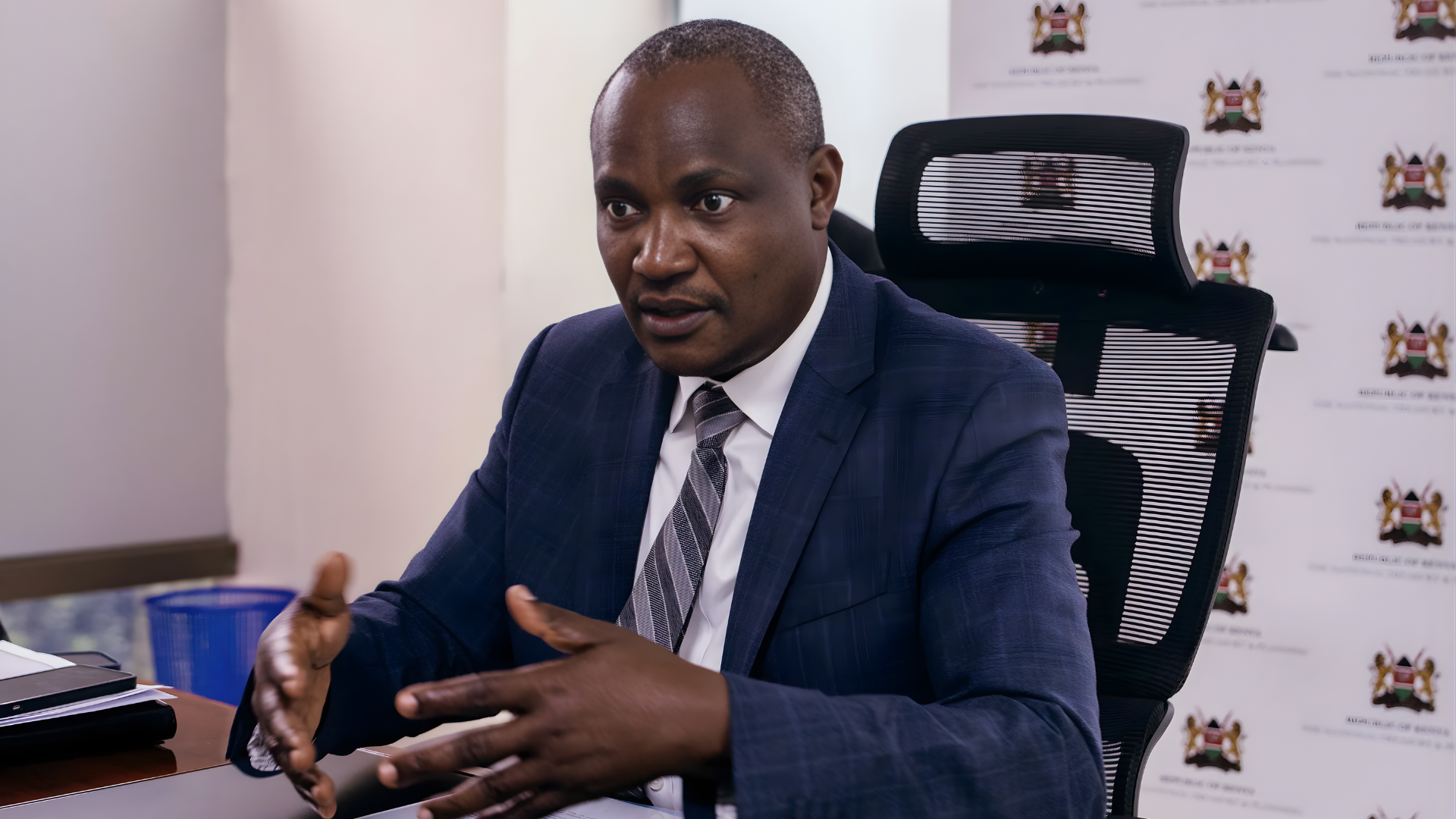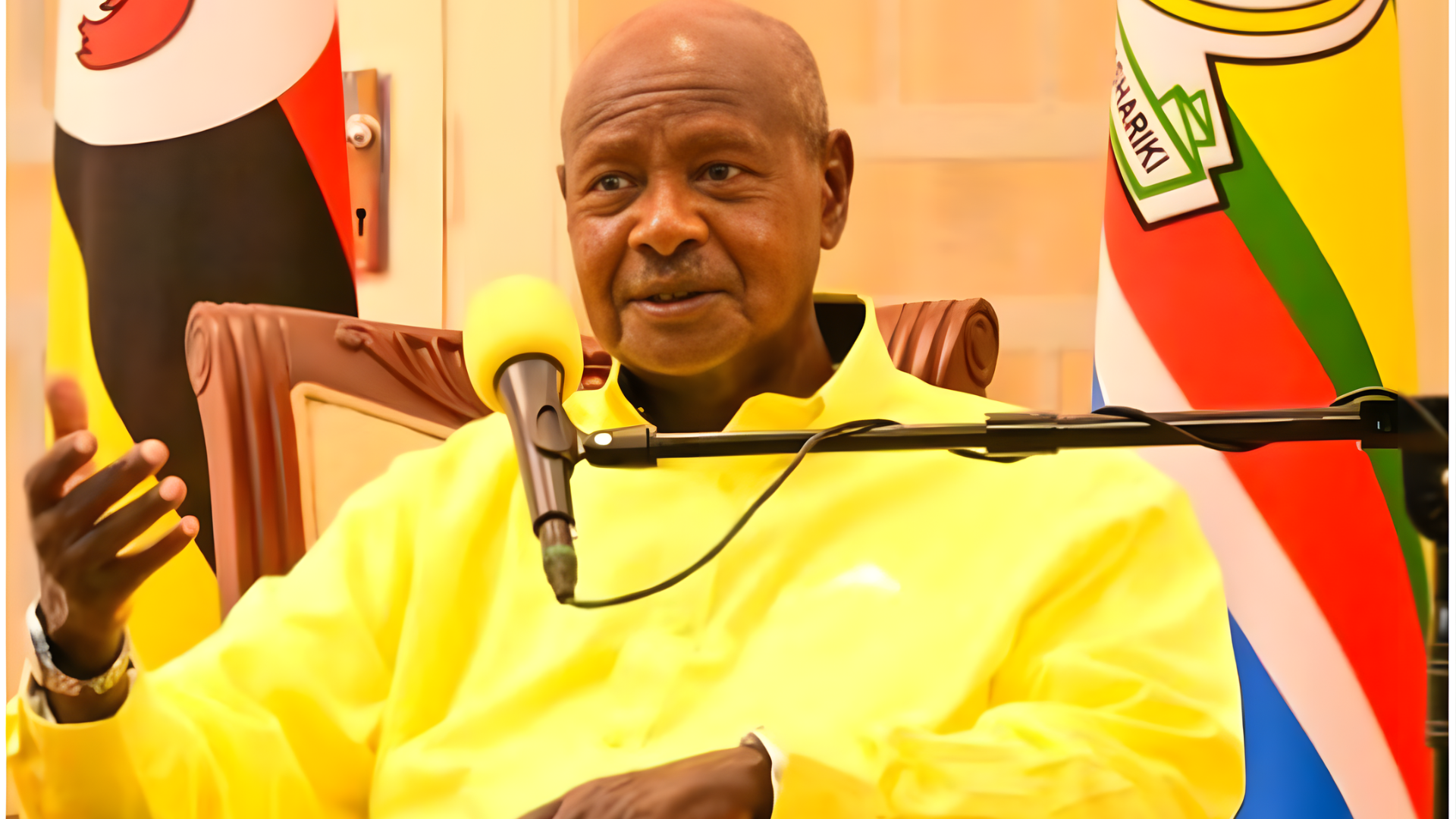
The vast conference halls of the East African Community headquarters in Arusha, where the cool mountain air filters through open windows overlooking the Rift Valley's undulating plains, have long been a crucible for visions of continental unity—a place where leaders from eight nations gather to weave the threads of shared destiny amid the fraying edges of sovereignty. On the afternoon of November 20, 2025, during the 23rd Ordinary Summit of EAC Heads of State, Uganda's President Yoweri Museveni took the podium with the measured cadence of a man who has spent nearly four decades navigating the treacherous waters of African geopolitics. Flanked by his counterparts—Kenya's William Ruto, Tanzania's Samia Suluhu Hassan, Rwanda's Paul Kagame, Burundi's Évariste Ndayishimiye, South Sudan's Salva Kiir, and Somalia's Hassan Sheikh Mohamud—Museveni called for the creation of an East African Federation, complete with a joint military force uniting the region's armed might to safeguard against foreign meddling and forge a bulwark of collective security. "The time for small, divided states is over—we must federate to guarantee our long-term security," Museveni declared, his voice resonant over the assembled delegates, his finger tracing an invisible map on the lectern as if sketching borders that transcend the colonial lines drawn a century ago. "Imagine a unified East African army, our forces from Nairobi to Mogadishu, from Kigali to Juba, standing shoulder to shoulder against threats like the Libya intervention, where outsiders carved up an African nation without a whisper from our continent. This federation is not a dream; it is our duty."
Museveni's address, a 25-minute tour de force that blended historical grievances with pragmatic prescriptions, arrived at a moment of heightened regional anxiety, just weeks after his pointed remarks in a Mbale radio interview where he warned of potential conflicts with Kenya over access to the Indian Ocean through Mombasa port. Those comments, which framed Uganda's landlocked status as a "madness" imposed by irrational borders, had sent ripples through Nairobi and Kampala, prompting Foreign Affairs Principal Secretary Korir Sing'oei to issue a conciliatory statement affirming "eternal brotherhood." Yet, in Arusha, Museveni pivoted from confrontation to confluence, positioning the federation as the antidote to such frictions. "Small states, divided and weak, invite predators—Libya's chaos in 2011, where NATO bombed without African consent, should be our wake-up call," he continued, his eyes scanning the room where Ruto nodded thoughtfully and Kagame's expression remained inscrutable. "A joint military force, pooling our 500,000 troops, our budgets, our arsenals, would give East Africa the strength to respond—not as supplicants, but as sovereigns. No more begging UN peacekeepers for our own soil."
The proposal, fleshed out in a 40-page position paper circulated to heads of state the previous day, envisions a federation encompassing the EAC's eight members—Kenya, Tanzania, Uganda, Rwanda, Somalia, Burundi, South Sudan, and the Democratic Republic of Congo—with a unified command structure headquartered in Arusha. Military integration would begin with joint exercises and shared intelligence on threats like Al-Shabaab incursions in Somalia and M23 rebellions in eastern DRC, evolving into a single East African Defence Force with rotational leadership and a pooled budget of Sh1.5 trillion annually. "Our individual armies are capable but constrained—Kenya's KDF excels in counter-terrorism, Rwanda's RDF in peacekeeping, Uganda's UPDF in rapid deployment," Museveni elaborated, drawing on his own bush war experience that birthed the National Resistance Army in 1986. "Federated, we become formidable—a force that deters intervention like Libya, where Gaddafi fell and chaos followed because Africa had no unified fist to raise."
The call resonates amid a region scarred by external meddling and internal strife. Libya's 2011 NATO intervention, which toppled Muammar Gaddafi and unleashed a decade of militia wars that displaced 1.3 million and fueled Sahel insurgencies, stands as Museveni's cautionary parable. "Foreign powers act with impunity because we are fragmented—divided states cannot guarantee security," he argued, his words a subtle rebuke to the AU's 2024 failure to deploy a 5,000-strong force to eastern DRC amid M23 advances backed by Rwandan proxies. The federation would extend beyond military might to economic and political pillars: a single currency by 2035, harmonized trade tariffs, and a rotating presidency to mitigate dominance fears. "Stability through strength—our joint force protects borders, economies, futures," Museveni concluded, his applause sustained as the summit adjourned for bilateral huddles.
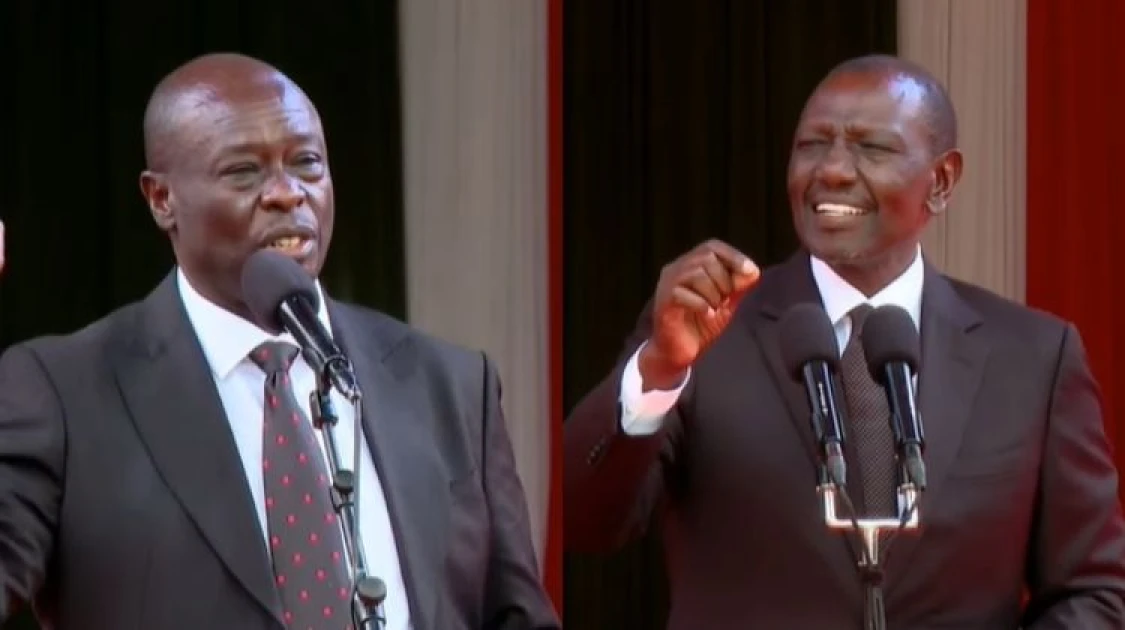
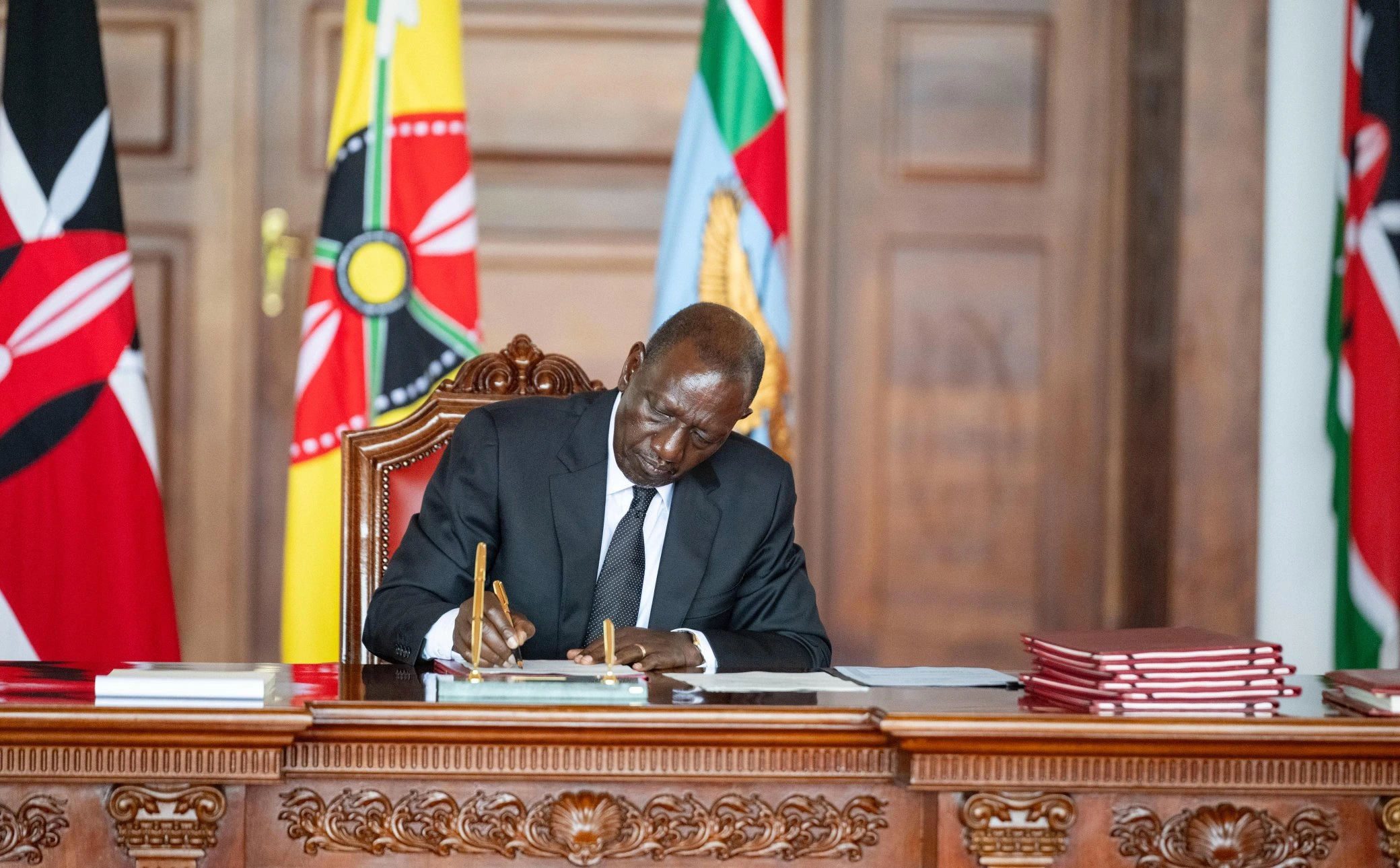
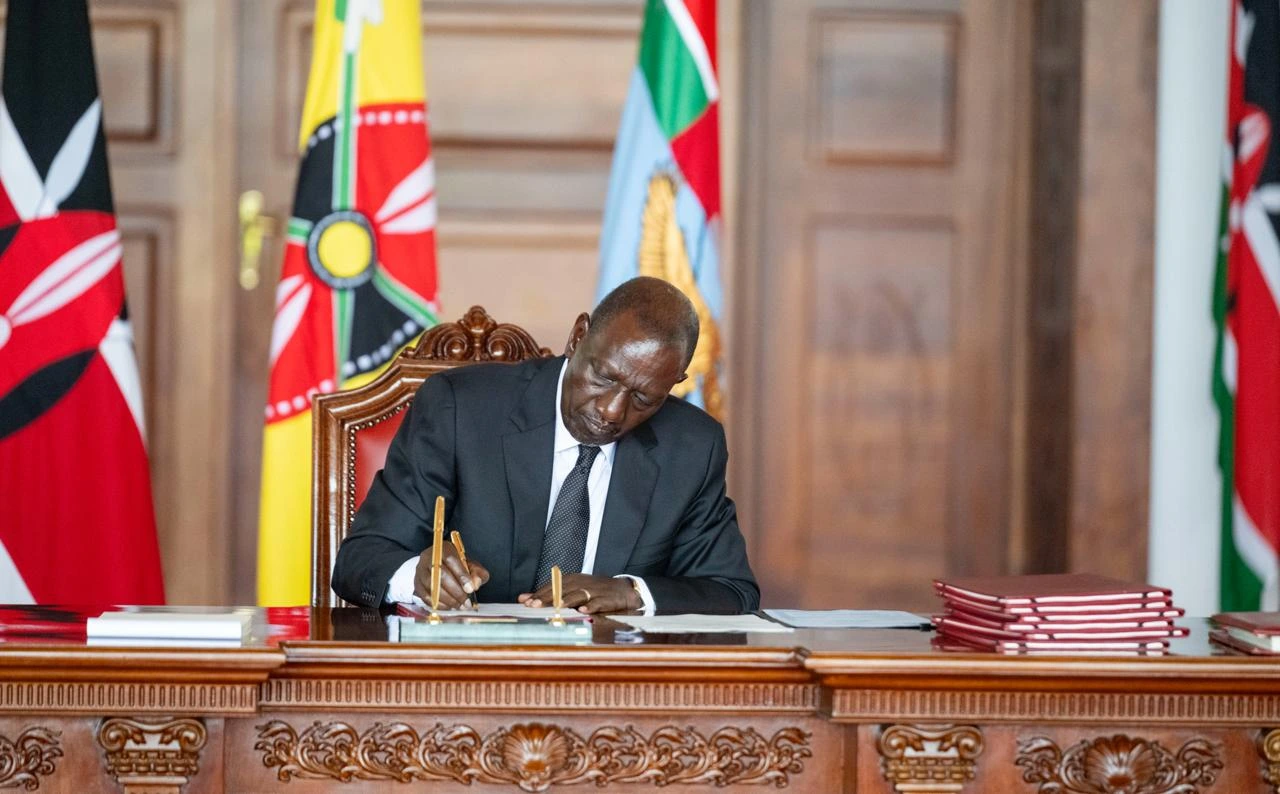
Ruto, Kenya's host at the previous year's summit, responded with measured enthusiasm. "President Museveni's vision is bold and necessary—East Africa's security is indivisible, from Somalia's coasts to Congo's forests," Ruto stated in a post-summit presser, his handshake with Museveni a visual of reconciliation after the October port access spat. "Kenya supports federation, but with safeguards—equitable command, no big brother dominance." Kagame, Rwanda's steely tactician whose RDF has deployed 2,000 troops to Mozambique, was more reserved: "Unity yes, but sovereignty first—joint force must respect national chains of command." Suluhu Hassan, Tanzania's consensus-builder, echoed: "Our fathers dreamed of federation; Museveni's blueprint brings it closer—peace through pooled power." Kiir of South Sudan, whose nation joined EAC in 2016 amid civil war scars, added gravitas: "South Sudan knows division's cost—federation heals what war wounds." Ndayishimiye of Burundi and Mohamud of Somalia, both grappling with insurgencies, pledged support, while DRC's Félix Tshisekedi, virtual from Kinshasa, urged inclusion: "Eastern Congo burns; your force could quench it."
Museveni's advocacy, rooted in his 1989 vision for a pan-African army, gains traction amid 2025's crises: Somalia's Al-Shabaab claiming 200 lives in Puntland, DRC's M23 displacing 500,000 in Goma, Burundi's refugee flows to Tanzania. The EAC's 2024 security architecture, with its Joint Operations for Peace and Security, has conducted 15 exercises but lacks binding force. "Small states can't deter—federation can," Museveni pressed, his paper proposing a 100,000-strong brigade with air and naval components, funded by 2 percent GDP contributions totaling Sh1.5 trillion.
Implementation roadmaps: feasibility study by June 2026, treaty ratification 2027, operational force 2030. Challenges loom: Kenya's military dominance (KDF 100,000 strong), Rwanda's interventionism, Somalia's fragility. "Equity in command—rotating general, shared bases," Museveni proposed. Ruto's safeguards: "No hegemony—consensus on deployments."
For East Africans, the federation evokes hope and hesitation. In Kampala's Owino Market, trader John Okello: "Museveni's right—Al-Shabaab doesn't respect borders; a joint army might." In Nairobi's Kibera, youth activist Sarah Chebet: "Unity good, but DRC's minerals—who controls?" In Kigali's coffee shops, student Jean-Pierre Nkurunziza: "Rwanda leads peace; federation amplifies."
As Arusha's summit sun sets, Museveni's call endures: federation's forge where divided states unite, a military mosaic mending Africa's map.
The paper's 40 pages: joint force 100,000, 2% GDP Sh1.5 trillion. Exercises: 15 JOPS. Libya 2011: 1.3 million displaced. M23 2025: 500,000 Goma. Okello's Owino: "Joint army might." Chebet's Kibera: "Who controls minerals?" Nkurunziza's Kigali: "Rwanda amplifies." In the EAC's evolving epic, Museveni's manifesto manifests—a federation's flame where security sings symphony, and East Africa endures empowered.