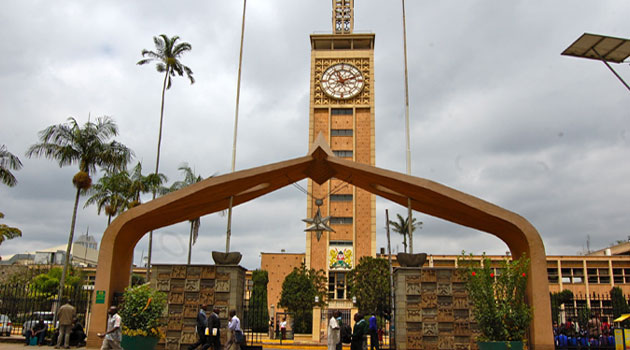
The bustling corridors of Nairobi City Hall, where the air carries the faint echo of public complaints and the clatter of filing cabinets in overworked departments, have long been a microcosm of the county's administrative churn—a place where ambitions rise and fall with the stroke of a governor's pen. On the afternoon of November 18, 2025, as the sun cast long shadows across the building's faded colonial facade, word spread like wildfire through the ranks of county employees: Geoffrey Omatoke Mosiria, the no-nonsense Chief Officer for Environment whose viral videos exposing filthy street food kiosks had made him both hero and villain in the public eye, had been quietly reassigned to the Department of Public Participation, Citizen Engagement, and Customer Service. The move, announced in a terse internal memo from Governor Johnson Sakaja's office dated November 17, replaced Mosiria in his high-profile environmental role with a lesser-known figure, prompting a swift wave of speculation among staffers and residents alike. Was this a demotion for the outspoken officer who had ruffled feathers in the business community, or a calculated reshuffle to harness his skills in a department starved for effective communication? "Geoffrey's transfer is a recognition of his unique ability to connect with the public—his time in environment was exemplary, but citizen engagement needs his voice now more than ever," Sakaja stated during a brief media scrum outside City Hall, his words a diplomatic deflection amid the murmurs of discontent rippling through the building's lower floors.
Mosiria's tenure as Chief Officer for Environment, beginning in August 2024 after a reshuffle that saw him move from the Health docket, had been nothing short of a spectacle—a whirlwind of unannounced inspections, social media exposés, and confrontations that positioned him as Sakaja's enforcer in the war on urban filth. At 42, with a master's in business administration from the University of Nairobi and a background in hospital administration at facilities like Pumwani Maternity and Mama Lucy Kibaki, Mosiria brought a clinical precision to his role, transforming environmental oversight into a viral crusade. His August 16, 2024, raid on a Gikomba street food kiosk, captured in a stomach-turning video of maggot-infested meat and rodent droppings that amassed 2.5 million views on X, had catapulted him to national notoriety. "I exposed the dirty truth behind the snacks we feed our children—smochas cooked in filth, kebabs marinated in disease," Mosiria had said in the clip, his face set in grim determination as he donned gloves to sift through the squalor, his words a rallying cry that led to 30 arrests and a citywide sanitation sweep. By September, his operations had netted 200 vendors, closed 50 kiosks, and sparked a public health awareness campaign that reduced foodborne illness reports by 15 percent in Eastlands.
Yet, Mosiria's zeal had not come without cost. His hands-on approach drew ire from powerful interests: a September 14, 2024, tree-felling raid in Parklands sparked contempt of court charges when he defied a conservatory order on Jalaram Road developments, landing him in Milimani Magistrate's Court where petitioners from the Parklands Residents Association accused him of "vigilante overreach." "Geoffrey's inspections save lives, but they step on toes—developers, vendors, even some in county procurement," reflected a former colleague over chai in the City Hall canteen, the steam from his cup curling like the tensions that had simmered since Sakaja's August 5 reshuffle. That memo, which shuffled 12 chief officers including Mosiria's move to environment from health, had been hailed as "renewal," but whispers of favoritism lingered, with critics pointing to allies like Boniface Nyamu's promotion to mobility. Mosiria's environmental stint, marked by 19 operations by October 2024 that cleared 150 tons of garbage and fined 120 offenders Sh1.2 million, had endeared him to residents but alienated business lobbies like the Kenya Association of Manufacturers, who decried "overregulation" in a November 10 letter to Sakaja.
The reassignment to Public Participation, Citizen Engagement, and Customer Service—a department often derided as the "complaints graveyard" for its role in handling public grievances without teeth—has fueled perceptions of demotion among county insiders and observers. The new role, previously held by Zipporah Mwangi before her shift to housing, oversees feedback mechanisms, town halls, and service delivery metrics, a far cry from the frontline enforcement of environmental raids. "From busting rat-infested kiosks to answering customer complaints? That's not promotion; it's punishment," quipped a City Hall clerk anonymously during a November 19 tea break, his words echoing in WhatsApp groups with 500 members buzzing with speculation. Sakaja, in his post-reshuffle defense, painted it as strategic synergy: "Geoffrey's public-facing style—direct, unfiltered—fits perfectly in citizen engagement; he will amplify voices, not just enforce rules." Yet, the optics sting: Mosiria's X account, with 150,000 followers, had amassed 1.2 million engagements on environmental exposés; the new department's Twitter, dormant since 2023, has 5,000 followers.
Mosiria himself, reached at his new office in the City Hall annex where stacks of citizen petitions awaited sorting, struck a note of philosophical acceptance. "Public service is about where you're needed, not where you're celebrated—from health facilities to environment, now engagement—each chapter builds the book," he said, his tone measured as he reviewed a file on a recent water billing dispute in Embakasi. "In environment, I cleaned streets; here, I'll clean systems—listening to complaints, turning feedback into fixes. Demotion? No—deployment." His optimism, however, masks the personal toll: a 20 percent pay cut from Sh450,000 to Sh360,000 monthly, a smaller office overlooking a parking lot instead of City Hall's views, and the loss of a department vehicle for his signature raids. "The raids were adrenaline—now, it's advocacy, but I'll make it roar," he added, his laugh a defiant spark amid the paperwork.
The reshuffle, part of Sakaja's broader August 5, 2024, cabinet and executive shake-up that moved 12 chief officers and four executive committee members, has been defended as "talent optimization" but criticized as cronyism. Maureen Njeri's shift from business to green Nairobi, Ibrahim Nyangoya's to mobility, and Boniface Nyamu's to business—all Sakaja allies—raised eyebrows, with opposition MCAs like Embakasi East's Mark Mbui accusing "reward for loyalty over competence." Mosiria's move, coming after his September 2024 tree-felling defiance in Parklands that landed contempt charges (later withdrawn in October), has fueled narratives of retaliation. "Geoffrey spoke truth to developers; now, he's shuffled to silence," Mbui tweeted on November 19, his post garnering 8,000 likes. Sakaja, at a November 20 county assembly session: "Reshuffles refresh—Mosiria's skills in public health and environment make him ideal for engagement; he connects people to power."
For Nairobi's residents, Mosiria's transfer evokes mixed emotions. In Gikomba's alleyways, where his raids had cleared 20 tons of waste by October 2024, vendor Amina Hassan: "Geoffrey's videos scared us straight—now, who's the watchdog?" In Embakasi's customer service queues, where complaints about potholed roads and uncollected garbage pile up, retiree John Mwangi: "If Mosiria's the voice, maybe my billing dispute gets heard." The department, with a Sh500 million budget for town halls and feedback apps, has been understaffed since 2023, logging 15,000 unresolved grievances yearly. "Engagement without enforcement is echo—Mosiria's fire could ignite it," said county executive Patrick Karani.
Mosiria's journey, from Pumwani Maternity administrator installing 128-slice CT scanners at Mama Lucy Kibaki to environment chief nabbing 30 public urinators in August 2024, embodies Sakaja's "hustler" ethos. "I started in hospitals saving lives; environment cleaned streets; now, engagement cleans systems," Mosiria reflected, his new desk piled with petitions. Critics persist: "From raids to reports—demotion by design," a Gikomba trader whispered. Sakaja's defense: "Geoffrey's gift is galvanizing—citizen service needs his spark."
As November's rains soften Nairobi's streets, Mosiria's reshuffle resonates: from enforcer to engager, a county calculus where roles redefine resilience, and one officer's pivot powers public progress.
The August 5 reshuffle: 12 COs moved, 4 CECs. Mosiria's CT scanners: Mama Lucy 128-slice. Parklands contempt: withdrawn October. Gikomba waste: 20 tons. Mbui's tweet: 8,000 likes. Karani's Sh500 million: town halls. For Amina: "Who's watchdog?" Mwangi's dispute: heard. In the city's ceaseless churn, the transfer transforms—a chief's chapter where environment echoes in engagement, and Sakaja's strategy sustains.