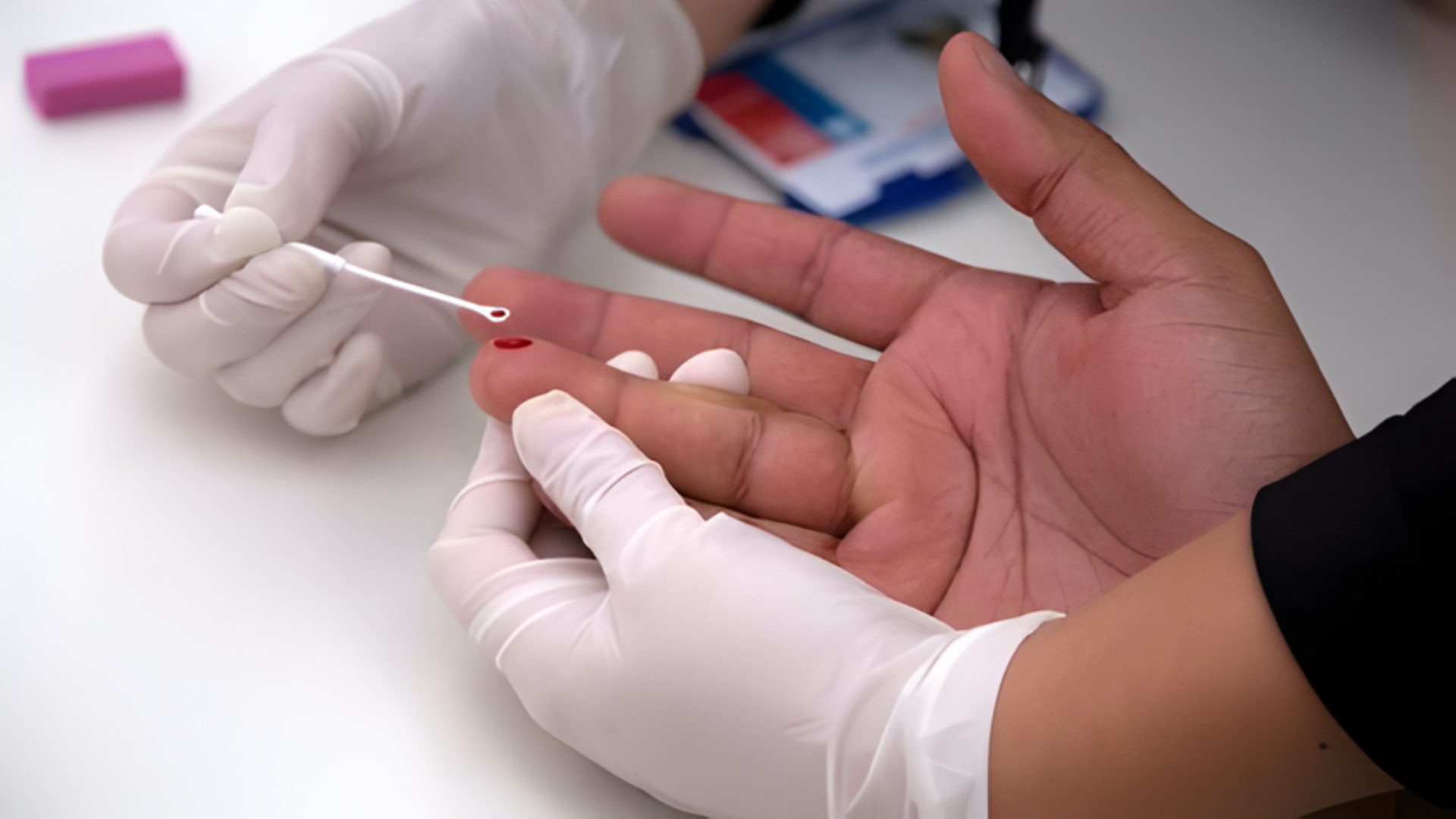
Nairobi County has recorded 3,124 new HIV infections in the past year, making it the highest-burden county as Kenya grapples with 19,847 new cases nationwide, the majority among young people aged 15 to 34.
The figures, contained in the Kenya HIV Estimates Report 2025 report launched by the National AIDS Control Council on November 30, 2025, at a Nairobi hotel, show that adolescents and youth continue to bear the heaviest burden, accounting for 68 percent of all new infections.
Acting NACC Chief Executive Officer Ruth Masha told journalists that Nairobi’s urban density, high population mobility, and concentration of key populations have sustained transmission rates. “Of the 3,124 new cases in Nairobi, 1,987 were among individuals aged 15 to 34,” Masha said. “This translates to an average of eight new infections every single day in the capital alone.”
Nationwide, the 13,495 of the 19,847 new infections occurred in the 15–34 age bracket, a trend that has persisted despite increased access to prevention tools and antiretroviral therapy.
Health Cabinet Secretary Nakhumicha S Wafula admitted the numbers are worrying. “We have made tremendous progress—new infections have dropped 78 percent since 2013—but the youth bulge is reversing gains,” she said during the launch. “If we do not urgently address the social and structural drivers affecting young people, we risk losing an entire generation.”
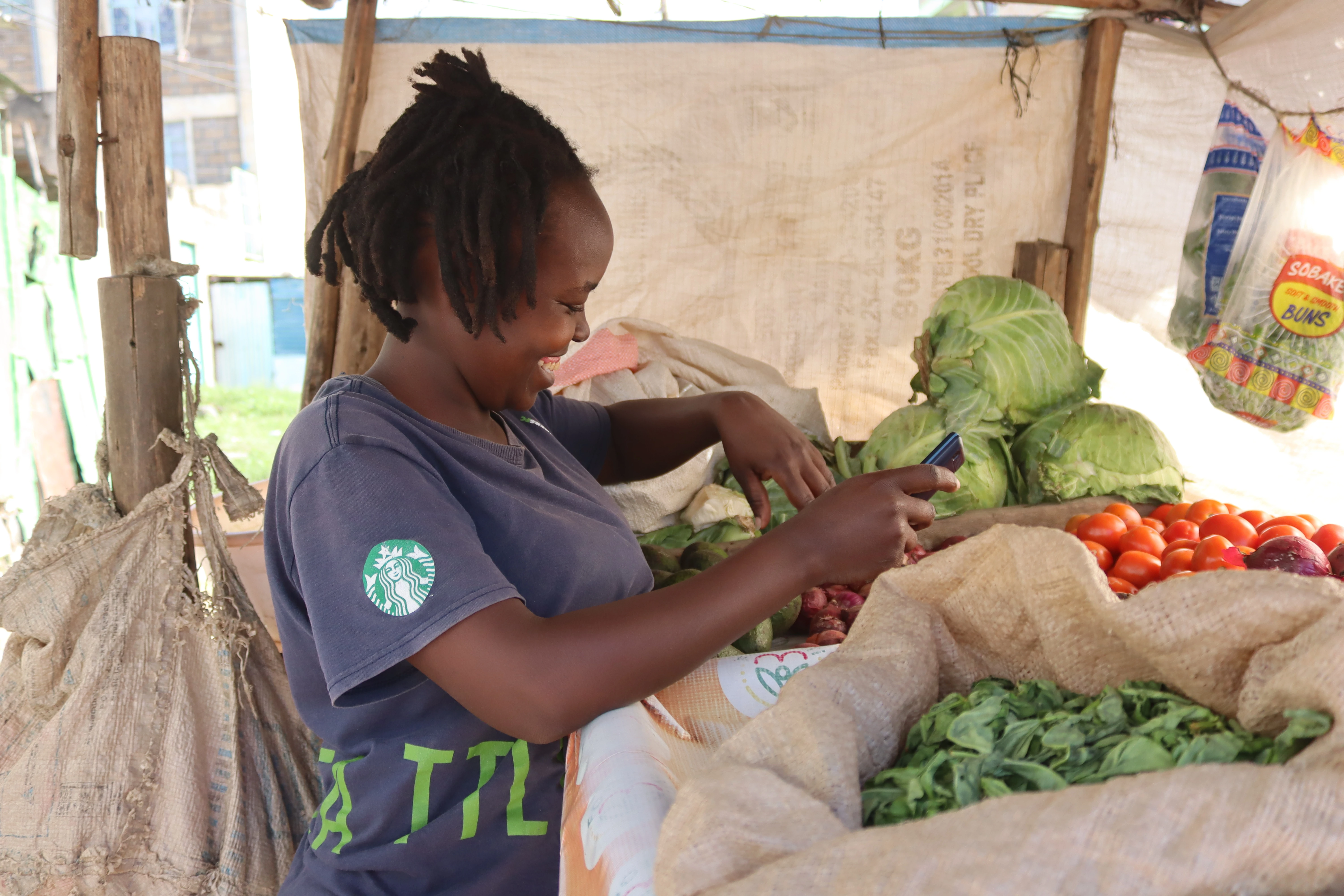
In Nairobi’s informal settlements, community health promoters painted a grim picture. At a drop-in centre in Mathare, 28-year-old peer educator Mercy Akinyi said most new cases involve young women in transactional relationships. “Many girls here drop out of school and depend on older men for rent and food,” Akinyi said. “When we test them, some are as young as 16 and already positive. They tell us the men refuse condoms because ‘it doesn’t feel the same’.”
Similar stories emerged in Embakasi East, Dandora, and Kawangware, where weekly testing drives regularly identify 30 to 40 new infections among youth.
The report also revealed that 42 percent of new infections in Nairobi occurred among key populations and their partners, including men who have sex with men, sex workers, and people who inject drugs. At the SWOP clinic in Majengo, coordinator Paul Wanyonyi said stigma remains a major barrier. “Many young gay men only test when they are already very sick,” Wanyonyi said. “They fear discrimination at public facilities, so they delay until it’s late.”
Despite the availability of free condoms, PrEP, and self-testing kits, uptake among youth remains low. A spot check at the University of Nairobi’s student clinic showed only 180 students had initiated PrEP in the past year out of over 45,000 enrolled.
Dr Patrick Mburugu, an infectious disease specialist at Kenyatta National Hospital, attributed the surge to complacency. “The message that HIV is now manageable with treatment has been misinterpreted as ‘HIV is no longer dangerous’,” Mburugu said. “Young people engage in risky behaviour thinking they can just start pills later, not realising the long-term damage to their health.”
The report further noted that 11 of Kenya’s 47 counties accounted for 62 percent of new infections, with Nairobi, Kisumu, Homa Bay, Siaya, Migori, Kisii, Kakamega, Mombasa, Nakuru, Kiambu, and Machakos leading.
In Kisumu County, which recorded 1,987 new cases, County AIDS Coordinator Dr Caren Onyango said boda boda operators and fishmongers along the beaches remain high-risk groups. “Mobility and multiple concurrent partnerships drive transmission,” Onyango said.
The National Syndemic Diseases Control Council has rolled out a new campaign dubbed “Uko Sure?” targeting youth on digital platforms, with short videos on TikTok, Instagram, and WhatsApp groups. Early data shows over 12 million impressions in the first month, but conversion to actual testing remains below 5 percent.
First Lady Rachel Ruto, who attended the launch, urged parents to talk openly about sexual health. “We cannot leave this conversation to schools and peers alone,” she said. “As mothers and fathers, we must guide our children so they make informed choices.”
The government has allocated Sh4.8 billion for HIV prevention in the 2025/26 financial year, with Sh1.2 billion earmarked for youth-focused interventions, including expansion of youth-friendly clinics and condom distribution in colleges.
Activists, however, say funding gaps persist. Kenya Network of People Living with HIV coordinator Nelson Otwoma called for increased domestic financing. “We still rely heavily on donors,” Otwoma said. “If funding dips, the gains we have made will evaporate overnight.”
As World AIDS Day approaches on December 1, health officials are calling for renewed commitment. “We know what works—condoms, PrEP, testing, treatment as prevention,” Dr Masha said. “What we need now is the political will and community action to reach every young Kenyan before it is too late.”