 Faith Masita
A section of Nairobi Members of Parliament have come out to endorse the newly signed cooperation agreement between the National Government and the Nairobi City County Government, terming it a constitutional framework for collaboration rather than a transfer of devolved functions.
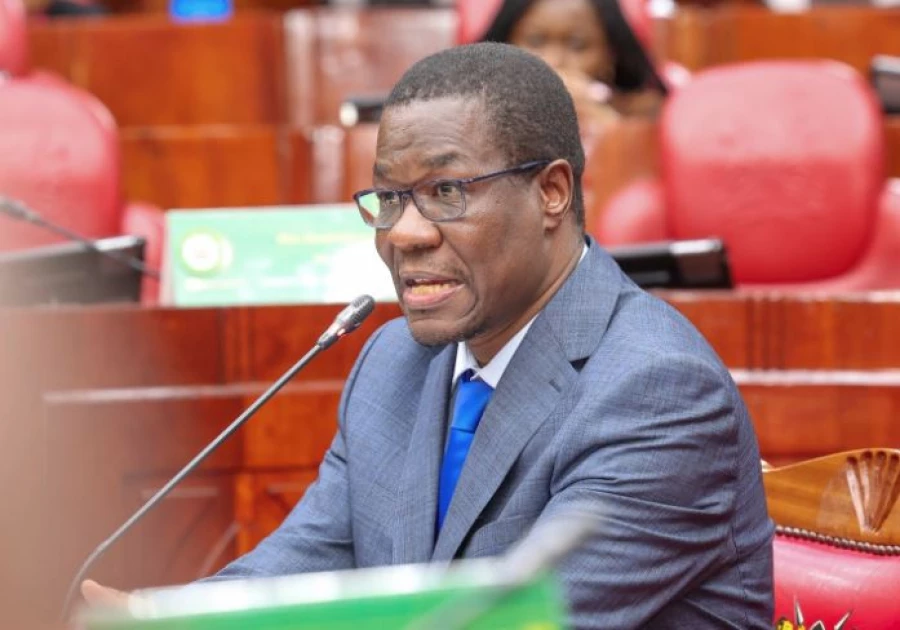
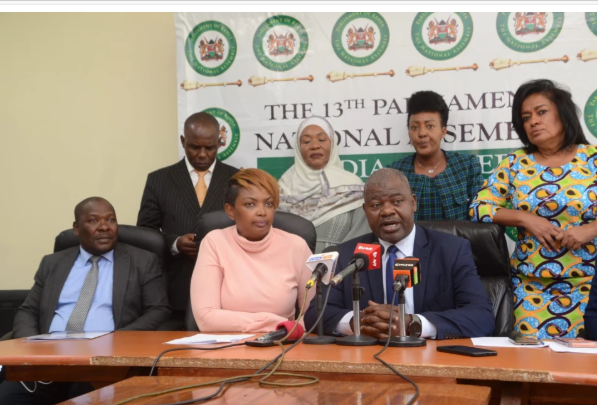
Addressing journalists on Thursday, MPs led by T. J. Kajwang and flanked by Esther Passaris, Felix Odiwuor (Jalang’o), Peter Orero, Senator Tabitha Mutinda and Karen Nyamu robustly dismissed claims that the pact undermines devolution. They clarified the deal does not trigger Article 187 of the Constitution, which governs the transfer of functions between levels of government. Instead, they said, it is rooted in Article 189 and the Urban Areas and Cities Act, legal provisions that allow structured intergovernmental collaboration where responsibilities overlap.
“This is not a transfer of functions,” Kajwang said. “Nairobi’s status as the capital demands coordinated governance beyond ordinary county operations.”
The lawmakers argued that the pact’s focus is squarely on practical service delivery from solid waste management, roads and street lighting to housing support, water and sanitation, and environmental rehabilitation across all 17 sub-counties. They also stressed that existing oversight mechanisms including parliamentary scrutiny, audits by the Auditor-General and public participation requirements will continue to apply.
But critics are not convinced.
Across the political divide, Nairobi Senator Edwin Sifuna has blasted the deal as a “back-door power grab”, arguing its structure and the composition of its steering committee effectively place the Nairobi Governor under national government control. He has urged President William Ruto and Governor Johnson Sakaja to shelve the agreement and fully comply with constitutional processes including public participation and consultation with county leaders a move he says was bypassed.
Meanwhile, Embakasi East MP Babu Owino has labelled the arrangement a “hostile takeover” of devolved functions, accusing the national government of sidelining Nairobi’s elected leadership and undermining citizen mandate. He also raised concerns about transparency and accountability around the management of own-source revenue.
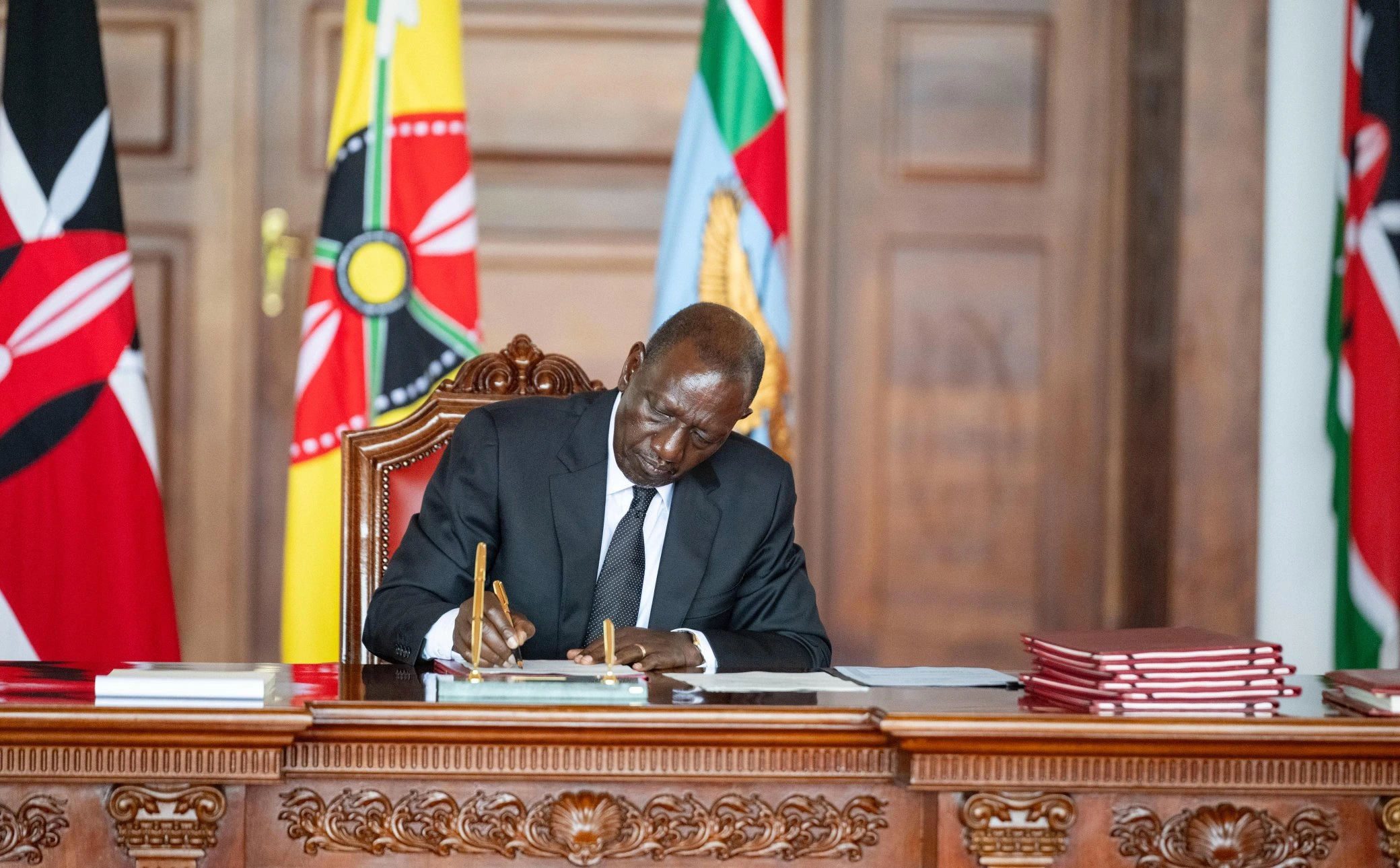
President Ruto and Governor Sakaja have repeatedly defended the agreement as constitutional and urgently needed to unlock major development challenges the county cannot address on its own. Ruto emphasised that the national government’s role is supportive, not supervisory, and that Nairobi’s unique status as the capital and economic engine requires creative collaborative governance.
As the tug-of-war intensifies, the cooperation deal now heads to public participation and legislative scrutiny, with both supporters and detractors watching closely to see whether it will reshape how Kenya’s capital is governed.
Addressing journalists on Thursday, MPs led by T. J. Kajwang and flanked by Esther Passaris, Felix Odiwuor (Jalang’o), Peter Orero, Senator Tabitha Mutinda and Karen Nyamu robustly dismissed claims that the pact undermines devolution. They clarified the deal does not trigger Article 187 of the Constitution, which governs the transfer of functions between levels of government. Instead, they said, it is rooted in Article 189 and the Urban Areas and Cities Act, legal provisions that allow structured intergovernmental collaboration where responsibilities overlap.
“This is not a transfer of functions,” Kajwang said. “Nairobi’s status as the capital demands coordinated governance beyond ordinary county operations.”
The lawmakers argued that the pact’s focus is squarely on practical service delivery from solid waste management, roads and street lighting to housing support, water and sanitation, and environmental rehabilitation across all 17 sub-counties. They also stressed that existing oversight mechanisms including parliamentary scrutiny, audits by the Auditor-General and public participation requirements will continue to apply.
But critics are not convinced.
Across the political divide, Nairobi Senator Edwin Sifuna has blasted the deal as a “back-door power grab”, arguing its structure and the composition of its steering committee effectively place the Nairobi Governor under national government control. He has urged President William Ruto and Governor Johnson Sakaja to shelve the agreement and fully comply with constitutional processes including public participation and consultation with county leaders a move he says was bypassed.
Meanwhile, Embakasi East MP Babu Owino has labelled the arrangement a “hostile takeover” of devolved functions, accusing the national government of sidelining Nairobi’s elected leadership and undermining citizen mandate. He also raised concerns about transparency and accountability around the management of own-source revenue.
President Ruto and Governor Sakaja have repeatedly defended the agreement as constitutional and urgently needed to unlock major development challenges the county cannot address on its own. Ruto emphasised that the national government’s role is supportive, not supervisory, and that Nairobi’s unique status as the capital and economic engine requires creative collaborative governance.
As the tug-of-war intensifies, the cooperation deal now heads to public participation and legislative scrutiny, with both supporters and detractors watching closely to see whether it will reshape how Kenya’s capital is governed.