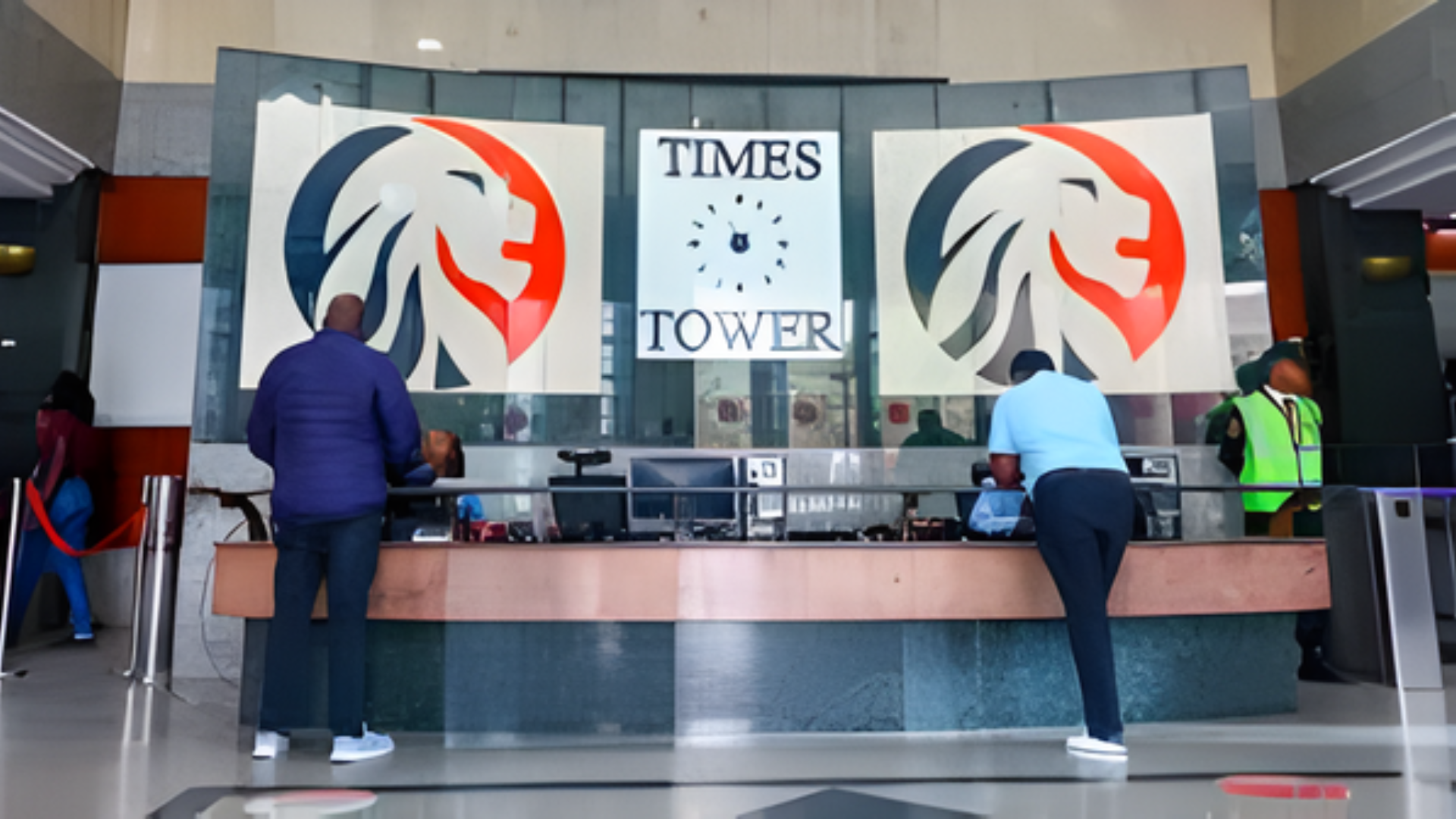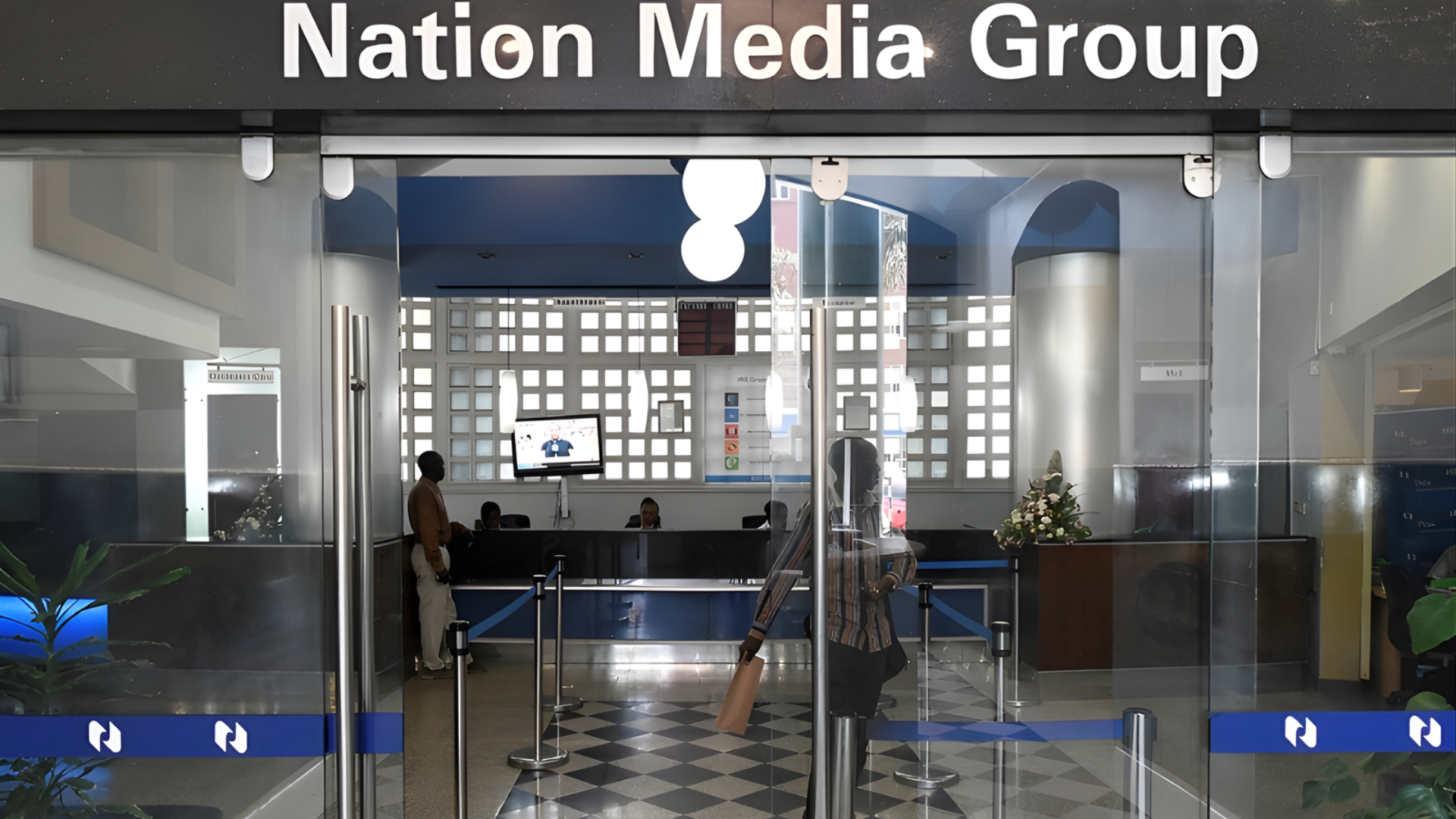
The towering edifice of Nation Centre on Nairobi's Kimathi Street, a modernist monolith that has stood as a beacon of journalistic endeavor since its 1966 unveiling, cast a long shadow over the bustling avenues below on the afternoon of November 15, 2025. Inside its labyrinthine newsrooms, where the clatter of keyboards once echoed like a perpetual heartbeat, a somber hush had descended as senior editors delivered the news to a cadre of correspondents, freelancers, and columnists whose bylines had graced the pages of the Daily Nation and Sunday Nation for years. In a memo circulated via internal email and WhatsApp groups, Group CEO Stephen Gitagama confirmed the termination of contracts for an unspecified but substantial number of these contributors, effective December 12, with more layoffs slated for early 2026 as the Aga Khan-owned media conglomerate grapples with plummeting ad revenues and the inexorable march toward digital dominance. "These decisions are painful but necessary to ensure the long-term sustainability of our journalism in an era of profound disruption," Gitagama wrote, his words a clinical dissection of a reality that has left dozens of writers—many juggling multiple gigs to make ends meet—facing an uncertain holiday season. "The contributions of our correspondents and freelancers have been invaluable, but we must streamline to invest in innovative platforms that reach our audiences where they are."
The layoffs, the latest in a series of cost-cutting salvos that have reshaped Nation Media Group (NMG) since 2020, target a vulnerable segment of the workforce: the correspondents and freelancers who form the backbone of regional and specialist reporting, often covering beats from Mombasa's ports to Kisumu's lakeside markets on shoestring budgets and sporadic payments. Official figures remain guarded, but insiders estimate 150 to 200 affected, including 80 correspondents from counties like Kilifi and Nakuru, 50 freelancers contributing lifestyle and opinion pieces, and 20 columnists whose weekly dispatches on everything from agriculture to urban planning had become reader staples. "We received letters saying our contracts end December 12—no consultation, no severance beyond a month's pay," shared veteran freelancer Lydia Mwangi, 45, whose pieces on women's cooperatives in Machakos had run bi-weekly since 2015, her voice trembling over a glitchy Zoom call from her Rongai home. "I supplemented my teaching salary with Sh20,000 monthly from Nation—now, what? My kids' fees, my rent—it's not just ink drying; it's lives unraveling."
Gitagama's memo, leaked to media watchdogs within hours, framed the cuts as part of a "strategic realignment" to digitize content delivery and diversify revenue streams beyond print's declining fortunes. NMG, which reported a Sh254 million loss in 2024—its third consecutive red ink year—has seen advertising revenues plummet 28 percent since 2022, from Sh12 billion to Sh8.6 billion, as brands flock to TikTok and Instagram Reels. Print circulation, once 200,000 daily for the Nation, has halved to 100,000, while digital traffic, though up 15 percent to 25 million monthly uniques, generates only 40 percent of ad income due to lower CPM rates. "We're not shrinking; we're sharpening—fewer voices, but deeper impact through podcasts, newsletters, and data journalism," Gitagama explained in a November 16 internal town hall streamed to 800 staff, his bowtie impeccable as he outlined a Sh2 billion investment in AI tools for content personalization. "Freelancers and correspondents have been our eyes on the ground, but to compete with global players like BBC Africa, we consolidate—regional hubs in Mombasa and Kisumu, not scattered stringers."
The terminations, executed with the cold efficiency of a corporate algorithm, arrive via standardized letters dated November 12: "Your agreement with Nation Media Group PLC shall not be renewed beyond December 12, 2025. We appreciate your contributions and wish you success." No exit interviews, no skill audits—just a month's notice pay wired to M-Pesa accounts, a farewell email from HR, and access badges deactivated at midnight. Mwangi, who covered 2022's floods in Tana River with dispatches that won her a 2023 Editors Guild award, felt the sting acutely. "I filed from mud huts, interviewed survivors by candlelight—now, a form letter erases that? Nation was family; this feels like eviction." Her cohort includes 35-year-old Nakuru correspondent John Kiarie, whose investigative series on water cartels exposed Sh500 million graft in 2024, and 52-year-old Kilifi columnist Fatma Hassan, whose op-eds on coastal devolution drew 50,000 weekly readers. "We were the pulse—local stories that mattered; now, the heart skips," Kiarie lamented over a phone call from his Naivasha home, where he now contemplates freelance gigs with The Standard or international outlets like Al Jazeera.
The cuts, insiders whisper, stem from a November 10 board meeting where Aga Khan Development Network executives, NMG's majority stakeholders, greenlit a Sh1.5 billion restructuring to stem losses projected at Sh400 million for 2025. Print's 60 percent cost share, with newsprint imports up 20 percent amid global pulp shortages, has been the sacrificial lamb: the Daily Nation's page count shrinks from 48 to 32, Saturday editions to bi-weekly, and regional bureaus consolidated into five hubs. "Digital first" mantra drives the purge—AI curates freelance pitches, reducing submissions by 70 percent, while podcasts like "Nation Uncovered" replace columnists. "We're pivoting to where readers are—mobile, on-demand, ad-free subscriptions at Sh500 monthly," Gitagama reiterated in the town hall, announcing 200 new hires in data analytics and video production to offset losses. Yet, for the terminated, the math is merciless: Mwangi's Sh20,000 monthly gone, Kiarie's Sh35,000, Hassan's Sh15,000—collective Sh50 million in lost income for 200 voices.
Reactions cascaded like a Rift Valley flash flood. The Kenya Union of Journalists, representing 3,000 scribes, issued a November 16 strike notice: "NMG's purge is predatory—layoffs without consultation violate labor laws; we demand redundancy packages at 12 months' pay," thundered Secretary General Erick Oduor at a State House Road rally drawing 500 protesters. Editors Guild President James Wanzala: "Freelancers are the ecosystem—cut them, and diversity dies; Nation risks becoming a coastal echo chamber." International Press Institute condemned: "Cost-cutting cannot come at the cost of press freedom—diverse voices prevent echo chambers." NMG's response, a November 17 statement from HR Director Rose Kimani: "We regret the impact but remain committed to fair process—severance per law, outplacement support for 100 via LinkedIn Learning."
For the affected, survival strategies bloom in adversity. Mwangi, packing her notebooks into a duffel: "Nation was platform; now, I'll pitch to The East African, start a Substack on women's stories—Sh5,000 monthly, but mine." Kiarie eyes grants: "Reuters fellowship? BBC stringer? The graft I uncovered doesn't vanish." Hassan, in Kilifi: "My columns on devolution—I'll self-publish on Medium, monetize with Patreon. Nation's loss, my launch." The guild launches a Sh10 million relief fund, crowdfunding Sh2 million in 24 hours.
Gitagama's town hall, attended by 800 via Zoom, drew tough questions: "Why freelancers first—cheapest to cut?" He replied: "Strategic, not sequential—print's decline hits them hardest; digital hires follow merit." The board's Sh1.5 billion: Sh800 million AI tools, Sh400 million podcasts, Sh300 million newsletters. "By 2027, digital 70 percent revenue," he projected, citing 2024's 25 million uniques.
In Rongai's single-room tenements, Mwangi tallies bills: "Sh15,000 rent, Sh10,000 school fees—Nation's Sh20,000 was buffer." Kiarie's Naivasha: "Family farm sustains; journalism feeds soul." Hassan's Kilifi: "Coastal networks—freelance for The Star." The guild's fund: Sh10 million target. IPI's call: echo chamber risk. For the 200: "Our bylines live—ink indelible."
As November's jacarandas carpet Kimathi Street, NMG's purge pulses: cost-cuts carve content, freelancers forge forward—a media metamorphosis where layoffs liberate legacies, and Nation navigates not just survival, but renaissance.
The memo's 150-200 affected: 80 correspondents (Kilifi 15, Nakuru 12), 50 freelancers (lifestyle 20), 20 columnists (opinion 10). Circulation: 100,000 daily. Ad revenue: Sh8.6 billion. Digital uniques: 25 million. Town hall: 800 attendees. Oduor's notice: 500 protesters. Wanzala's guild: diversity dies. Kimani's response: severance law. Mwangi's Substack: women's stories. Kiarie's Reuters: graft uncovered. Hassan's Patreon: devolution. Fund: Sh2 million crowdfunded. In the republic's resilient reportage, the cuts catalyze—a Nation narrative where voices vanquish voids, and journalism journeys onward.