 Diana Muthini
Kenya’s Political Landscape in 2026: Navigating Challenges, Opportunities, and the Future
Kenya’s political landscape in 2026 is a complex tapestry of opportunity, tension, and transformation. As the country continues to evolve both economically and socially, political actors, citizens, and institutions are facing unprecedented pressure to deliver meaningful change while navigating historical divisions, governance challenges, and the expectations of a youthful population that is increasingly vocal and connected.
The Presidency and National Agenda
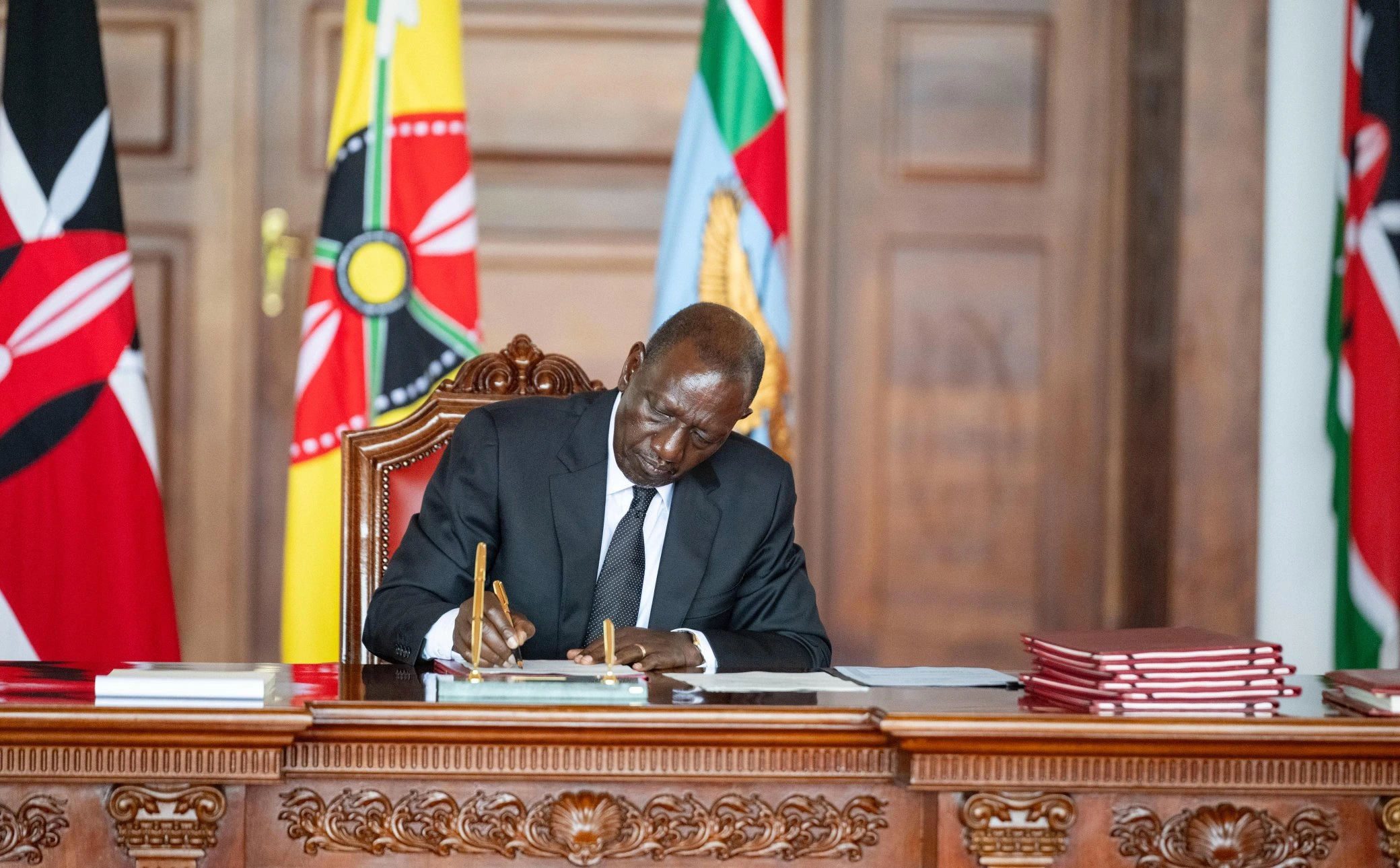
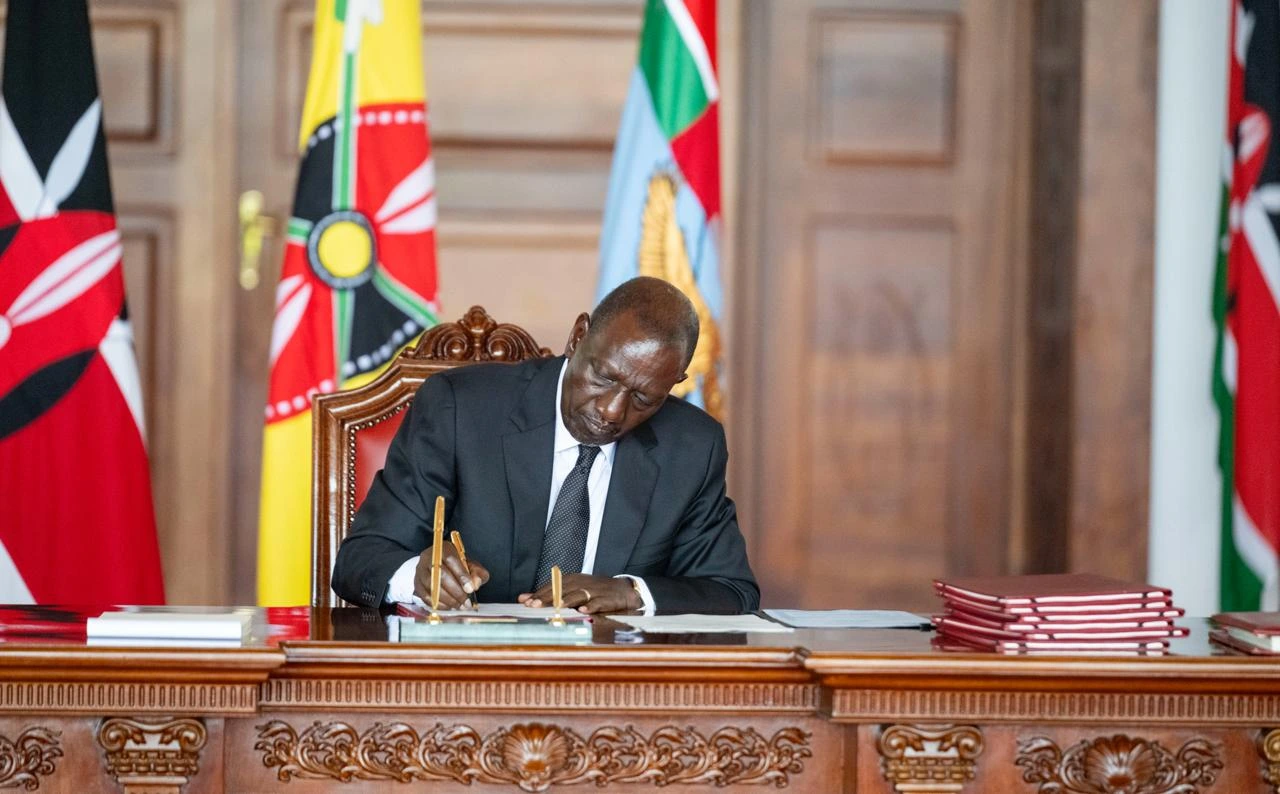
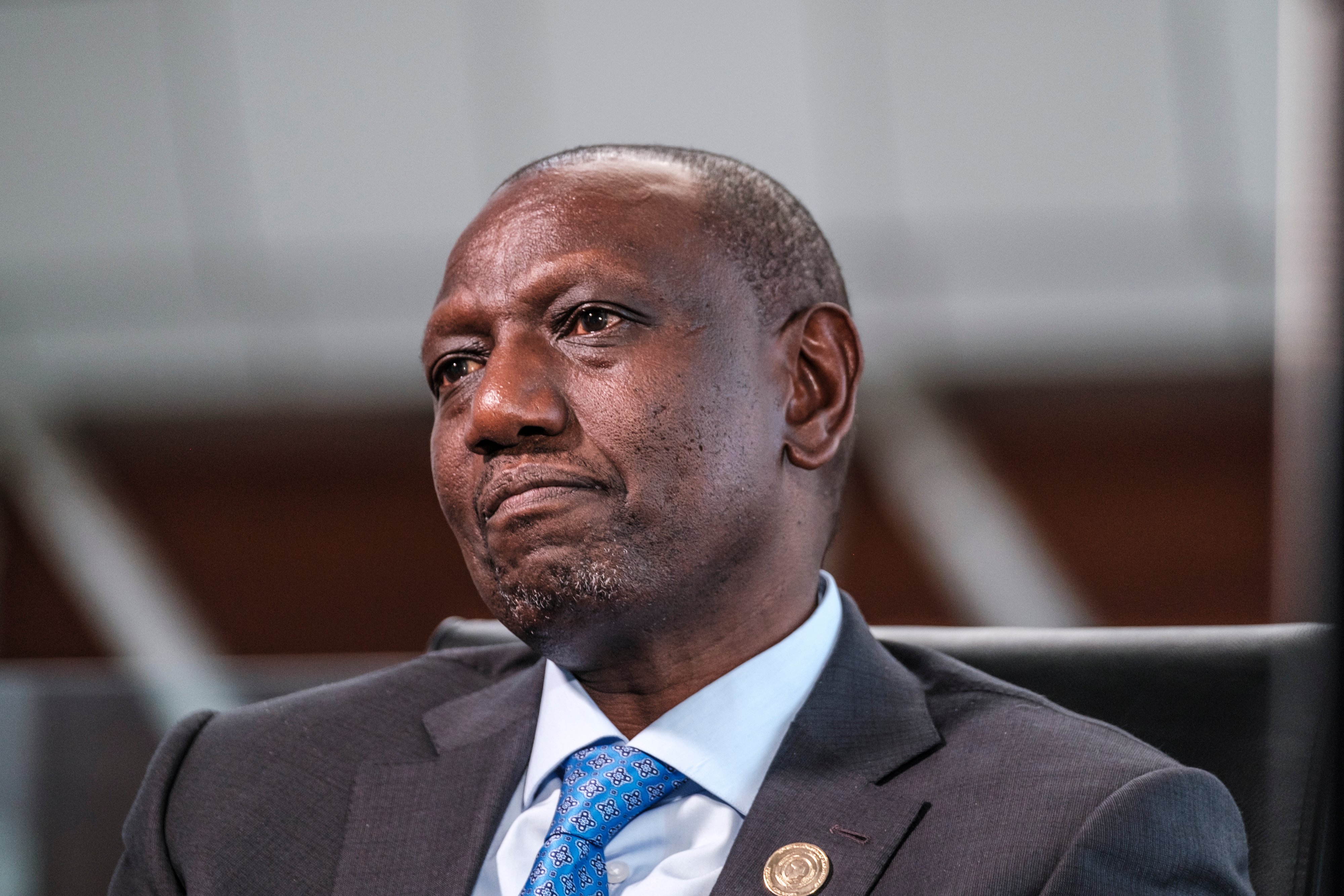
President William Ruto’s administration has positioned economic empowerment at the core of its agenda. The government’s policies, including investment in infrastructure, support for small and medium enterprises, and prioritization of technology and agriculture, are designed to stimulate economic growth and create employment opportunities. Initiatives like the digital economy push, affordable housing programs, and youth empowerment funds aim to bridge gaps in wealth distribution and social mobility.
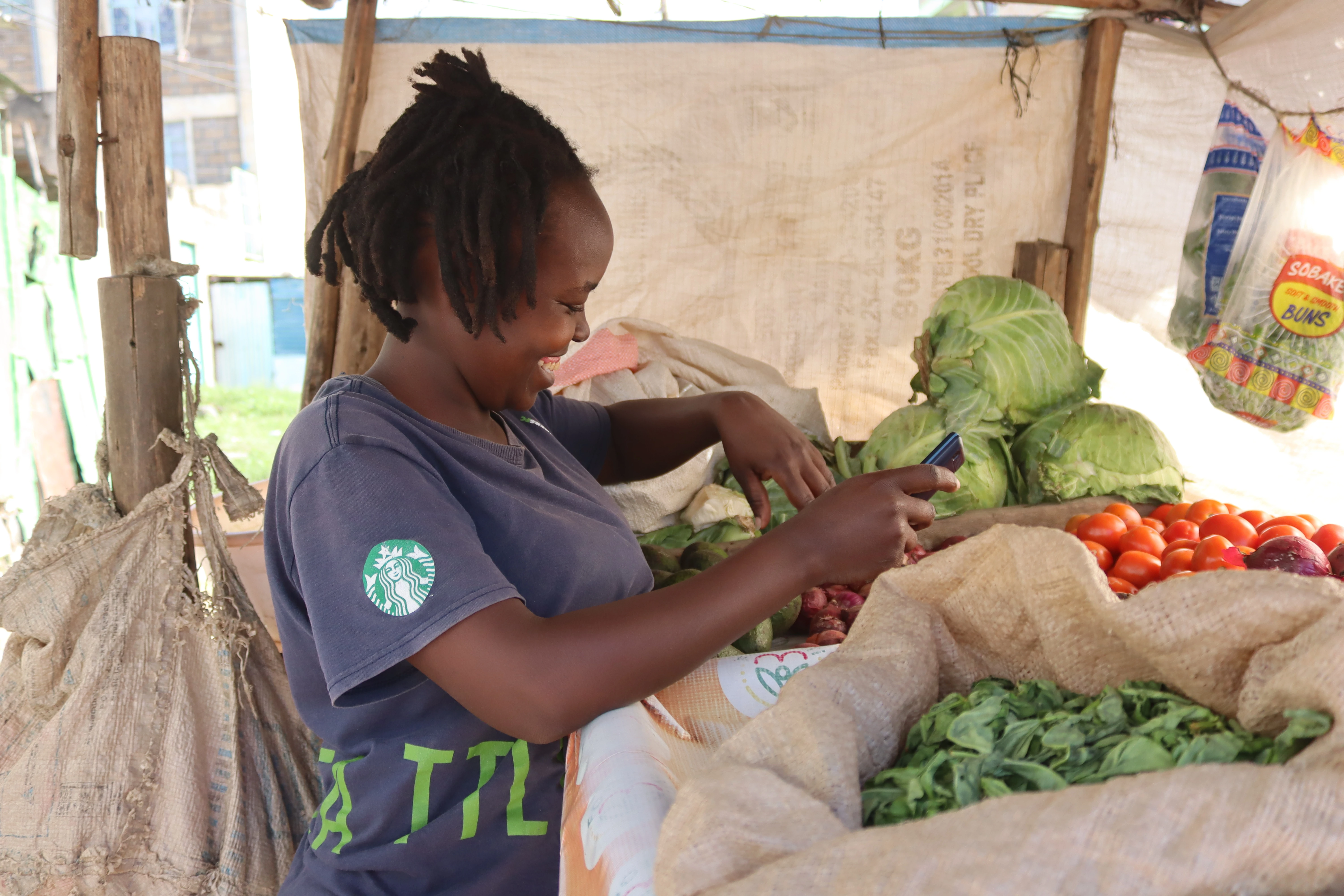
However, critics argue that while the strategies sound promising, implementation has often been slow, leaving many Kenyans feeling that tangible results are yet to reach them. Inflation, high food and energy prices, and regional disparities in development remain pressing issues, and opposition leaders frequently point to these challenges as evidence that reforms are not reaching the people fast enough.
The Role of the Opposition
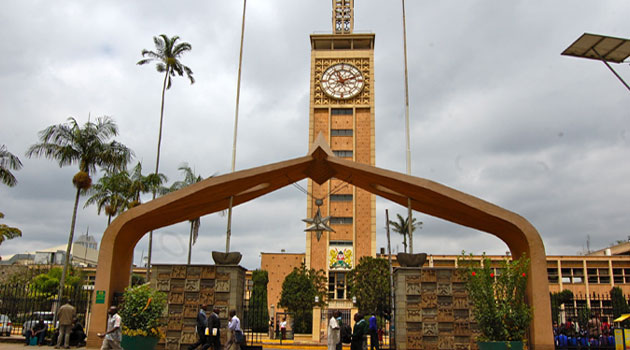
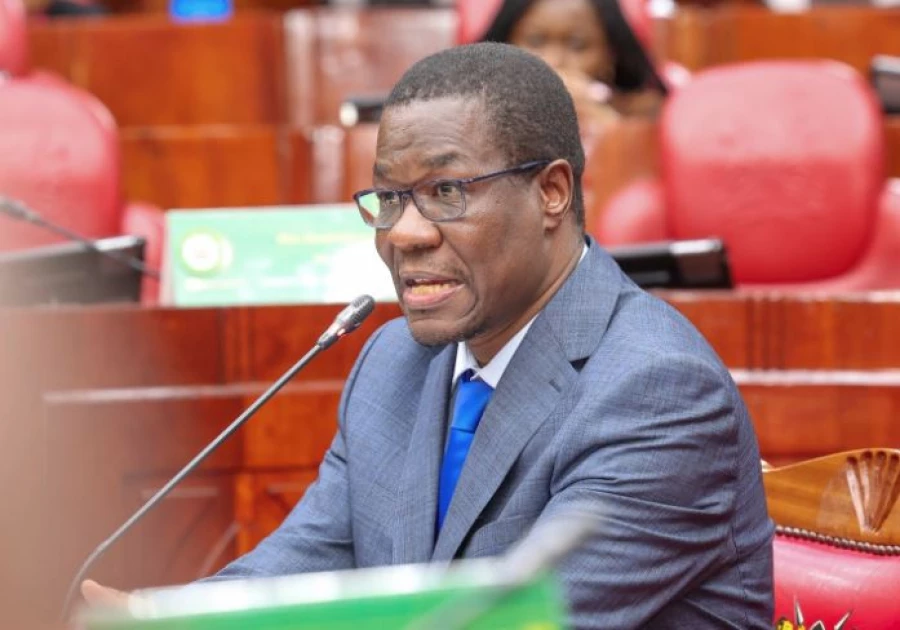
Kenya’s opposition continues to play a vital role in holding the government accountable. Parties across the spectrum are pushing for greater transparency in public service, reforms in governance, and more inclusive representation. Parliamentary debates and public rallies reflect a growing demand for government accountability, and opposition figures are leveraging social media platforms to engage directly with citizens, especially the youth.
The dynamic between the government and opposition is not only a test of political maturity but also a reflection of Kenya’s growing multiparty democracy. Citizens are now more informed, demanding, and aware of their rights, creating both pressure and opportunity for leaders to respond effectively.
Devolution and County Politics
Devolution remains a cornerstone of Kenya’s political framework. Governors and county governments have become increasingly influential, overseeing local development projects, health services, education programs, and infrastructure development. This decentralization has empowered communities but has also created a delicate balance between national and county-level authorities.
The role of county leaders in national politics has never been more significant. Governors are not only managing resources at the local level but also positioning themselves as key players in national political discourse, particularly as the next general elections approach. This interplay between local and national governance is shaping how policies are formulated, implemented, and perceived by the public.
Youth, Civic Engagement, and Political Awareness
One of the most notable trends in 2026 is the rise of youth engagement in politics. Young Kenyans, who make up a significant proportion of the population, are increasingly active in civic education campaigns, community initiatives, and online activism. They demand tangible outcomes, such as jobs, education opportunities, and accessible health care.
Social media continues to serve as a powerful tool for political discourse, with platforms like Twitter, Instagram, and TikTok becoming spaces where citizens express opinions, organize campaigns, and mobilize support. Political parties are increasingly tailoring their messages to this demographic, recognizing that youth votes could be decisive in shaping electoral outcomes.
Security and Governance Challenges
Security remains a critical concern. While Kenya has made progress in countering terrorism, inter-communal tensions, and organized crime, pockets of instability persist. The government is under constant pressure to enhance security operations while respecting human rights and maintaining public trust.
Good governance is central to addressing these challenges. Corruption, bureaucratic inefficiencies, and unequal access to services are persistent concerns that threaten social cohesion and citizens’ confidence in the political system. Addressing these issues is not only a matter of policy but also of restoring faith in democratic institutions.
The Path Forward
Looking ahead, Kenya’s political trajectory in 2026 depends on several critical factors:
Inclusive Development: Policies must target all citizens, especially marginalized communities, to reduce economic disparities.
Youth Empowerment: Engaging young people in policymaking and leadership roles will help shape a future that meets their aspirations.
Transparency and Accountability: Fighting corruption and improving public service delivery will strengthen citizens’ trust in government institutions.
National Unity: Leaders must prioritize social cohesion and work to bridge historical divides that have periodically destabilized the country.
Strategic Devolution: Balancing national priorities with county-level autonomy will be essential for sustainable development.
Conclusion
Kenya’s political landscape in 2026 is a reflection of its growth as a nation: ambitious, complex, and at times challenging. The decisions made today by leaders, citizens, and institutions will shape the country’s future for decades to come. Political stability, inclusive governance, and active civic participation remain key to ensuring that Kenya not only survives the pressures of modern politics but thrives as a beacon of democracy and progress in Africa.
As the nation moves forward, the partnership between government, opposition, and the people will be critical. Only through collaboration, transparency, and a shared vision for the country can Kenya achieve its full potential and respond effectively to the challenges and opportunities of this new political era.
Kenya’s political landscape in 2026 is a complex tapestry of opportunity, tension, and transformation. As the country continues to evolve both economically and socially, political actors, citizens, and institutions are facing unprecedented pressure to deliver meaningful change while navigating historical divisions, governance challenges, and the expectations of a youthful population that is increasingly vocal and connected.
The Presidency and National Agenda
President William Ruto’s administration has positioned economic empowerment at the core of its agenda. The government’s policies, including investment in infrastructure, support for small and medium enterprises, and prioritization of technology and agriculture, are designed to stimulate economic growth and create employment opportunities. Initiatives like the digital economy push, affordable housing programs, and youth empowerment funds aim to bridge gaps in wealth distribution and social mobility.
However, critics argue that while the strategies sound promising, implementation has often been slow, leaving many Kenyans feeling that tangible results are yet to reach them. Inflation, high food and energy prices, and regional disparities in development remain pressing issues, and opposition leaders frequently point to these challenges as evidence that reforms are not reaching the people fast enough.
The Role of the Opposition
Kenya’s opposition continues to play a vital role in holding the government accountable. Parties across the spectrum are pushing for greater transparency in public service, reforms in governance, and more inclusive representation. Parliamentary debates and public rallies reflect a growing demand for government accountability, and opposition figures are leveraging social media platforms to engage directly with citizens, especially the youth.
The dynamic between the government and opposition is not only a test of political maturity but also a reflection of Kenya’s growing multiparty democracy. Citizens are now more informed, demanding, and aware of their rights, creating both pressure and opportunity for leaders to respond effectively.
Devolution and County Politics
Devolution remains a cornerstone of Kenya’s political framework. Governors and county governments have become increasingly influential, overseeing local development projects, health services, education programs, and infrastructure development. This decentralization has empowered communities but has also created a delicate balance between national and county-level authorities.
The role of county leaders in national politics has never been more significant. Governors are not only managing resources at the local level but also positioning themselves as key players in national political discourse, particularly as the next general elections approach. This interplay between local and national governance is shaping how policies are formulated, implemented, and perceived by the public.
Youth, Civic Engagement, and Political Awareness
One of the most notable trends in 2026 is the rise of youth engagement in politics. Young Kenyans, who make up a significant proportion of the population, are increasingly active in civic education campaigns, community initiatives, and online activism. They demand tangible outcomes, such as jobs, education opportunities, and accessible health care.
Social media continues to serve as a powerful tool for political discourse, with platforms like Twitter, Instagram, and TikTok becoming spaces where citizens express opinions, organize campaigns, and mobilize support. Political parties are increasingly tailoring their messages to this demographic, recognizing that youth votes could be decisive in shaping electoral outcomes.
Security and Governance Challenges
Security remains a critical concern. While Kenya has made progress in countering terrorism, inter-communal tensions, and organized crime, pockets of instability persist. The government is under constant pressure to enhance security operations while respecting human rights and maintaining public trust.
Good governance is central to addressing these challenges. Corruption, bureaucratic inefficiencies, and unequal access to services are persistent concerns that threaten social cohesion and citizens’ confidence in the political system. Addressing these issues is not only a matter of policy but also of restoring faith in democratic institutions.
The Path Forward
Looking ahead, Kenya’s political trajectory in 2026 depends on several critical factors:
Inclusive Development: Policies must target all citizens, especially marginalized communities, to reduce economic disparities.
Youth Empowerment: Engaging young people in policymaking and leadership roles will help shape a future that meets their aspirations.
Transparency and Accountability: Fighting corruption and improving public service delivery will strengthen citizens’ trust in government institutions.
National Unity: Leaders must prioritize social cohesion and work to bridge historical divides that have periodically destabilized the country.
Strategic Devolution: Balancing national priorities with county-level autonomy will be essential for sustainable development.
Conclusion
Kenya’s political landscape in 2026 is a reflection of its growth as a nation: ambitious, complex, and at times challenging. The decisions made today by leaders, citizens, and institutions will shape the country’s future for decades to come. Political stability, inclusive governance, and active civic participation remain key to ensuring that Kenya not only survives the pressures of modern politics but thrives as a beacon of democracy and progress in Africa.
As the nation moves forward, the partnership between government, opposition, and the people will be critical. Only through collaboration, transparency, and a shared vision for the country can Kenya achieve its full potential and respond effectively to the challenges and opportunities of this new political era.