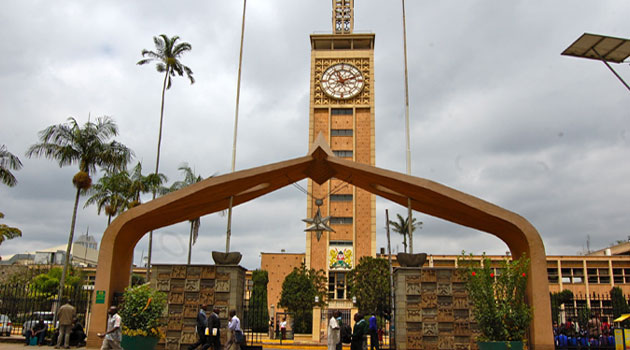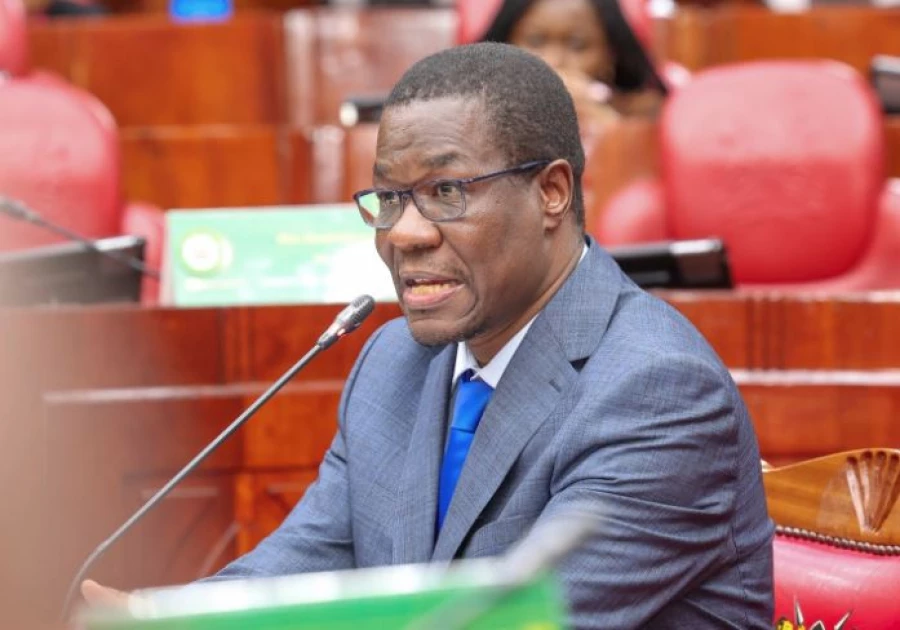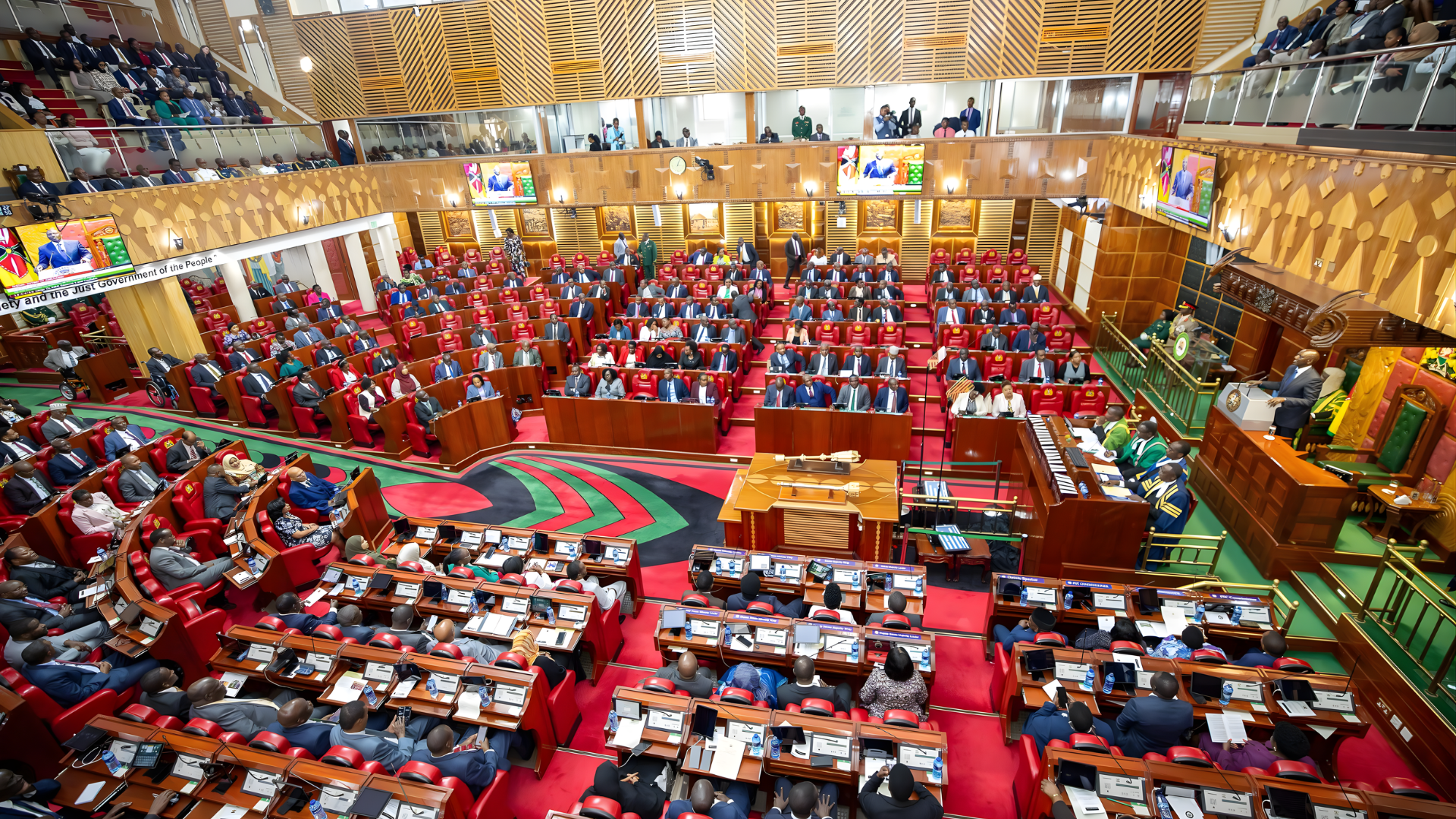
The pale afternoon light filtered through the high windows of Parliament Buildings on the afternoon of November 19, 2025, casting long shadows across the green leather benches where Mvita MP Mohammed Ali Swazuri rose to table what he called the most important legislation of the Twelfth Parliament. The Foreign Companies (Local Content and Kenyanisation) Bill 2025, a 42-page document that had been quietly circulating among lawmakers for weeks, landed on the Clerk’s table with a soft thud that seemed louder than it was. If passed, it will force every foreign-owned company operating in Kenya—from Chinese construction giants to European retailers, Indian pharmaceutical manufacturers to American tech firms—to source at least sixty percent of all goods and services locally and employ Kenyans in at least eighty percent of positions, including senior management. “We have opened our doors wide for investors, but many came only to extract,” Swazuri declared from the dispatch box, his voice steady as he looked across the chamber where both government and opposition MPs sat unusually silent. “They bring their own workers, buy everything from their home countries, hide profits through transfer pricing, and leave our youth watching from the fence. This bill ends that era. Kenya is open for business, but business must now be open for Kenyans.”
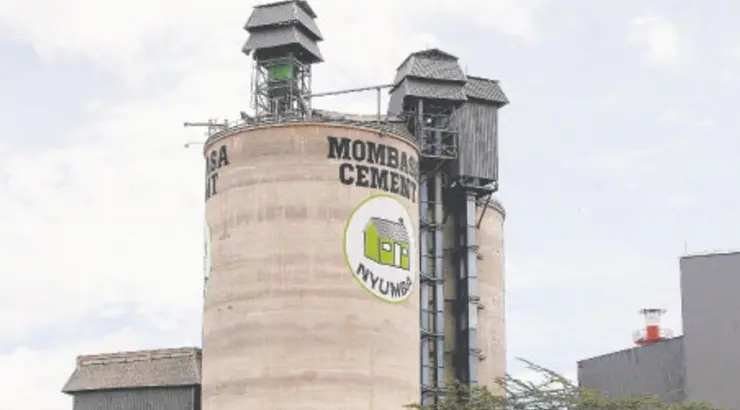
The proposed law, which has already earned the nickname “the 60-80 Bill,” is sweeping in scope and unapologetic in intent. Companies with foreign shareholding above twenty-five percent would have five years to reach full compliance, with annual audited local-content reports submitted to a new Local Content Development Authority housed under the Ministry of Trade. Penalties for non-compliance are severe: fines starting at two hundred million shillings and escalating to licence cancellation after repeated violations. Transfer pricing, long suspected as a conduit for profit repatriation, would face mandatory pre-approval by the Kenya Revenue Authority for any intra-company transaction exceeding fifty million shillings. “We are not chasing investors away,” Swazuri told journalists in the Parliament lobby moments after tabling the bill, his maroon tie slightly loosened in the heat of the moment. “We are asking them to invest in Kenyans the same way they invest in their own countries. When a Chinese firm wins a road contract, why should cement come from Guangzhou, labour from Sichuan, and profits vanish to Hong Kong? Let the cement come from Athi River, the labour from Mombasa, and the profits stay here to pay taxes and create more jobs.”
The bill arrives at a time when youth unemployment hovers above thirty-five percent and stories of foreign firms importing even basic stationery have become commonplace. At the Dongo Kundu Special Economic Zone in Mombasa, 29-year-old electrical engineer Fatima Juma stood outside a Chinese-owned steel plant where she had applied for a job six months earlier. “They interviewed me, said I was qualified, then told me the positions were reserved for expatriates who already had visas,” she recounted, her safety helmet dangling uselessly from her hand. “Across the fence I can see welders from China earning dollars while I earn nothing. If this bill passes, maybe next time they will train me instead of flying someone across the world.” Fatima is one of an estimated 42,000 Kenyan graduates who applied for just 3,800 positions advertised by foreign contractors on the Standard Gauge Railway Phase 2A extension alone, positions that were eventually filled predominantly by Chinese nationals.
In Westlands, the managing director of a European supermarket chain that sources ninety percent of its fresh produce from South Africa and the Netherlands requested anonymity when reacting to the proposed legislation. “Sixty percent local sourcing sounds simple until you discover that Kenya does not produce enough packaged dairy at the quality and consistency we require,” he said over coffee in a hushed boardroom. “We would love to buy Kenyan, but the cold chain collapses between Nyeri and Nairobi, the packaging plants are too few, and the volumes are unpredictable. This bill will force us either to lower standards or raise prices dramatically. The consumer will pay one way or another.” His sentiment was echoed quietly in several diplomatic circles, where ambassadors have reportedly begun scheduling urgent meetings with the Trade ministry.
Yet support for the bill cuts across unexpected lines. At a construction site along Ngong Road where a Qatari contractor is erecting a thirty-storey tower, Kenyan foreman Daniel Kioko gathered his crew during the lunch break to read sections of the draft aloud from his phone. “Section 14 says at least eighty percent of the workforce, including project managers and engineers, must be Kenyan after three years,” he told the group of welders and carpenters eating ugali and sukuma wiki from plastic containers. “That means the Chinese site manager earning a million shillings a month will have to train one of us to replace him. For the first time, the ladder will have real rungs.” The crew broke into applause, their dusty boots tapping the plywood floor in rhythm.
The Kenya Private Sector Alliance, usually quick to oppose regulatory burdens, issued a cautiously supportive statement through its chairman Jaswinder Bedi. “We have lobbied for local content for twenty years,” Bedi told a business breakfast in Upper Hill the morning after the bill was tabled. “If foreign firms are forced to buy Kenyan steel, Kenyan cement, Kenyan consultancy services, then local manufacturers finally get the orders we need to expand and employ more youth. The devil will be in implementation, but the principle is sound.” Bedi revealed that Kenyan textile firms alone could supply an additional two billion shillings worth of uniforms and linens annually if foreign contractors were compelled to buy locally instead of importing from their home countries.
Treasury Cabinet Secretary John Mbadi, speaking at the same event, struck a pragmatic tone. “We welcome investment, but investment must create jobs, not import unemployment,” he said, choosing his words carefully in front of an audience that included several foreign chamber of commerce representatives. “The bill is still in its early stages. There will be public participation, stakeholder engagement, and almost certainly amendments. But the direction is clear: Kenya is moving from being a market to being a partner.”
In Mvita constituency itself, where Swazuri has built a reputation as a fierce defender of coastal economic interests, the bill has ignited street-level celebration. At the Mackinnon Market, fish trader Amina Hassan tied a new khanga around her waist printed with the words “60/80 Bill – Kenya Kwanza Kwa Wakenya.” “These big hotels buy prawns from Tanzania and tiles from China while our boats rot at the shore,” she said, arranging crates of red snapper on a wooden table. “If the law forces them to buy my fish, my son finishes school instead of joining the boda boda queue.”
The bill’s journey has only begun. It must survive First Reading next week, then proceed to the Departmental Committee on Trade where public hearings will be held in Nairobi, Mombasa, Kisumu, and Eldoret. Foreign chambers have already requested additional time to present memoranda, while local industry groups are mobilising busloads of members to testify in support. Whatever amendments emerge, the core demand is unlikely to soften: after decades of watching profits and skills flow outward, a growing chorus of Kenyans insists the tide must turn.
As dusk settled over Parliament Buildings and the flags of a hundred nations fluttered above the entrance, Mohammed Swazuri stood on the steps answering questions until the last journalist left. “Someone asked me if I am afraid of scaring investors away,” he said finally, looking toward the city lights beginning to sparkle across the skyline. “My answer is simple: any investor scared of employing Kenyans and buying Kenyan was never here to build Kenya in the first place.”