 Diana Muthini
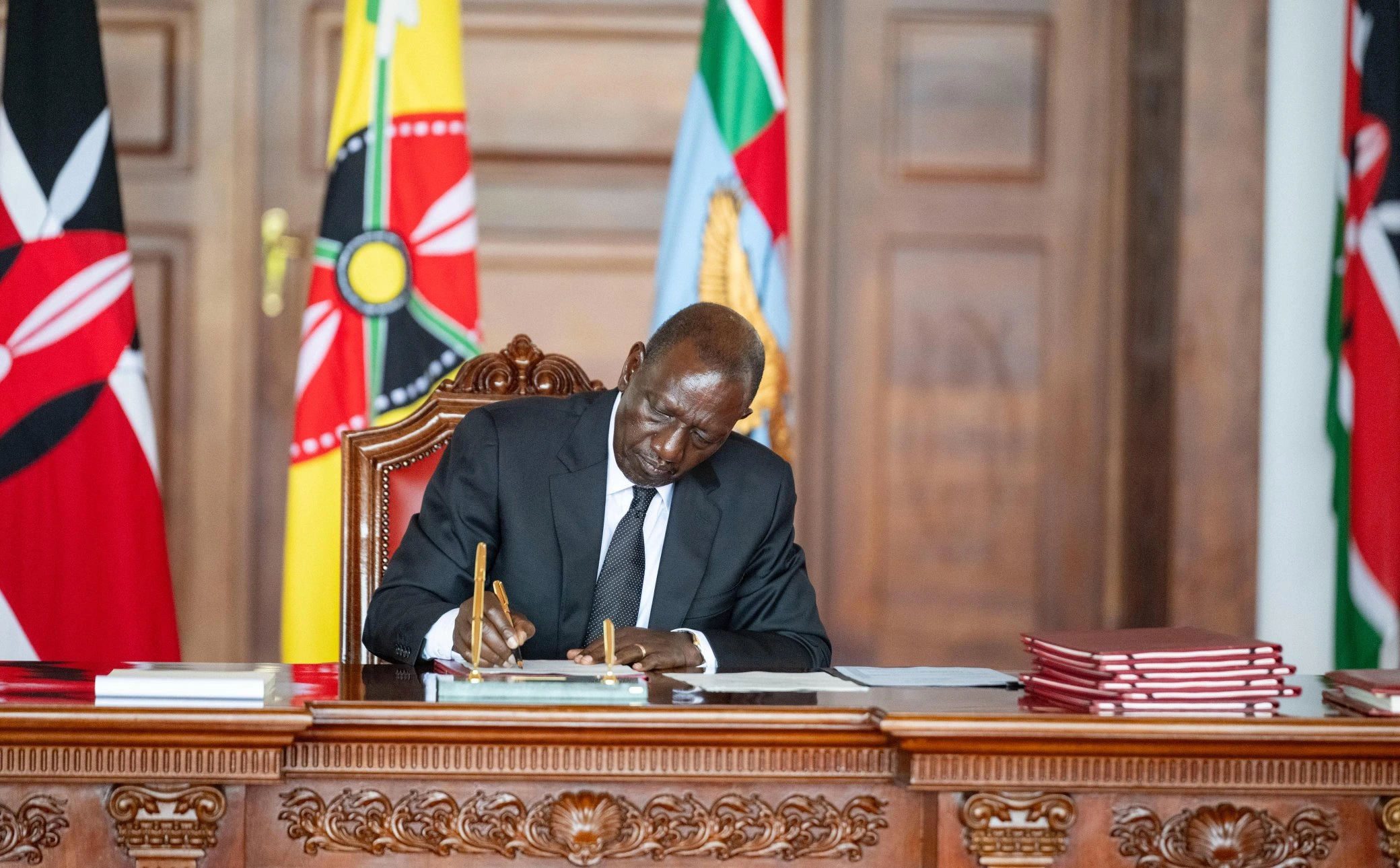
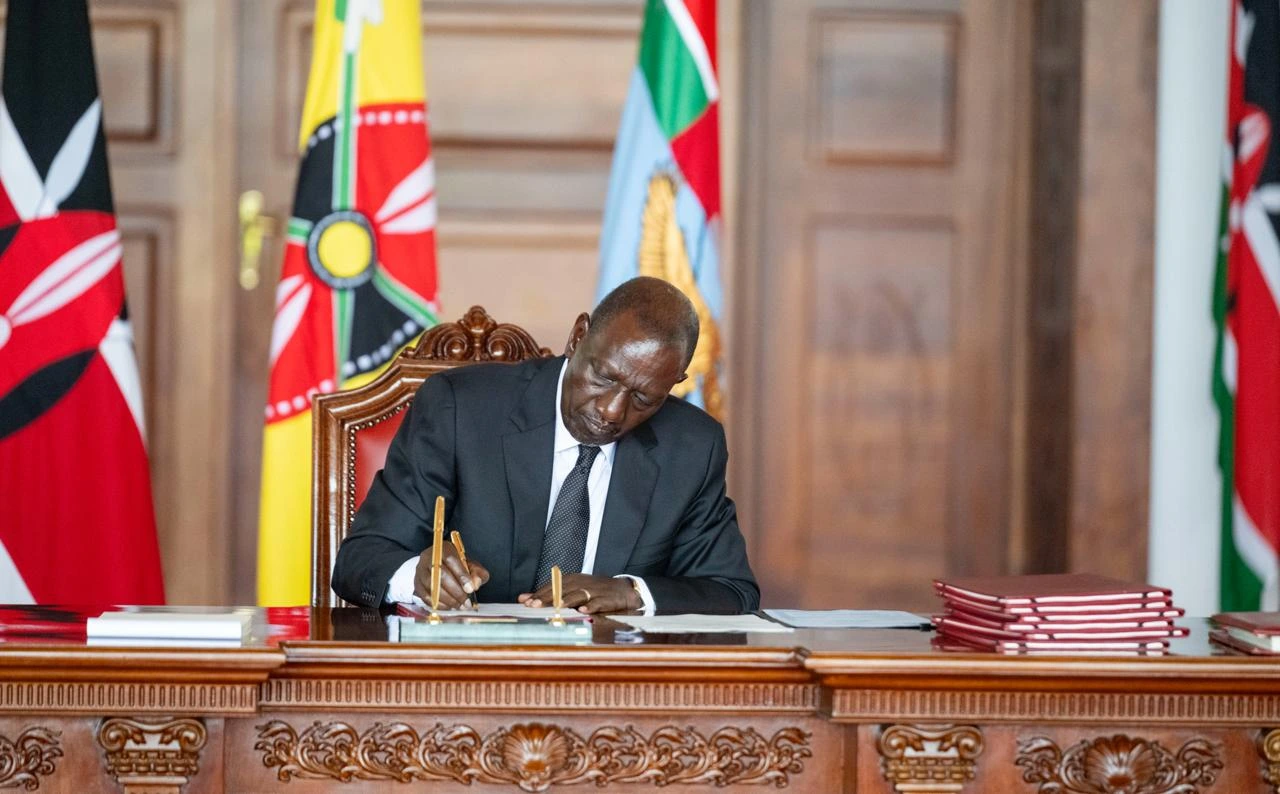
In Nairobi, the national government has unveiled an extensive policy framework aimed at strengthening economic growth, accelerating infrastructure development, and expanding investment opportunities across the country. The announcement was formally presented by William Ruto during a high-level press briefing attended by senior government officials, members of the business community, policy analysts, and representatives from civil society organizations.
The newly introduced framework outlines a long-term strategy focused on improving transportation systems, expanding access to affordable housing, and promoting inclusive economic participation. Government leaders emphasized that the policy is designed not only to stimulate job creation but also to support sustainable development in both urban and rural regions. Key priorities include road network expansion, modernization of public services, and strengthening partnerships between the public and private sectors.
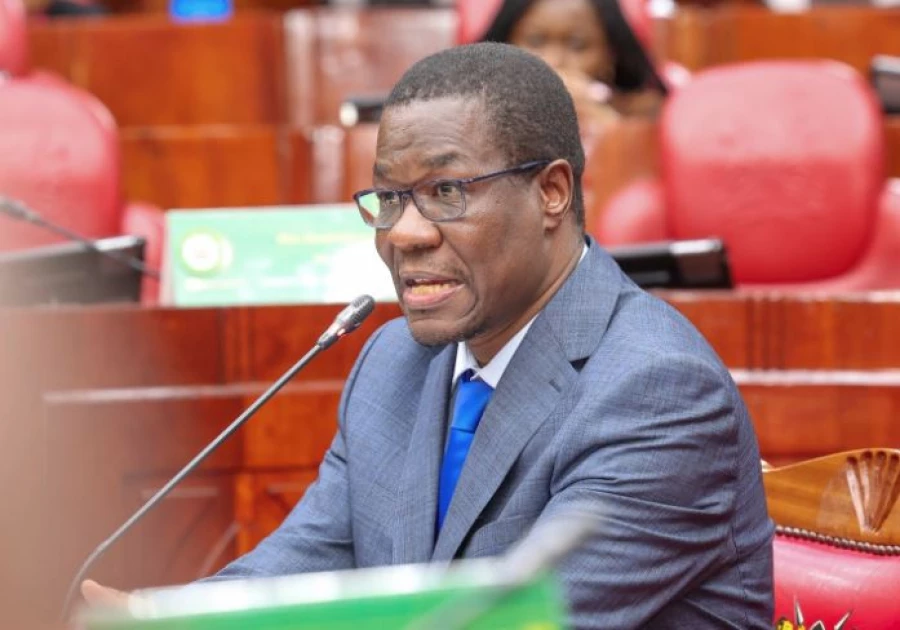
Within Parliament of Kenya, discussions surrounding the proposal have intensified, reflecting a range of perspectives among lawmakers. Supporters of the plan argue that it represents a necessary step toward national transformation, particularly in areas that have historically experienced limited development. They believe the initiative will attract new investment, improve living standards, and enhance economic resilience in the face of global challenges.
However, some leaders have expressed caution, calling for stronger accountability mechanisms and clear implementation timelines. Concerns have been raised regarding resource allocation, oversight structures, and the need to ensure that development initiatives benefit communities equitably. Legislators advocating for additional safeguards stress that transparency and public trust are essential for the success of any large-scale national program.
Economic experts have also weighed in on the announcement, noting that the effectiveness of the policy will depend on consistent execution and coordination across government institutions. Analysts highlight the importance of monitoring project delivery, managing public expenditure responsibly, and maintaining investor confidence. They emphasize that sustainable growth requires not only ambitious planning but also disciplined management and continuous evaluation.
Community leaders and citizen groups have welcomed the government’s commitment to development but have urged authorities to prioritize public engagement throughout the implementation process. Many have called for inclusive consultation, particularly in regions where infrastructure expansion and housing projects are expected to take place. According to these voices, meaningful dialogue between leadership and citizens will be vital in ensuring that national progress reflects the needs and aspirations of the population.
Observers note that external factors, including economic fluctuations and environmental conditions, may influence the pace of implementation. Nevertheless, government officials remain optimistic that coordinated efforts and strategic planning will enable the country to overcome potential obstacles and achieve measurable progress.
The administration has pledged to provide regular updates on project milestones, financial accountability, and national impact. Officials stress that cooperation between policymakers, investors, and citizens will play a decisive role in shaping the country’s development trajectory in the coming years.
As political dialogue continues and policy details are refined, attention now turns to implementation. The coming period is expected to test leadership capacity, institutional coordination, and public confidence, ultimately determining how effectively the nation translates policy vision into tangible progress for its people.
The newly introduced framework outlines a long-term strategy focused on improving transportation systems, expanding access to affordable housing, and promoting inclusive economic participation. Government leaders emphasized that the policy is designed not only to stimulate job creation but also to support sustainable development in both urban and rural regions. Key priorities include road network expansion, modernization of public services, and strengthening partnerships between the public and private sectors.
Within Parliament of Kenya, discussions surrounding the proposal have intensified, reflecting a range of perspectives among lawmakers. Supporters of the plan argue that it represents a necessary step toward national transformation, particularly in areas that have historically experienced limited development. They believe the initiative will attract new investment, improve living standards, and enhance economic resilience in the face of global challenges.
However, some leaders have expressed caution, calling for stronger accountability mechanisms and clear implementation timelines. Concerns have been raised regarding resource allocation, oversight structures, and the need to ensure that development initiatives benefit communities equitably. Legislators advocating for additional safeguards stress that transparency and public trust are essential for the success of any large-scale national program.
Economic experts have also weighed in on the announcement, noting that the effectiveness of the policy will depend on consistent execution and coordination across government institutions. Analysts highlight the importance of monitoring project delivery, managing public expenditure responsibly, and maintaining investor confidence. They emphasize that sustainable growth requires not only ambitious planning but also disciplined management and continuous evaluation.
Community leaders and citizen groups have welcomed the government’s commitment to development but have urged authorities to prioritize public engagement throughout the implementation process. Many have called for inclusive consultation, particularly in regions where infrastructure expansion and housing projects are expected to take place. According to these voices, meaningful dialogue between leadership and citizens will be vital in ensuring that national progress reflects the needs and aspirations of the population.
Observers note that external factors, including economic fluctuations and environmental conditions, may influence the pace of implementation. Nevertheless, government officials remain optimistic that coordinated efforts and strategic planning will enable the country to overcome potential obstacles and achieve measurable progress.
The administration has pledged to provide regular updates on project milestones, financial accountability, and national impact. Officials stress that cooperation between policymakers, investors, and citizens will play a decisive role in shaping the country’s development trajectory in the coming years.
As political dialogue continues and policy details are refined, attention now turns to implementation. The coming period is expected to test leadership capacity, institutional coordination, and public confidence, ultimately determining how effectively the nation translates policy vision into tangible progress for its people.