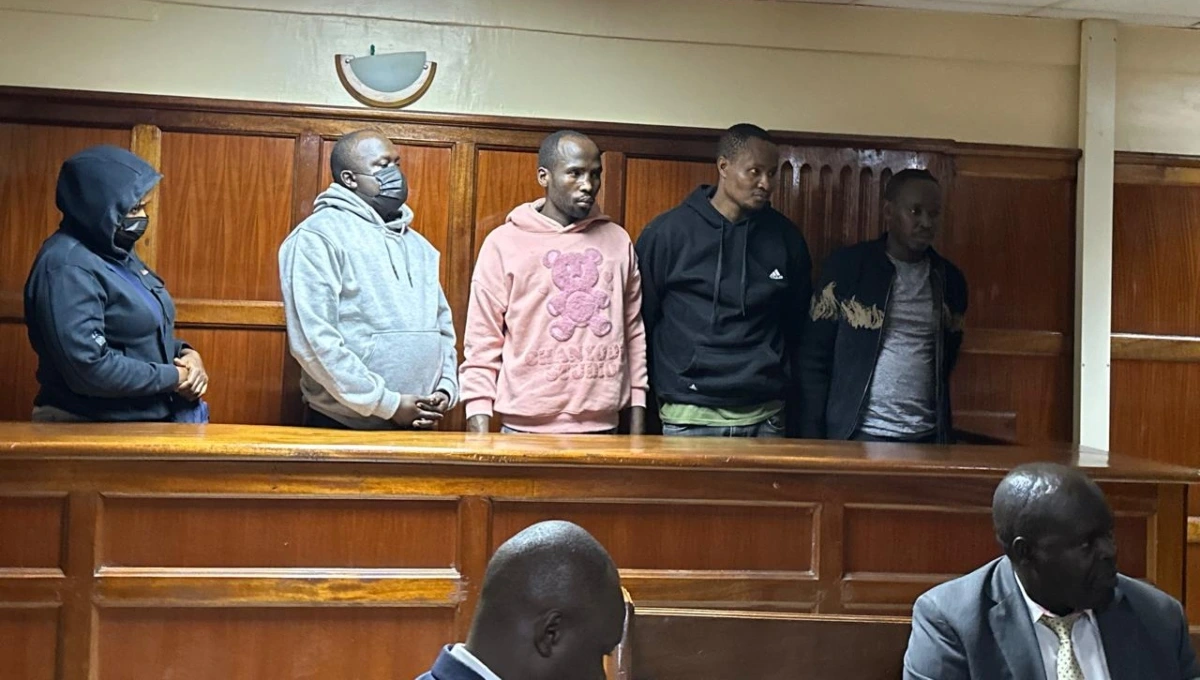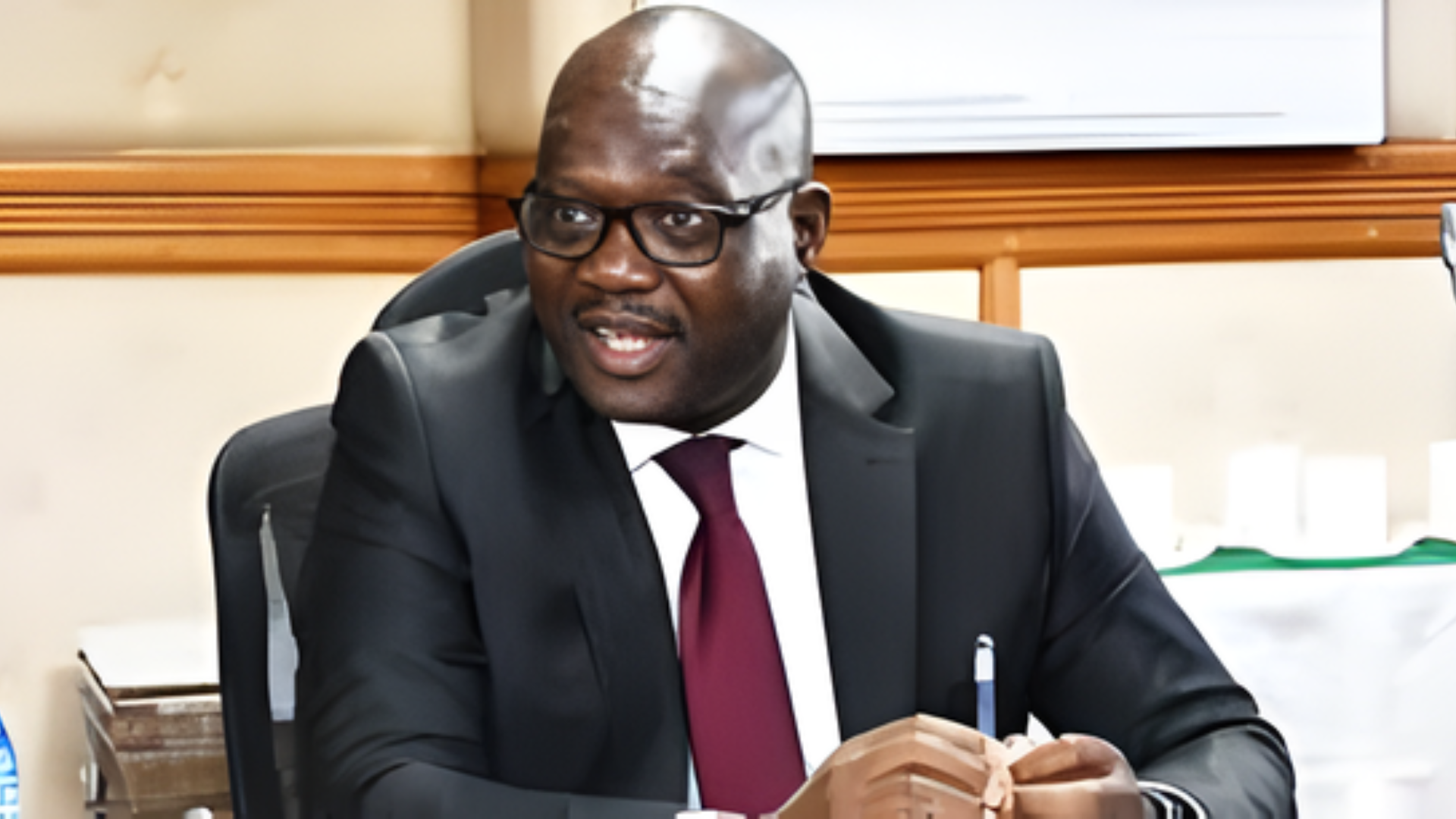
The usually hushed corridors of Milimani Law Courts reverberated with a stern warning on the afternoon of November 19, 2025, when Principal Magistrate Hosea Ng’ang’a delivered a ruling that has jolted newsrooms across the country. In a packed Courtroom 10, the magistrate found Nation Media Group and its senior political reporter Duncan Khaemba guilty of criminal contempt for broadcasting a story that linked Murang’a Governor Irungu Kang’ata to the ongoing Ethiopian Airlines crash scandal, despite a clear court order issued days earlier prohibiting any publication on the matter. The magistrate’s 28-page judgment, read in a measured but unmistakably firm tone, concluded that both the journalist and the media house had “willfully, deliberately, and with full knowledge” disobeyed a lawful directive issued on May 5 by the same court. “This is not a case of oversight or honest mistake,” Ng’ang’a declared from the bench, his gaze sweeping across the packed gallery where senior editors from rival stations sat in uneasy silence. “The respondents were served, they acknowledged receipt, and yet they proceeded to air the story on May 7 at 7 p.m. and 9 p.m. bulletins, and repeated it on social media platforms. That is contempt in its purest form.”
The story in question, titled “Kang’ata Named in Ethiopian Airlines Crash Compensation Probe,” had alleged that the governor was under investigation for allegedly receiving kickbacks linked to the multi-billion-shilling compensation claims arising from the 2019 Ethiopian Airlines Flight 302 disaster that killed 157 people, including 32 Kenyans. The report, complete with dramatic graphics and a voice-over claiming “new evidence” from unnamed sources within the Directorate of Criminal Investigations, ran for four minutes during prime time and was immediately shared on NTV’s verified YouTube, Facebook, and X accounts, amassing over 1.8 million views in 48 hours. What the public did not know—and what the court found damning—was that on May 5, Kang’ata’s lawyers had obtained an ex-parte interim order from Ng’ang’a barring any media house from publishing or broadcasting the allegations until the governor was afforded a chance to respond. The order, served via email and WhatsApp to NTV’s legal department at 3:17 p.m. that day, was acknowledged by the station’s head of legal affairs at 3:42 p.m. Yet, two days later, the story aired.
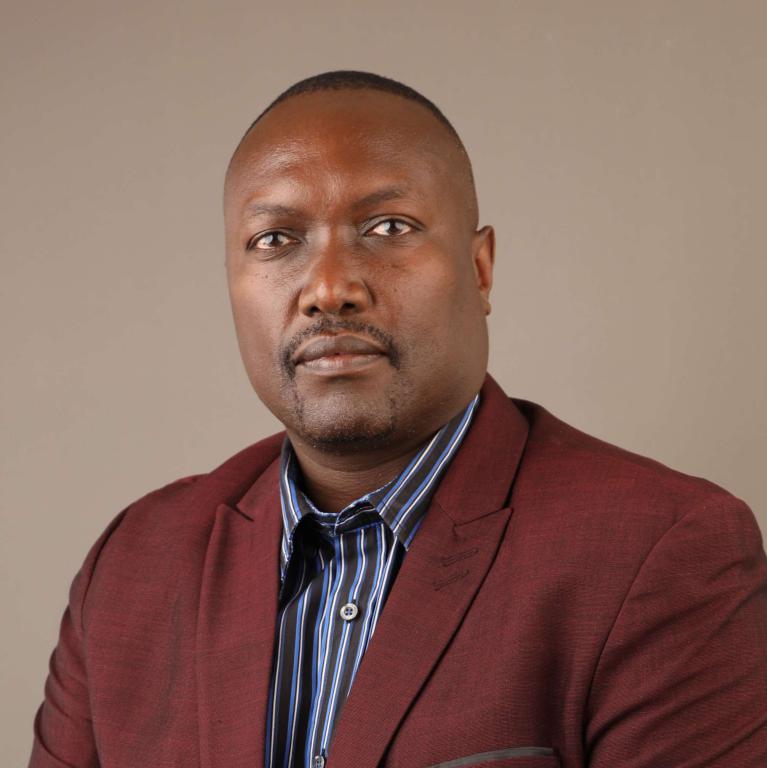
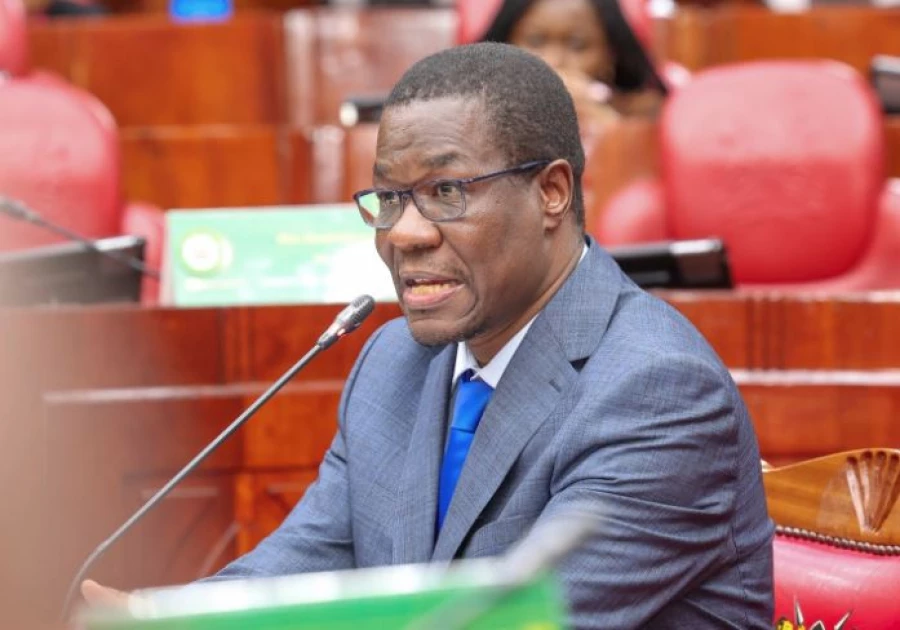
Kang’ata, appearing visibly relieved as he left the courtroom flanked by his legal team, told journalists that the ruling restored faith in judicial processes. “I have been a victim of trial by television,” he said, his voice steady but laced with emotion. “They accused me of profiting from the blood of innocent Kenyans who perished in that plane crash, without a single document, without giving me a chance to respond. Today the court has spoken: no one is above the law, not even a powerful media house.” The governor, who has consistently denied any involvement in the compensation scandal and insists his name only surfaced because he once represented families as a private lawyer before entering politics, added that the apology ordered by the court was only the beginning. “An apology will not undo the damage to my children who were bullied in school, or to my elderly mother who was shunned in church, but it is a start,” he said.
In his ruling, Ng’ang’a was unsparing. He noted that Khaemba had personally received the court order via a WhatsApp group that includes senior journalists and lawyers, and that NTV’s news editor had been copied in an email chain titled “URGENT: Court Order – Kang’ata vs Media.” The magistrate quoted internal NTV emails tendered in evidence where a senior producer wrote, “Legal says hold the story, but desk wants it to lead bulletin—discuss.” The discussion, the court found, ended with a decision to air. “When a media house chooses ratings over the rule of law, it ceases to be a watchdog and becomes a wolf,” Ng’ang’a stated, drawing audible gasps from journalists present. He ordered Nation Media Group and Duncan Khaemba to publish and broadcast a full, unequivocal public apology within 14 days, to be aired during the same 7 p.m. and 9 p.m. bulletins that carried the original story, published on the front page of Daily Nation and The EastAfrican, and pinned on all NTV and Nation.Africa social media platforms for no less than seven days. Failure to comply, he warned, would trigger a show-cause hearing on December 4, with the possibility of civil jail for both the journalist and the editor responsible.
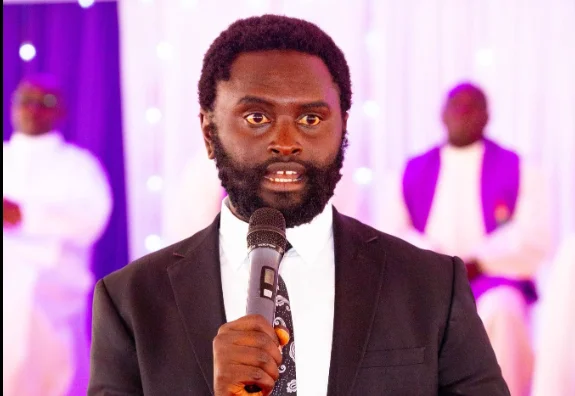
The ruling has ignited fierce debate within media circles. Outside the courtroom, Kenya Editors’ Guild chairperson Churchill Otieno described the judgment as “a chilling moment for press freedom.” “We respect the court, but we also fear that such orders, often obtained ex-parte in the afternoon and served minutes before bulletins, are being weaponised to gag legitimate reporting,” Otieno said. Veteran journalist Linus Kaikai, who was in court to support Khaemba, was more philosophical. “We messed up,” he admitted quietly to colleagues. “We had the order, we discussed it, and we still ran the story. This one is on us.” Khaemba himself, looking shaken as he left court, declined to comment but was overheard telling a colleague, “I stand by the story, but I should have waited for his side.”
Nation Media Group issued a brief statement through its chief operating officer Pamella Sittoni, saying the company was studying the ruling and would “comply with all lawful directives while exploring all available legal remedies.” Sources inside the newsroom on Kimathi Street described a sombre mood, with editors poring over internal communication logs and preparing the mandatory apology script. One senior producer, speaking on condition of anonymity, admitted the decision to air had been driven by competitive pressure. “Citizen and KTN were sniffing the same story—we thought if we held it, they would run,” the producer said. “We gambled and lost.”
For Kang’ata, the victory is bittersweet. The scandal, which first surfaced in March 2025 through leaked DCI documents, has dogged his second term, costing him political capital in a county where development projects have otherwise earned praise. “I have instructed my lawyers to pursue defamation damages separately,” he told reporters. “This apology is for the court order violation. The harm to my name will be addressed in a different forum.”
As dusk settled over Nairobi, the magnitude of the ruling sank in. A media house that has defined Kenyan journalism for six decades now faces the unprecedented prospect of reading its own apology on prime-time television, penned under judicial duress. For journalists watching from the sidelines, it was a stark reminder that the Fourth Estate’s power comes with matching responsibility, and that in the delicate dance between press freedom and the rule of law, one misstep can be costly.
The order served: May 5, 3:17 p.m. Story aired: May 7, 7 p.m. & 9 p.m. Views: 1.8 million in 48 hours. Apology deadline: December 3. Show-cause date: December 4. Otieno’s chill: ex-parte weaponised. Kaikai’s admission: “This one is on us.” Kang’ata’s children: bullied. Sittoni’s compliance: studying ruling. In the republic’s resolute reckoning, contempt concludes—a courtroom clarion where defiance dissolves, and journalism journals justice.