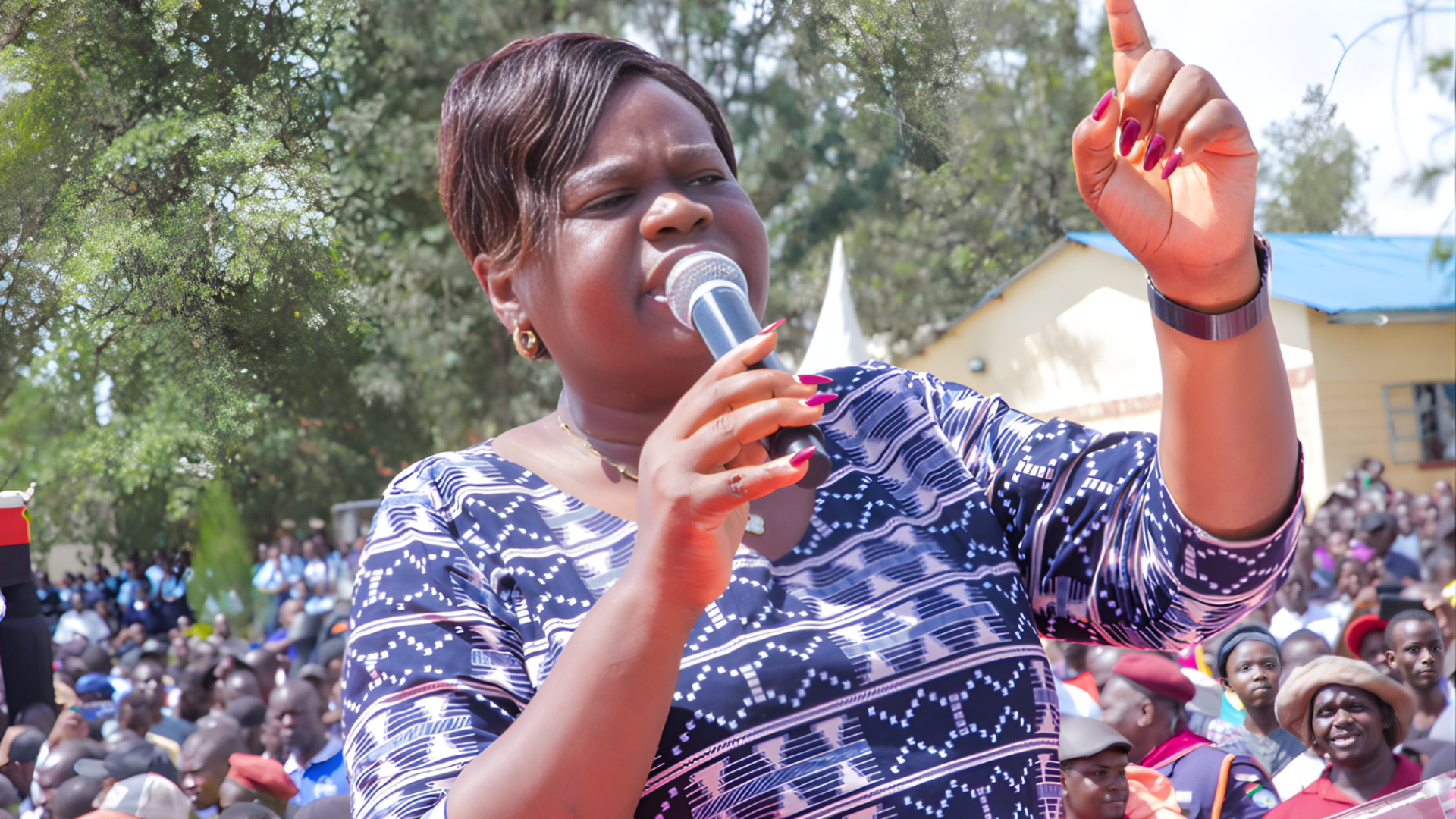
The rolling hills of Kasipul Constituency, where the Luo heartland's red-earth paths wind past thatched homesteads and vibrant maize fields, have long been a cradle of fervent political discourse and communal solidarity, yet in recent weeks, they have become a battleground scarred by the raw underbelly of electoral desperation. On the evening of November 6, 2025, what was meant to be a serene voter engagement session at the bustling Kamuma Sub-location chief's camp—complete with megaphones amplifying messages of development and unity—descended into chaos as a mob of hooded assailants stormed the gathering, wielding pangas and clubs in a frenzy that left two supporters dead, several injured, and vehicles torched in billowing plumes of black smoke. The attack, targeting Orange Democratic Movement candidate Boyd Were's outreach amid a crowd of 300 hopefuls drawn from the constituency's 120,000 voters, has ignited a powder keg of recriminations and fear, prompting ODM Chairperson Gladys Wanga to issue a scathing condemnation that echoes across Nyanza like a thunderclap from Lake Victoria's shores. "The Orange Democratic Movement strongly condemns the escalating acts of violence witnessed in Kasipul Constituency ahead of the upcoming by-election on the 27th of this month," Wanga declared in a press release issued from her Homa Bay County offices on November 7, her words a clarion call laced with the steel of a leader who has risen from the trenches of party infighting to helm one of Kenya's most storied political outfits. "This barbaric act of aggression against a peaceful voter engagement led by our candidate, Boyd Were, resulting in the loss of lives, property destruction, and widespread fear in the community, is unacceptable and a grave threat to our democracy."
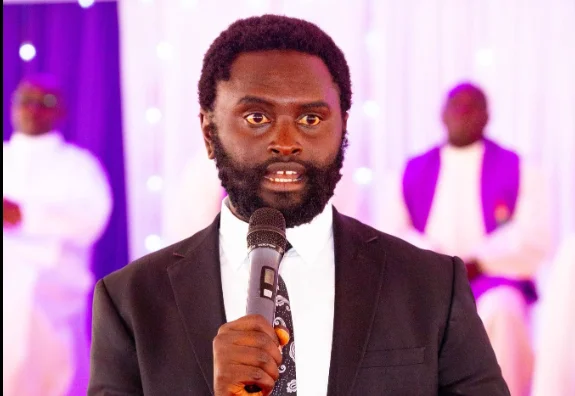
Kasipul, a Luo bastion synonymous with the fiery oratory of liberation icons like Tom Mboya and the enduring legacy of Jaramogi Oginga Odinga, has simmered with volatility since the April 4 assassination of its incumbent MP, Charles Ong'ondo Were, gunned down in a brazen ambush near Nairobi's City Mortuary as he idled at a traffic light, his body riddled with bullets from a lone gunman's pistol. The killing, which police attributed to a contract hit amid whispers of land disputes and rival business dealings, plunged the constituency into a vortex of grief and suspicion, prompting the IEBC to schedule a by-election for November 27 to fill the vacancy in this agricultural jewel of Homa Bay County, home to 150,000 souls and a patchwork of fishing villages along the lake's western arm. Were's death, a stark reminder of the perils shadowing Nyanza's political dynasties, has polarized the race into a high-stakes showdown between ODM's anointed heir, the 32-year-old Boyd Were—Ong'ondo's son, whose boyish charm and promises of continued agribusiness investments have galvanized the party's youth wing—and independent challenger Philip Aroko, a self-made construction magnate whose anti-establishment rhetoric has tapped into simmering resentments over perceived ODM hegemony. "Kasipul deserves a leader who builds bridges, not barricades—my father's legacy was service, not strife," Boyd Were had proclaimed at the ill-fated meeting, his voice carrying over the crackle of a portable PA system as supporters nodded in rhythmic agreement, their placards reading "Boyd for Progress, Peace for Kasipul."
What began as an intimate dialogue on youth empowerment and irrigation schemes for the constituency's rain-fed shambas erupted into pandemonium around 7 p.m., when a group of 20 assailants—described by eyewitnesses as young men in hoodies and jeans, some brandishing crude weapons fashioned from farm tools—surged from the encroaching dusk, hurling stones and igniting jerry cans of petrol that engulfed two campaign vehicles in flames. Chaos reigned: screams pierced the twilight as attendees scattered into the scrubland, mothers shielding children amid the acrid smoke, while Were and his security detail barricaded themselves behind overturned chairs. Two supporters—a 28-year-old farmer from Kamuma and a 35-year-old teacher from nearby Sikri—succumbed to machete wounds before medics from Homa Bay County Referral Hospital could stabilize them, their bodies airlifted to Oyugis Sub-County Hospital amid wails that echoed the constituency's collective trauma. Property losses mounted: Were's branded Toyota Land Cruiser, a gift from party elders, lay gutted, its chassis a smoldering skeleton, while stacks of campaign flyers and branded T-shirts—intended for distribution at the event—were trampled into the mud. "I saw the fire first, then the blades—my brother, he was just holding a banner, not a weapon," recounted 22-year-old student Mercy Achieng, her arm bandaged from a glancing blow, as she huddled with relatives at the chief's camp the following dawn, the scent of charred rubber lingering like a bitter accusation. "This isn't politics; it's butchery. Who unleashes hell on a meeting about school fees and clean water?"
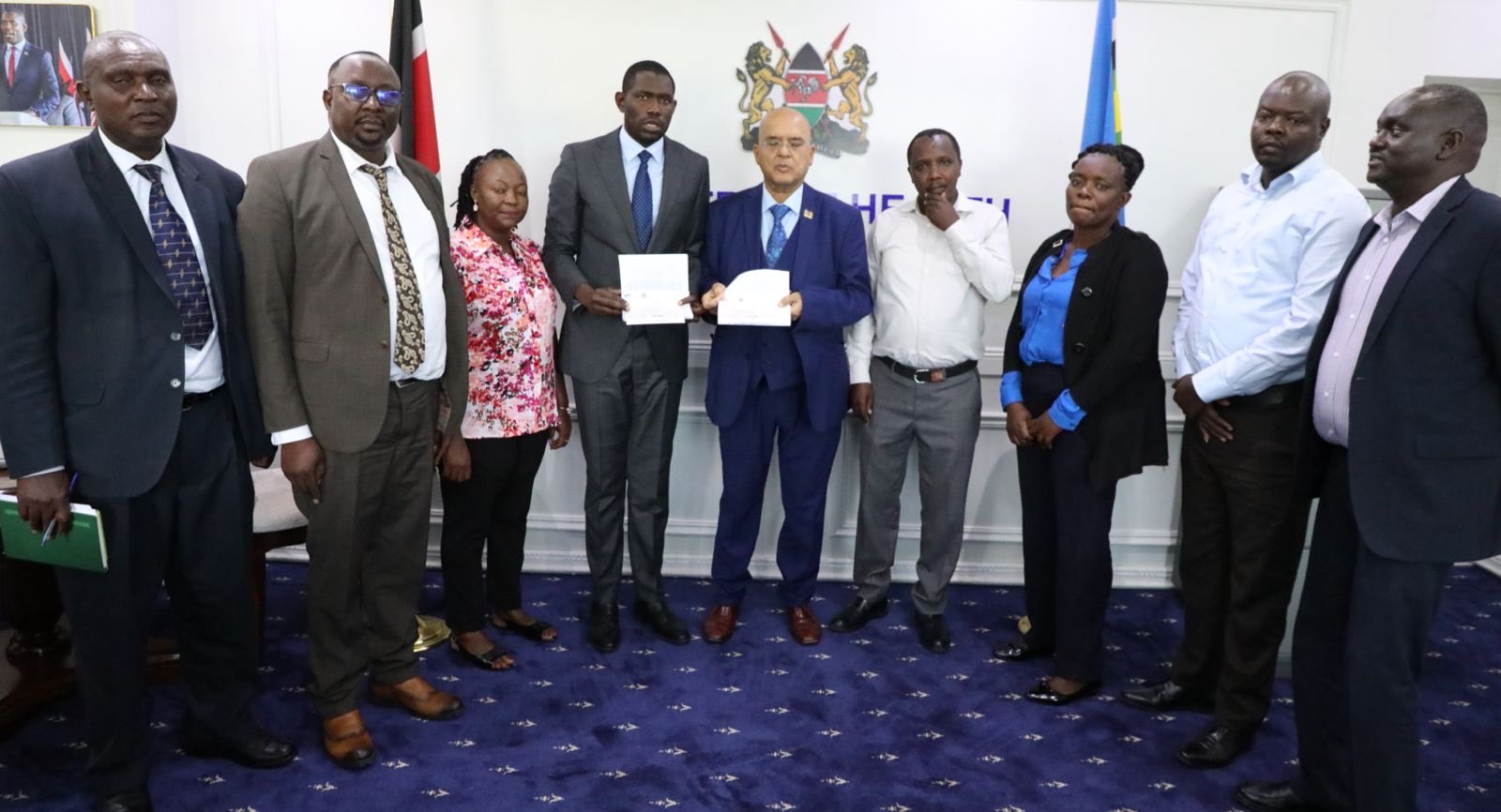
Wanga's condemnation, dispatched from her lakeside office overlooking the shimmering expanse of Lake Victoria where dhows bob like sentinels of forgotten trades, arrived amid a cascade of recriminations that have fractured Kasipul's social fabric like fissures in parched clay. As ODM chairperson—a role she assumed in 2024 amid the party's post-Raila reconfiguration, blending her Homa Bay governorship with national stewardship—she positioned the attack as an assault not just on Boyd but on the democratic soul of a constituency long synonymous with ODM's iron grip, having delivered 85 percent of votes to Raila Odinga in 2022. "Despite intense provocation, our party and candidate have consistently maintained peace and decorum, choosing dialogue over confrontation," Wanga continued in her statement, her words a deft parry against accusations from Aroko's camp that ODM's mobilization—bolstered by high-profile endorsements from Deputy President Kithure Kindiki and Wanga herself during a recent women's empowerment rally—had inflamed tensions. "We wish to make it clear that ODM will not be intimidated by acts of lawlessness aimed at derailing a free, fair, and peaceful election in Kasipul. The people of Kasipul deserve the right to choose their leader without fear, intimidation, and coercion."
Aroko, the 48-year-old entrepreneur whose independent bid has drawn fire for its anti-party barbs and calls for a "people's construction" of Kasipul's future—leveraging his construction firm to promise Sh2 billion in local projects—responded with a volley of his own, linking the violence to ODM's "machine politics" and Wanga's alleged orchestration. In a fiery video posted from his Oyugis campaign headquarters on November 7, Aroko, his face etched with the defiance of a man who has stared down party barons before, accused the governor of fueling the flames through proxies in her county administration. "This nonsense must stop on the 27th of November—I guarantee you, my people, it will stop," Aroko thundered, his finger jabbing the camera as supporters chanted "Aroko ni yetu!" behind him. "We've seen county vehicles ferrying goons, Wanga's staff whispering threats at barazas—Kasipul isn't her playground; it's our patrimony. If you don't support the anointed, you get hacked or stabbed—this is the ODM legacy she's defending, not democracy." His claims, echoed in earlier statements linking Wanga to a decade of "volatile intolerance," have deepened the schism, with local chiefs reporting 10 families displaced in Kamuma since the attack, their homes torched in retaliatory arson that police attribute to "tit-for-tat vigilantism."
The violence, far from isolated, traces a bloody lineage in Kasipul's political DNA, a constituency where electoral stakes have historically drawn blood like leeches to open wounds. Ong'ondo Were's April assassination—his sedan riddled with 12 bullets at a Nairobi intersection, the gunman melting into traffic before police could cordon the scene—had already cast a pall, with investigations stalling amid whispers of contract killings tied to a Sh500 million land row in Rongo. Earlier flare-ups scarred the September 24 ODM primaries, where low turnout and clashes marred Boyd's nomination sweep, viral videos capturing schoolchildren "voting" under duress and aspirants like Vincent Nyaguti decrying rigging as "barbaric." Aroko, cleared by IEBC as an independent on October 10, had vowed to "restore sanity," only for his October 31 rally in Sikri to dissolve into brawls that left three hospitalized, women assaulted during a supposed empowerment drive. "Kasipul's politics is a coliseum—gladiators in party colors, spectators paying with blood," lamented elder Paul Otieno, 68, at a November 7 peace baraza under a sprawling acacia in Oyugis, his pipe smoke curling like unanswered prayers. "Were's death was the spark; now, it's a bonfire consuming our youth's future."
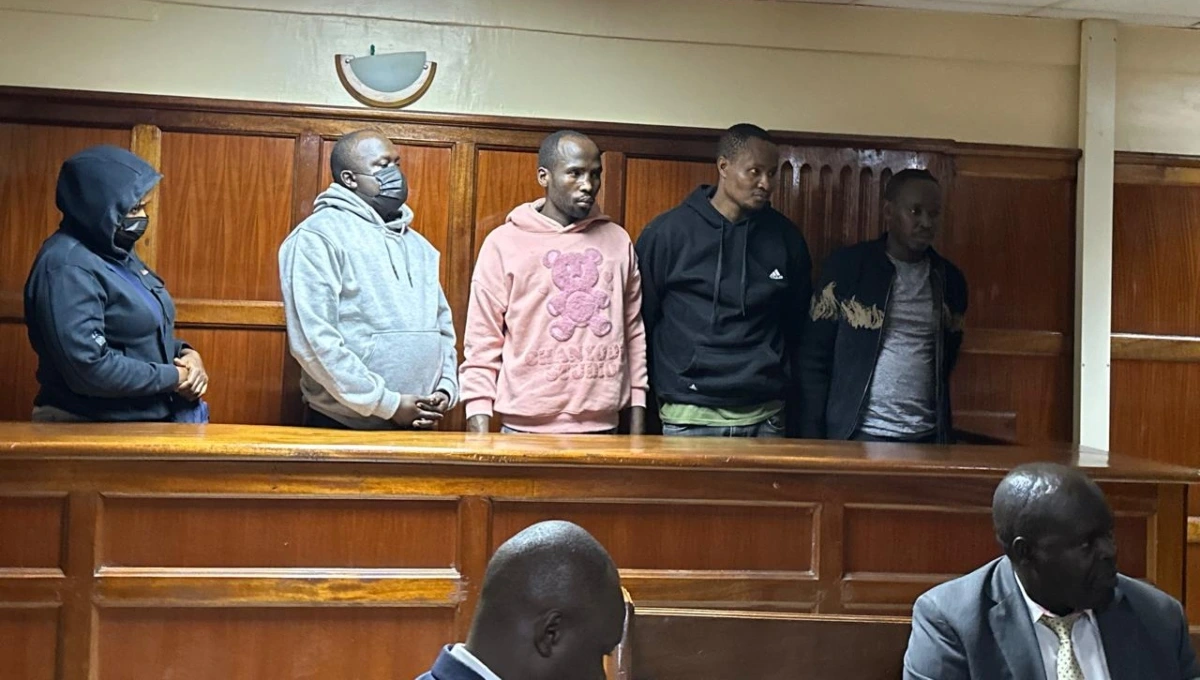
Wanga's call for swift justice cuts to the core of a security apparatus stretched thin across Homa Bay's 3,000 square kilometers, where a force of 1,200 officers contends with lake banditry, cattle rustling, and now, electoral arson. "We call upon security agencies to act swiftly and decisively and bring to book perpetrators and financiers of these acts of violence," she urged, her statement a direct shot across the bow of the Nyanza Regional Police Command, led by Commander Robert Kimani, who had dispatched 50 anti-riot units to Kasipul by November 7 morning. Kindiki, the Deputy President whose October 31 cameo at Boyd's rally—framed as a "broad-based" show of unity—had drawn Aroko's ire, echoed the demand from Nairobi. "Kasipul's blood must not be election ink—arrests, not alibis," Kindiki tweeted, his words a rare bipartisan barb amid the government's post-Raila detente. Early arrests trickled in: three youths from Rongo, aged 19 to 24, nabbed at a Kamuma roadblock with bloodied pangas and ODM-stamped T-shirts, their affidavits hinting at "paid directives" from unnamed patrons. "We were told to 'disrupt the enemy'—money changed hands at a tea kiosk," one confessed in a leaked interrogation clip circulating on WhatsApp groups, his face blurred but voice unmistakable.
Wanga's invocation of the IEBC strikes at the election's impartial core, a body still reeling from the 2022 audit scandals that had delayed its reconstitution until August 2025. "We urge the Independent Electoral and Boundaries Commission to ensure a level playing ground for all candidates," she pressed, her words a preemptive shield against Aroko's rigging cries—allegations of pre-ticked ballots in the September primaries and "ghost voters" padded by county workers. IEBC Commissioner Abdi Guliye, in a November 7 Oyugis statement, recommitted to "sterile neutrality," dispatching 200 monitors and 50 mobile kits for real-time scrutiny. "Kasipul's ballot must be as clean as Lake Victoria's waters—no mud from machinations," Guliye affirmed, his metaphor a nod to the constituency's fishing heritage, where tilapia nets ensnare more than just fish. Yet, shadows persist: Aroko's camp, bolstered by Oburu Oginga's quiet backing, petitions for recounts in contested primaries, while Boyd's youth brigade—over 2,000 mobilized via TikTok anthems—vows "peaceful vigilance." "We're not fighters; we're future-makers—let the vote, not violence, decide," Boyd Were urged at a subdued November 7 memorial for the slain supporters, his eulogy under a tent in Kamuma drawing 500 mourners who lit candles against the encroaching dusk.
For Kasipul's residents—a mosaic of 80 percent Luo farmers tilling millet plots and fishing the lake's bounty, their lives a rhythm of seasonal rains and market days—the violence is a thief in the night, pilfering not just lives but livelihoods. In Sikri's market, where vendors hawk omena from reed baskets amid the chatter of Luo proverbs, 30-year-old trader Rose Adhiambo tallies the toll: 20 businesses shuttered since September, tourism from Homa Bay's beaches dipping 10 percent amid whispers of unrest. "Boyd talks development; Aroko promises peace—both good, but blood buys neither," Adhiambo sighed, her stall's ledger red with lost sales. Elders at Oyugis's Catholic church, where Sunday masses blend gospel with governance pleas, invoke ancestral wisdom: "Politics is like the lake—deep, but drowns the unwary." Wanga's intervention, as ODM's steward and Homa Bay's governor, carries weight: her 2022 sweep delivered 90 percent in Kasipul, but cracks show in Aroko's 20 percent polling surge per informal surveys. "Wanga's word is wind unless wrists are cuffed," quipped local chief Mary Atieno during the baraza, her uniform crisp but eyes weary from mediating clan feuds sparked by campaign whispers.
As the by-election's countdown ticks to November 27, Kasipul braces like a village before a storm: police checkpoints sprout like mushrooms after rain, youth curfews clamp at 8 p.m., and harambees swell for victims' families, their collections at Sh200,000 and climbing. Boyd, campaigning in subdued tones from a fortified Oyugis base, pledges continuity: "My father's vision was villages with lights, not lit by fires—let's vote for dawn, not dusk." Aroko, from his Rongo war room, counters with calls for "construction, not conflagration," his billboards promising Sh500 million in local contracts. Wanga's dual mantle—party chair and county helmsman—positions her as fulcrum: her October 31 rally, drawing 10,000 with Kindiki's star power, had framed Boyd as "Nyanza's bridge-builder," but now, her condemnation doubles as clarion. "ODM stands unbowed—intimidation is the loser's lash; victory, the people's palm," she affirmed in a follow-up radio address on Ramogi FM, her lilt lacing resolve with Luo proverb.
In this crucible of constituency calculus, where 120,000 voters hold a nation's gaze, Wanga's voice endures as anchor: against violence's vortex, for justice's jetty. As November's lake winds whisper across Kasipul's thatches, the attack's ashes smolder as reminder—democracy's dance demands not daggers, but dialogue. For Adhiambo at her stall, Otieno at his pipe, and the bereaved at their gravesides, the plea rings true: hold the perpetrators, level the field, let the ballot bloom. In Nyanza's unyielding narrative, where politics pulses like Victoria's tides, Wanga's condemnation charts course: from carnage to choice, a by-election where hope, not harm, crowns the dawn.
The incident's tendrils extend to national fissures: Kindiki's rally, a broad-based olive branch amid Ruto-Raila detente, drew Aroko's fire as "UDA infiltration," his video decrying Wanga's "hidden agenda" in inviting Rift Valley muscle to Luo turf. Oburu Oginga, the elder statesman whose 2024 tilt toward Aroko irked ODM hawks, issued a measured missive: "Violence veils virtue—let IEBC's light expose all." IEBC's Guliye, at Oyugis, deployed 50 additional monitors, their kits stocked with biometric scanners to sniff out duplicates. Police Commandant Kindiki, in a Nyanza sweep, arrested 12 suspects by November 8, their interrogations yielding leads to "financiers" in Rongo's gold trade. Wanga, convening a Nyanza security summit on November 9, pledged Sh10 million for victim funds, her baraza in Kamuma drawing 2,000 who chanted "Peace, not pangas!" Boyd, undeterred, resumed door-to-door in Sikri, his handshake with Atieno a symbol of reconciliation. Aroko, at a youth caucus, urged "vigilance, not vengeance," his camp's 20 percent polling a wildcard in a race where ODM's 85 percent 2022 haul faces erosion.
For Kasipul's youth—60 percent under 25, unemployment gnawing at 25 percent—the violence is a thief of tomorrow: 18-year-old student Lilian Otieno, witness to the blaze, dreams of university but fears polls' perils. "Boyd or Aroko, let it be ballots, not bodies—our future's football fields, not funeral tents," she confided at the church, her notebook filled with essay drafts on "Peace in My Constituency." As the by-election nears, the lake's lap at Oyugis pier whispers of what could be: a Kasipul where voter voices rise like mist at dawn, unmarred by midnight's malice. Wanga's appeal, in this light, is as beacon as burden—as chairperson, her condemnation compels; as governor, her governance calls. In the republic's resilient rhythm, where Nyanza's narrative navigates from nadir to nexus, the attack's echo fades to a vow: justice, not jitters; fairness, not fear—a by-election where Kasipul chooses not in chains, but chorus.