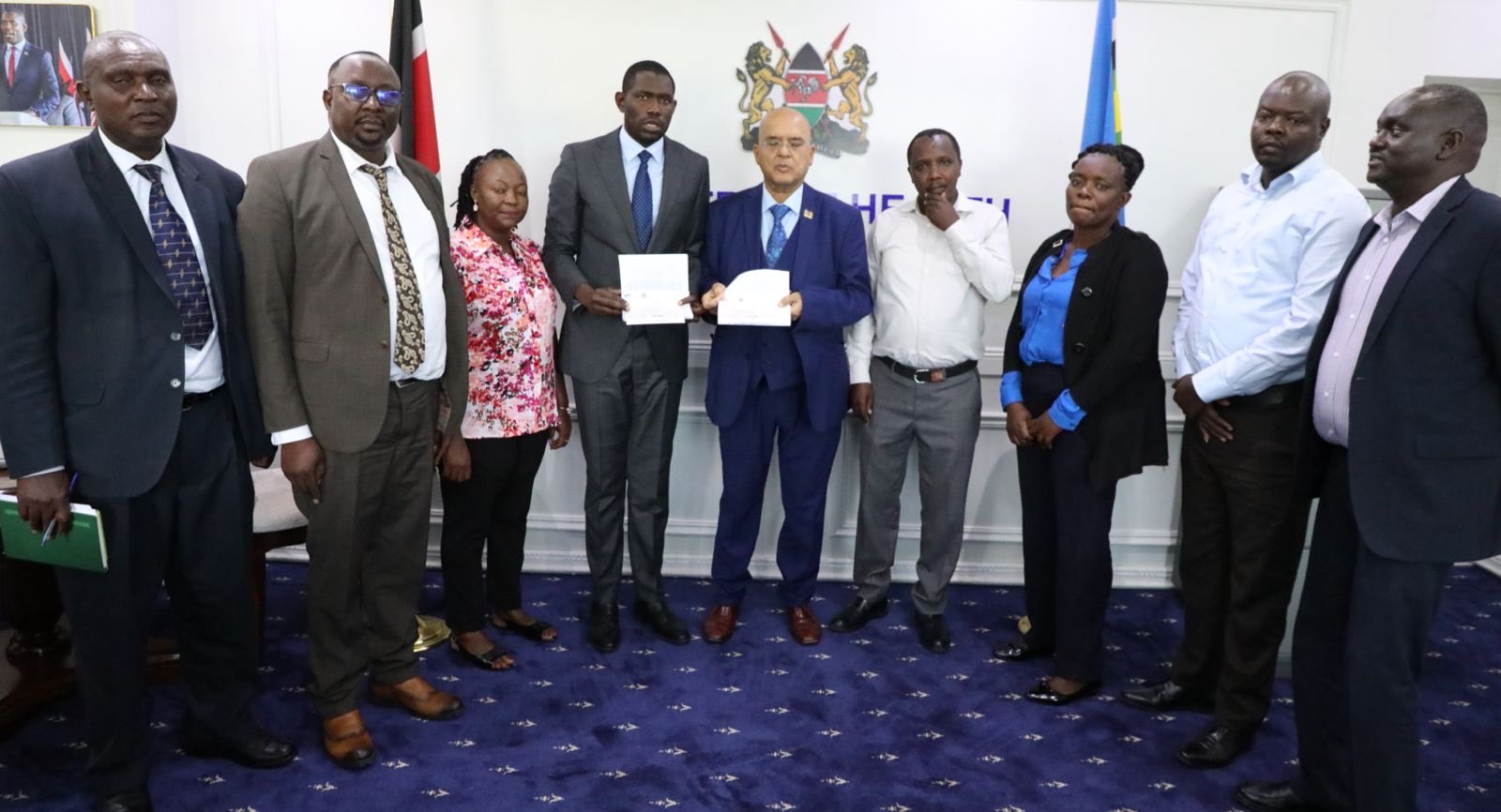
The sunlit corridors of the Orange Democratic Movement's headquarters on Nairobi's Ngong Road, where the walls are adorned with faded posters of past rallies and the air carries the faint echo of anthems from the party's storied marches, have become a battleground for the soul of one of Kenya's most enduring political machines. On November 18, 2025, a group of life members, spearheaded by the vocal activist Rachael Tabitha, submitted a formal petition to the party's National Elections Board, demanding the immediate resignation of Oburu Odinga from all leadership positions. The document, a meticulously drafted 15-page manifesto of grievances addressed to the board's chairperson and copied to the party's National Executive Committee, accuses Oburu—the 81-year-old elder statesman and brother of the late Raila Odinga—of flagrant constitutional violations, sidelining long-serving members, and eroding internal democracy in a manner that threatens to delegitimize ODM's very foundations. "We, the undersigned Life Members of the Orange Democratic Movement, led by Hon. Rachael Tabitha, submit this petition in exercise of our rights as loyal, dedicated, and constitutionally recognised life members of the party," the opening lines read, a declaration that sets the tone for a missive blending legal precision with the raw passion of principled dissent. "Dr. Oburu Odinga and a select group of leaders have ignored due process, sidelined loyal members, and breached Article 6.2.2(b) of the Party Constitution, creating a governance crisis that erodes public confidence and contradicts the rule of law ODM has championed for years." odm members.png2.52 MB
The petition arrives like a thunderclap in the fragile calm following Raila Odinga's October 15, 2025, passing, a void that has left ODM—a party forged in the fires of the 2005 referendum and tempered by five presidential runs—grappling with questions of succession, identity, and purpose. Oburu, appointed acting party leader on October 16 in an emergency National Executive Committee meeting at the party's Mombasa headquarters during the 20th anniversary celebrations, was formally ratified on November 13 by the National Governing Council in a vote that passed 380-0 amid abstentions from a handful of ACT-Wazalendo allies. The move, intended as a bridge to stability, has instead ignited a schism, with Tabitha's faction—comprising 25 life members including vocal Jeshi Ya Baba activists and former party operatives—arguing that it flouts the constitution's provisions for interim leadership transitions. Article 6.2.2(b), they contend, requires the deputy party leader—currently Hassan Joho—to assume acting duties pending a National Delegates Convention (NDC), a democratic forum of 2,000 delegates from across the country's 290 constituencies that has historically elected leaders like Raila in 2007 and 2017. "Oburu's installation was a coronation without crown—premature, disrespectful to the structures Raila built through sweat and sacrifice," Tabitha asserted in a November 18 press conference at the NGO Coordination Board offices in Upper Hill, her voice steady as she clutched a copy of the ODM constitution bound in orange leather. "We demand his immediate resignation from all leadership positions, the convening of an urgent NDC to deliberate on this governance crisis and restore legitimacy to party structures, and full respect and recognition of life members' rights in decision-making processes."
Tabitha's petition, circulated via email to 500 party officials and posted on X where it garnered 15,000 views in 24 hours under the hashtag #RestoreODMDemocracy, paints a picture of a party adrift in the post-Raila era. The signatories—drawn from life members who paid Sh50,000 fees in the 2010s to secure lifetime voting rights—allege that Oburu and a "cabal of elders" have bypassed Article 9 on NDC convening, sidelined deputy leaders like Joho and Mombasa Governor Abdulswamad Nassir, and ignored calls for a special convention from Raila's daughter Winnie Odinga during the Mombasa anniversary. "The ODM we know was born in the streets, not in secret deals—Oburu's leadership mocks that birth, reducing us to spectators in our own party," Tabitha continued, her words a rallying cry for the 1,200 life members who, under the constitution, hold veto power on major decisions. The document sets a 30-day ultimatum: act or face mass resignations "in protest under the Raila school of thought against the ongoing violation of constitutional order," a veiled threat that evokes the 2013 walkouts by ODM MPs over Raila's NASA formation.
The petition's timing, just five days after Oburu's ratification, amplifies the fissures exposed during the Mombasa celebrations, where Winnie Odinga had publicly questioned the process, alleging "unnamed party leaders are plotting to sell off the ODM founded by my late father in 2005." Her November 15 X post—"We need to go back to the people and hold an NDC to see who they want to take the seat"—drew 25,000 likes and retweets, igniting a thread where Saboti MP Caleb Amisi warned that "nomination certificates signed by Oburu could be challenged in court" and questioned why deputy leaders were "sidelined like extras in their own movie." Amisi, a Raila loyalist whose Trans Nzoia constituency delivered 70 percent for ODM in 2022, echoed Tabitha's call in a November 19 interview on Ramogi FM: "This is premature and disrespectful to Baba's legacy—the constitution is clear; interim is Joho or Nassir until NDC. Oburu's move smells of elder gatekeeping, not democratic handover." The MP's remarks, broadcast to 1.5 million listeners in Nyanza, fueled a petition that swelled to 150 signatories by November 20, including former ODM secretary-general Edwin Sifuna and Embakasi East MP Babu Owino, who tweeted: "ODM was built on protest, not plots—NDC now, or we walk."
Oburu's defenders, led by party vice-chairperson Godfrey Osotsi and National Chairman John Mbadi, have framed the dissent as grief-fueled discord rather than democratic deficit. In a November 20 Mombasa presser drawing 200 journalists, Osotsi dismissed the petition as "a storm in a teacup from a vocal minority." "Dr. Oburu was unanimously chosen by the NEC on October 16 as a caretaker until the NDC in February 2026—Tabitha's group confuses urgency with anarchy," Osotsi stated, his tone paternal as he waved a copy of the ratification minutes. Mbadi, the Treasury Cabinet Secretary whose November 13 swearing-in had symbolized ODM's broad-based foray into government, added a pragmatic plea: "ODM is bigger than one meeting or one motion—Raila himself blessed Oburu's interim role. Let's mourn, then move forward united, not splintered by signatures." The chairman's words, however, rang hollow to Tabitha, who retorted in a November 21 X thread viewed 50,000 times: "Unity without constitution is uniformity—Mbadi serves in cabinet; we serve the party's soul. NDC or nothing."
The petition's three demands—Oburu's resignation, urgent NDC, life members' recognition—strike at ODM's core identity, a party born from the 2005 referendum's rejection of constitutional tweaks and Raila's 2007 presidential bid that mobilized 4 million votes on a platform of equity and anti-corruption. Life members, a cadre of 1,200 paying Sh50,000 in the 2010s for perpetual voting rights, hold sway under Article 7, granting them veto on leadership elections. "We invested in ODM's democracy; now, it's being auctioned to elders," Tabitha argued in her presser, flanked by 20 petitioners including Jeshi Ya Baba activists who had rallied 50,000 youth in 2022's Azimio campaigns. The call for NDC, ODM's supreme organ of 2,000 delegates, invokes 2017's gathering that re-elected Raila amid unity chants—a forum Tabitha envisions as "governance's grand jury."
Internal tensions, simmering since Raila's October death, boil over: Winnie's Mombasa speech on November 15—"certain officials plotting to sell the party"—drew Oburu's retort: "Disagreements with Winnie resolved domestically, family level." Sifuna, Nairobi Senator, in a November 22 Citizen TV interview: "Petition premature—NDC February; let's heal, not hurl." Owino's tweet: "NDC now, or ODM no more." Amisi's Ramogi: "Constitution clear—interim Joho." For Tabitha: "30 days or we walk—Raila's school of thought demands it."
As November's lake mists rise, the petition pulses: ODM's crossroads where constitution confronts cabal, democracy demands delegates—a party's plea where life members lead, and legitimacy lingers.
The petition's 15 pages: Article 6.2.2(b) breach, sidelining deputies, 30-day ultimatum. Signatories: 150 by November 20, including Sifuna, Owino. Winnie's post: 25,000 likes. Osotsi's presser: 200 journalists. Mbadi's plea: Mombasa. Sifuna's TV: February NDC. Owino's tweet: 10,000 RTs. Amisi's radio: 1.5 million listeners. For Tabitha: "Raila's school." In ODM's resilient ranks, the rift resonates—a constitutional crusade where signatures summon synod, and party pulses with principled protest.