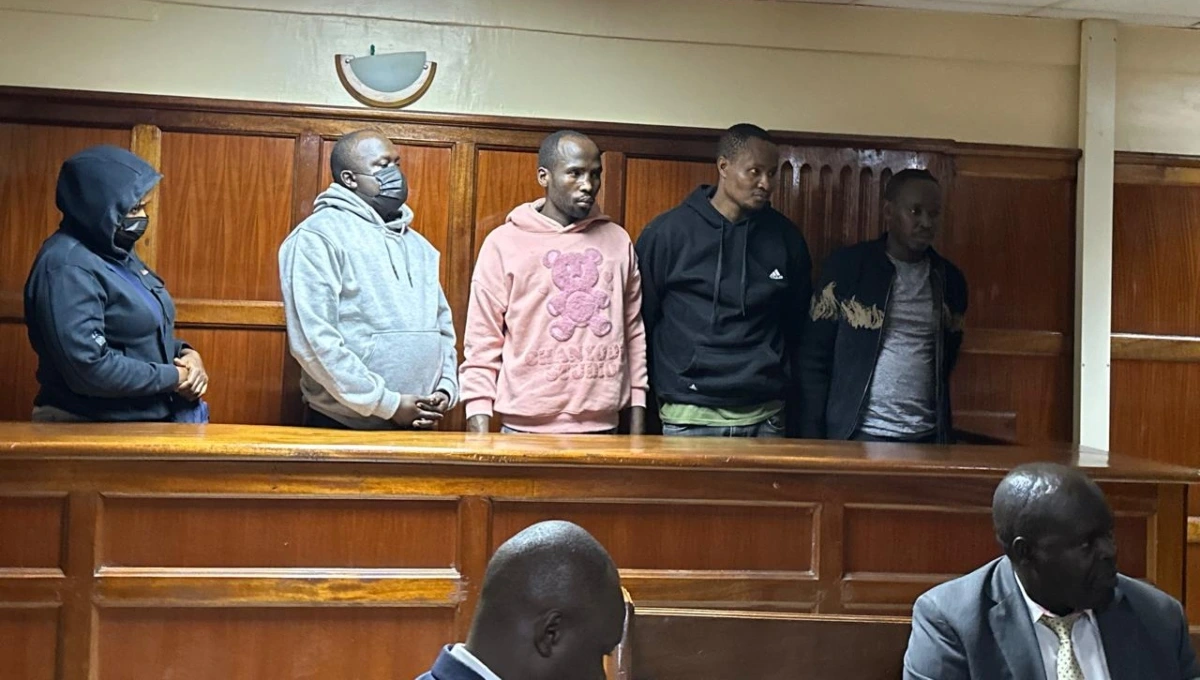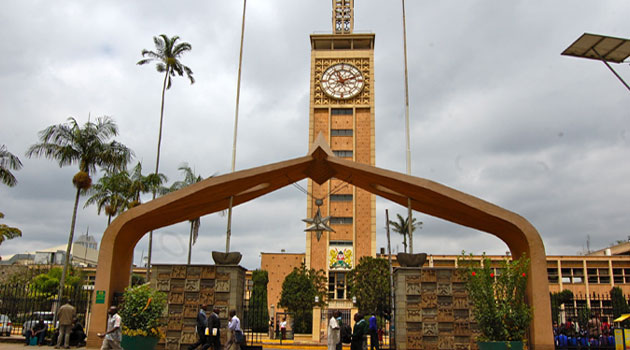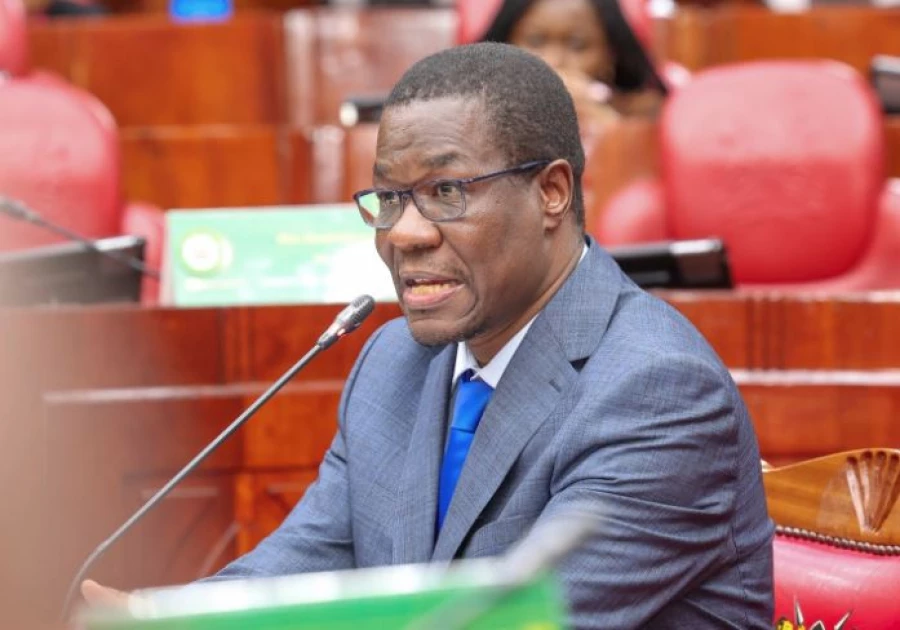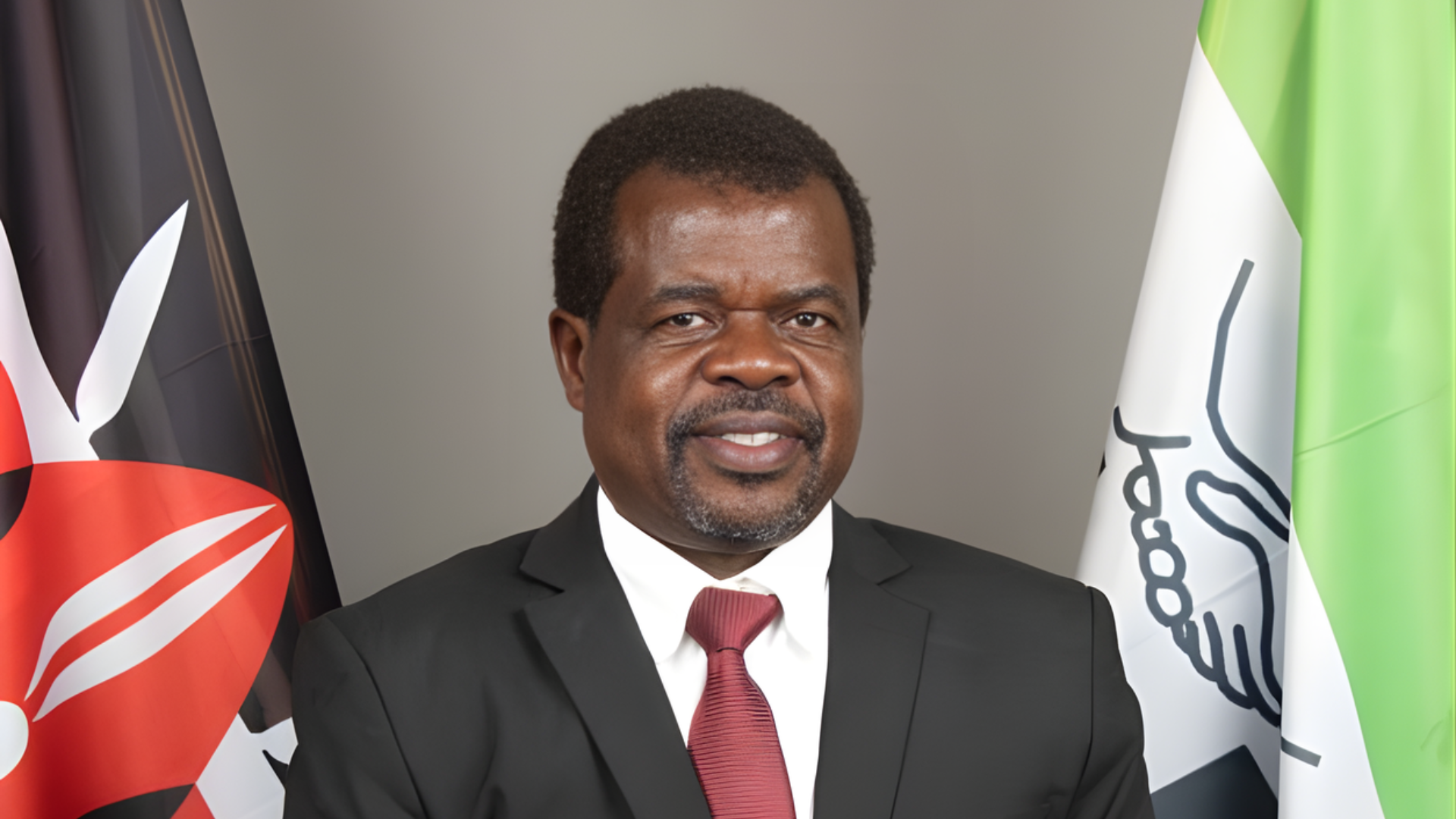
The marbled halls of the Milimani High Court in Nairobi, where the air hangs heavy with the scent of polished wood and the weight of constitutional challenges, became the arena for a fresh salvo against the Independent Electoral and Boundaries Commission on the morning of November 19, 2025. Busia Senator Okiya Omtatah, the indefatigable activist-turned-lawmaker whose legal crusades have repeatedly tested the boundaries of electoral integrity, filed a petition accusing the IEBC of unlawfully usurping the role of constituency returning officers by re-verifying, recounting, and altering presidential election results at the National Tallying Centre. The suit, lodged under Certificate of Urgency No. 567 of 2025 before Justice George Odunga, seeks to declare the commission's actions unconstitutional and a violation of Article 86, which vests tallying authority at the constituency level. "The IEBC has no business playing returning officer at the national tallying center—that's a usurpation of powers reserved for constituency officials, a blatant breach that undermines the very architecture of our democracy," Omtatah declared from the court's bustling foyer, his voice steady amid the scrum of reporters and supporters waving placards reading "Tally Local, Declare Honest." "By re-counting and re-verifying results in Bomas, the commission has opened the door to manipulation, turning what should be a transparent aggregation into a shadowy revision. We demand the court declare it null and void, and restore the sanctity of the ballot."
Omtatah's petition, a 28-page manifesto of meticulously documented grievances supported by affidavits from five constituency returning officers and 12 petitioners including activists Khalif Khelef and youth leader Boniface Mwangi, contends that the IEBC's centralization of verification processes flouts the Elections Act, 2011, Section 39, which mandates that results from Form 34A—generated at polling stations and aggregated at constituency levels—remain final and unalterable by the national commission. The senator, who won his Busia seat in 2022 under the National Rainbow Coalition after a career of filing over 100 public interest litigations, argues that the practice, first flagged in the 2017 election petition and repeated in 2022, erodes public trust and invites the very irregularities that led the Supreme Court to nullify Uhuru Kenyatta's victory in 2017. "The tallying center is for aggregation, not adjudication—re-verifying constituency results is like a referee changing the score after the whistle," Omtatah elaborated in his submissions, his finger jabbing at a timeline chart showing 15 instances of alleged alterations in Nairobi, Kisii, and Meru constituencies during the 2022 polls. "Article 138(7) requires the chairperson to declare results based on verified forms; anything else is a constitutional sleight of hand."
The case's origins lie in the lingering distrust from the 2022 general election, where the Supreme Court dismissed Raila Odinga's petition despite evidence of discrepancies in 27 constituencies, including 140,000 untallied votes as argued by Omtatah in his own 2022 suit. This latest action, filed jointly with the Busia Youth Network and the Kenya Human Rights Commission, seeks not just a declaration of illegality but an injunction halting future national re-verifications and mandating constituency-level audits with observer access. "We have affidavits from returning officers in Kitui and Embu who were overruled at Bomas—forms 34B altered by 2 percent in one case, flipping a ward's winner," Omtatah continued, his eyes narrowing as he recounted the testimony of Kitui Central's officer, who claimed a 500-vote adjustment in favor of the Kenya Kwanza candidate. "This isn't oversight; it's overreach—a system designed for transparency twisted into a tool for tampering."
Justice Odunga, a veteran of electoral benches whose 2013 ruling on the presidential petition had set precedents for result verifications, has scheduled a mention for November 25, with Omtatah pushing for ex parte orders to suspend IEBC's tallying protocols pending hearing. The IEBC, represented by its legal director, responded with a notice of intention to oppose, calling the petition "frivolous and an attempt to re-litigate settled matters." "The commission's verification at the national center is a safeguard against constituency errors, as upheld by the Supreme Court in 2017 and 2022," the notice argued, citing Article 86(1) on free and fair elections. Chairperson Wafula Chebukati, in a November 20 statement from the IEBC's Gracia Tower offices, defended the process: "Re-verification ensures accuracy, not alteration—our systems caught 5,000 duplicates in 2022, protecting the vote's sanctity." Yet, Omtatah's team, bolstered by amicus briefs from the Katiba Institute and the International Commission of Jurists, counters with data: a 2024 audit showing 8 percent discrepancies in 45 constituencies during manual tallies.
Omtatah's crusade, a hallmark of his 20-year legal activism from the 2005 referendum petitions to the 2020 BBI challenge, resonates in a nation where electoral distrust lingers like a scar from 2007's violence. "The IEBC's central power grab disenfranchises the constituency's voice—the very decentralization devolution promised," Khalif Khelef, a co-petitioner and youth advocate, told reporters outside the court, his placard reading "Tally Local, Trust National." Mwangi, the youth leader whose 2024 Gen Z protests had forced IEBC reforms, added: "We marched for clean tallies; Bomas backrooms betray that blood." The petition's 12 prayers include quashing all 2022 presidential results from re-verified forms, mandating constituency veto on alterations, and independent audits for 2027.
As November's mists cloak Milimani, Omtatah's suit endures: tallying's trial where local voices vindicate, and IEBC's empire endures examination—a constitutional clarion where verification vindicates voters, and Kenya's ballot breathes balanced.
The petition's 28 pages: affidavits from 5 CROs, 12 petitioners. Kitui 500-vote flip. Embu 2% alteration. Odunga's mention: November 25. IEBC's oppose: Article 86. Chebukati's statement: 5,000 duplicates. Khelef's placard: "Tally Local." Mwangi's march: Gen Z 2024. For Khalif: "Decentralization devolution." In the republic's resolute recount, the suit summons scrutiny—a high court harmony where results resonate real, and democracy dawns defended.