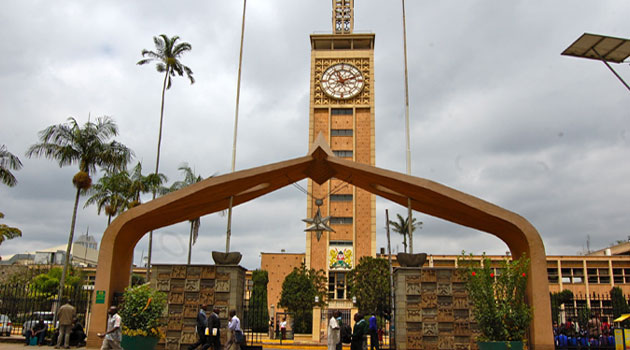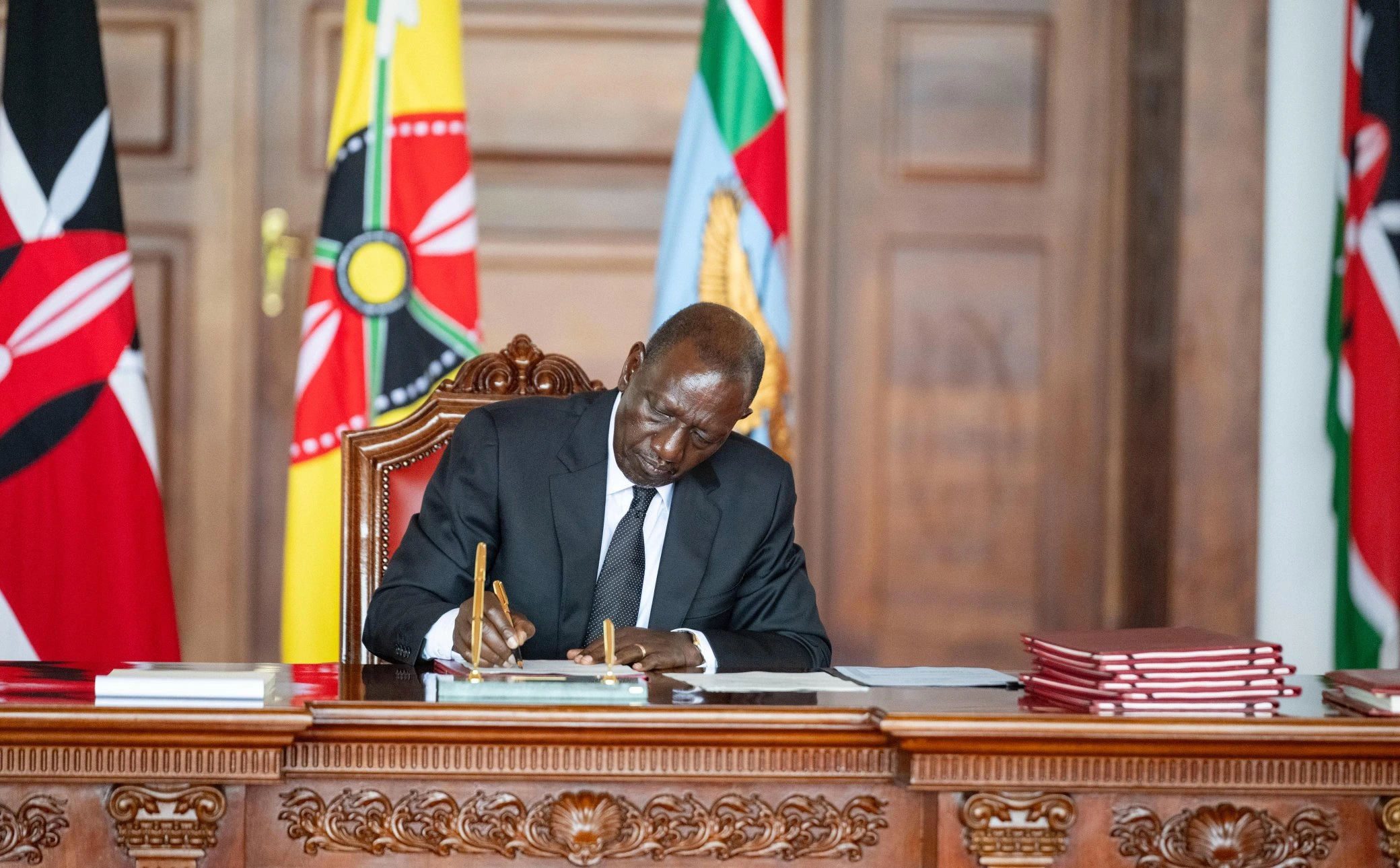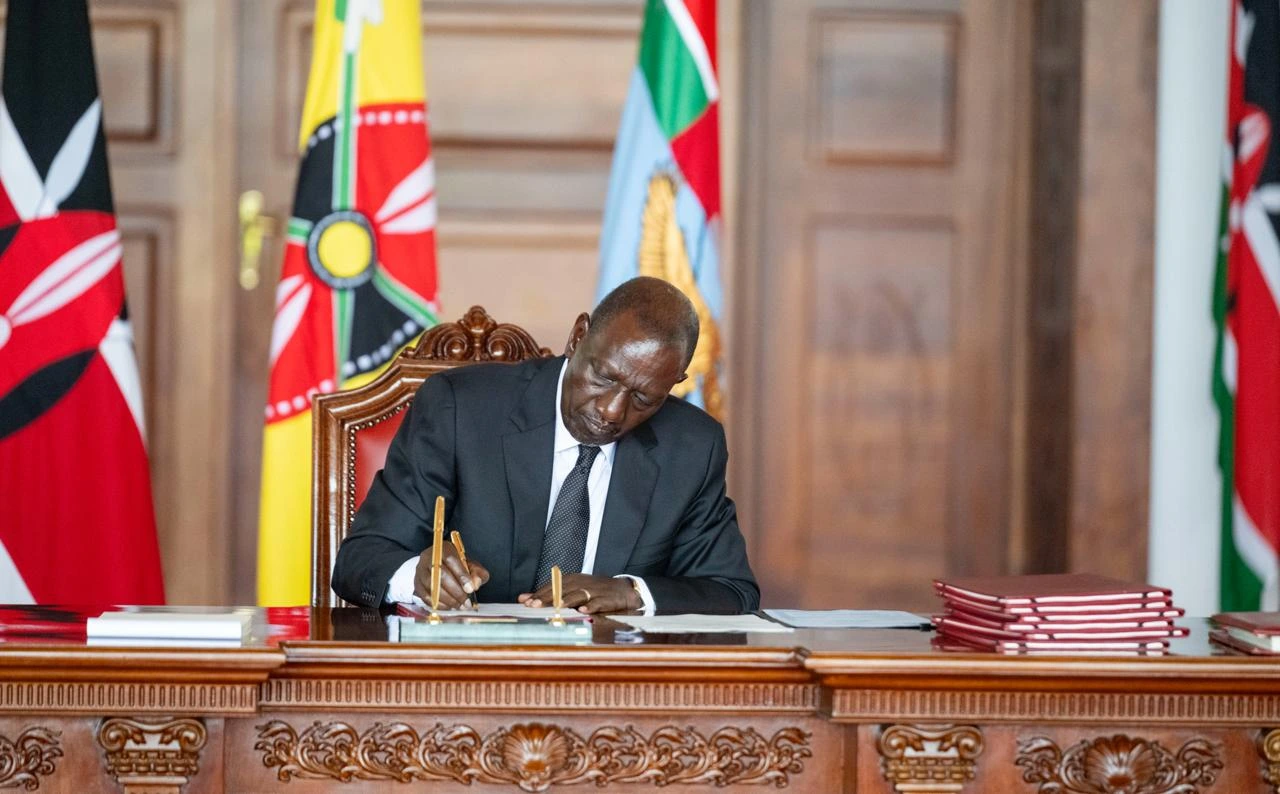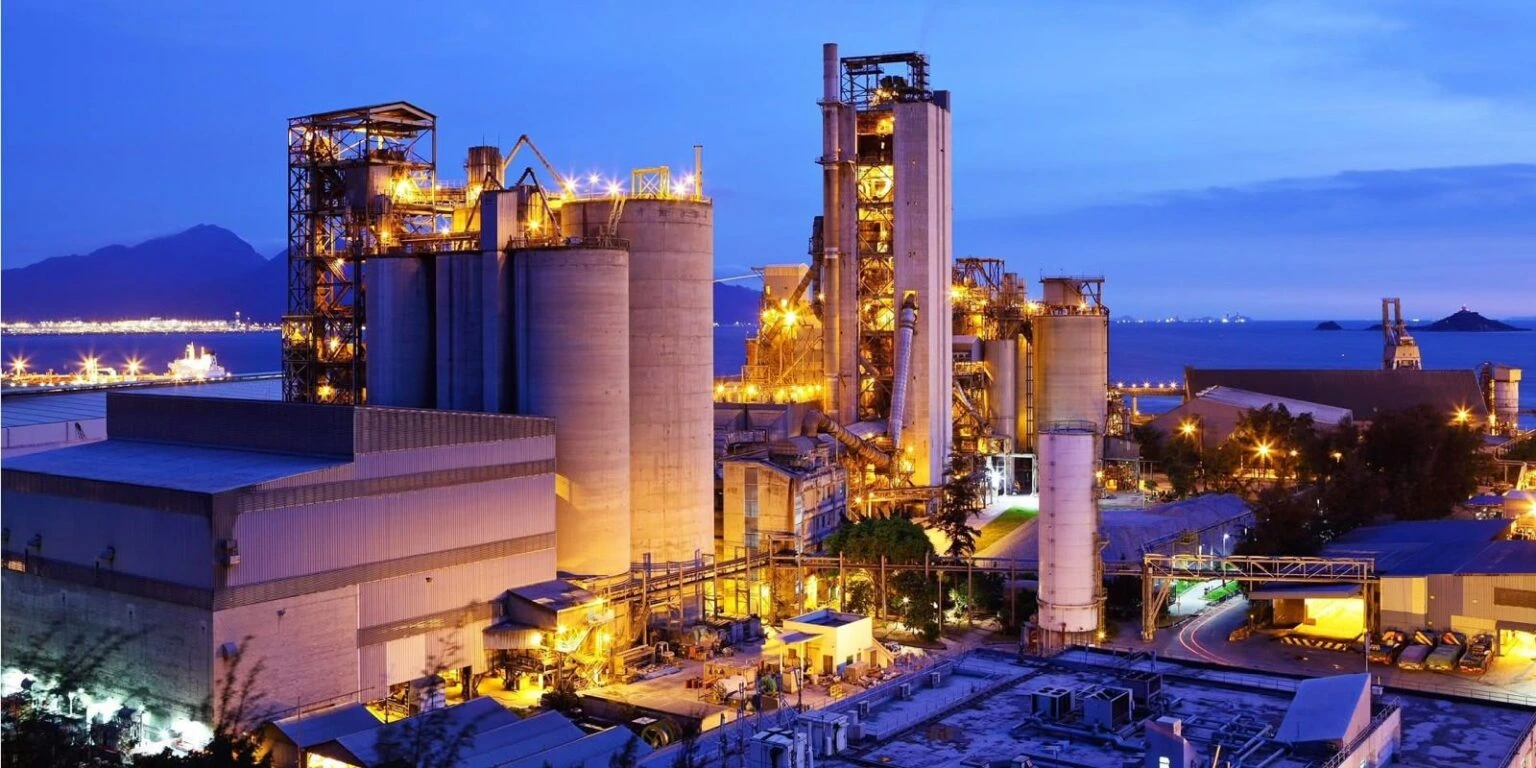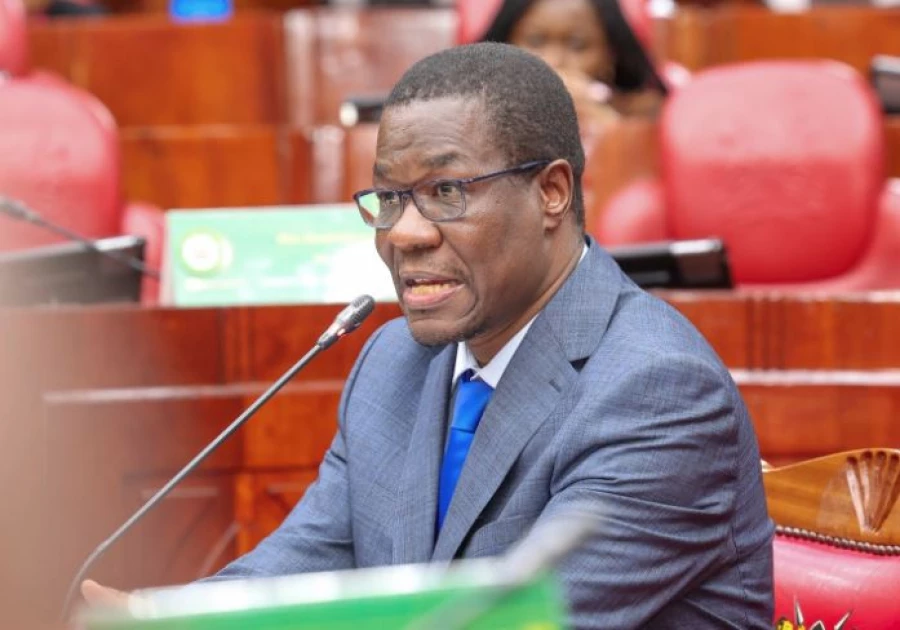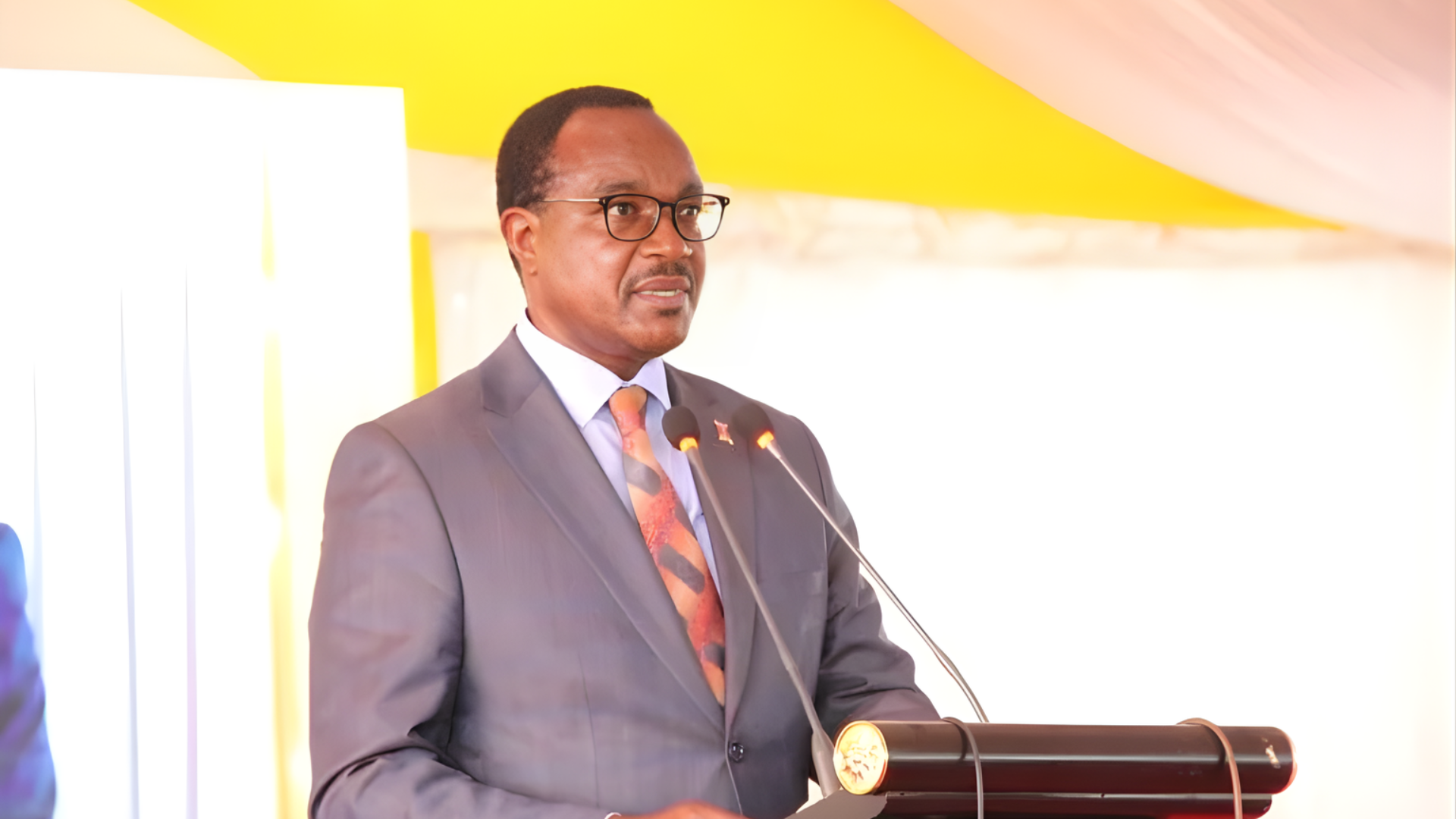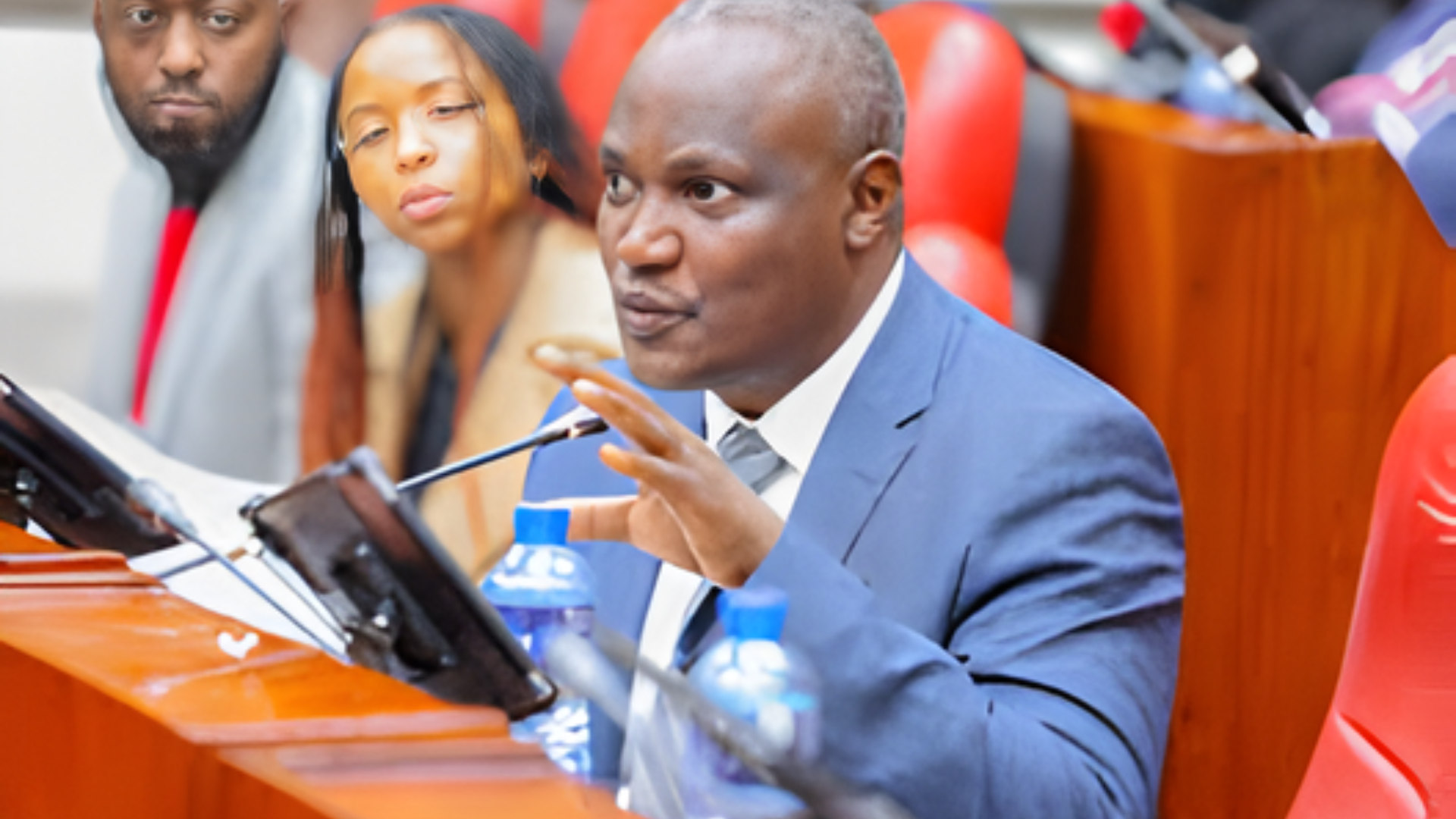
The ornate chamber of the Kenyan Parliament in Nairobi, where the green leather benches have borne witness to decades of fiscal debates and energy policy pivots, echoed with bipartisan applause on the afternoon of November 13, 2025, as MPs voted overwhelmingly to lift a seven-year moratorium on new power purchase agreements. The freeze, imposed in 2018 amid public outcry over exorbitant tariffs from independent power producers that saddled consumers with take-or-pay clauses costing Sh70 billion annually in unused capacity, had left Kenya's generation pipeline stagnant at 2,900 megawatts—perilously close to peak demand projections of 3,200 MW by 2027. Energy Committee Chairman Vincent Musyoka, sponsoring the amendment to the Energy Act via a miscellaneous bill, framed the breakthrough as a lifeline. "We cannot gamble with darkness—lifting this freeze with ironclad safeguards caps costs, invites investment, and secures lights for factories, homes, and hospitals," Musyoka declared from the dispatch box, his voice rising above the hum of air conditioners powered by the very grid in question. "At KES 9.04 per kilowatt-hour wholesale, we make power affordable while averting blackouts that could shave 2 percent off GDP."
The decision, passed 245-89 after a three-hour debate punctuated by projections of flickering demand curves on the chamber's screens, introduces a quartet of stringent conditions to prevent the excesses of the 2010s, when geothermal and wind deals locked Kenya into $0.12 per kWh rates amid falling global renewables costs. First, a hard cap at $0.07—equivalent to KES 9.04 at current exchange rates—on wholesale tariffs, slashing household bills by an estimated 15 percent from the current KES 25 retail average once new plants feed the grid. "This isn't negotiation; it's non-negotiable—producers bid below the cap or walk away," explained Energy CS Opiyo Wandayi in a post-vote presser at his Nyayo House office, flanked by Kenya Power executives clutching revised tariff models. Second, flexibility in currency denomination: PPAs may be in Kenya shillings to shield against forex volatility that inflated dollar-denominated debts by 40 percent during the 2022 shilling slump, or US dollars for international lenders preferring stability. "Local investors breathe easy in shillings; foreigners hedge in dollars—win-win for a Sh500 billion pipeline," Wandayi added, projecting 1,500 MW from geothermal in Olkaria, wind in Marsabit, and solar in Garissa.
Third, mandatory periodic reviews every three years to align tariffs with market dynamics—falling solar panel costs from $0.30 to $0.15 per watt since 2018, or rising fuel indices for thermal backups. "No more 20-year locks at yesterday's prices—reviews reflect reality, protecting consumers from overpayment and producers from losses," Musyoka elaborated, citing a clause modeled on South Africa's REIPPP program that adjusted tariffs downward 25 percent over a decade. Finally, explicit commitments to bridge implementation shortages: developers must procure interim diesel generators or battery storage during the 24-36 month construction lag, averting the 2023 blackouts that cost manufacturers Sh20 billion in spoiled goods and downtime. "If a 100 MW geothermal plant delays, the producer supplies 50 MW diesel at capped rates until online—no excuses, no excuses for darkness," Wandayi emphasized, his finger jabbing a flowchart showing contingency flows.
The freeze's thaw traces to 2018's presidential directive under Uhuru Kenyatta, halting new PPAs after audits revealed IPPs like Lake Turkana Wind Power commanding $0.085 per kWh while global benchmarks dipped to $0.04. Excess capacity peaked at 40 percent, with Kenya Power paying Sh45 billion yearly for phantom power amid suppressed demand from high tariffs stifling industrial growth. "We were hostages to bad deals—take-or-pay meant paying for air," recalled Kimani Ichung'wah, National Assembly Majority Leader, during debate, his tie loosened in the chamber's heat. The moratorium stabilized the books—debt to IPPs fell from Sh120 billion to Sh60 billion—but starved additions as aging plants like Kipevu I retired 120 MW in 2024. Demand surges 7 percent annually, fueled by electric vehicle charging stations in Nairobi and irrigation pumps in Tana River, pushing reserves to a razor-thin 15 percent margin.
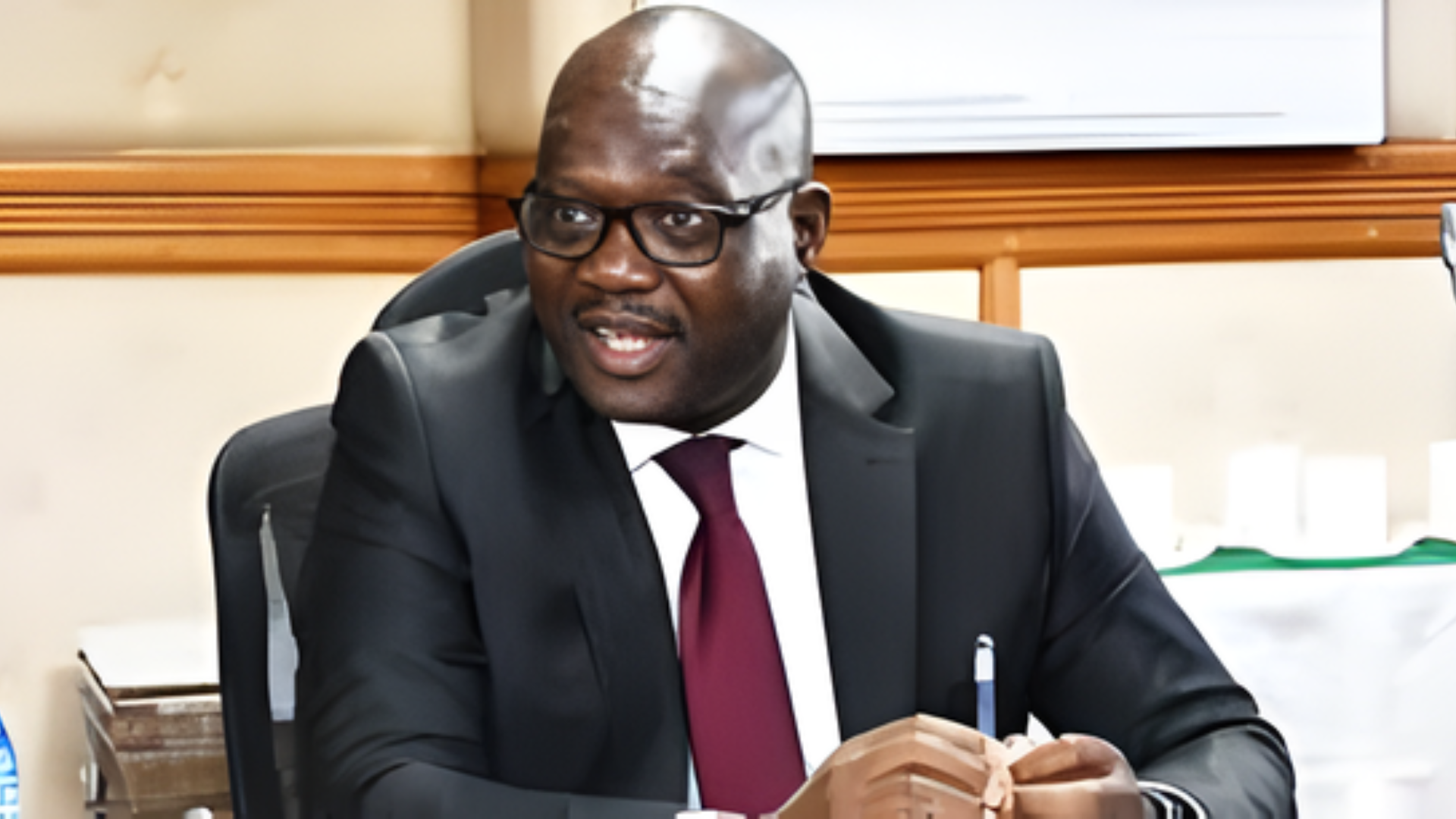
New PPAs target 2,000 MW by 2028: 800 MW geothermal from AKI and KenGen in Olkaria's steam fields, 600 MW wind from Lake Turkana Phase II, 400 MW solar from Radiant and Eldosol in Garissa's sun-scorched plains, and 200 MW biomass from Mumias sugar byproducts. "Capped at KES 9.04, a 100 MW plant earns Sh7.9 billion yearly—viable at 12 percent IRR for investors," calculated EPRA Director General Daniel Kiptoo at a pre-vote briefing, his slides showing levelized costs dropping to $0.05 with scale. Currency flexibility wooed locals: "Shilling PPAs for SOSH and Gulf Energy's 200 MW thermal backups," Wandayi noted.
Periodic reviews, triggered by EPRA benchmarks, adjust for inflation, fuel, or tech: "Solar drops to $0.03? Tariffs follow suit," Kiptoo assured. Shortage clauses mandate 30 percent interim capacity: "Battery storage from Tesla analogs or HFO plants—online in six months," Musyoka detailed.
Stakeholders hailed the pivot. KAM Chairman Sachen Gudka, representing 2,000 factories: "KES 9.04 wholesale means retail at KES 15-18—our machines run 24/7, exports compete." Consumer Federation's Stephen Mutoro: "From KES 35 in 2018 peaks—affordability returns." IPPAN's Gideon Moi: "Caps challenge but fair—dollar options attract FDI."
In Olkaria's geothermal fields, where steam vents hiss like promises, AKI's Jane Muthoni oversees drilling: "Cap accepted; 300 MW by 2027—jobs for 2,000 Naivasha youth." Marsabit wind farms: "Shilling PPA locks forex risk," developer noted.
The bill's passage triggers tenders: EPRA's December 1 RFP for 500 MW, bids by March 2026. "No more 2018 ghosts—transparent, capped, reviewed," Wandayi vowed.
As Parliament adjourned under November's setting sun, the lift endures as lumen: from freeze to flow, PPAs powering Kenya's pulse—a capped conduit where affordability meets abundance, and darkness yields to dawn.
The amendment's 28 clauses detail bidding: below-cap mandatory, shilling/dollar optional, triennial reviews by EPRA formula, 30% interim mandated. Tenders: 500 MW geothermal Q1 2026, 400 MW wind Q2. Projections: reserves to 35% by 2028, tariffs down 20%. Gudka's factories: Sh10 billion savings yearly. Mutoro's households: KES 500 monthly cut. Moi's IPPs: $1.2 billion FDI. Muthoni's drills: 300 MW steam. In the grid's glowing grid, the lift illuminates—a parliamentary spark where PPAs propel progress, and Kenya's energy evolves eternally.