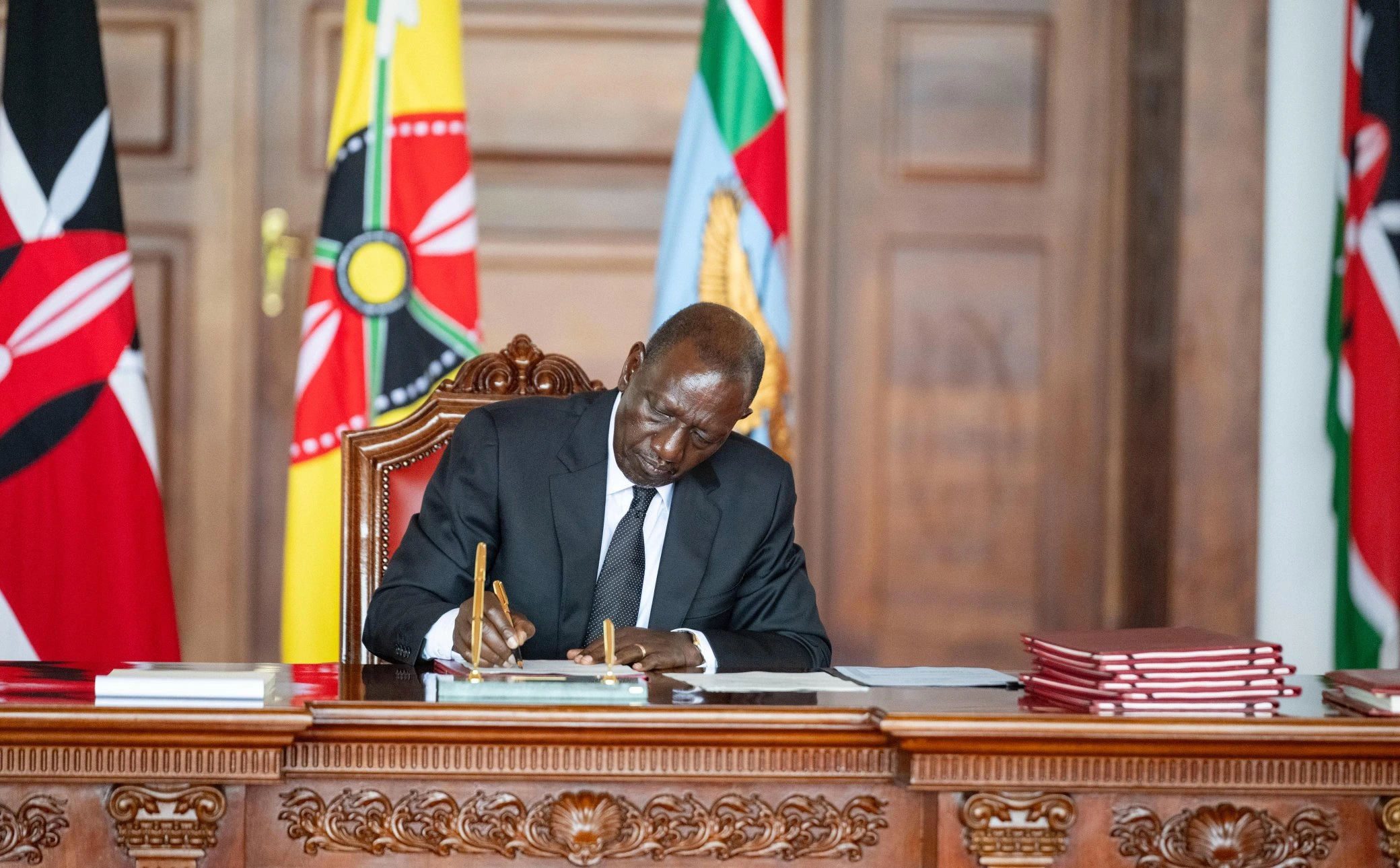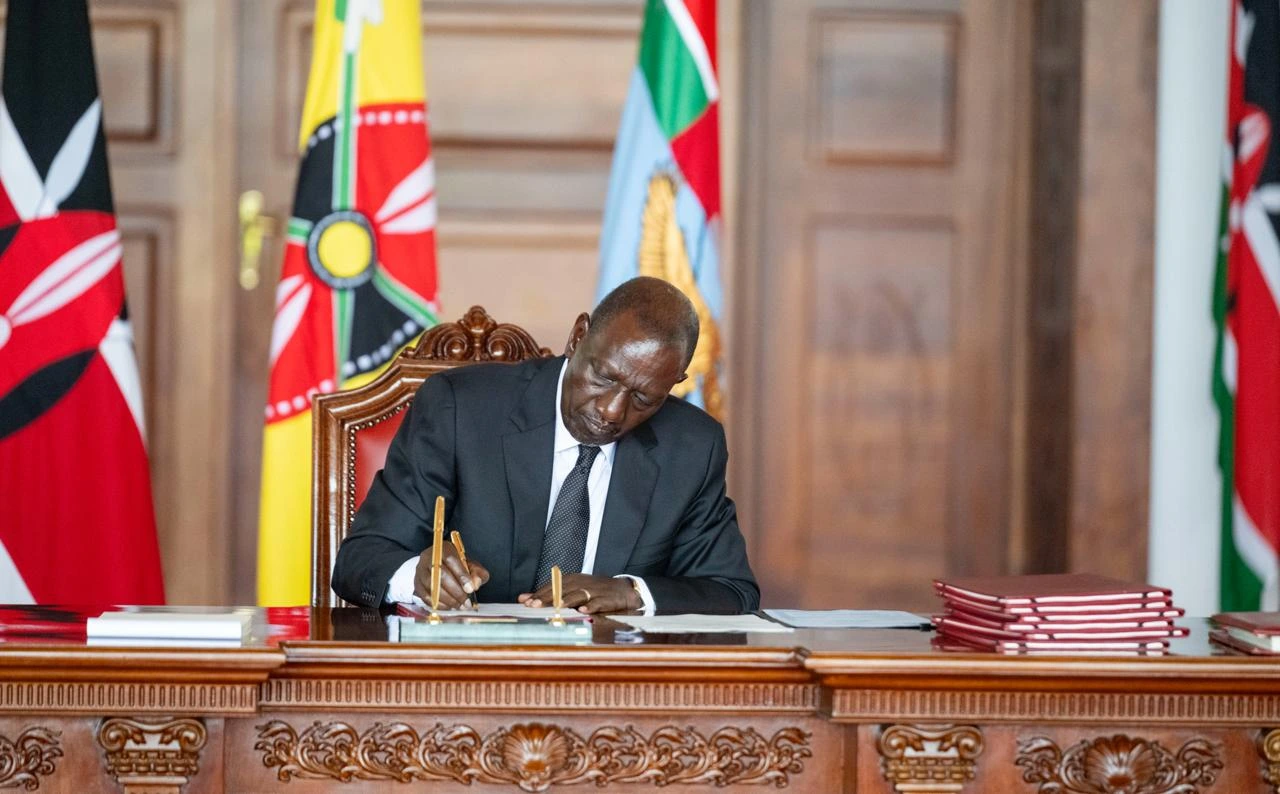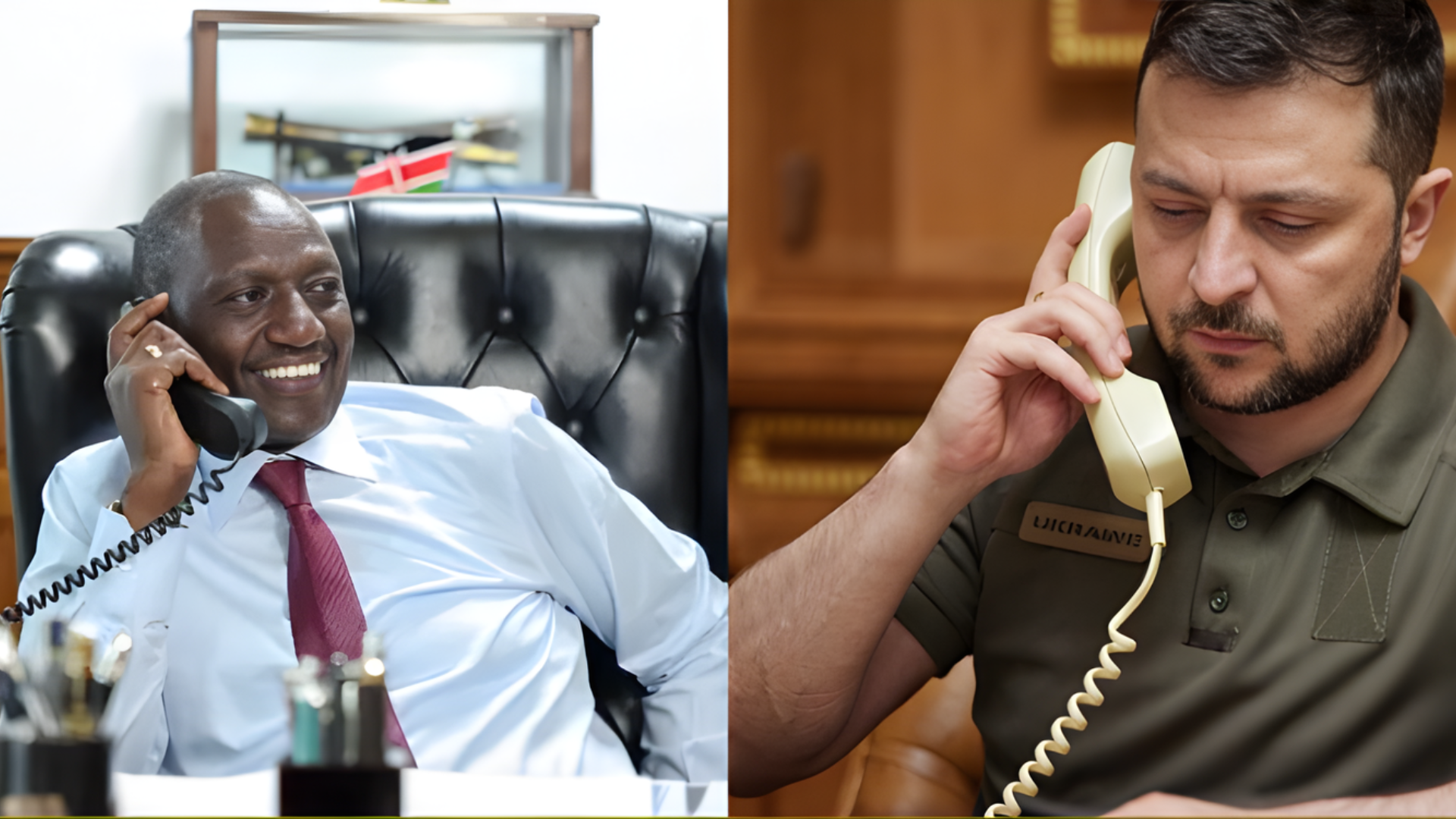
The amber glow of a desk lamp in State House's wood-paneled study cast long shadows across maps of Eastern Europe on the evening of November 6, 2025, as President William Ruto cradled a secure line that bridged Nairobi's equatorial nights to Kyiv's war-weary dawns. On the other end, amidst the muffled echoes of air raid sirens that have become the Ukrainian capital's grim soundtrack, President Volodymyr Zelensky listened intently as his Kenyan counterpart laid bare a humanitarian plea cutting through the geopolitical fog of the 1,336-day Russia-Ukraine war. Ruto, his voice measured yet laced with the urgency of a father imploring for his children's safety, called for the swift release of Kenyan nationals reportedly detained in Ukrainian custody—young men ensnared in a conflict not their own, lured by false promises and thrust into the meat grinder of foreign trenches. "I have requested President Zelensky to facilitate the release of any Kenyan in Ukrainian custody," Ruto revealed in a statement posted to his official Facebook page later that night, terming the discussion "fruitful" and centered on "various issues of mutual interest between our two peoples and countries." "I am grateful to His Excellency for acceding to my appeal," he added, a note of cautious optimism underscoring the diplomatic thaw.
The conversation, Ruto's first direct outreach to Zelensky since their September 2023 sideline meeting at the UN General Assembly in New York, unfolded against a backdrop of escalating concerns over the plight of at least a dozen Kenyan nationals swept into the war's vortex. Reports emerging from Ukrainian military briefings and independent media since September 2025 painted a harrowing picture: young Kenyans, many in their early 20s and hailing from Nairobi's teeming slums and rural Rift Valley outposts, had been duped by shadowy recruiters posing as employment agencies. Promised lucrative gigs in Moscow's construction boom or oil fields—salaries of Sh200,000 monthly, free visas, and urban adventures—they signed contracts in Russian, a language few comprehended, only to find themselves in boot camps near Rostov-on-Don, handed Kalashnikovs, and shipped to Donetsk's pulverized frontlines. "It started with a WhatsApp ad for 'easy money in Russia'—next thing, I'm in a trench dodging drones," recounted Evans Kibet, a 24-year-old former athlete from Eldoret's Iten training grounds, in a video interview smuggled from a Ukrainian POW camp in September. Captured by the 57th Motorised Infantry Brigade near Vovchansk in Kharkiv Oblast on September 17 after surrendering with a white flag, Kibet described being "tricked into the contract—thought it was security work, not suicide." His story, amplified by BBC Africa and Ukrainian outlets like the Kyiv Independent, ignited a firestorm, with Ruto's government confirming at least 11 similar cases by mid-October.
Kibet's ordeal, emblematic of a broader recruitment racket, had unraveled in the war's third year, as Russia's manpower crunch—exacerbated by 600,000 casualties per Zelensky's August estimates—drove Moscow to scour Africa's diaspora for "volunteers." Kenyan police dismantled a trafficking ring in Nairobi's Eastlands in late September, rescuing 22 youths from a Kariobangi safe house stocked with forged passports and job fliers promising "no experience needed." The syndicate, led by a Tanzanian operative with ties to Wagner Group's African offshoots, funneled recruits via Turkey to Russian military hubs, where enlistment papers—drafted in Cyrillic—were thrust under noses amid vodka toasts and visa bribes. "They said it was warehouse work; by Rostov, it was rifles and roll call," Kibet detailed in his footage, his face gaunt under a helmet scarred by shrapnel. Ukrainian forces, patrolling the Kharkiv salient where Russian advances had stalled since May's counteroffensive, intercepted several such "Black Wagners"—a moniker for African mercenaries blending disdain and curiosity. Zelensky, in an August 26 address, accused Russia of "cannibalizing Africa" to sustain its assault, citing units from Somalia, Sierra Leone, Togo, Cuba, and Sri Lanka in Kharkiv's meatgrinder. For Kenya, a nation of 56 million where youth unemployment idles at 13 percent and remittances from the Gulf sustain 2 million households, the lure proved lethal: promises of Sh150,000 sign-on bonuses eclipsed warnings from the Foreign Affairs Ministry's 2024 advisories.
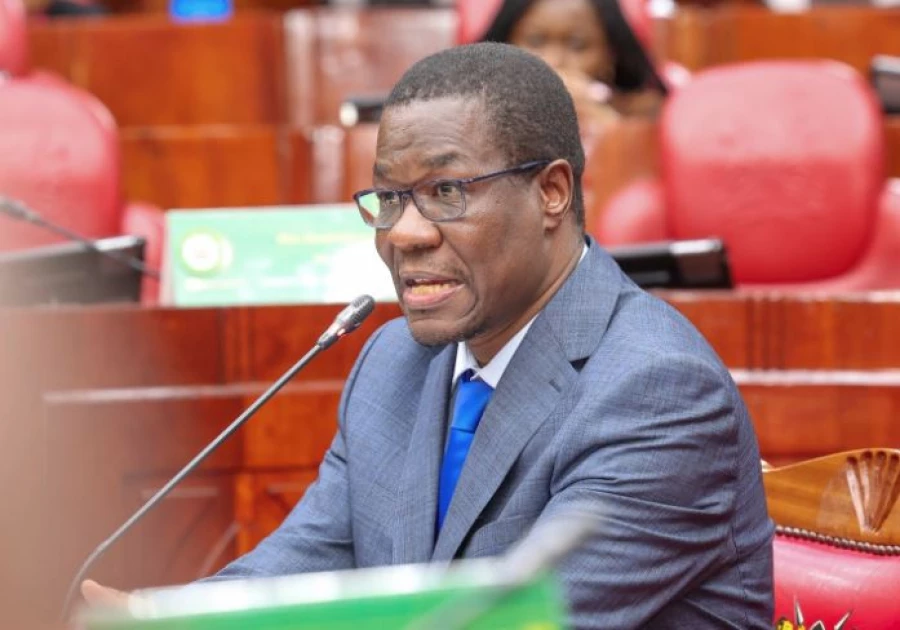
Ruto's appeal, timed just weeks after Prime Cabinet Secretary Musalia Mudavadi's October 27 breakthrough with Russia—securing the immediate release of nine Kenyans from Moscow's military camps—marks a diplomatic two-pronged thrust to extricate citizens from both belligerents' grasps. Mudavadi's Moscow parleys, brokered via the Kenyan embassy, yielded repatriation flights for the nine—mostly mechanics and drivers "stranded" in Rostov since March—landing at Jomo Kenyatta International Airport on November 2 amid emotional reunions with families clutching Kenyan flags. "They came home broken but breathing—Russia's word held, but Ukraine's silence stings," Mudavadi reflected in a State House briefing, his voice heavy with the relief of partial victory. Ruto, building on that momentum, framed the Zelensky call as "humanity over hegemony," emphasizing shared stakes in a war disrupting Kenya's Sh140 billion grain imports from the Black Sea corridor. "We condemned Russia's invasion as unjust, but our boys aren't pawns—they're victims of vultures," Ruto had stated at a September 19 UNGA sideline with Zelensky, where the duo first broached the issue amid champagne toasts and handshakes captured by wire photographers.
Zelensky's response, relayed through Ruto's readout, struck a chord of cautious collaboration. "President Zelensky expressed deep concern over the illegal recruitment and assured me of Ukraine's commitment to humanitarian principles," Ruto noted, hinting at a positive nod to the appeal. Kyiv, holding 150 foreign POWs per Geneva Convention protocols—including Kibet and at least three other Kenyans per Ukrainian military logs—has repatriated dozens via swaps with Moscow, but African cases snag on verification: recruits' contracts, often coerced, blur "mercenary" from "conscript." "We're not jailers; we're justice's guardians—Kenya's request aligns with our ethos," a Zelensky spokesperson told AFP on November 7, signaling potential releases contingent on Kenyan embassy confirmations. Ukrainian Ambassador to Kenya Yurii Pyvovarenko, in a Nairobi presser on October 6, had welcomed dialogue: "Volodymyr values Ruto's neutrality—let's turn appeals into action, one citizen at a time." The call also touched on the Ukraine Food Summit, slated for late November in Kyiv—a Zelensky brainchild to rally global donors against the war's grain blockade, which has spiked African wheat prices 40 percent since 2022. Ruto, whose administration imported Sh80 billion in Ukrainian sunflower oil last year, lauded it as "vital for our plates," pledging Kenya's attendance with a delegation of agribusiness tycoons.
The human cost, etched in families' faces at Nairobi's Uhuru Park vigils, underscores the call's urgency. Kibet's mother, 55-year-old Grace Chebet from Iten's dusty tracks, had clutched a faded photo of her son in athletics spikes since his September capture, her nights haunted by grainy videos of him in Ukrainian fatigues. "He chased Olympic dreams here; now he dodges death there—bring my boy home," she pleaded at a November 3 rally organized by the Kenya Human Rights Commission, her voice cracking over a crowd of 200 waving placards reading "Kenyans Not Cannon Fodder." Evans's tale, pieced from his Kyiv Independent interview, chilled: lured in August via a Facebook ad for "Moscow security jobs," he boarded a Turkish Airlines flight with 15 compatriots, only to land in Rostov's "recruitment center"—a barbed-wire compound where enlistment forms in Russian sealed their fate. "They said sign for visa; it was war papers—I fought three weeks, saw friends fall, then surrendered," he recounted, his accent thick with Highland resolve. Similar stories filter from Tanzania and Uganda: 20 Africans rescued in Nairobi's Kariobangi in September, their passports forged by a Tanzanian ringleader now facing 10 years under the Trafficking in Persons Act.
Kenya's diplomatic dance, neutral yet nimble, mirrors Ruto's globalist gait—condemning Russia's "unprovoked aggression" at the UNGA while abstaining from sanctions to preserve Sh50 billion in fertilizer imports from Moscow. The October Russia deal, yielding nine repatriations, set the template: Kenyan embassy officials in Moscow verified identities via DNA swabs and family affidavits, chartering a Qatar Airways flight home. "Russia cooperated swiftly; Ukraine must match mercy with mechanism," Foreign Affairs PS Korir Sing'oei stated on November 7, his ministry dispatching a consular team to Kyiv for on-ground verifications. Zelensky, juggling drone strikes and donor summits, views the appeal through wartime lenses: "Foreign fighters prolong pain—repatriation aids peace," he tweeted post-call, his English crisp against a backdrop of ruined Kharkiv facades. Ruto, in a State House address to the nation on November 7, wove the threads: "Our youth seek horizons, not hellholes—let this call echo, bringing them from captivity to community."
Broader stakes entwine the plea with Kenya's continental clout. As AU chair-elect in 2026, Ruto positions Nairobi as Africa's mediator, hosting Ukraine-Russia talks in Mombasa per September whispers. The Food Summit, Zelensky's bid to reclaim Black Sea exports, aligns with Kenya's Sh200 billion food security push amid 2025 droughts. "War's waves lap our shores—grain shortages, refugee ripples—diplomacy dams the tide," Ruto mused in a bilateral readout, his nod to the 1,000 Ukrainian refugees in Kenya a gesture of solidarity. Sing'oei, briefing envoys, eyes precedents: the 2023 repatriation of 15 Somalis from Yemen's Houthis. "Ukraine's Geneva compliance opens doors; we'll walk through with passports and pleas."
Families, from Iten's prayer vigils to Kibera's WhatsApp chains, cling to the call's promise. Chebet, baking mandazis for a fundraiser, dreams of Evans's return: "He'll run tracks again, not trenches—Zelensky, hear a mother's heart." Ochieng, a Kisumu mechanic whose nephew vanished in Rostov, sees symmetry: "Russia freed nine; Ukraine, free the rest—war's not our war." As November's mists cloak the Aberdares, Ruto's line to Zelensky endures as lifeline—a thread from Nairobi's resolve to Kyiv's crossroads, pulling Kenyans from POW pens to home's hearth. In the republic's restless reach, where borders blur in conflict's churn, this appeal resonates: citizens above cannons, diplomacy over drones—a call not just for release, but reclamation.
The diplomatic choreography, post-call, quickens: Kenyan consulars land in Kyiv on November 10, passports in hand for Kibet and three others—verified via Ukrainian POW lists. Zelensky's office, in a November 8 wire, commits to "expedited reviews per humanitarian norms." Ruto, convening a National Security Council huddle, mandates anti-trafficking raids: DCI's September bust expands to Mombasa's ports, netting 15 recruiters. Mudavadi, in Moscow follow-ups, secures visa bans for Kenyan "volunteers." Chebet's vigil swells to 300, ululations rising as embassy calls confirm Kibet's interview slated for November 12. "Fruitful talks bear fruit—patience, but praise God," she whispers, her photo now framed beside a candle. For Kenya, where 2 million youth chase jobs abroad yearly, the plea pivots policy: Foreign Affairs launches "Safe Horizons" campaigns, Sh500 million for diaspora alerts. Ochieng, wrench in hand, tunes his radio to Zelensky's summit feed: "Peace feeds families—release, and let's eat together." In this global gambit, Ruto's voice—steady across seas—stands as sentinel: Kenyans home, horizons healed, war's wanderers welcomed back.