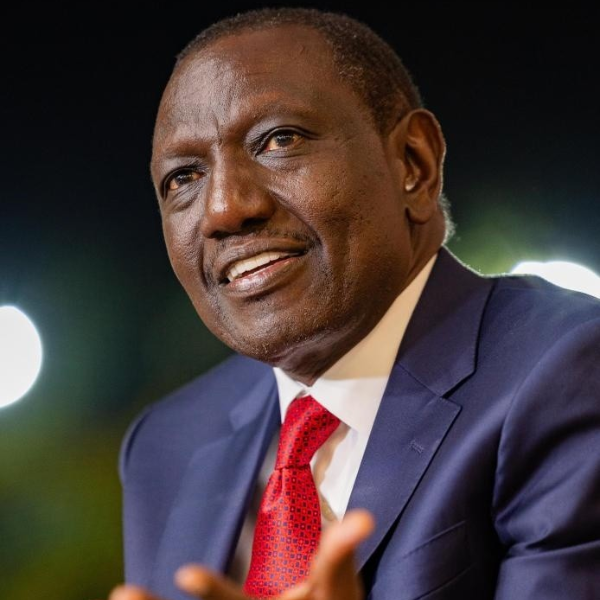
President William Ruto has issued a strong condemnation of the recent strikes that targeted the United Arab Emirates, Qatar, Saudi Arabia, Iraq, Oman, Kuwait, Jordan and Bahrain, describing the attacks as a dangerous escalation that risks dragging the entire Middle East—and potentially the wider world—into prolonged instability.
In a statement released from State House on March 2, 2026, the President expressed profound concern over what he termed the “regionalisation” of the conflict, warning that continued military actions across multiple sovereign states could undermine global peace and security at a particularly fragile moment in international affairs.
“I condemn in the strongest terms the recent strikes that have hit the United Arab Emirates, Qatar, Saudi Arabia, Iraq, Oman, Kuwait, Jordan and Bahrain,” Ruto said. “These attacks represent a grave threat not only to the stability of the Middle East but to international peace and security as a whole. The widening scope of this conflict must be halted before it spirals beyond control.”
The President highlighted the economic and humanitarian consequences of further escalation, noting that the affected countries are home to millions of Kenyan workers and significant Kenyan investments in trade, tourism and remittances. “Kenya has deep people-to-people ties with every one of these nations,” he continued. “Any prolongation of violence will cause immense suffering to ordinary citizens, disrupt global energy markets, increase food and fuel prices and endanger the lives of our diaspora communities. We cannot stand by while the region descends into chaos.”
Ruto called for urgent, inclusive engagement among all stakeholders to de-escalate tensions and prevent a broader war. “The only path forward is through dialogue, restraint and renewed commitment to diplomacy,” he stated. “I urge all parties—state and non-state actors alike—to exercise maximum restraint, cease hostile actions immediately and return to the negotiating table. International mediators, regional organisations and global powers must intensify efforts to facilitate meaningful talks before the window for peaceful resolution closes.”
The President also reaffirmed Kenya’s long-standing position of neutrality in Middle East conflicts while emphasising support for the sovereignty and territorial integrity of all states in the region. “Kenya believes in the peaceful settlement of disputes through dialogue and respect for international law,” Ruto said. “We stand ready to support any credible initiative that brings the parties together and ends this cycle of violence.”
The statement comes amid growing international alarm over the expanding theatre of conflict in the Middle East. Strikes and counter-strikes have increasingly involved Gulf states, Iraq and Jordan, raising fears of a multi-front war that could draw in major powers and disrupt critical shipping lanes and energy supplies. Kenya, as a non-permanent member of the UN Security Council, has repeatedly called for de-escalation and humanitarian access in related resolutions.
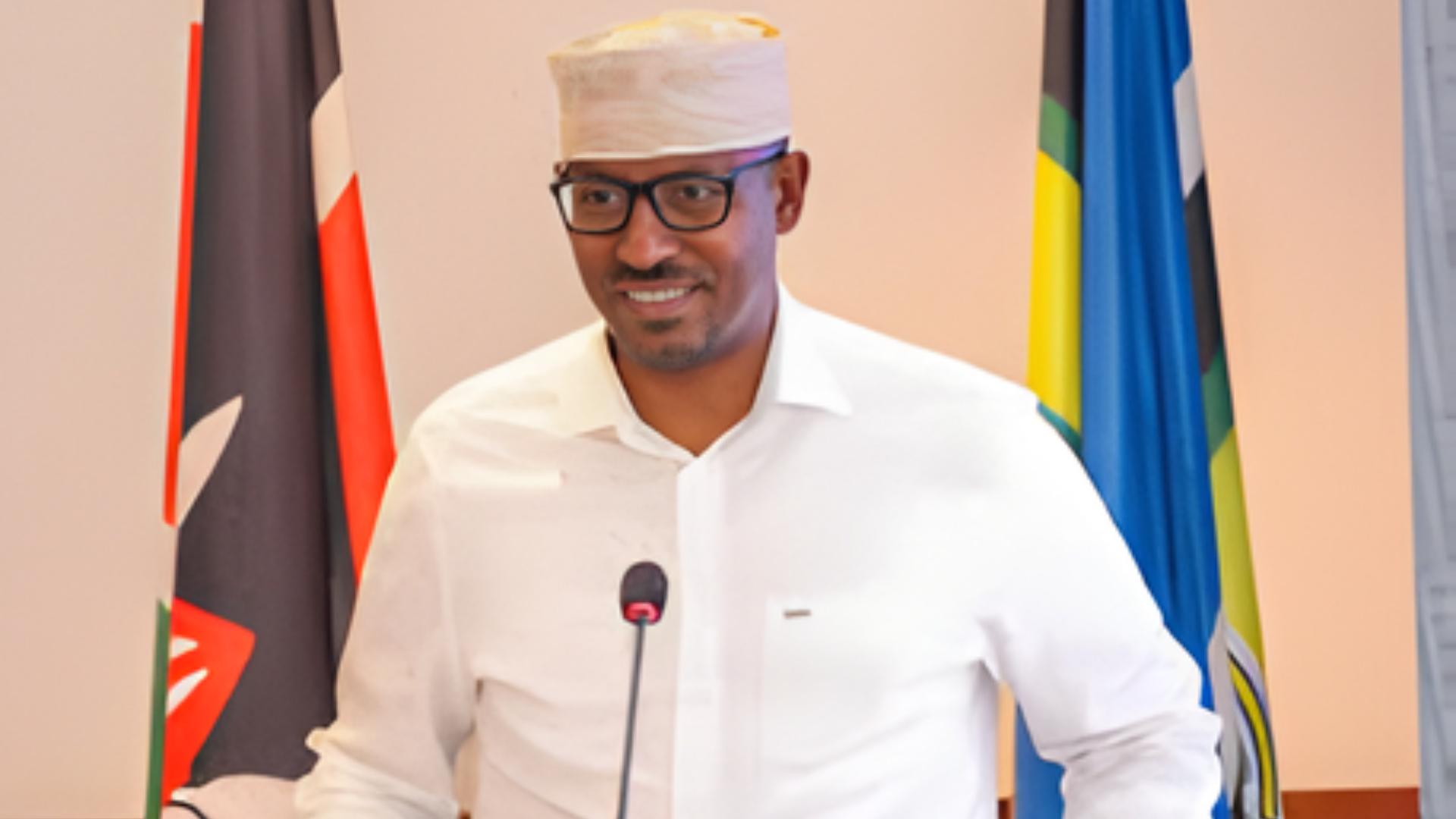
Foreign Affairs Principal Secretary Korir Sing’oei, who joined the President during the announcement, said Kenya is engaging quietly with key capitals to support de-escalation efforts. “We are in contact with our counterparts in the affected countries and with international partners,” Sing’oei said. “Our message is consistent: stop the violence, protect civilians and let diplomacy take the lead.”
The President’s condemnation has been welcomed by members of the Kenyan diaspora in the Gulf, many of whom expressed fear for their safety and livelihoods. A Kenyan community leader in Dubai said: “We appreciate President Ruto speaking out. Our families are worried every time there is news of another strike. We want peace so we can continue working and sending money home.”
The statement also drew support from several MPs across party lines, who urged the government to maintain a balanced foreign policy while prioritising the welfare of Kenyan citizens abroad. Opposition voices, however, called for more concrete action, including stronger consular support and evacuation plans if the situation deteriorates further.
As the Middle East conflict continues to evolve, President Ruto’s intervention positions Kenya as a consistent voice for dialogue and restraint in a region where escalation risks are rising daily. Whether his call for inclusive engagement will gain traction among the warring parties remains uncertain, but it underscores Kenya’s growing role in advocating for peaceful resolutions on the global stage.