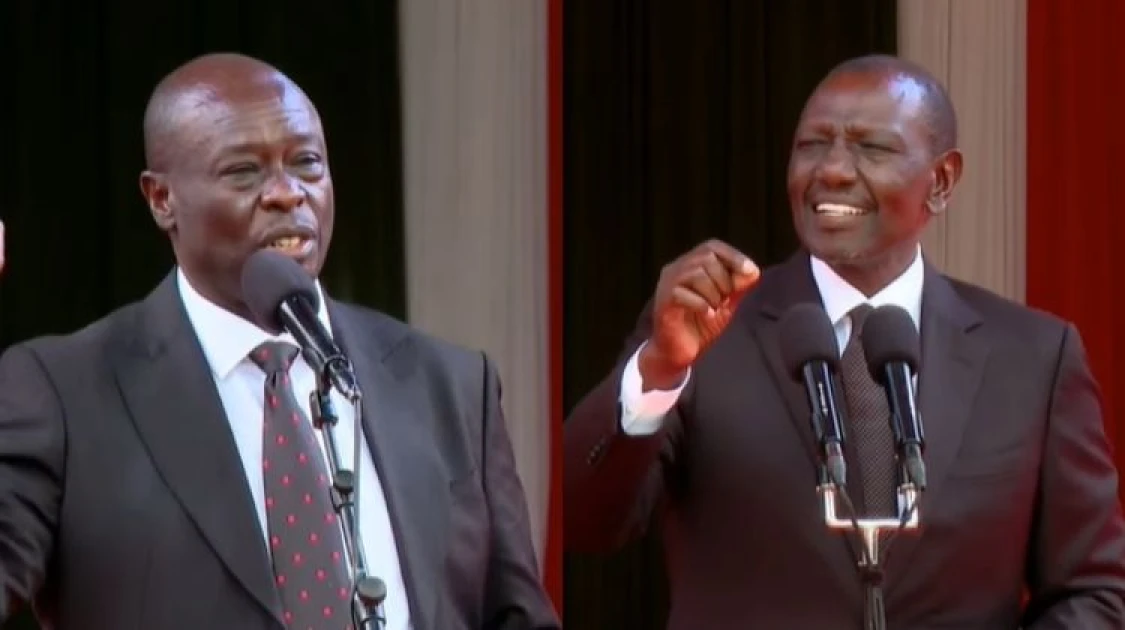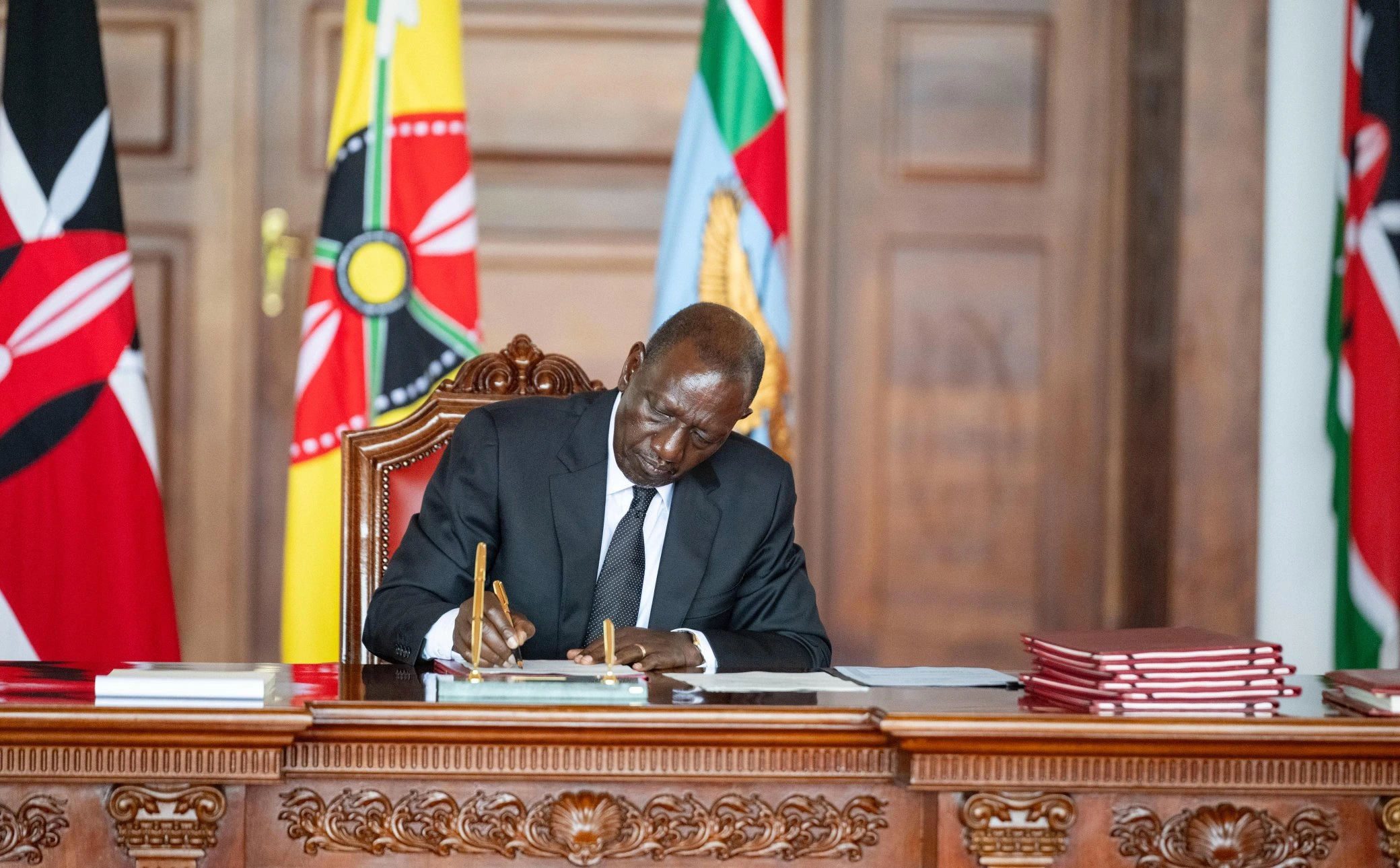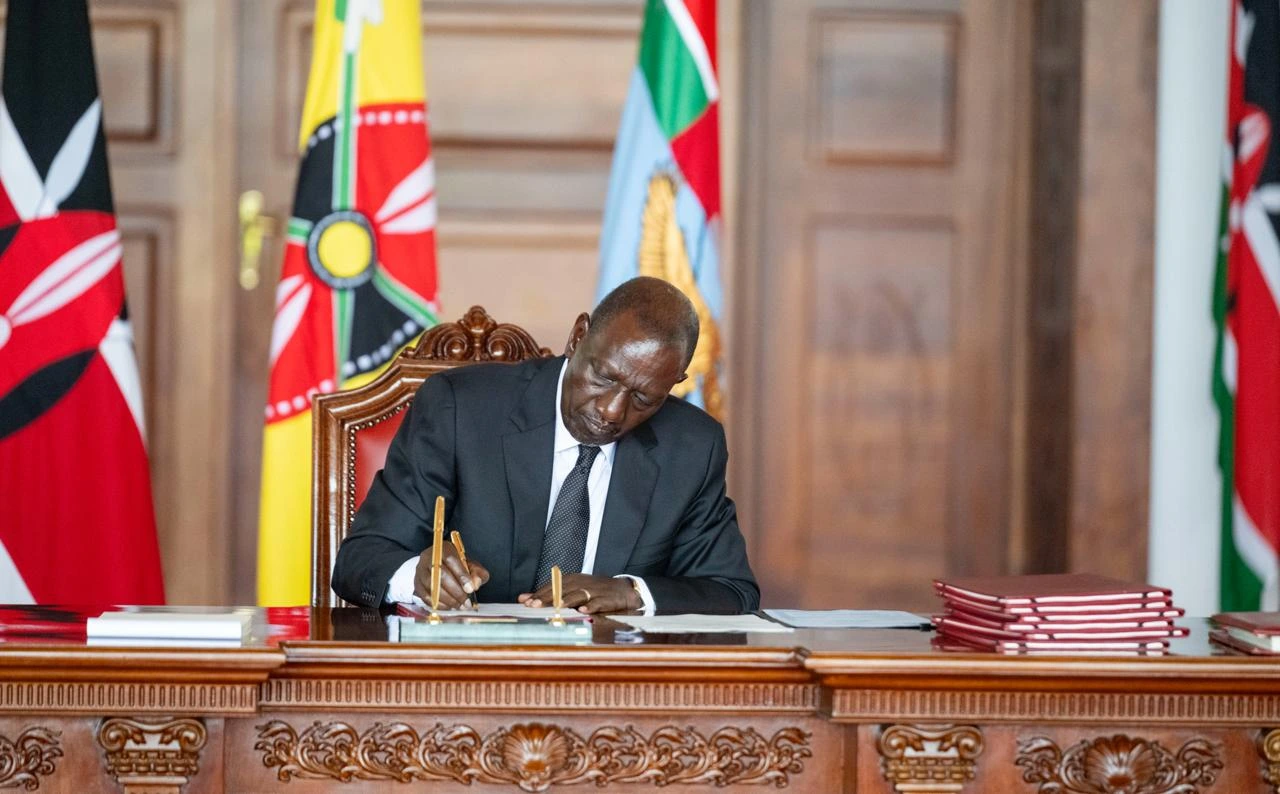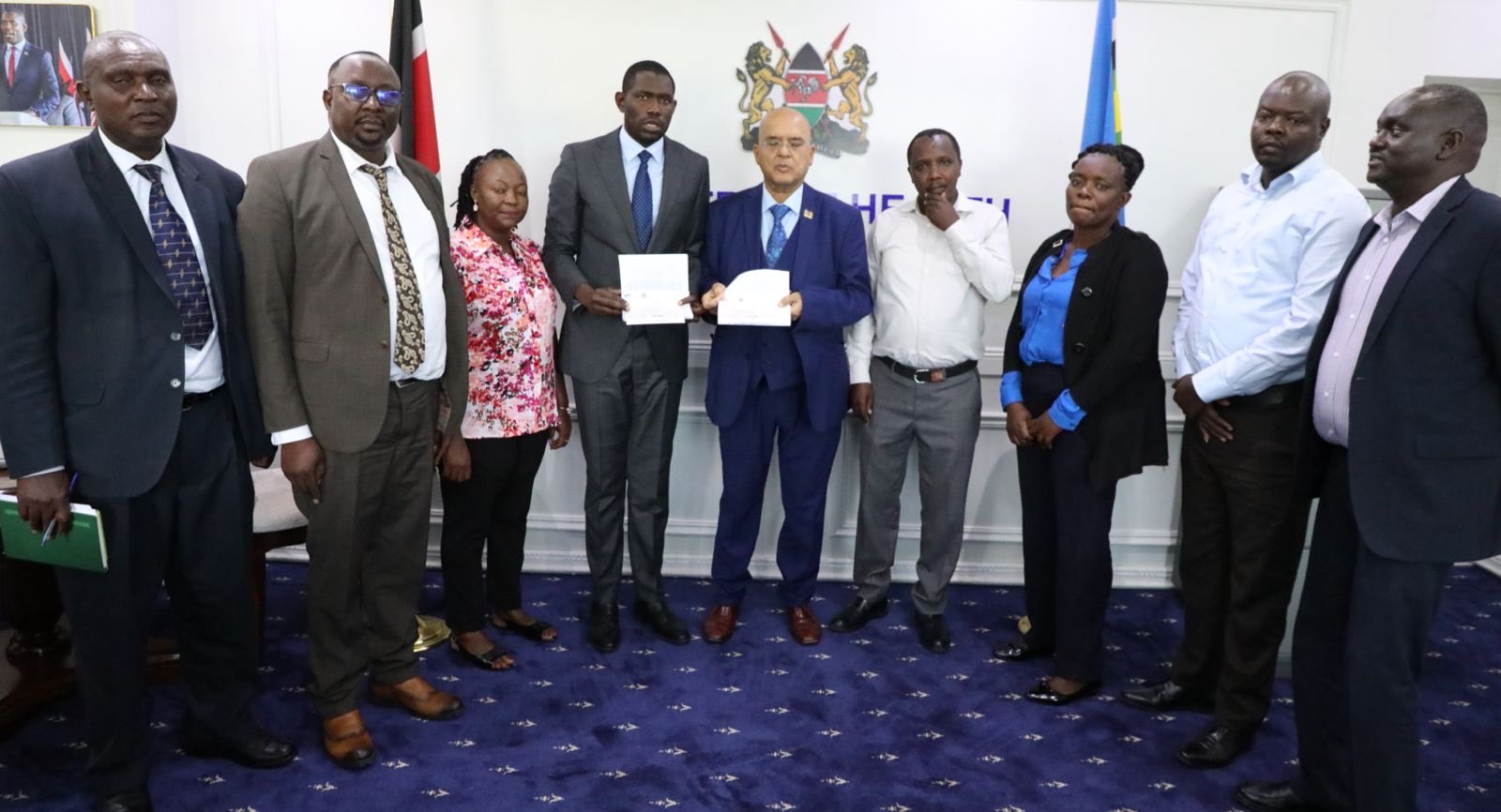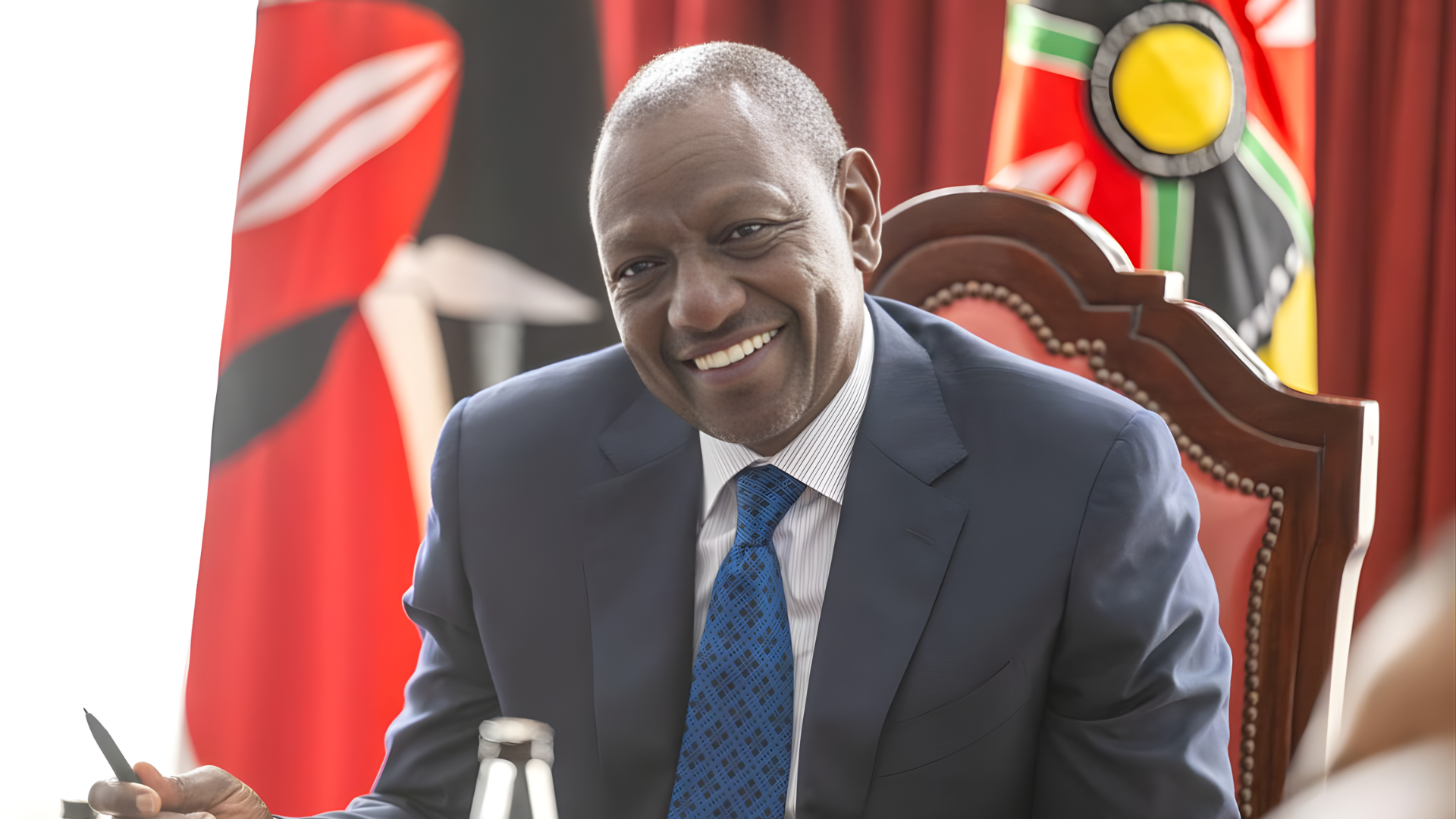
The dusty airstrip at Wote in Makueni County, where the red earth meets the vast acacia-dotted plains under a relentless November sun, buzzed with anticipation on the morning of November 12, 2025, as President William Ruto's helicopter descended like a harbinger of change amid a sea of yellow UDA caps and fluttering national flags. The four-day tour of Ukambani—the arid yet resilient heartland encompassing Makueni, Kitui, and Machakos counties, home to 3.5 million Kamba people and the unyielding political fortress of Wiper Democratic Movement leader Stephen Kalonzo Musyoka—marked Ruto's most ambitious outreach yet to a region that has long eluded his Kenya Kwanza coalition's grasp. Touching down at 10:15 a.m., greeted by Governor Mutula Kilonzo Junior and a 2,000-strong crowd chanting "Ruto! Ruto!" from makeshift shades erected along the runway, the President wasted no time in framing the visit as a covenant of delivery. "I am not here for politics today; I am here for progress—for the roads you walk, the water you drink, the markets you sell in," Ruto declared from a podium adorned with mango saplings symbolizing growth, his voice amplified over the hum of generators powering the sound system. "Ukambani is not opposition territory; it is Kenya's territory, and its development is my mandate."
The tour's opening salvo in Makueni, a county of 1.1 million souls where subsistence farming battles perennial droughts and sand dams dot the landscape like lifelines, centered on launching a cascade of projects totaling Sh12 billion, promises seeded during Ruto's 2022 campaign swings and his July 2024 visit that left residents with handshakes but lingering skepticism. At the Wote Technical Training Institute grounds, where 5,000 locals gathered under canvas tents to shield from the 32-degree heat, Ruto commissioned the Sh3.5 billion Kibwezi-Kitui Road upgrade—a 120-kilometer tarmac artery linking Makueni to Tsavo's wildlife corridors and Kitui's coal fields. "This road is not asphalt; it is access—to hospitals in 30 minutes instead of three hours, to markets where your mangoes fetch fair prices, to jobs that lift families from the soil's struggle," the President proclaimed, breaking ground with a golden shovel as bulldozers revved in the background, their engines a mechanical pledge. The project, funded 70 percent by the national government and 30 percent through a World Bank facility, promises 1,500 construction jobs and reduced transport costs by 40 percent, a boon for the county's Sh5 billion annual mango and poultry trade.
Residents, many clad in faded kitenges and clutching notebooks of grievances from past barazas, tempered jubilation with judicious hope. "Ruto came in 2022, promised water; we got speeches. In 2024, roads; we got surveys. Today, let the machines speak," mused 52-year-old farmer Agnes Mwikali from Kibwezi, her three-acre orchard parched despite a nearby earth dam that silted up last rainy season. Her sentiment echoed a regional refrain: Ukambani, despite its strategic position astride the Nairobi-Mombasa highway and its cultural vibrancy embodied in the annual Kamba cultural festival, lags in infrastructure—only 35 percent of roads tarmacked, 45 percent with piped water per the 2024 Kenya Demographic Survey. Ruto, sensing the undercurrent, addressed it head-on at the Wote stadium rally: "I know promises have been broken before—by others, not by me. Today, I return not with words, but with works. The Kibwezi-Mutomo road starts now; the Makindu water project, Sh2 billion, breaks ground tomorrow."
The President's itinerary, a meticulously choreographed blend of ribbon-cuttings and resident engagements, unfolded with the precision of a campaign reborn. By noon, at the Emali sand dam site along the Athi River—a Sh800 million initiative to harvest 5 million cubic meters of floodwater for 20,000 households—Ruto donned a hard hat to inspect desilting works, engaging youth in the county's sand-harvesting cooperatives. "This dam is your bank—water for irrigation, for livestock, for life. No more trekking 10 kilometers with jerrycans on your heads," he told 300 women from the Makongo self-help group, their applause a ripple through the riverine scrub. The project, part of the national Ajira Dam program targeting 100 sand dams in ASALs, includes solar-powered pumps and drip kits for 5,000 acres, potentially boosting maize yields 300 percent. Governor Kilonzo Junior, a Wiper stalwart whose 2022 victory on a development ticket defied UDA inroads, walked a diplomatic tightrope: "Mr. President, welcome home—Ukambani votes with its stomach. Deliver these, and loyalty follows."
Ukambani's political calculus adds layers to the developmental drama. The region, Kalonzo's bastion since his 2007 VP bid, delivered 68 percent of votes to Azimio in 2022, with Wiper securing 12 parliamentary seats and three governorships. Ruto's incursions—appointing Kamba figures like Defence CS Aden Duale and PSs in key dockets—aim to fracture the monolith ahead of 2027, where Kalonzo eyes a presidential run. The Wiper leader, addressing a parallel rally in Machakos on November 11, issued a veiled challenge: "Visitors are welcome, but Ukambani's votes are earned, not engineered. Projects must outlive photo-ops." Ruto, undeterred, courted the base at a Wote church service: "I serve all Kenyans—Kamba, Kikuyu, Luo. Development is my gospel, unity my sermon."
Day one's crescendo came at the Makueni Fruit Processing Plant in Kathonzweni, a Sh4 billion public-private partnership with Del Monte that Ruto launched amid the scent of ripening mangoes. The facility, employing 800 directly and contracting 5,000 farmers, processes 50,000 tons annually for export juices, promising Sh2 billion in farmer incomes. "From farm to fork, globally—your mangoes in European supermarkets, dollars in your pockets," Ruto beamed, touring chillers with youth trainees in branded aprons. Resident John Mutuku, a 35-year-old agronomist, voiced cautious optimism: "Del Monte pays Sh15 per kilo; before, middlemen gave Sh5. If Ruto sustains this, Kalonzo's stronghold shakes."
The tour's arc—Wote to Kibwezi day one, Kitui day two for coal and water projects, Machakos days three and four for Konza technopolis linkages—carries Sh45 billion in pledges: Sh15 billion roads, Sh10 billion water, Sh20 billion agro-processing. Residents' ledger of expectations, scribbled in community memos, includes tarmacking the 200-kilometer Wote-Mutomo-Kitui link, completing the Thwake Dam's phase two for 680 million cubic meters, and electrifying 500 villages under Last Mile Connectivity. "Ruto's hustle is real, but follow-through is faith," reflected Mwikali, her words a microcosm of Ukambani's pragmatic pulse.
As dusk painted Wote's skyline in amber hues, Ruto's motorcade departed for an overnight at the Kilaguni Serena, leaving behind a county abuzz with bulldozer roars and resident resolve. "He launched; now let him linger—the projects must mature like our mangoes," Mutuku mused over tea at a roadside kiosk. In Ukambani's unyielding terrain, where thorns guard the fruits of labor, Ruto's tour endures as litmus: development as bridge over political chasms, promises as seeds in stubborn soil—a four-day odyssey where asphalt meets aspiration, and a region's hope hinges on a President's harvest.
The Kibwezi road's 36-month timeline employs 1,000 youth in skills training. Thwake phase two, Sh30 billion, irrigates 100,000 acres by 2027. Konza's Machakos spur, Sh5 billion, links 50,000 jobs. Kalonzo's counter-rallies draw 3,000, his mantra: "Development yes, defection no." Ruto's nightcap meeting with 200 Kamba professionals: "Join the bottom-up; build with me." For Mwikali and Mutuku, the tour translates to tomorrow: water flowing, roads rolling, votes weighing. In Eastern's enduring ethos, where resilience roots deep, Ruto's visit vibrates as vow—a Ukambani unfolding where projects pledge progress, and politics pauses for pavement.