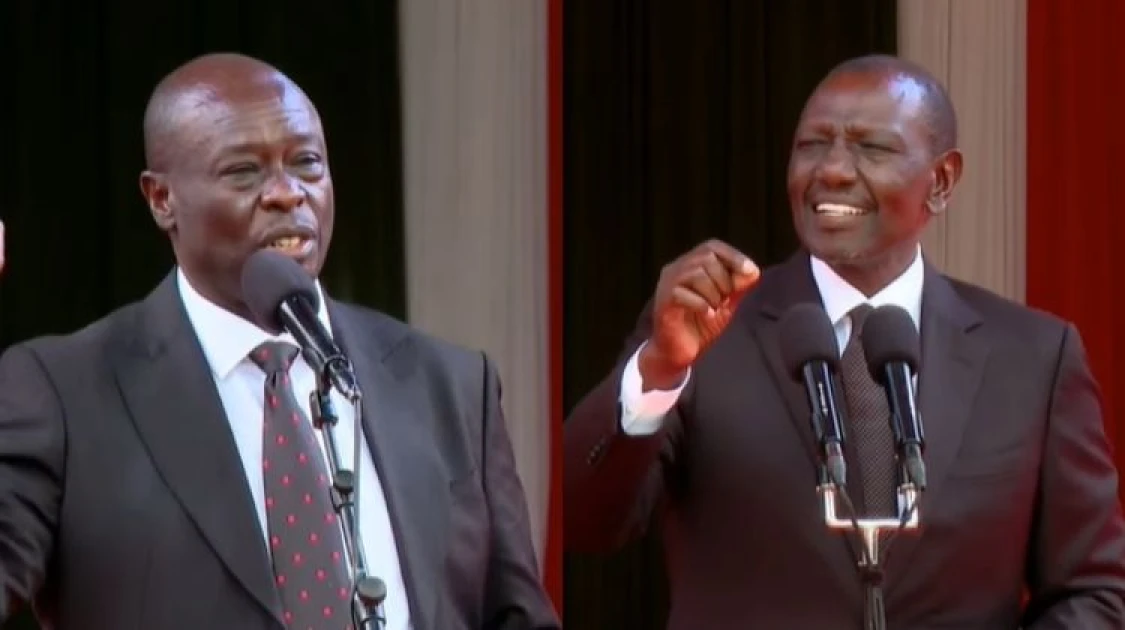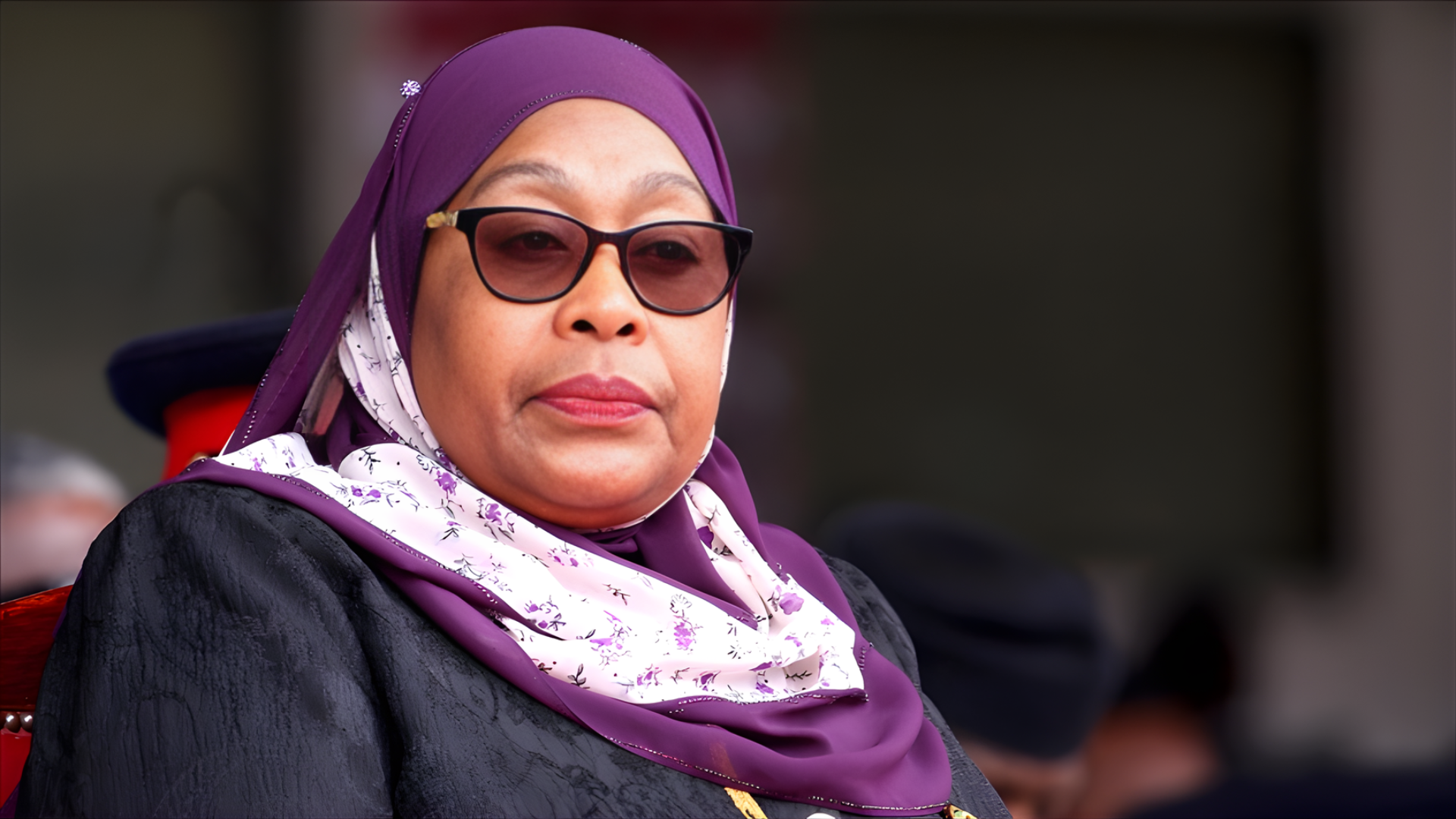
The grand halls of State House in Dar es Salaam, where the Indian Ocean's salty breeze filters through latticed windows and the portraits of founding fathers Nyerere and Mwinyi gaze upon the proceedings with eternal vigilance, fell into a hush of solemn reflection on the afternoon of November 14, 2025. President Samia Suluhu Hassan, her face etched with the lines of a leader burdened by the nation's recent scars, stood before a podium adorned with the national coat of arms and addressed a gathering of cabinet ministers, opposition figures, and bereaved families flown in from Arusha and Zanzibar. In a voice steady yet laced with unmistakable sorrow, she announced the immediate formation of a commission of inquiry to investigate the killings of youth during the post-election violence that had erupted following the October 29 polls. "I am deeply saddened by the violence that has claimed the lives of our young people, the very future of this nation," Suluhu stated, her hands clasped tightly as if to contain the emotion swelling within. "To the families who have lost loved ones, I extend my heartfelt condolences—your pain is our pain, and we will not rest until justice illuminates the truth and accountability restores our unity."
The commission, to be chaired by a retired Court of Appeal judge with a mandate spanning 90 days extendable by presidential decree, comprises 12 members: human rights advocates, forensic experts, youth representatives from CCM and ACT-Wazalendo, and international observers from the African Union. Its terms of reference, outlined in a gazette notice issued hours after the announcement, empower it to probe the circumstances of at least 28 confirmed deaths—mostly youth aged 18 to 35—during clashes in Dar es Salaam, Arusha, Mwanza, and Pemba between October 30 and November 5. "This body will leave no stone unturned—witness testimonies, ballistic reports, hospital records, all will be examined," Suluhu elaborated, her gaze sweeping the room where mothers in black headscarves clutched photographs of their slain sons. "We owe it to these young souls and their grieving parents to uncover who fired the shots, who gave the orders, and why peaceful protests descended into tragedy."
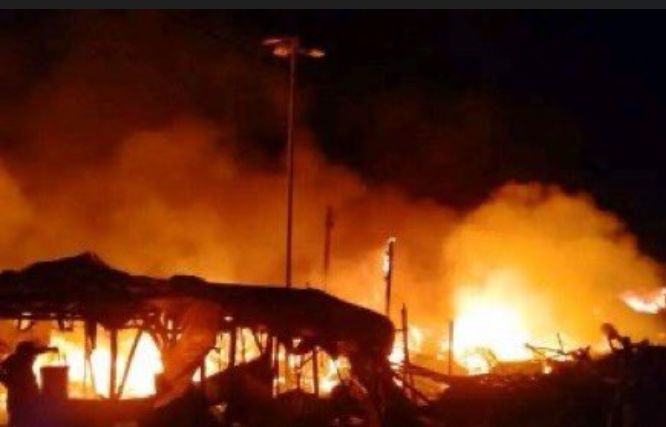
The violence, a dark epilogue to polls that saw Suluhu reelected with 98 percent of the vote amid opposition cries of rigging, had ignited on October 30 when ACT-Wazalendo supporters gathered in Ubungo to demand a recount. What began as chants and placards escalated when police deployed teargas and live rounds, scattering crowds into alleyways where 12 youth—among them 22-year-old university student Juma Kibwana—were felled by bullets. Kibwana's mother, Fatuma Ali, invited to State House as a symbol of national mourning, wept openly as Suluhu embraced her. "My boy was studying engineering—he wanted to build bridges, not burn them," Ali recounted through sobs, her voice cracking in the hall's echoing silence. "Madam President, find who took my child's dreams; let the commission be his voice now." Suluhu, wiping a tear, responded softly: "Mama, your Juma's story will guide us—justice for him is justice for Tanzania."
Arusha's November 1 unrest claimed 10 lives when youth barricaded the Nairobi-Moshi highway with burning tires, protesting alleged ballot stuffing in Meru District. Forensic reports leaked to families detailed rubber bullets morphing into live ammunition, with 19-year-old barista Amina Hassan succumbing to a chest wound outside her cafe. "She was serving tea to protesters, not throwing stones," her father, Ibrahim Hassan, told the assembly, his hands trembling around a faded photo. "The commission must ask: who authorized lethal force on unarmed children?" In Mwanza, eight died on November 3 amid lakefront clashes, including 25-year-old fisherman Elias Magoti, dragged from his boat and beaten by vigilantes before police intervention. Pemba's five fatalities on November 4 stemmed from CUF remnants clashing with CCM youth wings over Zanzibar's semi-autonomous results.
Suluhu's announcement, broadcast live on TBC and drawing 15 million viewers, came amid mounting pressure from civil society, the Catholic Bishops' Conference, and international partners like the EU, which had suspended Sh50 billion in aid pending probes. "We cannot build a middle-income nation on the graves of our youth," the president asserted, invoking Vision 2050's pillars of peace and prosperity. The commission's powers include subpoenaing police commanders, accessing CCTV from Ubungo's traffic cams, and recommending prosecutions under the Penal Code's murder clauses. "No one is above the law—officer or instigator," Suluhu warned, her directive a balm to families like the Magotis, who had buried Elias in a mass grave amid curfew chaos.
Opposition leader Tundu Lissu, attending despite ACT's poll boycott, offered cautious praise: "This is a step, Madam President—but the commission must be independent, not a whitewash. Let youth voices lead the hearings." Suluhu nodded: "Mr. Lissu, your input shapes it—transparency is our covenant." CCM Secretary General Daniel Chongolo echoed unity: "Violence betrays our revolution; the inquiry heals."
For bereaved parents, the pledge pierces grief. In Ubungo's makeshift morgue, Kibwana's aunt: "Samia's sorrow mirrors ours—let truth triumph." Arusha's Hassan: "Amina's cafe reopens when killers face court." Mwanza's Magoti kin: "Elias fished for family; commission fishes for facts."
The inquiry launches November 18 in Dodoma, public hearings in affected regions, hotline for tips. Suluhu's condolences fund: Sh500 million for funerals, education for orphans. As ocean waves lap Dar's shores, the commission commences: from sadness to scrutiny, a probe where youth's blood buys betterment, and Tanzania's tomorrow tempers tragedy with truth.
The 28 deaths: 12 Ubungo, 10 Arusha, 8 Mwanza, 5 Pemba. Commission: 12 members, 90 days. Terms: subpoenas, ballistics, testimonies. Aid suspension: Sh50 billion EU. Hotline: 0800-YOUTH-JUSTICE. Fund: Sh500 million, 200 orphans sponsored. Lissu's caveat: "Independence imperative." Chongolo's call: "Unity over unrest." For Fatuma, Ibrahim, Magoti kin: inquiries illuminate. In the republic's resilient resolve, Suluhu's sorrow sparks—commission as catharsis, where violence yields verdict, and peace prevails.