 Gerald Kyalo. (geraldbway).
Rapper-turned-politician Balendra Shah was sworn in as prime minister of Nepal on Friday, taking charge of a nation long plagued by political instability, weak economic growth, and endemic corruption. Shah, 35, who rose to prominence as the mayor of Kathmandu, now faces the formidable challenge of restoring public trust, creating jobs, and delivering tangible governance reforms in a country of 30 million people.
Shah’s ascent to the premiership comes after his three-year-old Rastriya Swatantra Party (RSP) achieved a landslide victory in the March 5 parliamentary elections, securing 182 seats in the 275-member legislature. The election marked Nepal’s first major vote following last year’s anti-corruption Gen Z protests, a youth-led movement that resulted in the deaths of 76 people and drew international attention to the country’s governance crises.
As Nepal’s youngest prime minister in decades, Shah also represents a historic milestone for the Madhesi community, who inhabit the southern plains bordering India. The Madhesi population has historically been underrepresented in Nepalese politics, and Shah’s leadership is being seen as a breakthrough for inclusive representation in the country’s political landscape.
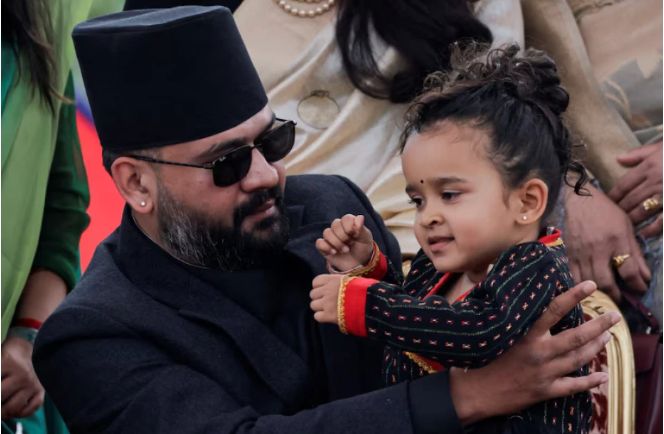
Shah, known for his unconventional style, appeared at his swearing-in ceremony wearing his signature black Nepali cloth cap, sunglasses, and a matching tailored jacket with skin-tight trousers, symbolizing both his modern, youthful image and his commitment to break with traditional political norms. The ceremony took place at the President House in Kathmandu, attended by senior government officials and foreign diplomats, signaling international interest in Nepal’s new political direction.
“The first test of the new government lies in transparent and prompt delivery of services to the people, who expect early signs of good governance from Sunday itself,” political analyst Puranjan Acharya said, referring to Nepal’s workweek. Acharya noted that Shah’s immediate task will be to implement the findings of an investigative panel that looked into the crackdown during the anti-corruption protests. The panel’s report recommended the prosecution of key figures responsible for the violence, including former Prime Minister K.P. Sharma Oli, whose government had been widely criticized for corruption and political mismanagement.
The Gen Z protests were sparked by a combination of frustration over systemic corruption, lack of employment opportunities, and slow economic development. For a country where one-fifth of the population lives in poverty and an estimated 1,500 people leave daily for work abroad, the demand for accountability and reform resonated strongly with younger voters. Shah’s campaign capitalized on these sentiments, portraying the RSP as a party untainted by traditional political patronage and committed to genuine reform.
Political instability has long been a recurring issue in Nepal. Since the restoration of democracy in 1990, the country has seen 32 governments, none of which have completed a full five-year term. This instability has hindered long-term development planning, foreign investment, and infrastructure projects, leaving many Nepalese frustrated with the status quo. Shah now inherits the task of demonstrating that a younger, reform-oriented leader can break this cycle of short-lived administrations.
The election results also underscored a dramatic realignment in Nepalese politics. The Nepali Congress, the country’s oldest and historically dominant party, finished a distant second with only 38 parliamentary seats. Meanwhile, the Communist Party of Nepal (Unified Marxist-Leninist), led by former Prime Minister Oli, holds just 25 members after Oli was forced to resign following the Gen Z protests. The significant losses for these traditional parties highlight the electorate’s desire for new leadership and a break from entrenched political dynasties.
During the interim period leading to the elections, former Chief Justice Sushila Karki managed the transition, overseeing a relatively smooth path toward parliamentary elections. Karki’s leadership during this phase helped maintain institutional stability and set the stage for the young, dynamic RSP to make its breakthrough.
Shah’s agenda, as outlined in recent public statements, emphasizes tackling corruption, improving governance, and creating employment opportunities for Nepal’s youth. Analysts point out that the immediate economic challenges are significant: the country relies heavily on remittances from abroad, tourism, and small-scale agriculture. High unemployment, particularly among young people, has contributed to social unrest in the past, making job creation a top priority for the new administration.
Regional dynamics also add complexity to Shah’s tenure. Nepal is strategically located between India and China, two of Asia’s largest powers. Maintaining balanced relations with both nations while protecting Nepal’s sovereignty will require careful diplomatic maneuvering, particularly as infrastructure projects, trade agreements, and foreign investments become increasingly intertwined with regional geopolitics.
Despite these challenges, Shah’s rise has injected a sense of optimism among Nepalese citizens, particularly the youth. His background as an artist and local government leader is viewed by many as a symbol of change—a move away from traditional politics dominated by elite families and career politicians. Whether this optimism translates into effective governance remains to be seen, but early actions, such as transparent service delivery and implementing the protest investigation panel’s recommendations, will be closely scrutinized.
Political analysts stress that Shah’s government will be judged not only by economic metrics but also by its ability to restore public confidence in Nepal’s political institutions. Transparent decision-making, accountability, and responsiveness to citizen needs are expected to be the hallmarks of his tenure. The coming weeks will be critical in establishing whether the country’s youngest prime minister can transform popular momentum into sustained political and economic progress.
Balendra Shah’s rise marks a new chapter in Nepal’s political history—a chapter defined by youthful leadership, promises of reform, and the hope that the country can finally achieve stability and equitable growth after decades of uncertainty.
Shah’s ascent to the premiership comes after his three-year-old Rastriya Swatantra Party (RSP) achieved a landslide victory in the March 5 parliamentary elections, securing 182 seats in the 275-member legislature. The election marked Nepal’s first major vote following last year’s anti-corruption Gen Z protests, a youth-led movement that resulted in the deaths of 76 people and drew international attention to the country’s governance crises.
As Nepal’s youngest prime minister in decades, Shah also represents a historic milestone for the Madhesi community, who inhabit the southern plains bordering India. The Madhesi population has historically been underrepresented in Nepalese politics, and Shah’s leadership is being seen as a breakthrough for inclusive representation in the country’s political landscape.
Shah, known for his unconventional style, appeared at his swearing-in ceremony wearing his signature black Nepali cloth cap, sunglasses, and a matching tailored jacket with skin-tight trousers, symbolizing both his modern, youthful image and his commitment to break with traditional political norms. The ceremony took place at the President House in Kathmandu, attended by senior government officials and foreign diplomats, signaling international interest in Nepal’s new political direction.
“The first test of the new government lies in transparent and prompt delivery of services to the people, who expect early signs of good governance from Sunday itself,” political analyst Puranjan Acharya said, referring to Nepal’s workweek. Acharya noted that Shah’s immediate task will be to implement the findings of an investigative panel that looked into the crackdown during the anti-corruption protests. The panel’s report recommended the prosecution of key figures responsible for the violence, including former Prime Minister K.P. Sharma Oli, whose government had been widely criticized for corruption and political mismanagement.
The Gen Z protests were sparked by a combination of frustration over systemic corruption, lack of employment opportunities, and slow economic development. For a country where one-fifth of the population lives in poverty and an estimated 1,500 people leave daily for work abroad, the demand for accountability and reform resonated strongly with younger voters. Shah’s campaign capitalized on these sentiments, portraying the RSP as a party untainted by traditional political patronage and committed to genuine reform.
Political instability has long been a recurring issue in Nepal. Since the restoration of democracy in 1990, the country has seen 32 governments, none of which have completed a full five-year term. This instability has hindered long-term development planning, foreign investment, and infrastructure projects, leaving many Nepalese frustrated with the status quo. Shah now inherits the task of demonstrating that a younger, reform-oriented leader can break this cycle of short-lived administrations.
The election results also underscored a dramatic realignment in Nepalese politics. The Nepali Congress, the country’s oldest and historically dominant party, finished a distant second with only 38 parliamentary seats. Meanwhile, the Communist Party of Nepal (Unified Marxist-Leninist), led by former Prime Minister Oli, holds just 25 members after Oli was forced to resign following the Gen Z protests. The significant losses for these traditional parties highlight the electorate’s desire for new leadership and a break from entrenched political dynasties.
During the interim period leading to the elections, former Chief Justice Sushila Karki managed the transition, overseeing a relatively smooth path toward parliamentary elections. Karki’s leadership during this phase helped maintain institutional stability and set the stage for the young, dynamic RSP to make its breakthrough.
Shah’s agenda, as outlined in recent public statements, emphasizes tackling corruption, improving governance, and creating employment opportunities for Nepal’s youth. Analysts point out that the immediate economic challenges are significant: the country relies heavily on remittances from abroad, tourism, and small-scale agriculture. High unemployment, particularly among young people, has contributed to social unrest in the past, making job creation a top priority for the new administration.
Regional dynamics also add complexity to Shah’s tenure. Nepal is strategically located between India and China, two of Asia’s largest powers. Maintaining balanced relations with both nations while protecting Nepal’s sovereignty will require careful diplomatic maneuvering, particularly as infrastructure projects, trade agreements, and foreign investments become increasingly intertwined with regional geopolitics.
Despite these challenges, Shah’s rise has injected a sense of optimism among Nepalese citizens, particularly the youth. His background as an artist and local government leader is viewed by many as a symbol of change—a move away from traditional politics dominated by elite families and career politicians. Whether this optimism translates into effective governance remains to be seen, but early actions, such as transparent service delivery and implementing the protest investigation panel’s recommendations, will be closely scrutinized.
Political analysts stress that Shah’s government will be judged not only by economic metrics but also by its ability to restore public confidence in Nepal’s political institutions. Transparent decision-making, accountability, and responsiveness to citizen needs are expected to be the hallmarks of his tenure. The coming weeks will be critical in establishing whether the country’s youngest prime minister can transform popular momentum into sustained political and economic progress.
Balendra Shah’s rise marks a new chapter in Nepal’s political history—a chapter defined by youthful leadership, promises of reform, and the hope that the country can finally achieve stability and equitable growth after decades of uncertainty.