 WEKESA KULECHO
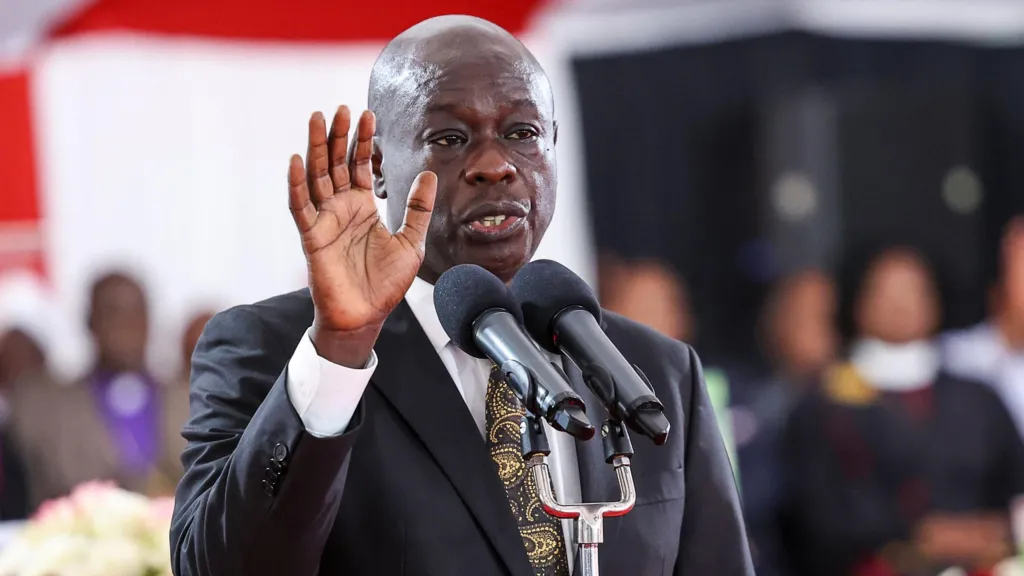
In the wake of his dramatic impeachment in October 2024, former Deputy President Rigathi Gachagua has not retreated from the political arena. Instead, he has launched the Democracy for Citizens Party (DCP), positioning himself as a central figure in the opposition against his former ally, President William Ruto. This new party aims to channel the discontent of many Kenyans, but it faces significant challenges as it strives to establish itself ahead of the 2027 general elections.
From Deputy President to Political Challenger
Rigathi Gachagua's political journey has been marked by a rapid and dramatic shift from the center of power to leading a charge against it.
- Rise and Fall: Gachagua served as Kenya's Deputy President from September 2022. His tenure ended abruptly in October 2024 when the Senate upheld his impeachment on charges including inflaming ethnic tensions and violating his oath of office. This process was the culmination of a public and bitter fallout with President Ruto.
- The DCP's Launch: Seven months after his impeachment, Gachagua launched the Democracy for Citizens Party (DCP) in May 2025, signaling a definitive political divorce from Ruto. He stated the party was born from months of consultation with Kenyans and is built on the philosophy of "Skiza Wakenya" (Listen to Kenyans), vowing that no citizen would be left unheard.
The DCP's Mission and Early Ambitions
The DCP presents itself as a grassroots, citizen-focused movement. Its official mission is "to build a government that listens, includes, and empowers every Kenyan". The party symbol, a listening ear, reinforces this message.
Gachagua has declared his intention to use the DCP to make Ruto a one-term president, with analysts noting a calculated pivot to the populist lane that Ruto himself once occupied. The party aims to attract youth and rural voters who feel betrayed by post-election policies that strayed from the 2022 "hustler" narrative.
Internal Challenges and Growing Pains
Despite its ambitious vision, the DCP is grappling with a series of internal challenges that threaten to slow its momentum.
- Financial Strain: The party is facing acute financial difficulties. Unlike established parties, it lacks access to state political funds and is largely reliant on donations from well-wishers and the personal funds of its members to finance its operations.
- Leadership Wrangles and Defections: The party has already experienced public infighting. In Meru County, drama erupted over overnight changes in the local party leadership, leading to public protests and complaints about a lack of transparency. Furthermore, the party was rocked by defections ahead of by-elections, with key aspirants resigning and citing frustrations with the party's national leadership and poor communication.
- Struggle to Attract High-Profile Figures: Despite predicting a "stampede" of politicians joining its ranks, the DCP has found it difficult to attract high-profile defections. Many politicians, particularly from the Mount Kenya region, reportedly fear being targeted by state agencies if they publicly align with Gachagua.
Gachagua's Political Rebranding and Alliances
Since his impeachment, Gachagua has actively worked to reshape his political image and build a cohesive opposition front.
- Recasting as a Victim and Champion: Gachagua has skillfully framed his impeachment not as a personal failure, but as an attack on the Mount Kenya region's stake in national politics. This narrative has, in some quarters, boosted his appeal rather than diminishing it. He has also tried to position himself as a champion for the Gen Z protestors who have shaken Kenyan politics.
- Forging a United Opposition: Gachagua is actively working to build a coalition with other opposition leaders. He has appeared publicly with Wiper leader Kalonzo Musyoka, Eugene Wamalwa of DAP-K, and Martha Karua of the People's Liberation Party. Together, they have declared that their united front will not be broken by offers to join the government and that they intend to field a single candidate to challenge Ruto in 2027.
The Rocky Road to 2027
The path ahead for Gachagua and the DCP is fraught with uncertainty. While the party hopes to prove its popularity in upcoming by-elections, the challenges of building a national political machine from scratch are immense.
The DCP's success hinges on several factors: its ability to raise funds, manage internal democracy without causing mass defections, and, most importantly, to maintain a strong and united opposition coalition. Gachagua's confidence is largely rooted in his claimed influence in the vote-rich Mount Kenya region, where he has vowed to mobilize millions to support his cause.
As the 2027 elections draw closer, all eyes will be on Rigathi Gachagua to see if he can transform his party from a vessel of personal grievance into a viable political vehicle capable of unseating a sitting president.