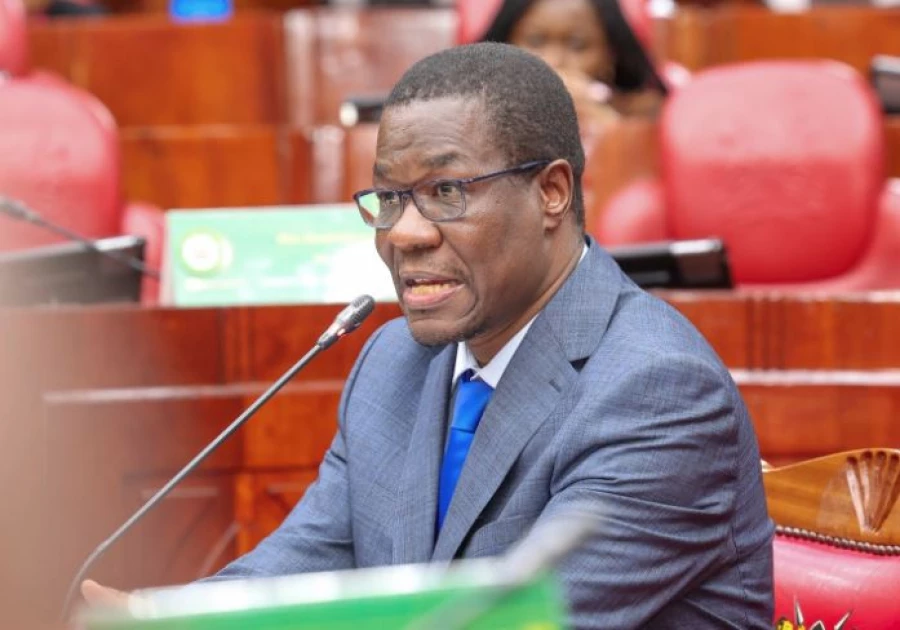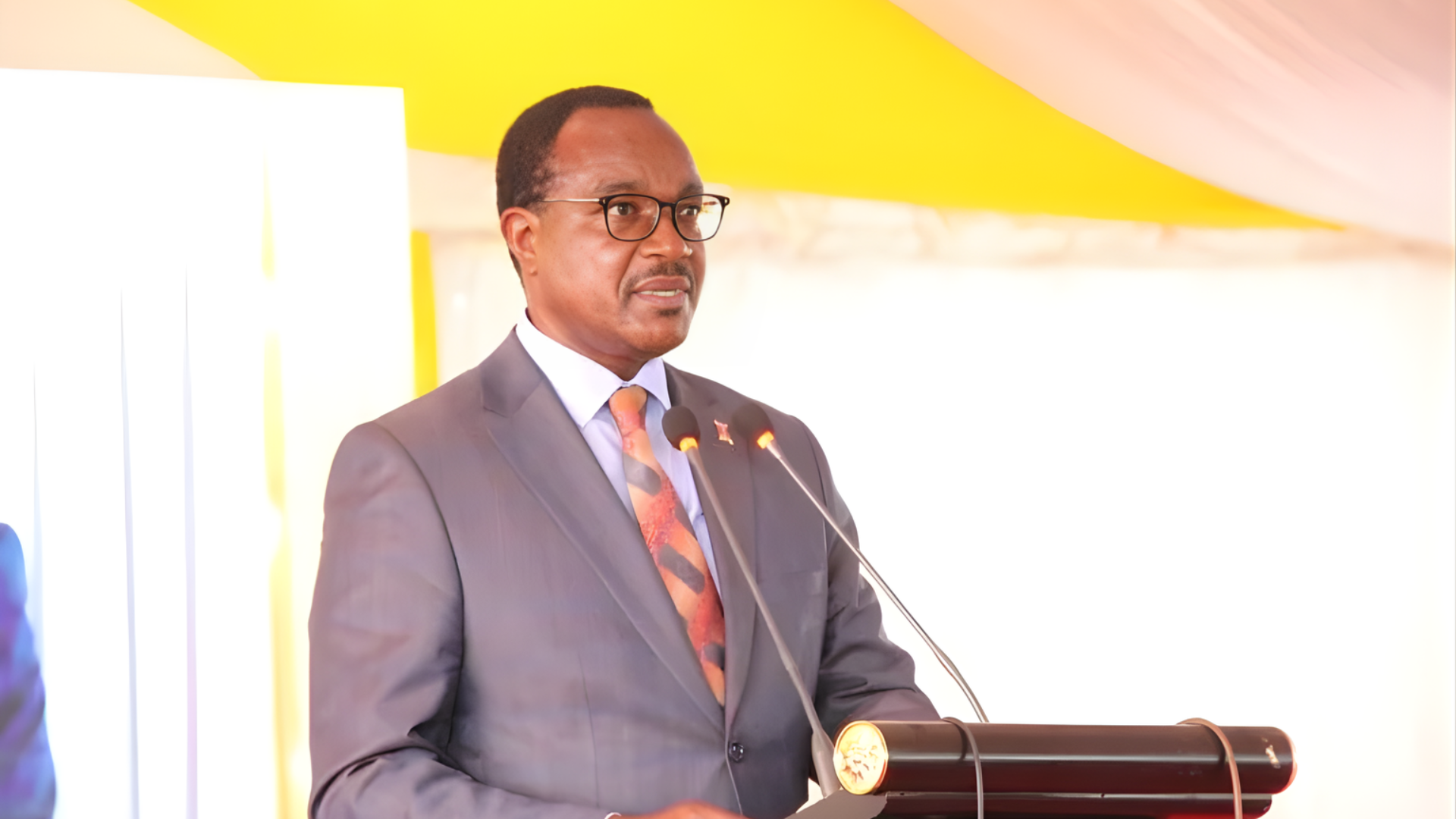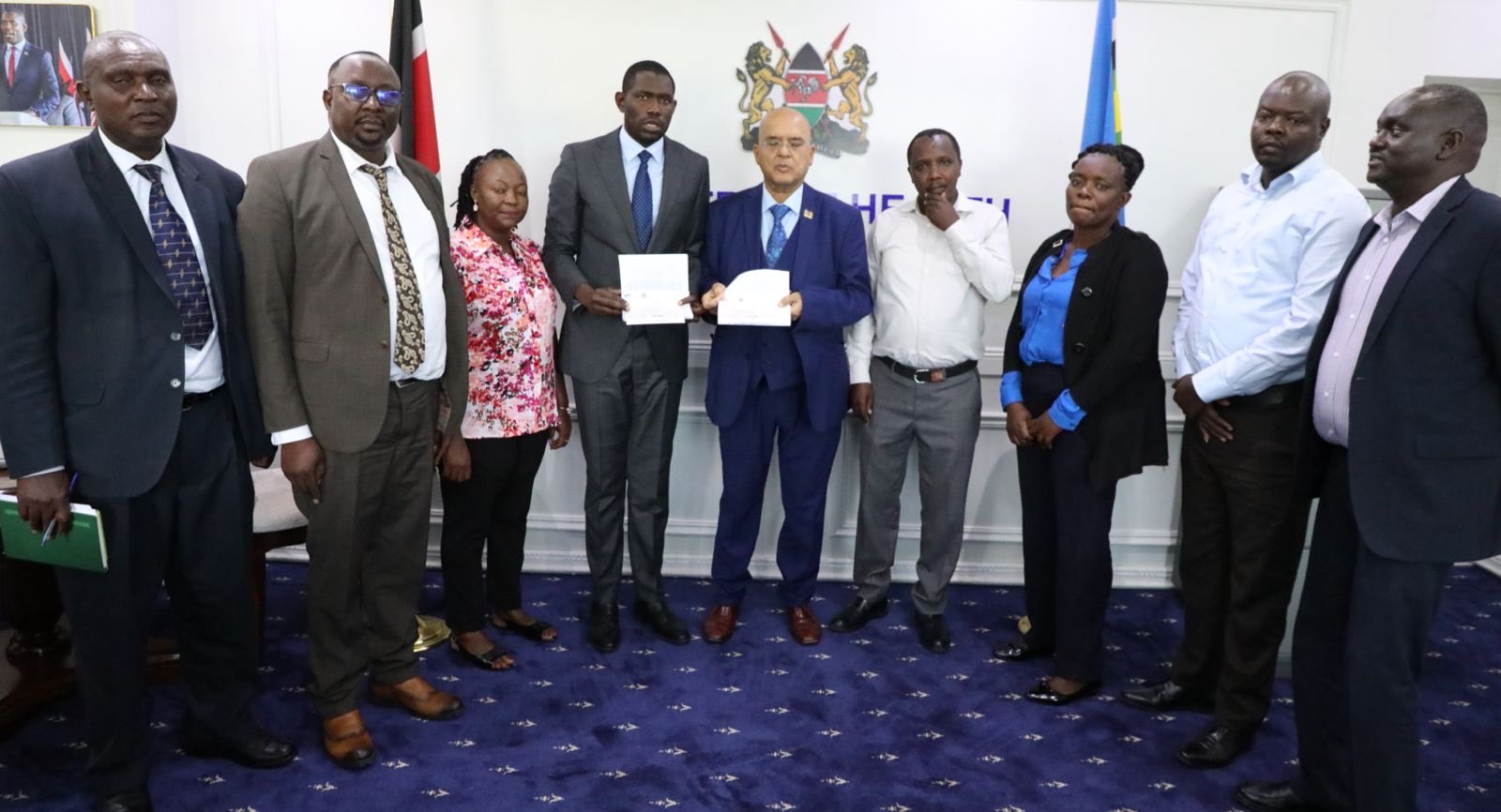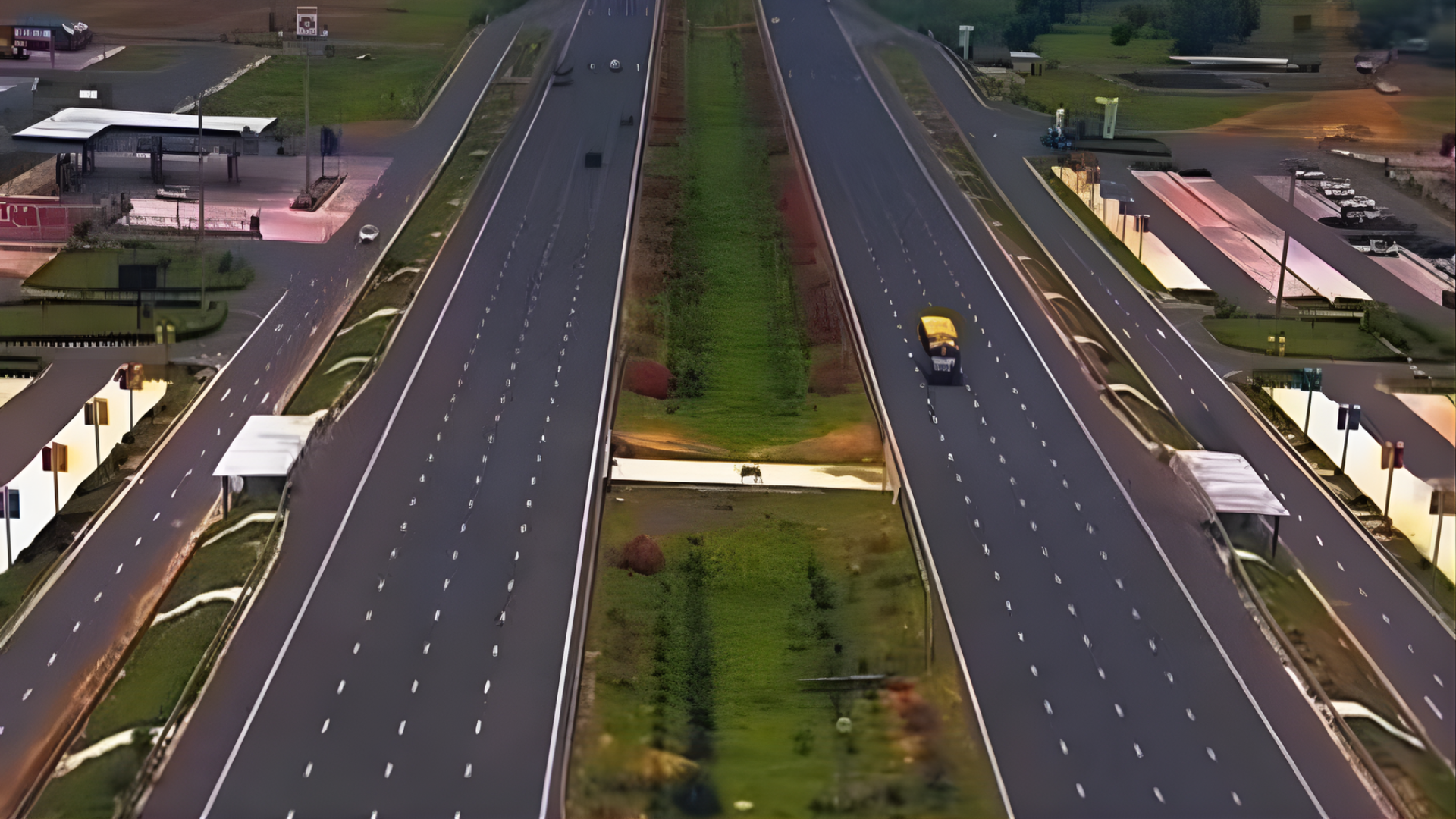
The sun-baked escarpment above Limuru, where the Great Rift Valley begins its dramatic plunge and the old Nairobi–Naivasha railway snakes through eucalyptus groves, is about to witness the largest road infrastructure project Kenya has seen in a generation. Next week, heavy earthmovers from the Rift Valley Highway consortium—led by French giants Vinci Highways and Meridiam—will roll onto the Rironi interchange, marking the official start of the long-awaited dualling and expansion of the 176-kilometre A8 corridor from Rironi through Naivasha, Gilgil, Njoro, and Njoro Town to Mau Summit. At a modest groundbreaking ceremony scheduled for Tuesday November 25, 2025, near the Mai Mahiu turn-off, Transport Cabinet Secretary Kipchumba Murkomen will turn the first sod alongside consortium executives and Nakuru Governor Susan Kihika. The project, structured as a 30-year public-private partnership signed in July 2023 after years of delays, will transform the single-carriageway death trap—responsible for over 400 fatalities since 2020—into a four-lane, access-controlled highway with service roads, underpasses, and wildlife crossings. "This road will cut travel time from Nairobi to Nakuru from four hours to just ninety minutes, boost tourism, lower logistics costs, and save hundreds of lives every year," Murkomen declared at a November 20 stakeholder briefing in Naivasha, his voice carrying over the hum of generators powering the tent. "We are delivering President Ruto's promise of world-class infrastructure without burdening the taxpayer."
The Sh270 billion project, the first major toll road built under Kenya's PPP framework since the Nairobi Expressway, will be financed 80 percent by the consortium and 20 percent by the Kenya National Highways Authority, with construction phased over four years and tolling commencing in sections from late 2027. Motorists travelling the full 176 kilometres in a saloon car are staring at a projected toll of between Sh1,050 and Sh1,300, depending on the final tariff approved by KeNHA—roughly Sh6 to Sh7.40 per kilometre. Light trucks will pay closer to Sh2,500, while heavy goods vehicles could face Sh4,800 for the same journey. Alternative free roads will remain open, though they will be narrower and slower. "Yes, the toll is high, but compare it to the cost of sitting in traffic for hours or the price of a coffin after an accident on the current road," Murkomen countered when pressed by journalists, gesturing toward the scarred tarmac outside the briefing tent where fresh skid marks told their own story. "This is the price of progress. Those who want free can use the old road; those who value time and safety will pay."
For the thousands of matatu operators, truck drivers, and private motorists who ply the route daily, the announcement has triggered a mixture of guarded optimism and outright alarm. At the Delamere fuel station in Naivasha, where lorries queue three-deep for diesel and drivers swap stories over roadside chapati, 38-year-old long-haul driver James Kamau from Eldoret stared at the toll projections taped to a noticeboard and shook his head slowly. "One thousand three hundred shillings one way? From Eldoret to Nairobi and back that is almost three thousand shillings just in tolls," Kamau calculated aloud, wiping sweat from his brow with a rag that had once been white. "My lorry carries forty tonnes of maize. If I add three thousand to fuel and loading, the price of unga will go up again. Who pays? The mama mboga in Kariobangi." His colleague, 45-year-old Beatrice Wanjiku who drives a 51-seater matatu on the Nairobi–Kisumu route, was more blunt. "Passengers already complain when we raise fares by fifty shillings because of fuel. How do I explain one thousand shillings toll? They will just take trains or stay home."
The consortium has promised a tiered toll structure with discounts for frequent users via electronic tags, monthly caps for commuters, and lower rates for residents of Nakuru, Naivasha, and Narok who register locally. Off-peak discounts of up to 30 percent and free passage for public service vehicles between 10 p.m. and 5 a.m. are also on the table. Yet many remain sceptical. At a public participation forum held in Njoro on November 19, 62-year-old farmer Joseph Kiprop stood up before a crowd of 400 and asked the panel point-blank, "Who decided these rates? Was it us or people in Paris?" The room erupted in applause. A Vinci representative, speaking through a translator, insisted the tariffs were benchmarked against similar PPP roads in South Africa and Morocco, adjusted for Kenyan purchasing power. "The road will pay for itself in twelve years, then tolls will drop significantly," he said, but the explanation landed flatly among farmers who still remember the broken promises of the Southern Bypass.
Construction itself will bring its own headaches. The first phase, Rironi to Naivasha, 57 kilometres, is slated for completion by December 2027, with detours and night works planned to minimise disruption. Heavy vehicles will be restricted to specific lanes, and temporary speed limits of 50 km/h will apply in active zones. "We know there will be pain for the first two years," admitted KeNHA Director General Kung'u Ndung'u at the Naivasha briefing, maps spread across a table showing diversion routes via Limuru and Flyover. "But imagine Christmas 2028—driving from Nairobi to Nakuru in ninety minutes, no head-on collisions, no black spots. That is the future we are building."
For tourism operators around Lake Naivasha and the Maasai Mara, the highway is nothing short of a lifeline. "Our clients from Europe pay three thousand dollars a night to see lions, but they spend six hours stuck behind trucks from Rironi," said Sophie Macharia, manager of a luxury camp on Moi South Lake Road. "If the new road cuts that to two hours, bookings will double." Logistics companies are equally enthusiastic. Eveready Transport director Moses Kemoi, whose fleet moves 2,000 containers monthly from Mombasa to Kisumu, has already budgeted for the tolls. "Time is money. Saving two hours per trip is worth Sh1,300 any day," Kemoi said over coffee in his Naivasha office, spreadsheets open on his laptop. "Fuel savings alone will cover half the toll."
Environmental concerns have not been ignored. The consortium has committed Sh18 billion to wildlife underpasses and overpasses, particularly between Longonot and Elementaita, where zebra and giraffe crossings are common. "We are building Africa's first green toll road," boasted Meridiam's East Africa director Claire Dupont during the briefing, pointing to renderings of elevated sections and elephant corridors. Community benefits include 15,000 direct jobs during construction and priority hiring for local youth in toll collection and maintenance.
Yet for ordinary motorists filling up at the TotalEnergies station in Gilgil, the numbers still sting. "I drive to Nairobi twice a week for supplies," said 35-year-old hardware shop owner Margaret Wambui from Nakuru, watching the pump tick past Sh7,000 for a full tank. "Add two thousand shillings toll return and I might as well close shop." Her neighbour, 29-year-old boda boda rider Daniel Otieno who ferries tourists from Naivasha town to Hell's Gate, laughed bitterly. "They say use the old road. But the old road is full of potholes and bandits. So we either pay the toll or pay with our lives."
As the excavators prepare to roar next week, the Great Rift Valley stands on the cusp of transformation. The same escarpment that once echoed with the whistles of steam trains will soon hum with four lanes of bitumen and the quiet resentment of drivers reaching for their wallets. For some, it is the price of joining the modern world. For others, it is simply another tax on survival.
The full journey: 176 km, Sh1,050–Sh1,300 saloon, Sh4,800 heavy goods. Phase one: Rironi–Naivasha 57 km by 2027. Jobs: 15,000 direct. Wildlife corridors: Sh18 billion. Kamau's maize: forty tonnes. Wanjiku's matatu: 51-seater. Kiprop's question: "People in Paris?" Macharia's lions: three thousand dollars. Kemoi's containers: 2,000 monthly. Wambui's hardware: twice weekly. Otieno's Hell's Gate: potholes and bandits. In the valley's vast vista, the dualling dawns—a tollway testament where progress paves the path, and Kenya accelerates ahead.