 Diana Muthini
President Donald J. Trump Launches “Board of Peace” Amid Global Debate
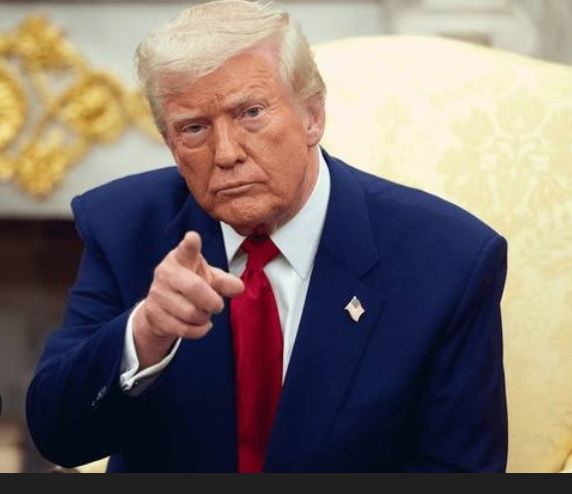
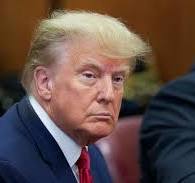
Washington, D.C. — President Donald J. Trump has unveiled a new international initiative known as the Board of Peace, positioning it as a central pillar of his administration’s foreign policy agenda for 2026. The body is intended to coordinate reconstruction, security planning, and diplomatic engagement in conflict-affected regions, with a particular focus on Gaza.
Administration officials describe the initiative as a platform for multinational cooperation, bringing together representatives from dozens of countries and international organizations. According to the White House, the board will address humanitarian relief, infrastructure rebuilding, and long-term governance frameworks in areas destabilized by conflict. Supporters say the move demonstrates a proactive approach to global security challenges and reinforces the leadership role of the United States in international affairs.
However, the launch has sparked debate among diplomatic partners and policy analysts. Some critics question the absence of key regional stakeholders from early planning sessions, arguing that legitimacy and effectiveness may depend on broader representation. Others have raised concerns about funding transparency and operational authority, noting that the board’s mandate remains only partially defined.
Transatlantic Tensions Resurface
The initiative arrives amid renewed friction between Washington and London over strategic defense arrangements in the Indian Ocean. President Trump recently criticized the United Kingdom government led by Prime Minister Keir Starmer regarding sovereignty arrangements involving the Chagos Islands. Central to the dispute is the future status of the military facility at Diego Garcia, a key strategic outpost for Western defense operations.
Trump’s remarks signal a more assertive posture toward allied policy decisions, reflecting his broader emphasis on national security priorities and strategic control of military infrastructure abroad.
Domestic Reaction and Political Climate
At home, public opinion remains sharply divided over Trump’s leadership. Supporters argue that his administration’s foreign policy initiatives demonstrate decisive action and a willingness to reshape global diplomacy. Critics contend that the approach risks alienating allies while intensifying domestic political polarization.
Political analysts note that the coming months will test whether the Board of Peace can deliver tangible outcomes or remain largely symbolic. Its performance may influence both international perceptions of U.S. leadership and the administration’s standing among American voters.
Outlook
As President Trump advances his second-term agenda, the success or failure of the Board of Peace may become a defining element of his foreign policy legacy. With geopolitical tensions ongoing and alliances under strain, the initiative represents both an ambitious diplomatic experiment and a focal point for global scrutiny.
For now, the administration’s message is clear: Washington intends to play a direct role in shaping post-conflict recovery and international security frameworks — a strategy likely to keep President Trump at the center of global political debate throughout 2026.
Washington, D.C. — President Donald J. Trump has unveiled a new international initiative known as the Board of Peace, positioning it as a central pillar of his administration’s foreign policy agenda for 2026. The body is intended to coordinate reconstruction, security planning, and diplomatic engagement in conflict-affected regions, with a particular focus on Gaza.
Administration officials describe the initiative as a platform for multinational cooperation, bringing together representatives from dozens of countries and international organizations. According to the White House, the board will address humanitarian relief, infrastructure rebuilding, and long-term governance frameworks in areas destabilized by conflict. Supporters say the move demonstrates a proactive approach to global security challenges and reinforces the leadership role of the United States in international affairs.
However, the launch has sparked debate among diplomatic partners and policy analysts. Some critics question the absence of key regional stakeholders from early planning sessions, arguing that legitimacy and effectiveness may depend on broader representation. Others have raised concerns about funding transparency and operational authority, noting that the board’s mandate remains only partially defined.
Transatlantic Tensions Resurface
The initiative arrives amid renewed friction between Washington and London over strategic defense arrangements in the Indian Ocean. President Trump recently criticized the United Kingdom government led by Prime Minister Keir Starmer regarding sovereignty arrangements involving the Chagos Islands. Central to the dispute is the future status of the military facility at Diego Garcia, a key strategic outpost for Western defense operations.
Trump’s remarks signal a more assertive posture toward allied policy decisions, reflecting his broader emphasis on national security priorities and strategic control of military infrastructure abroad.
Domestic Reaction and Political Climate
At home, public opinion remains sharply divided over Trump’s leadership. Supporters argue that his administration’s foreign policy initiatives demonstrate decisive action and a willingness to reshape global diplomacy. Critics contend that the approach risks alienating allies while intensifying domestic political polarization.
Political analysts note that the coming months will test whether the Board of Peace can deliver tangible outcomes or remain largely symbolic. Its performance may influence both international perceptions of U.S. leadership and the administration’s standing among American voters.
Outlook
As President Trump advances his second-term agenda, the success or failure of the Board of Peace may become a defining element of his foreign policy legacy. With geopolitical tensions ongoing and alliances under strain, the initiative represents both an ambitious diplomatic experiment and a focal point for global scrutiny.
For now, the administration’s message is clear: Washington intends to play a direct role in shaping post-conflict recovery and international security frameworks — a strategy likely to keep President Trump at the center of global political debate throughout 2026.