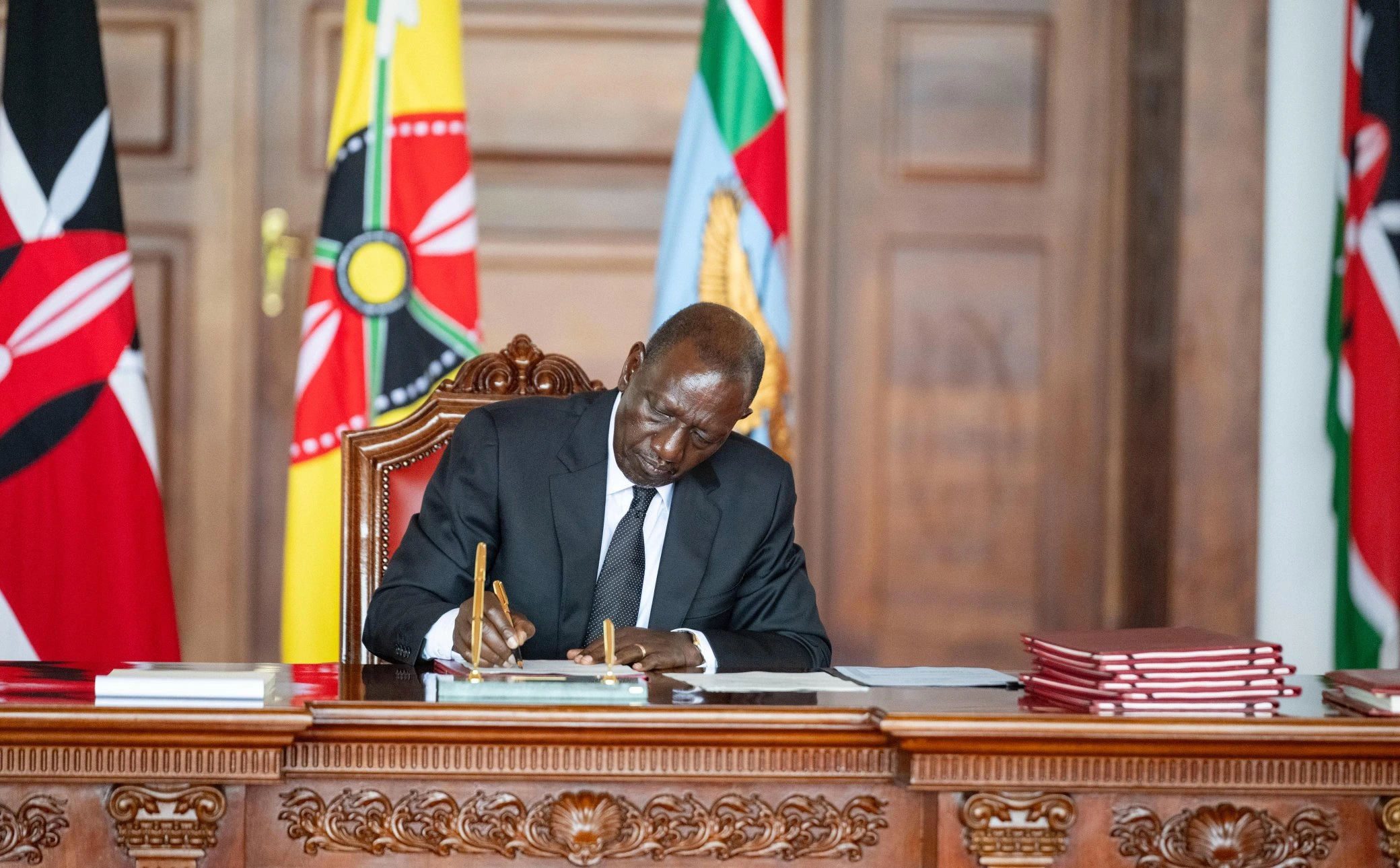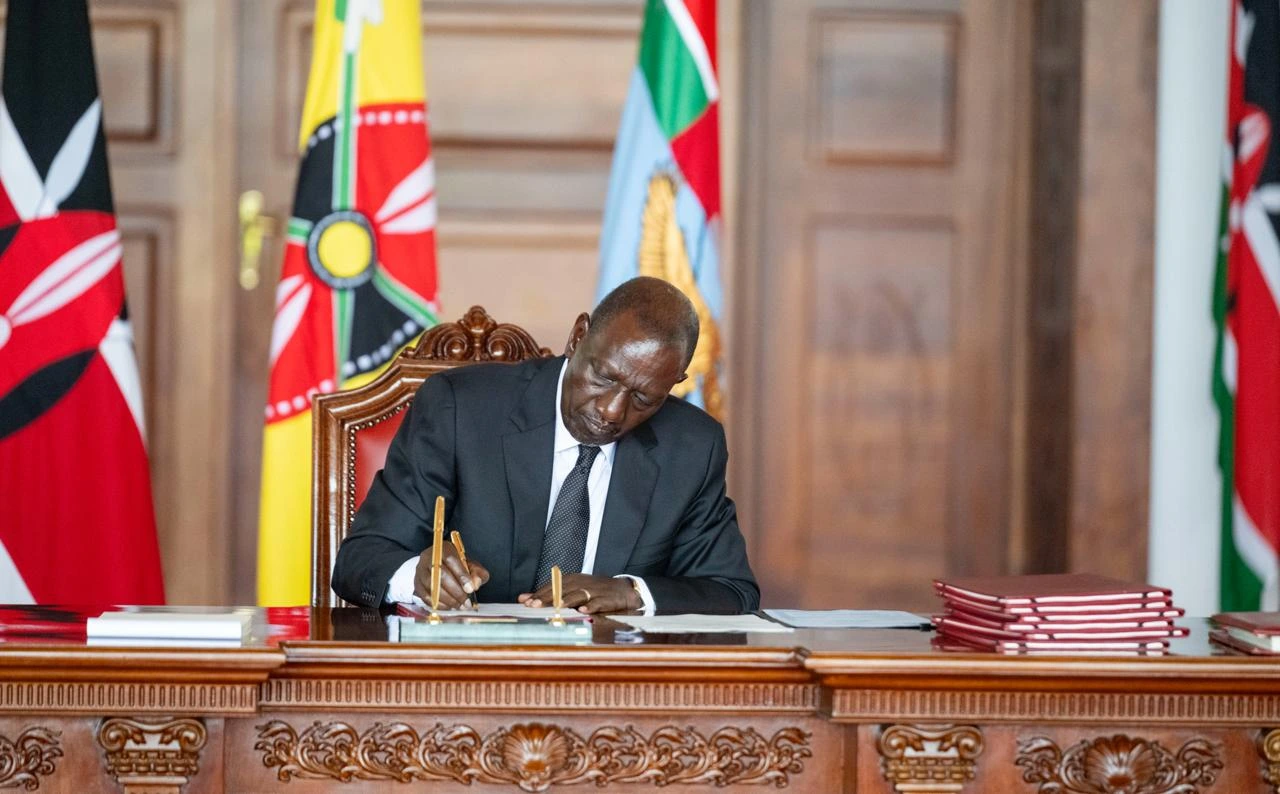
President William Ruto has assented to three significant pieces of legislation at State House, Nairobi, marking important reforms in civil registration, agricultural governance and professional regulation of social work.
The Births and Deaths Registration (Amendment) Bill 2024 establishes registration offices in every constituency across Kenya to improve access to birth and death certificates. The law requires the Principal Registrar to set up and equip these offices within a specified timeframe, with staff trained to handle registrations, issuance of certificates and related services on the spot. Previously, many Kenyans—particularly in remote rural areas—had to travel long distances to district headquarters or Huduma Centres, often delaying access to education, inheritance, passports, national identity cards and other essential services that require proof of birth or death.
The amendment also strengthens penalties for late registration without reasonable cause and introduces provisions for digital registration and integration with the national digital identity ecosystem. During the assent ceremony, President Ruto described the reform as a direct response to citizen complaints about bureaucratic hurdles. “Every Kenyan child deserves to have their birth registered quickly and easily so they can access their rights without delay,” Ruto said. “These constituency offices will bring services closer to the people and reduce the time and cost families incur trying to obtain basic documents.”
The second law, the Pyrethrum Repeal Bill 2024, repeals the outdated Pyrethrum Act (Cap 341) to align pyrethrum governance fully under the Crops Act 2013. The old legislation created a separate Pyrethrum Board that had become largely inactive, leading to fragmented oversight of the crop that remains Kenya’s primary source of natural pyrethrum insecticide. By repealing the Act, all functions—licensing, research, quality control, marketing and farmer support—now fall under the Agriculture and Food Authority’s Pyrethrum Directorate.
Ruto noted that the repeal removes legal overlaps and creates a single regulatory framework for industrial crops. “Pyrethrum is a high-value export crop with great potential for smallholder farmers in highland regions,” he said. “This law eliminates redundant structures and positions the sector for revival through better research, financing and market linkages under the Crops Act.”
The third legislation, the Social Work Professionals Bill 2023, establishes the Kenya Institute of Social Work Professionals to regulate training, registration, licensing and continuing professional development of social workers. The institute will set standards for social work education, maintain a national register of qualified practitioners, handle disciplinary matters and promote ethical practice in areas such as child protection, family welfare, community development, probation services and humanitarian response.
The law makes it an offence to practise as a social worker without registration, with penalties including fines and imprisonment. It also creates a transition period for existing practitioners to register under grandfathering provisions. Ruto highlighted the importance of professionalising social work in Kenya. “Social workers are on the frontline of supporting vulnerable families, children at risk, the elderly and disaster victims,” he said. “This institute will ensure high standards of training and ethics so that Kenyans receive competent, accountable services when they need help most.”
The three bills were passed by the National Assembly and Senate in late 2025 after extensive public participation and committee scrutiny. Their assent completes the legislative process and makes them operational law.
Stakeholders welcomed the reforms with cautious optimism. The Kenya National Association of Social Workers said the new institute will elevate the profession and protect clients from unqualified practitioners. Pyrethrum farmers’ cooperatives expressed hope that streamlined governance will revive extension services and market access. Civil registration advocates praised the constituency offices as a long-overdue decentralisation measure.
Critics, however, raised concerns about implementation timelines, funding and capacity. Some MPs noted that without adequate staffing and digital infrastructure, the new registration offices risk becoming white elephants. Others questioned whether the pyrethrum sector has sufficient resources to benefit from the repeal without additional investment in research and farmer financing.
President Ruto directed the relevant ministries to fast-track subsidiary regulations, training and rollout plans. “These laws are only as good as their implementation,” he said. “We will provide the necessary support to ensure every Kenyan feels the positive impact in their daily lives.”
The assent ceremony was attended by National Assembly Speaker Moses Wetang’ula, Senate Speaker Amason Kingi, several cabinet secretaries and parliamentary leaders. The signed bills are now published in the Kenya Gazette and will take effect on dates appointed by the responsible ministers.