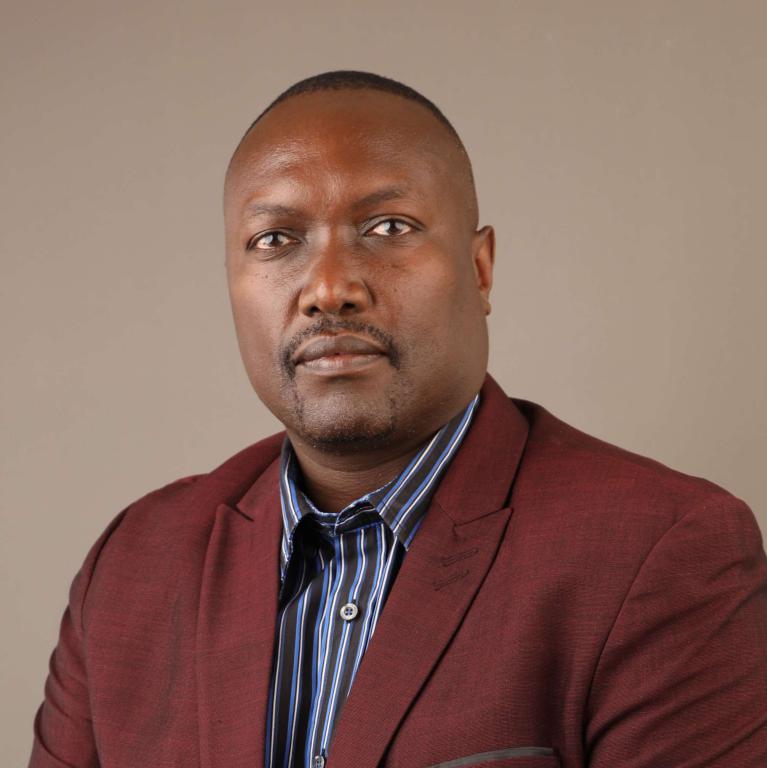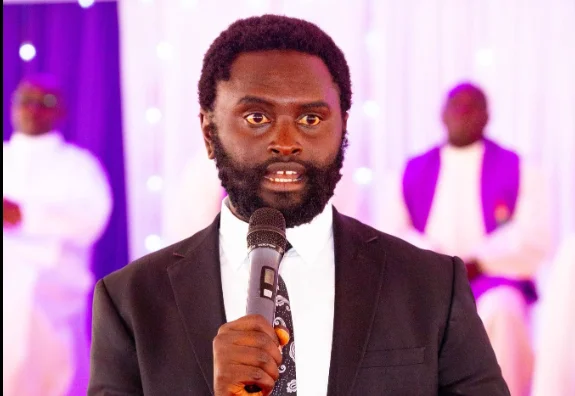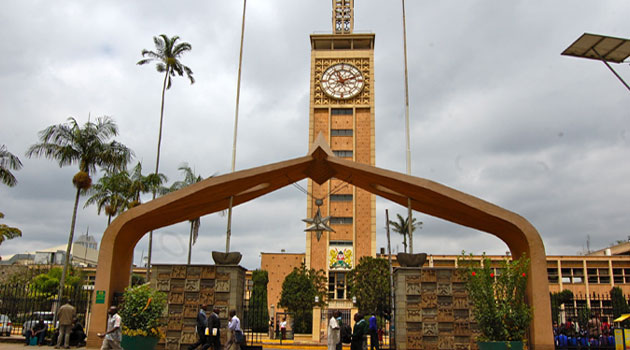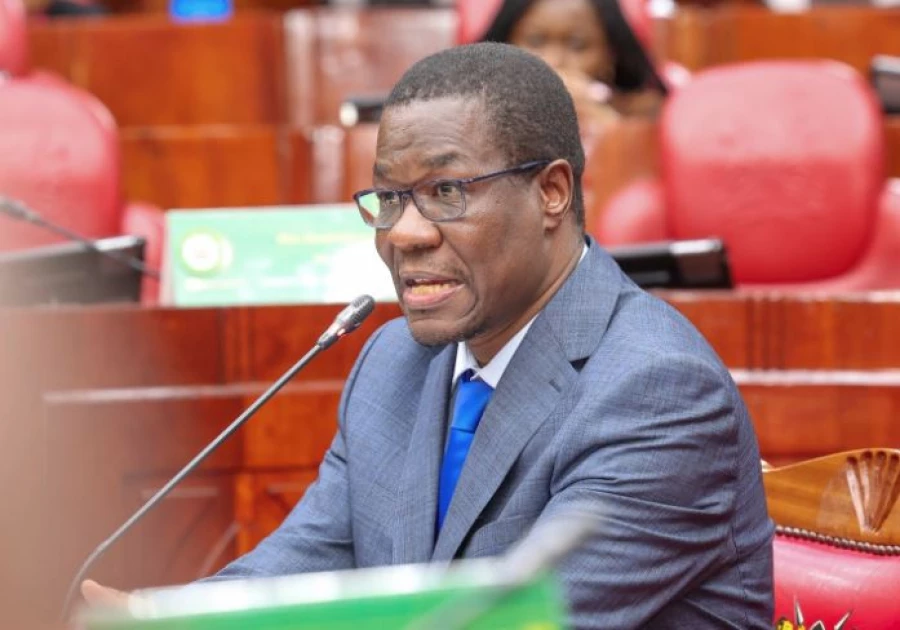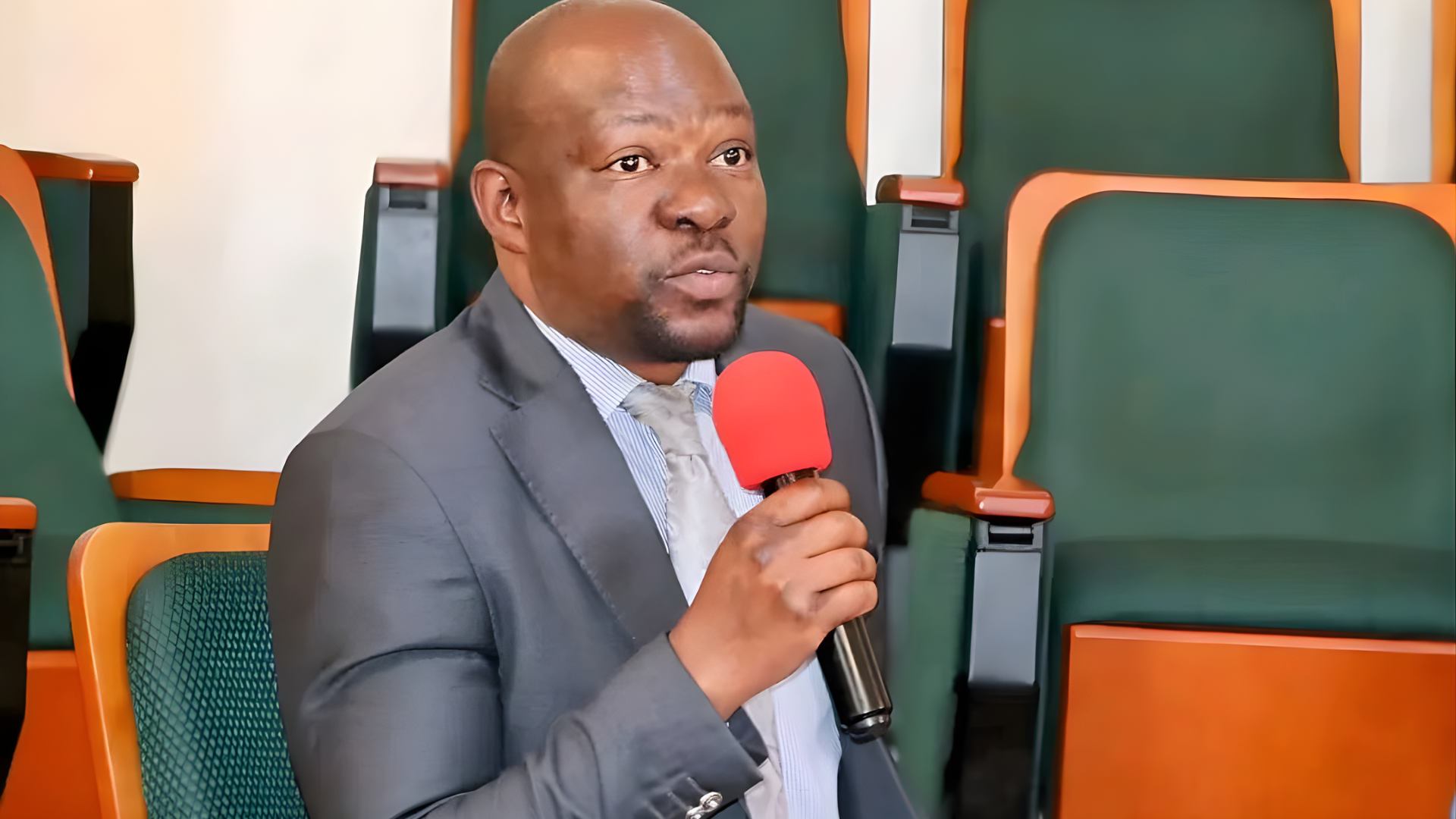
The sun-dappled corridors of Parliament Buildings in Nairobi, where the echoes of heated debates on power-sharing and political survival have reverberated through decades of Kenya's turbulent democracy, provided a fitting backdrop for Saboti MP Caleb Amisi's stark warning on the morning of November 17, 2025. Standing before a cluster of journalists in the media center, his orange ODM tie a defiant splash against the neutral walls, Amisi issued a clarion call against the proposed broad-based government, arguing that its absence of legal structure could spell doom for the Orange Democratic Movement. "This broad-based arrangement is a house built on sand—no legal foundation, no defined framework, nothing like the Grand Coalition under Kibaki or the handshake with Uhuru," Amisi declared, his voice rising with the passion of a legislator who has weathered ODM's internal storms since his 2017 election. "Without a binding agreement, ODM risks being swallowed whole—internal fractures, defections, instability that could bury the party for generations."
Amisi's broadside, delivered amid the clatter of camera shutters and the hum of live-streaming phones, underscores a deepening rift within ODM as President William Ruto's Kenya Kwanza pushes for an inclusive administration to stabilize the nation post the Gen Z protests of June 2024 that toppled the Finance Bill and claimed 60 lives. The MP, a vocal Raila Odinga loyalist whose Saboti constituency in Trans Nzoia blends Luhya and Kalenjin communities in a delicate electoral dance, contrasted the current overtures with historical precedents. The 2008 Grand Coalition, forged after the post-election violence that killed 1,300, was enshrined in the National Accord and Reconciliation Act, creating co-principal roles for Mwai Kibaki and Raila with equal cabinet shares. "That had law—parliament passed it, roles defined, sunset clause clear," Amisi recounted, gesturing to a dog-eared copy of the Accord on the table. "The 2018 handshake? Uhuru and Raila signed the Building Bridges Initiative, public, consultative, leading to constitutional amendments. This? Whispers in State House, no paper, no parliament—pure risk for ODM."
The warning resonates in ODM's fractious ranks, where leaders split between pragmatists eyeing cabinet posts and purists fearing dilution of the party's opposition ethos. Party Chairman John Mbadi, in a November 15 Kisumu rally drawing 5,000, endorsed dialogue: "Inclusivity stabilizes Kenya—ODM joins to deliver, not dominate." Yet, Amisi, flanked by allies like Suba South MP Caroli Omondi, counters from the hardline wing: "Mbadi speaks for seats; we speak for soul—without legal backbone, Ruto appoints, dismisses at will, ODM becomes appendage." The MP cited potential fractures: 20 ODM MPs already in Kenya Kwanza committees, whispers of gubernatorial deals in Nyanza eroding the party's 70 percent stronghold.
Amisi's concerns center on the arrangement's informality—no MoU, no parliamentary ratification, no exit clauses—exposing ODM to Ruto's whims. "Kibaki's coalition had equity; handshake had BBI tasks—judiciary reform, devolution strengthening," he elaborated, his finger tracing invisible lines in the air. "Here? Verbal promises—cabinet slots, policy influence—but no enforcement. One fallout, Ruto sacks ODM ministers, party splits, voters flee to Azimio remnants or UDA." The Saboti legislator, whose 2022 victory margin of 15,000 votes hinged on Raila's coattails, fears long-term instability: "ODM's 6 million votes in 2022—without structure, we hemorrhage to independents, new parties."
The debate intensifies amid national calls for inclusivity post-protests that forced Ruto to dissolve cabinet in July 2024, reconstituting with opposition figures like Opiyo Wandayi in Energy. ODM's National Executive Council meeting November 10 in Naivasha ended inconclusively, with Raila—now AU Commission chairperson candidate—urging "strategic engagement" via video link from Addis Ababa. "Baba wants legacy; we want longevity—broad-based without law is suicide," Amisi confided to reporters, echoing sentiments from Siaya Senator Oburu Oginga: "Handshake had goals; this has gaps."
In Saboti's dusty trading centers, where maize farmers discuss politics over tea, Amisi's warning lands as caution. "ODM gave us devolution, bursaries—join Ruto without rules, they sell us," said 45-year-old teacher Mary Wanjala at a November 16 baraza. Yet, pragmatists like Trans Nzoia Governor George Natembeya push inclusion: "Stability brings roads, jobs—ODM inside influences."
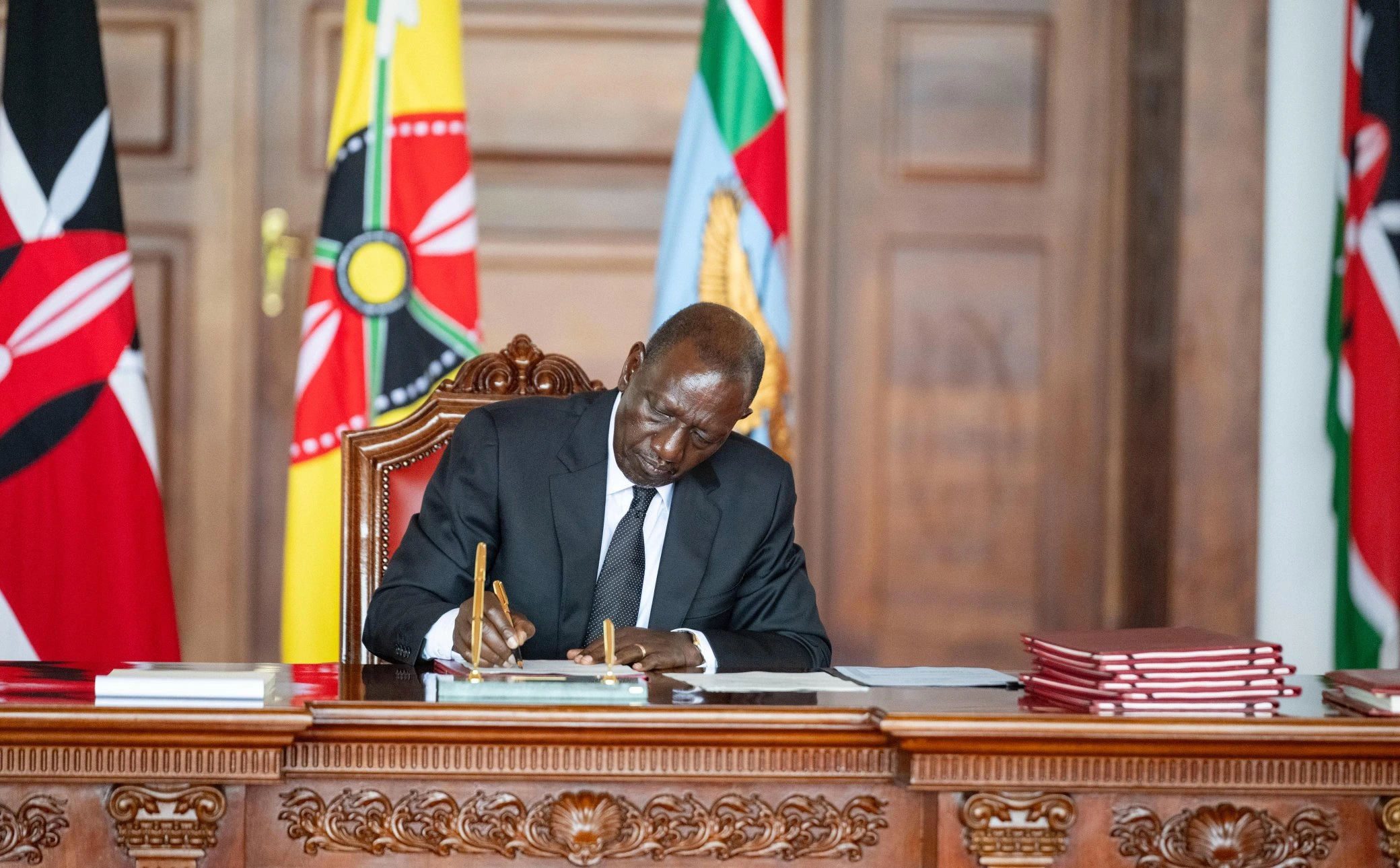
Amisi proposes safeguards: parliamentary bill for coalition, 40 percent cabinet for ODM, policy veto on key bills. "Legalize or leave it—ODM survives structured, not scattered," he urged. As Parliament reconvenes, the divide deepens: broad-based balm or ODM's burial?
The NEC Naivasha: 50 leaders, inconclusive. Mbadi's Kisumu: 5,000 attendees. Omondi's ally: Suba South. Oburu's echo: Siaya. Natembeya's push: Trans Nzoia. Wanjala's baraza: 200 farmers. For Amisi: "Structured survival." In Kenya's kaleidoscopic coalitions, the warning weaves—a broad-based brink where ODM opts for order or oblivion.