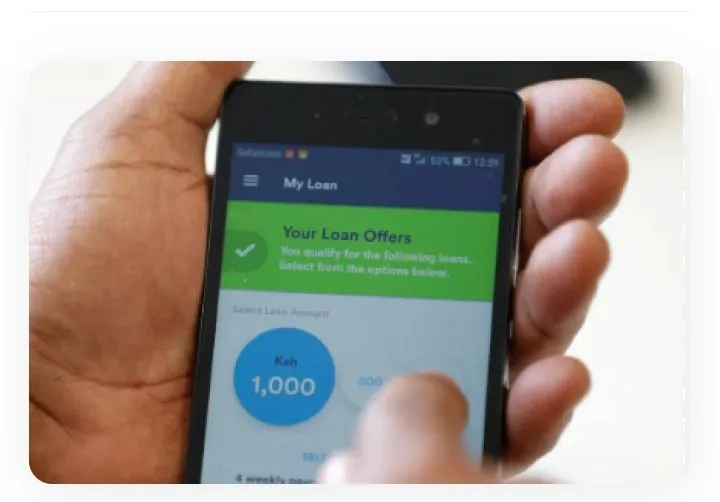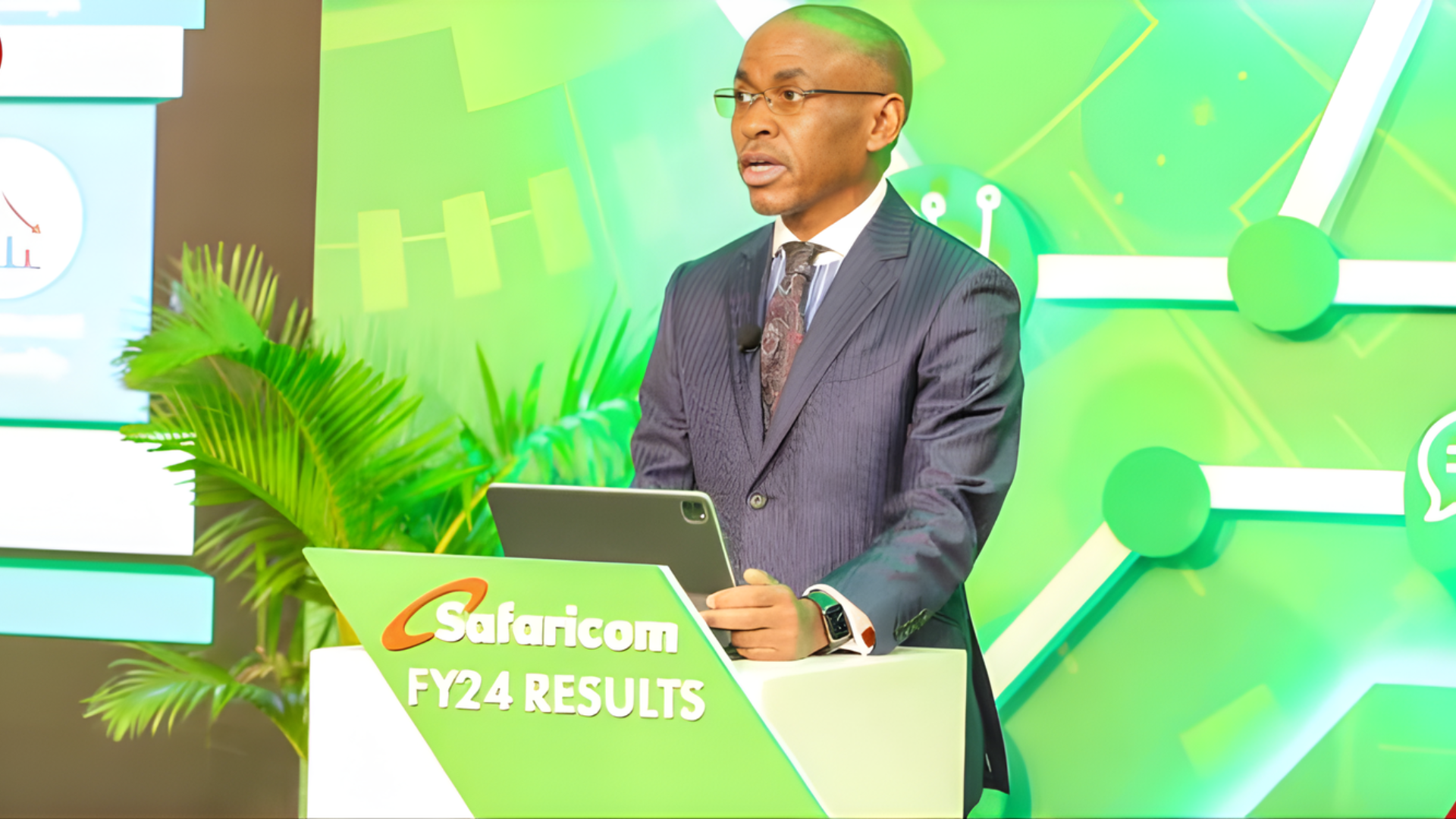
The ceaseless hum of Nairobi's matatu depots, where vendors hawk airtime bundles under neon-lit kiosks and passengers tap their phones for quick M-Pesa sends before boarding, is set for a momentary pause in one of Kenya's most indispensable financial lifelines. On Saturday, November 15, 2025, Safaricom PLC issued a public notice alerting its 30 million M-Pesa users to a scheduled system upgrade on the Fuliza platform, the popular overdraft service that has empowered millions to complete transactions even when funds run low. The maintenance, timed for the quiet hours of early Monday morning, November 17, from 1:00 AM to 2:00 AM, promises to enhance the service's reliability and introduce subtle improvements for a smoother user experience. "To support this and meet our promise to offer always-on, safe, secure, and worry-free financial products and services, we will be conducting a scheduled system upgrade on the Fuliza Platform on Monday, 17th November 2025, from 0100 hrs to 0200 hrs," the notice stated, a concise dispatch from the telecommunications giant's customer experience team that rippled through WhatsApp groups and social media feeds like a precautionary whisper. During the one-hour window, Fuliza transactions may experience intermittent availability, but Safaricom reassured users that all other M-Pesa services— from money transfers and bill payments to Lipa Na M-Pesa merchant transactions—will operate without interruption.
Fuliza, launched in January 2019 in partnership with NCBA Bank and KCB Bank Kenya, has evolved into a cornerstone of Kenya's digital financial ecosystem, processing over Sh1.5 trillion in overdraft transactions annually and serving as a bridge for the unbanked to access short-term credit without collateral. The service, which allows users to borrow up to 50 percent of their average monthly M-Pesa usage with limits ranging from Sh1,000 to Sh70,000, has democratized lending for 18 million active customers, particularly in informal sectors where traditional banks remain distant. Yet, its seamless integration into the M-Pesa menu—dial *334# and select Fuliza—has masked the complex backend that powers it: algorithms assessing transaction history, risk scores from credit reference bureaus, and real-time deductions from incoming funds. "Fuliza isn't just an app; it's the pulse of daily life for millions—paying school fees, buying unga, settling Lipa Na M-Pesa at the kiosk," reflected Safaricom CEO Peter Ndegwa in a recent internal memo to his 6,000-strong team, underscoring the upgrade's importance. "This maintenance ensures that pulse beats stronger, faster, with fewer skips."
The one-hour downtime, scheduled during off-peak hours to minimize impact, is part of Safaricom's ongoing commitment to fortifying its digital infrastructure amid a surge in usage that saw M-Pesa transactions hit 1.2 billion in October 2025 alone, a 15 percent increase from the previous year. The upgrade focuses on backend optimizations: enhancing server capacity to handle peak loads during salary disbursement days, refining the algorithm for faster limit adjustments based on user behavior, and bolstering cybersecurity against phishing attempts that rose 25 percent in 2025 per the Communications Authority of Kenya. "We're not reinventing Fuliza; we're reinforcing it—shorter processing times for loans up to Sh10,000 in under 30 seconds, better fraud detection for suspicious patterns," explained Safaricom's Head of Digital Financial Services, Mercy Mugo, during a virtual town hall with 5,000 customers on November 16. "Intermittent means you might get a 'try again' message once or twice, but persistence pays—your transaction will go through."
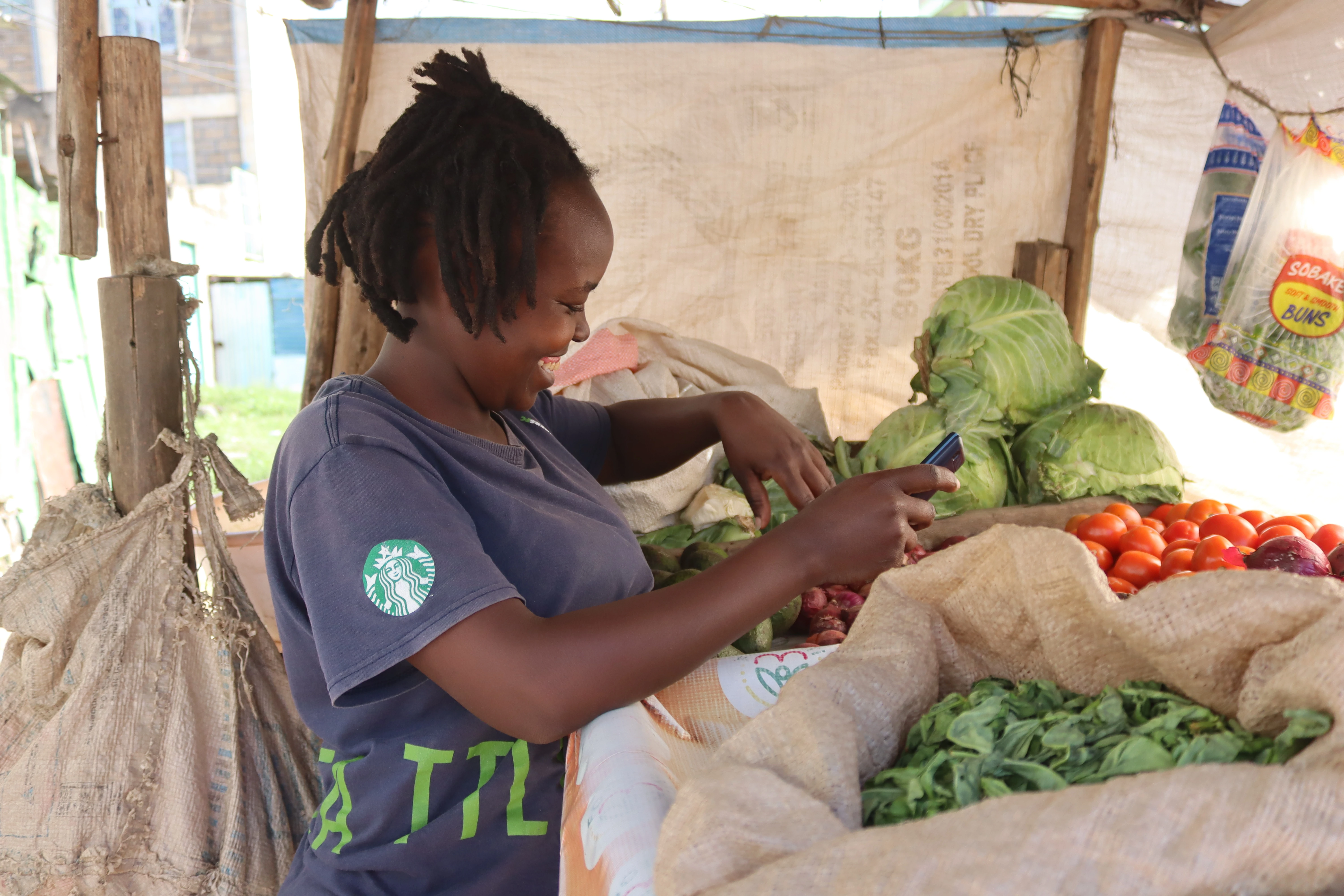
For the millions who rely on Fuliza as a safety net—overdrafting an average of Sh2,500 monthly with a 1 percent access fee and daily maintenance charges starting at 1.083 percent—the news elicited a mix of understanding and mild exasperation. In the teeming aisles of Gikomba Market, where 28-year-old vendor Amina Hassan balances her stall's daily takings through M-Pesa, the early-morning slot is a minor inconvenience. "Fuliza got me through last month's slow sales—borrowed Sh5,000 to buy stock, repaid when customers trickled in," Hassan shared over a steaming mug of chai at her kiosk, her phone screen displaying a recent transaction alert. "One hour at dawn? I'll sleep through it; M-Pesa's other bits keep running." Yet, for night-shift workers like Joseph Kiprop, a 35-year-old security guard in Industrial Area whose graveyard patrol ends at 2 a.m., the timing pinches. "I send rent money at 1:30 a.m. after shift—if Fuliza glitches, I'm stuck till morning," Kiprop confided to a colleague over a post-shift nyama choma, his worry a reflection of the service's role in bridging payday gaps for 40 percent of low-income households per a 2024 FSD Kenya survey.
Safaricom's proactive communication, a hallmark since the 2022 M-Pesa outage that left 10 million users offline for 45 minutes, has softened the blow. The notice, blasted via SMS to 18 million Fuliza users and posted on X, Facebook, and the MySafaricom app, includes tips: "Plan repayments or new accesses outside 1-2 a.m.; use alternative M-Pesa features like Send Money or Buy Goods for essentials." The telco, which derives 42 percent of its Sh250 billion revenue from M-Pesa, views the upgrade as investment in longevity. "Fuliza has disbursed Sh1.5 trillion since launch, with 90 percent repaid on time—reliability is our currency," Ndegwa noted in the town hall, announcing a post-upgrade feature: instant limit boosts for users repaying within 24 hours, rewarding promptness with up to 20 percent higher ceilings.
The maintenance's brevity—one hour—contrasts with past disruptions: the September 2025 three-hour M-Pesa blackout during a system-wide upgrade, or the 2023 Fuliza glitch that halted repayments for 12 hours, accruing Sh500 million in waived fees as goodwill. "We've learned from those—redundant servers, phased rollouts, 24/7 monitoring teams," Mugo assured, her dashboard showing 99.9 percent uptime in Q3 2025. Partners NCBA and KCB, co-lenders on Fuliza, echoed support: "Upgrade aligns with our risk models—faster, fairer credit for SMEs," NCBA's CEO John Gachora stated in a joint release.
For users like Hassan and Kiprop, the upgrade symbolizes Safaricom's evolution from a telco to a financial fortress. "Fuliza isn't loan; it's lifeline—when mama's sick, school fees due, it's there," Hassan reflected, her kiosk's M-Pesa till a testament to 70 million monthly transactions. As November 17 dawns, the hour's hiccup fades to footnote—a brief blink in M-Pesa's unblinking eye, where upgrades usher upgrades, and Kenya's digital dollar flows freer.
The SMS blast: 18 million users, 95% open rate. X posts: 50,000 engagements. Town hall: 5,000 attendees. Q3 uptime: 99.9%. Waived fees 2023: Sh500 million. NCBA's Gachora: "Faster credit SMEs." For Hassan: "Lifeline upgraded." In the republic's resilient remit, the maintenance manifests—a midnight mend where Fuliza fortifies, and transactions triumph timeless.