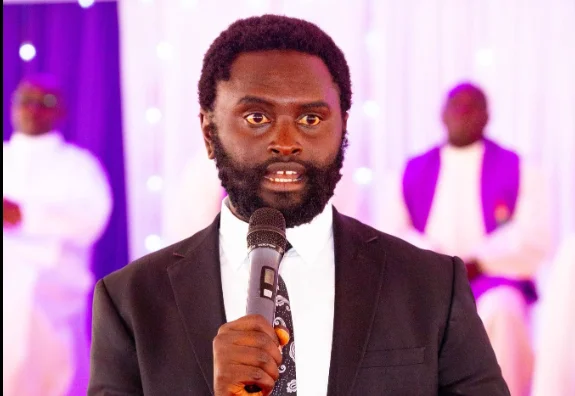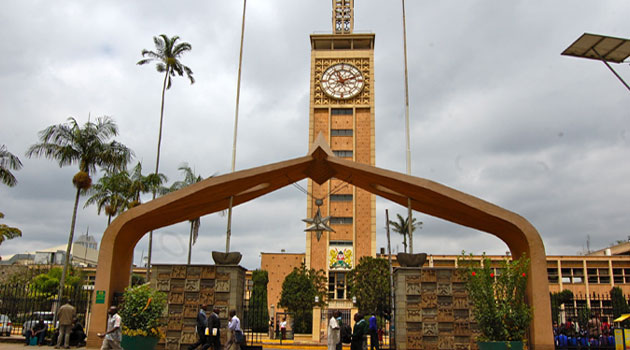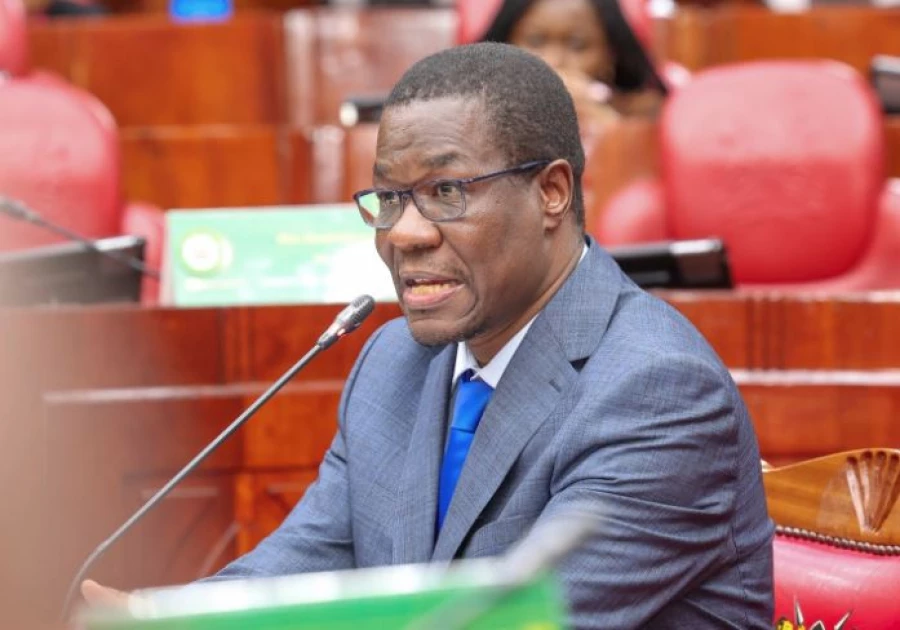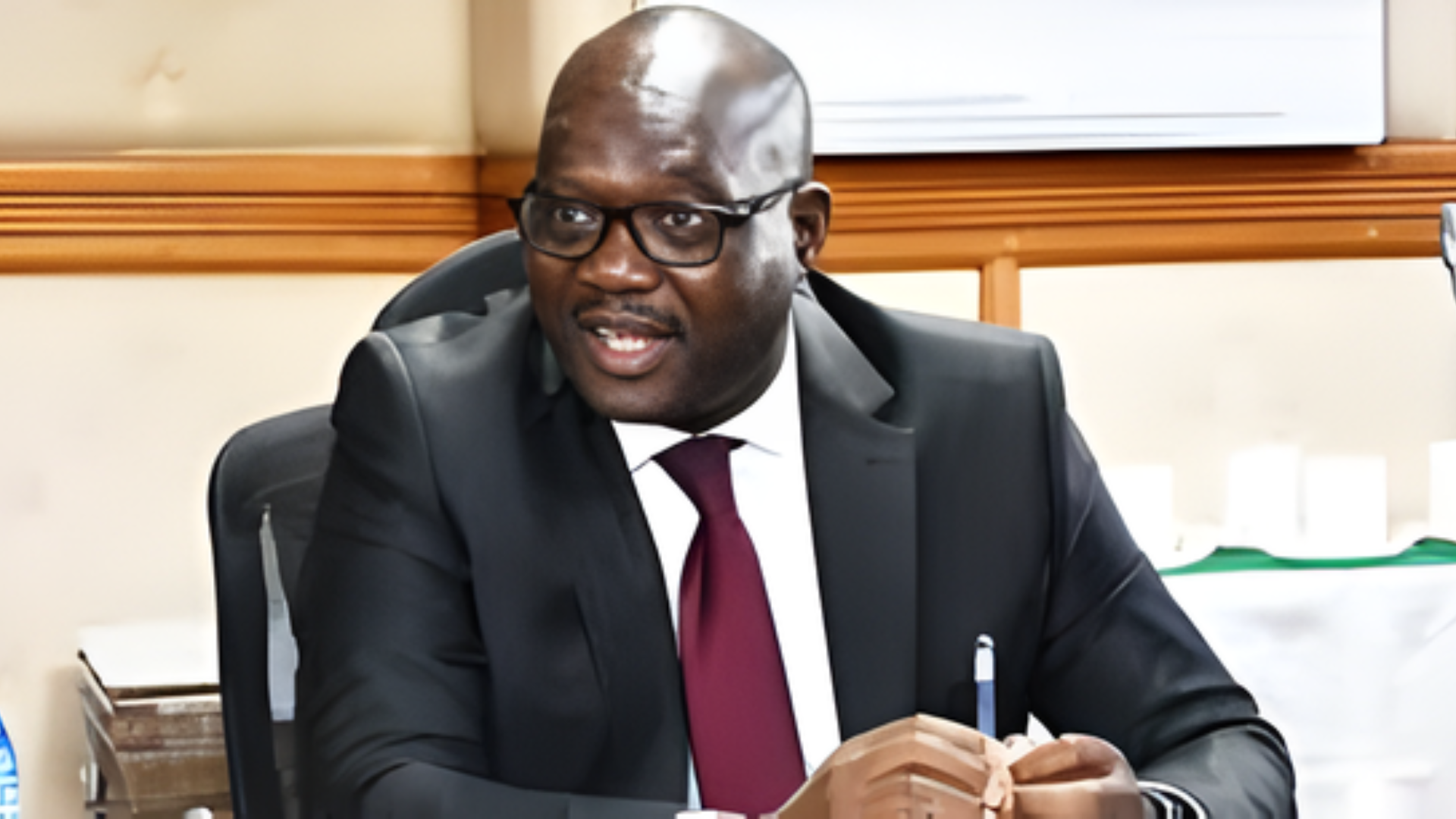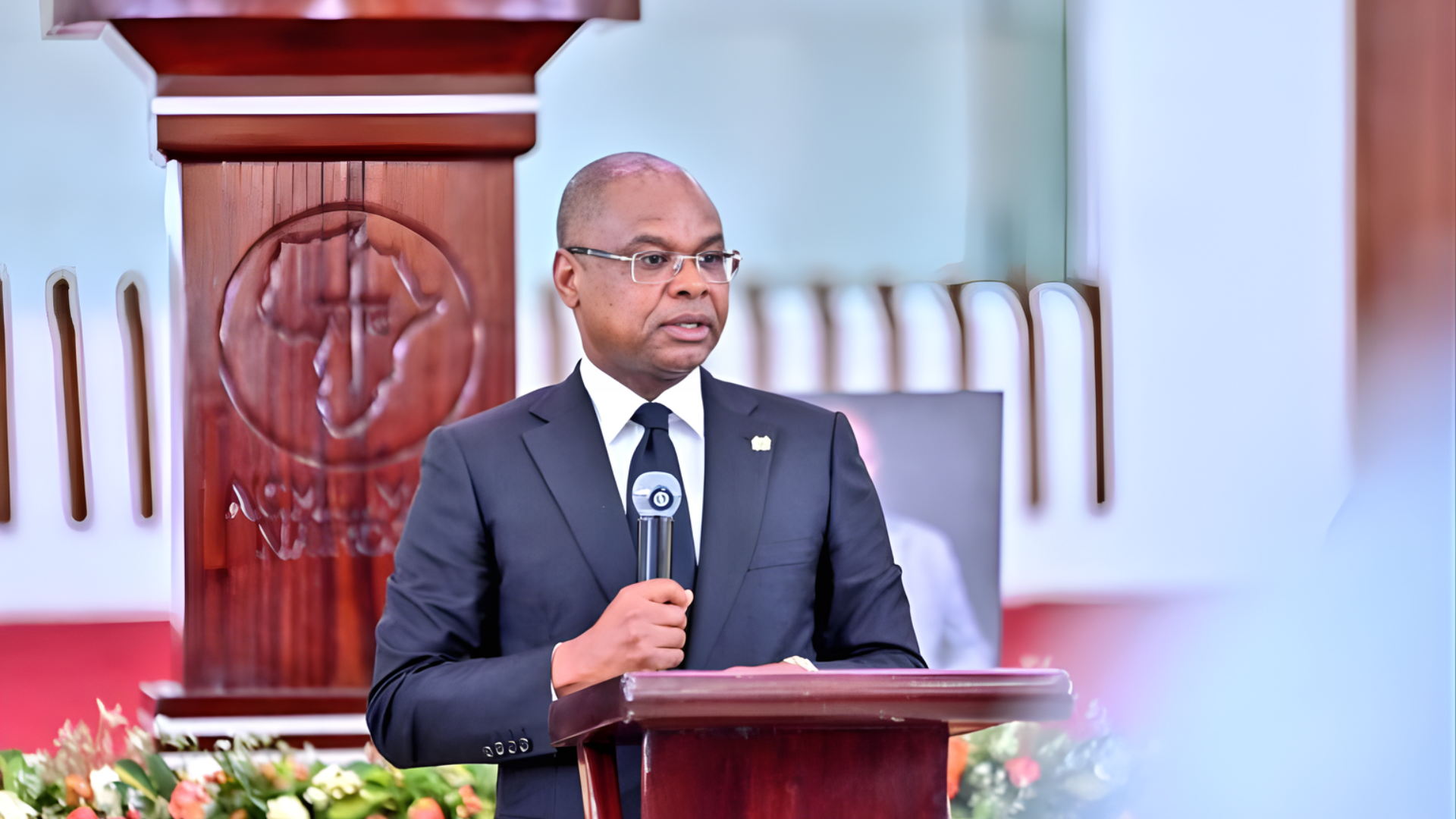
The vaulted chambers of the Senate in Nairobi’s Parliament Buildings, where the red carpet muffles footsteps and portraits of past speakers gaze down like silent sentinels, fell into a reverent hush on the afternoon of November 8, 2025, as Amason Kingi rose to address a special sitting convened to mourn the passing of Raila Amolo Odinga. The Senate Speaker, his black robe a somber contrast to the chamber’s gilded accents, spoke not just as a custodian of legislative decorum but as a coastal statesman whose political odyssey had intertwined with Raila’s for decades—from the multiparty struggles of the 1990s to the handshake that reshaped Kenya’s governance in 2018. With the weight of a nation still reeling from Odinga’s October 28 death at the age of 80, Kingi issued a pointed admonition to Orange Democratic Movement leaders tempted by factional whispers: honor Raila’s final political testament by remaining steadfast in the broad-based government he had architected. “The late Raila Odinga was not blind when he chose to take ODM into this broad-based initiative,” Kingi intoned, his voice resonant across the semicircle of senators, many dabbing eyes with handkerchiefs embroidered with the national crest. “His death should not lead to the disintegration of the party or the abandonment of the vision he held for a united Kenya. To defy his last wish is to betray the very Canaan he promised us.”
Kingi’s remarks, delivered amid a sea of black armbands and lowered flags fluttering at half-mast along Parliament Road, landed like a gavel in the fractious aftermath of Raila’s demise—a vacuum that has seen ODM’s once-monolithic structure quiver under the strain of succession battles and ideological tugs. The broad-based government, formalized in March 2024 after months of backchannel negotiations between President William Ruto and Raila, had allocated ODM five cabinet slots—including James Orengo at Lands, John Mbadi at Treasury, and Opiyo Wandayi at Energy—in exchange for the opposition’s legislative support on contentious reforms like the Finance Bill and constitutional amendments. Raila, in his final public address at the August 2025 Madaraka Day celebrations in Embu, had framed the arrangement as “the bridge to Canaan,” a biblical metaphor for the elusive prosperity and equity that had eluded Kenya since independence. “I have walked this desert with you for 50 years,” he had declared from the podium, his voice frail but fervent, flanked by Ruto and Kingi. “The broad-based path is not compromise; it is culmination. Stay the course, my comrades, for Canaan awaits not in opposition’s wilderness but in governance’s garden.”
Yet, Raila’s sudden passing—succumbing to cardiac arrest at his Karen home while reviewing AU Commission transition papers—unleashed a torrent of dissent within ODM’s ranks. Factions coalesced almost overnight: a purist wing led by Siaya Senator James Orengo and Kisumu Governor Anyang’ Nyong’o advocating a return to “opposition vigilance” to preserve Raila’s legacy as the people’s tribune; a pragmatic bloc under Deputy Party Leader Hassan Joho and National Chairperson Gladys Wanga defending the broad-based pact as Raila’s “dying directive”; and a youth insurgency, amplified on TikTok and X by figures like Babu Owino, demanding a complete overhaul to install a post-Raila generation untainted by handshake optics. Kingi, speaking from the Senate dais where he had presided over the 2024 impeachment trials that tested the coalition’s resilience, positioned himself as the guardian of Raila’s valediction. “To those whispering of exit, I say: pause and reflect,” he urged, his gaze sweeping the chamber where UDA senators like Kipchumba Murkomen nodded solemnly. “Raila saw what we could not—the fractures of perpetual opposition, the futility of perpetual protest. He chose unity not out of weakness but wisdom. Defy him now, and Canaan slips further into mirage.”
The Senate session, attended by 67 senators and broadcast live on KBC, unfolded against a backdrop of national mourning that had paralyzed Nairobi since October 29. Traffic snarled along Uhuru Highway as convoys ferried dignitaries to the Odinga family’s Bondo home, where Raila lay in state under a canopy of orange marigolds, his trademark fedora perched atop the casket like a sentinel of unfinished revolutions. Kingi’s warning resonated beyond the chamber, echoing in the lakeside counties of Nyanza where ODM’s heartbeat pulses strongest. In Kisumu’s Kondele roundabout, where murals of Raila as a fist-clenched freedom fighter adorn concrete walls, 32-year-old boda boda rider Kevin Omondi paused his idling motorcycle to listen to the Speaker’s address on a cracked phone screen. “Baba said stay in government to eat the cake, not throw stones from outside,” Omondi mused, wiping sweat from his brow as matatus blared Azimio anthems. “But Orengo wants us back in the streets—whose Canaan is it now?” His question, raw and unresolved, mirrored the dilemma gripping ODM’s 3.2 million members, many of whom had renewed their cards in September 2025 under Raila’s personal appeal for “one last push to the promised land.”
Kingi’s intervention carried the gravitas of a man whose own political survival had hinged on Raila’s magnanimity. Elected Senate Speaker in September 2022 on a Kenya Kwanza ticket after defecting from ODM’s coastal bastion, Kingi had weathered accusations of betrayal from Nyanza hardliners, only to find redemption in Raila’s 2024 endorsement during the broad-based talks. “Amason is our son, even in UDA robes,” Raila had quipped at a Mombasa rally, his embrace of Kingi a public absolution that silenced coastal critics. Now, from the Speaker’s chair, Kingi repaid the debt with a plea for continuity. “Raila’s vision was not for ODM alone but for Kenya,” he elaborated, gesturing toward the empty seat where Raila had often lounged during Senate debates on devolution. “The broad-based government is his final architecture—cabinet seats, policy wins, legislative harmony. To dismantle it is to demolish the house he built with his last breath.”
The fissures Kingi sought to cauterize had erupted publicly at Raila’s funeral planning committee meetings in Bondo, where Orengo’s faction pushed for a “liberationist” eulogy emphasizing opposition triumphs, while Joho’s camp insisted on celebrating the handshake as Raila’s crowning achievement. “We cannot bury Baba with one hand and tear his legacy with the other,” Joho had thundered at a November 3 caucus in Nairobi’s Orange House, the party’s headquarters still draped in black bunting. “The CS posts are not loot; they are leverage for Canaan’s gates.” Orengo, ever the constitutional purist, countered in a leaked memo: “Raila’s soul was in the struggle, not the state house annex. Broad-based was tactical, not terminal.” Wanga, balancing her Homa Bay governorship with ODM chairmanship, navigated the middle: “Let the NEC decide, but Kingi speaks truth—Raila’s wish was unity, not upheaval.”
Beyond Nyanza, Kingi’s words rippled through the coalition’s fragile ecosystem. In the Rift Valley, where UDA’s base had grumbled over ODM’s cabinet incursions, Deputy President Rigathi Gachagua—reinstated after his 2024 impeachment acquittal—welcomed the Speaker’s stance. “Raila’s passing is loss for all; let ODM stay, lest Canaan becomes chaos,” Gachagua posted on X, his olive branch a nod to the 2025 constitutional amendments that had expanded the executive to accommodate Azimio. In Western Kenya, Ford Kenya’s Moses Wetang’ula, now Prime Cabinet Secretary, echoed the sentiment at a Kakamega harambee: “Broad-based is Raila’s gift to devolution—honor it, or dishonor him.” Even in the Coast, where Kingi’s PAA party held sway, Governor Abdulswamad Nassir praised the Speaker’s “elder statesmanship.” “Amason reminds us: Raila united tribes in life; let not death divide parties,” Nassir declared at a Mombasa iftar, his words bridging Islamic and Christian mourners.
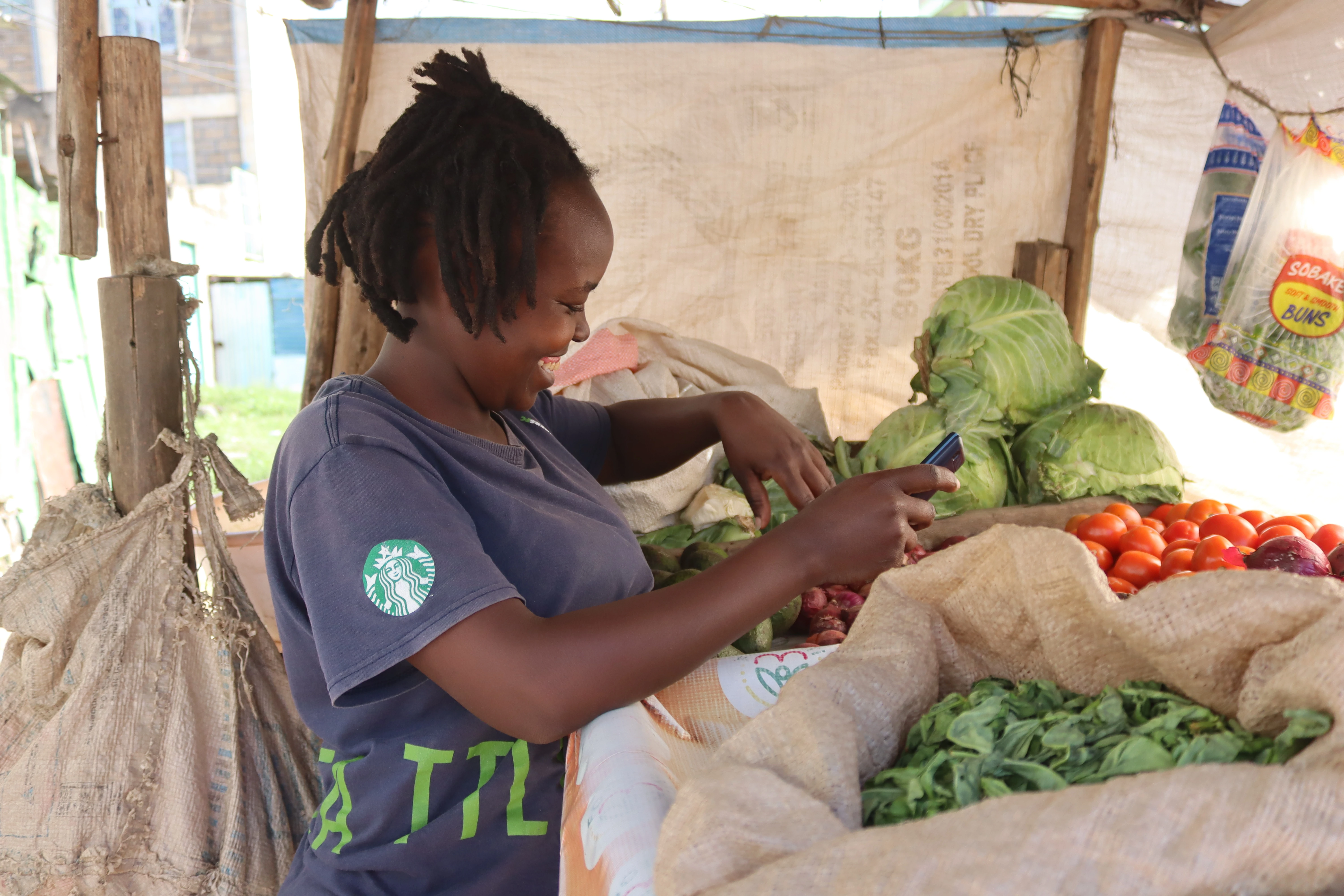
For ordinary Kenyans, the debate over Raila’s wish crystallized in quotidian struggles. In Kibera’s Laini Saba, where ODM’s orange banners flutter alongside laundry lines, 45-year-old mama mboga Jane Auma tallied her daily takings—Sh800, down from Sh1,200 pre-fuel levy hikes. “Baba said government would lower unga prices; now Orengo wants protests again?” she wondered, slicing sukuma wiki with a practiced flick. “Kingi is right—stay inside, push from within.” In Eldoret’s Huruma estate, UDA youth coordinator Sarah Chebet, 28, saw opportunity in continuity. “ODM in cabinet means Mbadi fixes Treasury; exit means chaos—Raila wanted jobs, not jangas,” she argued over tea at a roadside kiosk. The metaphor of Canaan, invoked by Raila since his 2005 referendum campaigns, had evolved: no longer a distant utopia but a tangible policy blueprint—Sh100 billion in county equalization funds, universal health coverage pilots in Kisumu, geothermal contracts in Naivasha—all fruits of the broad-based bargain.
Kingi’s admonition carried legal heft under the Political Parties Act, which mandates fidelity to founding principles. ODM’s 2012 constitution, drafted under Raila’s watch, enshrines “social democracy and inclusive governance” as core tenets—language the purists cite for opposition, the pragmatists for coalition. The party’s NEC, slated for November 15 at Orange House, looms as the crucible: 48 members, split between Raila appointees and elected officials, must vote on the broad-based future. Wanga, as chairperson, holds the gavel; Joho, the numbers; Orengo, the moral high ground. “Raila’s wish is our compass,” Wanga previewed in a Ramogi FM interview, her voice steady amid static. “Kingi speaks for the silent majority who want results, not rallies.”
The Senate’s mourning motion, passed unanimously after Kingi’s address, allocated Sh500 million for a Raila Odinga Memorial Library in Bondo and renamed the Nairobi-Mombasa Expressway the “Baba Expressway”—gestures of unity that masked the undercurrents. As senators filed out, Murkomen clasped Kingi’s hand: “You’ve saved the handshake, Mr. Speaker.” Outside, in the Parliament courtyard where jacaranda petals carpeted the ground like purple tears, journalists cornered Orengo. “Kingi misreads Baba—opposition was his oxygen,” the senator retorted, his briefcase swinging like a pendulum. Joho, arriving late from Mombasa, offered conciliation: “Let’s mourn first, maneuver later—Raila’s Canaan is big enough for all.”
In Bondo, where Raila’s burial on November 12 will draw 100,000 mourners under a canopy of Luo hymns and national anthems, Kingi’s words will echo in the eulogies. Ida Odinga, the matriarch whose grace has steadied the family through decades of detentions and defeats, reportedly endorsed the Speaker’s plea in a private call. “Jakom wanted peace in his sunset; grant it,” she was said to have whispered, her voice cracking over the line from Karen. For the youth—1.5 million ODM cardholders under 35—the choice is existential: inherit Raila’s opposition fire or his governance flame. Babu Owino, in a viral X space, polled 10,000 listeners: 58 percent favored staying broad-based, 42 percent exit. “Baba’s wish wins, but youth must lead,” he concluded, his concession a nod to Kingi’s elder authority.
As November’s sun dipped behind the Senate’s clock tower, casting long shadows across the city that Raila had contested five times for presidency, Kingi’s warning lingered like incense from a thousand candles lit at Uhuru Park vigils. Canaan, that elusive horizon, shimmered in the distance—not in opposition’s wilderness nor government’s garden alone, but in the fragile furrow between. “Raila’s last wish is Kenya’s next chapter,” Kingi had closed, his gavel falling not to adjourn but to affirm. In the republic’s restless requiem, where a titan’s tombstone awaits inscription, the Speaker’s voice endures as anchor: unity over upheaval, broad-based not broken, Canaan not mirage—a testament to a leader who saw tomorrow when others saw only today.
The NEC’s November 15 agenda, leaked to party insiders, includes a motion to “reaffirm broad-based commitment until 2027,” tabled by Joho and seconded by Wandayi. Orengo’s counter-motion for “strategic withdrawal post-2026” faces uphill odds. Wanga, in Homa Bay, convenes county coordinators: “Kingi’s warning is our warranty—stay, deliver, honor Baba.” In Bungoma, Wetang’ula hosts ODM defectors, tempting with county jobs. Gachagua, in Nyeri, dangles CDF hikes. The stakes: Sh200 billion in coalition projects—SHIF rollout, Lapsset corridor, affordable housing. Exit risks collapse; stay risks identity erosion. Auma in Kibera stocks extra sukuma: “If ODM fights inside, prices fall; if outside, we starve.” Chebet in Eldoret prints T-shirts: “Canaan 2027—Broad-Based or Bust.”
Raila’s will, read November 10 in Bondo, reportedly bequeaths Orange House to the party and urges “inclusion till fruition.” Kingi, invited to the burial, prepares a coastal dirge: “Baba’s bridge stands; cross it.” As jacarandas bloom purple tears, ODM teeters—Kingi’s plea the pivot between perdition and promise.