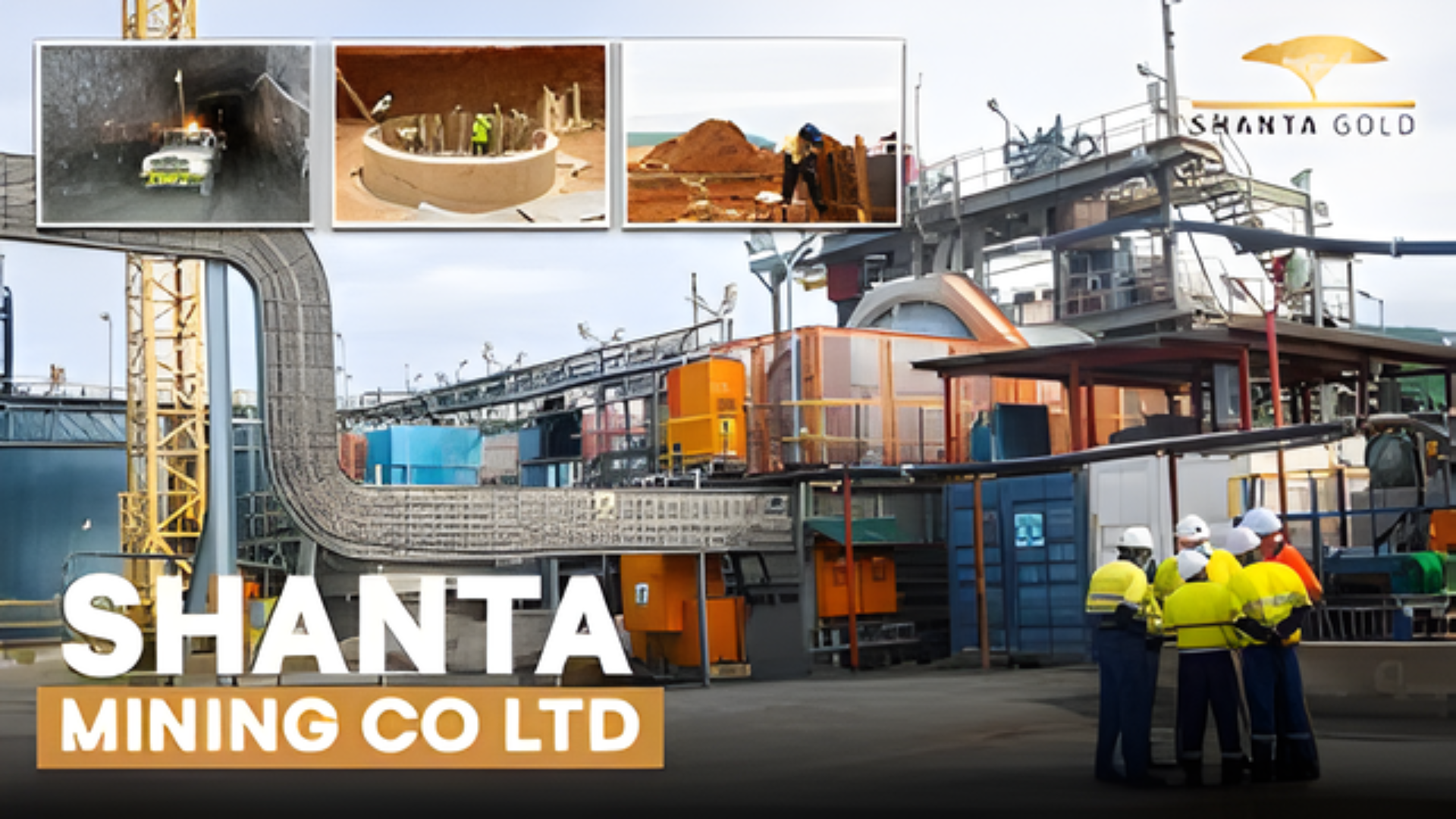
The sun-baked ridges of Kakamega County, where the red-earth paths wind through banana groves and maize fields like veins in the heart of Western Kenya's agricultural cradle, have long whispered tales of buried treasure beneath the toil of small-scale miners panning for flecks in murky streams. On November 12, 2025, those whispers crescendoed into a roar as British mining company Shanta Gold Limited unveiled exploratory findings that could redefine the region's destiny: an estimated 5.2 million ounces of gold reserves in the Lirhanda Corridor, valued at a staggering Sh683 billion at current market prices of Sh9,500 per gram. The deposit, sprawled across a 337-acre concession in Shinyalu and Ikolomani sub-counties, ranks among Kenya's most substantial yet, eclipsing the 1.3 million ounces at Kilimapesa in Narok and rivaling global benchmarks in Tanzania's Geita region. "This is not just a find; it's a frontier—a geological jackpot that positions Kakamega as East Africa's new gold heartland," declared Shanta Gold's chief geologist, Dr. Elena Hargrove, during a stakeholder briefing at the Kakamega Golf Hotel, her slides projecting core samples glinting with pyrite veins under the room's fluorescent glow. "Our drilling confirms high-grade intercepts over 1.2 kilometers—sustainable, scalable, and set to catalyze Kenya's mining renaissance."
Shanta's announcement, the culmination of a three-year Sh15 billion exploration campaign licensed under Mining Act Permit No. 456 of 2022, has thrust the county—home to 1.8 million souls whose livelihoods hinge on sugarcane plantations and artisanal gold pits yielding Sh2 billion annually—into a vortex of promise and peril. The proposed open-pit and underground mine, dubbed the Lirhanda Gold Project, would require 337 acres of mixed farmland and forest, directly impacting 800 households in villages like Shidodo and Mukhonje, where families till plots averaging two acres and draw water from the Isiukhu River that snakes through the concession. Resettlement plans, outlined in a 450-page Environmental and Social Impact Assessment submitted to the National Environment Management Authority on November 1, envision compensation at Sh500,000 per acre—totaling Sh168 million—plus livelihood restoration through vocational training in welding and agribusiness. "We come not to displace, but to develop—jobs for 2,500 locals during construction, 1,200 permanent roles at peak production, and a community trust fund seeded with 2 percent of annual revenues," Hargrove assured a gathering of 300 residents at Shidodo Primary School on November 11, her words met with a murmur of skepticism from elders clutching title deeds yellowed by decades of inheritance.
NEMA's review, a 60-day statutory process kicked off with public hearings in Kakamega Town on November 15, stands as the crucible for the project's fate. The authority, still smarting from 2023's Kwale titanium mine controversies where 1,000 families were relocated amid water contamination claims, has deployed a 12-member technical team to scrutinize Shanta's ESIA for compliance with the Environmental Management and Coordination Act. Key concerns swirl around the Isiukhu River's fate—projected to supply 5 million liters daily for ore processing, risking downstream siltation for 50,000 irrigators—and tailings dams that could leach cyanide into aquifers feeding Lake Victoria. "Gold glitters, but at what cost to our water, our soil, our children's lungs?" questioned Mary Achieng, a 48-year-old farmer from Mukhonje whose three-acre shamba lies within the buffer zone, her voice rising above the crowd's hum at the Shidodo baraza. "Shanta promises jobs, but we've seen mines come and go—leaving pits of poison and pockets of poverty." NEMA's lead assessor, Dr. Joseph Kiptoo, responded with measured reassurance: "Every impact will be mitigated—zero-discharge tailings, real-time water monitoring, and a Sh2 billion bond for reclamation. Public input shapes approval; no license without consensus."
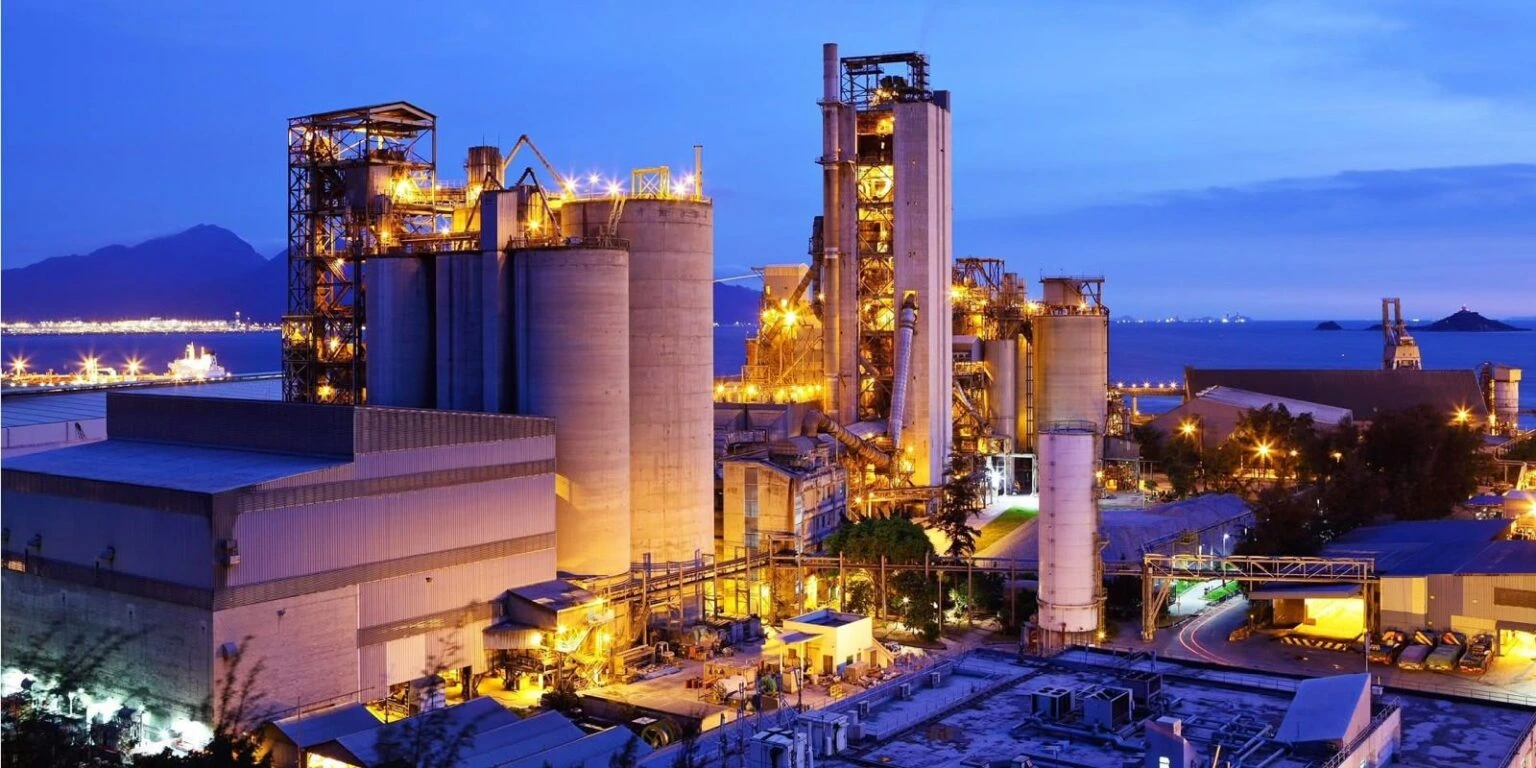
The deposit's scale, confirmed through 120 drill holes averaging 250 meters depth and assaying 4.2 grams per ton, catapults Kakamega into Kenya's mining vanguard, where gold production has lagged at 1,000 kilograms annually against Tanzania's 50,000. Shanta, a London AIM-listed firm with operations in Tanzania's Singida mine producing 80,000 ounces yearly, acquired the Lirhanda license in 2021 from local prospector Acacia Exploration, investing Sh15 billion in seismic surveys and community drills that unearthed the motherlode. Projected output: 150,000 ounces in year one, scaling to 300,000 by 2028, generating Sh50 billion in annual exports and Sh10 billion in royalties split 70-20-10 between national, county, and community coffers. "This isn't extraction; it's elevation—Kakamega's GDP could triple, schools built, hospitals equipped," enthused County Governor Fernandes Barasa at the briefing, his vision of a Sh20 billion mineral fund drawing nods from assembly members. Yet, the human ledger tempers the fiscal gleam: 800 households—4,000 souls—face relocation to a 500-acre model village with piped water, electricity, and title deeds, a package costing Sh5 billion that Shanta pledges to fund upfront.
Resettlement's specter looms large in a county where land is lineage, each acre a thread in the tapestry of clan legacies. In Shidodo's mud-walled homesteads, where chickens scratch amid coffee bushes, 62-year-old patriarch Paul Omondi clutched his 1978 title deed: "This soil buried my father, nourished my children—Sh500,000 per acre buys a plot in town, not peace in my heart." Shanta's community liaison, former MP Rachel Ameso, navigated the murmurs with empathy: "We honor ancestors—cultural sites mapped, graves relocated with rituals, compensation above market rates plus shares in the trust." The ESIA details a grievance mechanism with 24-hour hotlines and quarterly audits, modeled on Shanta's Tanzanian successes where 95 percent of resettled families reported improved livelihoods within two years.
Environmental safeguards, the ESIA's backbone, include a 100-meter riparian buffer along Isiukhu, solar-powered processing to cut carbon emissions 40 percent, and biodiversity offsets planting 500 acres of indigenous forest. Tailings, neutralized to pH 7 before storage in lined dams, will be backfilled into pits post-mining, with Sh1 billion earmarked for 20-year monitoring. "We've learned from Kwale's mistakes—transparency is our tailings liner," Hargrove quipped, her slide showing real-time sensors streaming data to NEMA's portal. Yet, activists from the Kakamega Environmental Network, 200 strong at the November 15 hearing, demanded more: independent audits, mercury bans for artisanal miners in the buffer, and a 5 percent equity stake for locals. "Gold for the British, crumbs for Kakamega—NEMA, be our shield," chanted youth leader Kevin Shikuku, his placard a stark reminder of 2022's Rosterman mine clashes that left three dead over water pollution.
Kakamega's gold lore, etched in colonial logs from the 1930s when British prospectors extracted 20,000 ounces before abandoning shallow veins, has fueled artisanal frenzy: 50,000 panners eking Sh5,000 monthly from pits riddled with collapses claiming 20 lives yearly. Shanta's find, in the Archaean greenstone belt mirroring Tanzania's Lake Victoria goldfields, promises formalization—absorbing 5,000 artisans into cooperatives with safety gear and fair prices. "No more digging death traps; join the mine, earn Sh50,000 monthly," Barasa urged at a Mukhonje rally, his words a bridge from peril to payroll. The county assembly, in a November 12 motion, endorsed the project contingent on 60 percent local hiring and a Sh5 billion hospital upgrade.
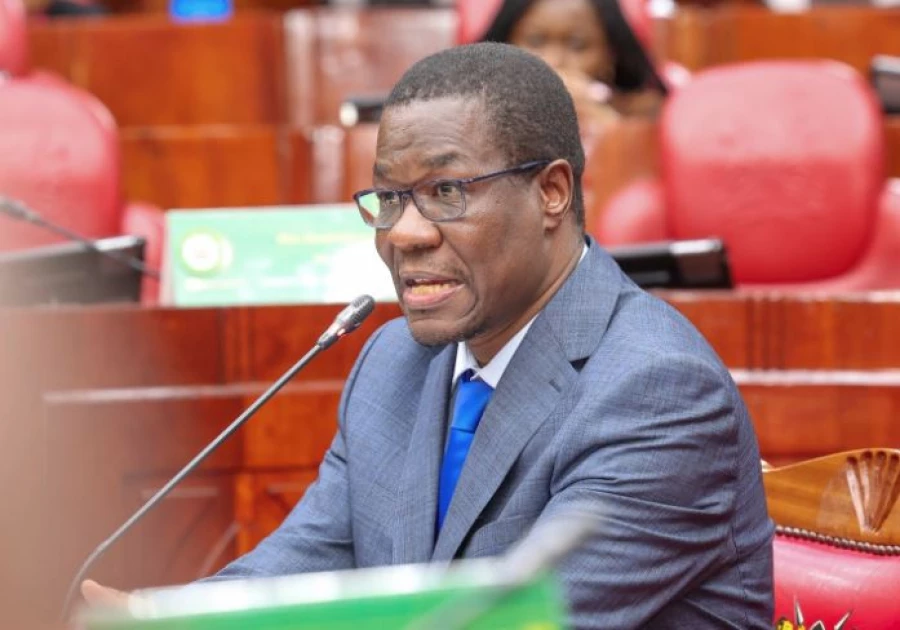
National stakes soar: Mining CS Salim Mvurya, at a November 13 Nairobi presser, hailed it as "Kenya's Klondike," projecting Sh100 billion in FDI and 10,000 indirect jobs in transport and supplies. Treasury eyes Sh20 billion annual taxes to fund the Big Four's housing pillar, while the Kenya Revenue Authority preps digital tracking to curb smuggling that siphons 30 percent of artisanal output. "Kakamega gold will gild our economy—sustainable, inclusive, irreversible," Mvurya proclaimed, his ministry fast-tracking the Mining Bill 2025 for community royalties.
For the 800 households, the crossroads is existential. In Mukhonje's evening glow, where women fetch water from springs soon to be fenced, 35-year-old teacher Lydia Khatondi weighed the scales: "School fees for my three, a clinic nearby—Shanta offers tomorrow, but takes today." Omondi, at his homestead's fireside, pondered legacy: "Gold beneath, family above—compensation must honor both." NEMA's December 31 verdict looms as arbiter: approve with conditions, reject with reasons, or defer for more studies. Hearings continue—Ikolomani November 20, Shinyalu November 25—with 5,000 submissions expected.
Shanta's timeline: construction 2026, first pour 2028, 15-year lifespan yielding Sh5 trillion cumulative. Post-closure: pits reclaimed as lakes, sites for eco-tourism. "From mine to monument—Kakamega's gold story endures," Hargrove envisioned, her optimism a counterpoint to Achieng's caution. As November's rains nourish the ridges, Kakamega teeters: treasure or turmoil, deposit or displacement—a golden gamble where NEMA's nod could forge fortunes or fracture futures.
The ESIA's 450 pages detail 200 mitigation measures: dust suppression mists, noise barriers, health clinics for silicosis screening. Artisanal cooperatives, 10 formed with Sh500 million seed, buy gold at Sh8,000 per gram. Barasa's fund: Sh10 billion over decade for bursaries, roads. Mvurya's bill: 10 percent community equity in new mines. For Khatondi, the model village beckons: "Modern house, title in my name—progress, if fair." Omondi relents: "Consult us, compensate justly—then, let the gold flow." In Western's unyielding earth, where veins gleam beneath verdant veil, Shanta's strike stands as saga: Sh683 billion beneath, 800 homes above—a Kakamega crossroads where mining meets mankind, and NEMA navigates the nexus.