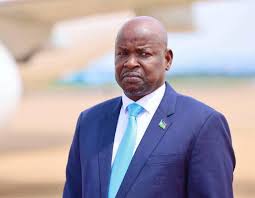
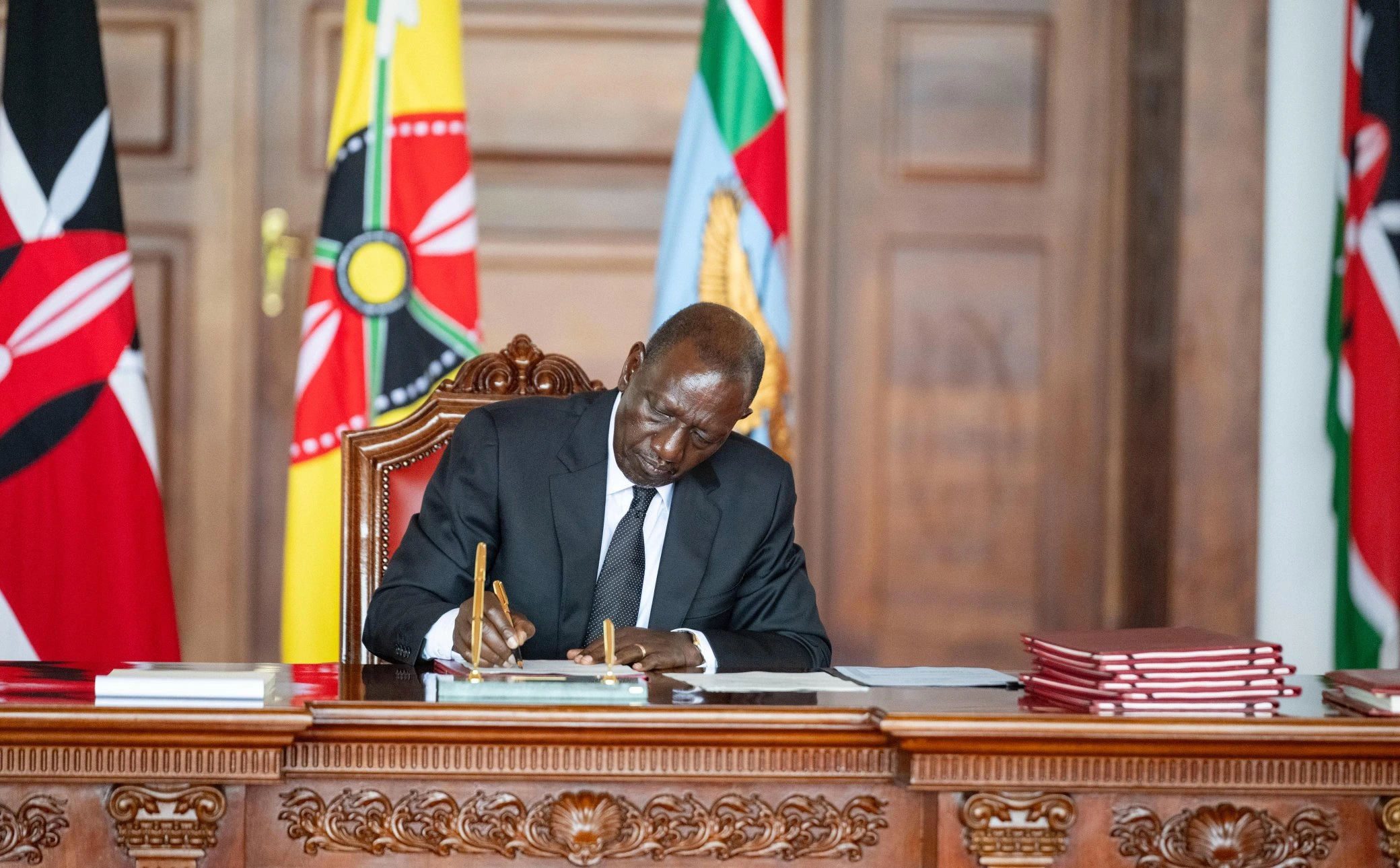
The humid air of Juba, where the White Nile's languid flow mirrors the slow-burning tensions that have defined South Sudan's fragile peace for over a decade, thickened with uncertainty on the evening of November 12, 2025, as state television flickered to life with a presidential decree that sent shockwaves through the corridors of power. President Salva Kiir Mayardit, the towering Dinka patriarch whose cattle-herder roots and bush war scars have shaped the world's youngest nation since its 2011 independence, appeared on screen in a simple khaki shirt, his face etched with the weariness of a leader navigating the treacherous shoals of succession and survival. In a series of four decrees read by the somber anchor of the South Sudan Broadcasting Corporation, Kiir dismantled the edifice of one of his most trusted lieutenants: Vice President Benjamin Bol Mel was relieved of his duties as head of the economic cluster, ousted as first deputy chairperson of the ruling Sudan People's Liberation Movement, dismissed from the National Security Service, and— in a humiliating coda—demoted from the rank of full general to private. No reasons were proffered in the decrees, a silence that roared louder than words amid the capital's rumor mills, where whispers of presidential ambitions and illicit oil deals had long swirled around the 52-year-old tycoon. "Pursuant to the provisions of Section 51(4) of the National Security Service Act, 2014, as amended, I, Salva Kiir Mayardit, President of the Republic of South Sudan and Supreme Commander of All Regular Forces, do hereby demote Gen. Dr. Benjamin Bol Mel to the rank of Private and dismiss him from the National Security Service," Kiir intoned in the broadcast decree, his voice a gravelly echo from the presidential palace, leaving Bol Mel—a man who had risen from financial advisor to heir apparent in nine short months—stripped bare of titles, troops, and trust. benjamin bol.jpg5.18 KB
Bol Mel's downfall, unfolding like a slow-motion implosion in the sweltering heat of Juba's diplomatic quarter, capped a meteoric ascent that had captivated and confounded South Sudan's fractious elite since February 2025. Appointed vice president in the economic cluster—a portfolio overseeing the nation's beleaguered oil revenues, infrastructure bids, and post-war reconstruction—Bol Mel replaced the veteran James Wani Igga, a move widely interpreted as Kiir's anointing of a successor amid whispers of the 74-year-old leader's waning health. By May, he had ascended to first deputy chairperson of the SPLM, the party born from the 1983 liberation struggle that Kiir had co-founded with John Garang, and in September, a presidential promotion elevated him to full general in the NSS, South Sudan's shadowy intelligence arm. "Bol Mel is the bridge to tomorrow—a technocrat with the fire of youth, the wisdom of war," Kiir had proclaimed at a September 15 parade in Juba's Bilpam barracks, where 5,000 troops saluted the new general amid brass bands and flyovers by Mi-24 helicopters. Bol Mel, a wiry figure with a neatly trimmed beard and the sharp suits of a boardroom warrior, had embraced the mantle with vigor: regional tours to Addis Ababa and Nairobi pitching oil pipeline deals worth $2.5 billion, outspoken economic reforms targeting the black market's grip on 70 percent of the dollar trade, and a growing cadre of admirers within the SPLM's youth wing who saw in him a fresh face unscarred by the 2013-2018 civil war that claimed 400,000 lives.
Yet, beneath the pomp, fissures had formed like cracks in the parched earth of Jonglei State. Bol Mel, a prominent businessman whose ABMC Limited construction empire had netted tens of millions from government contracts before his 2017 US sanctions for "irregular awards," had cultivated a support base that alarmed the old guard. His May 2025 push for a $2.5 billion advance from oil majors like TotalEnergies and China National Petroleum—leaked letters dated June 10 requesting funds "to stabilize the forex market"—sparked accusations of overreach, with critics dubbing it "Bol's heist." Insiders whispered of NSS purges targeting Bol's allies, including the central bank governor Addis Ababa Othow and revenue commissioner Simon Akuei Deng, both sacked in the same decree wave. "Benjamin was Kiir's shadow once; now, he's a specter—ambition outpaced allegiance," confided a senior SPLM official over a hushed chai in Juba's Gudele market on November 13, his eyes darting to the uniformed shadows at the tea stall's edge. The demotion to private—a rank symbolizing the foot soldier's anonymity, stripping Bol of uniform, pension, and command—carried the sting of deliberate humiliation, evoking Kiir's 2018 purge of Riek Machar loyalists during the fragile peace accord.
The decrees, broadcast on SSBC at 8:45 p.m. amid a blackout that plunged half of Juba into darkness, came hours after security theater had gripped the capital. At 7 a.m., NSS operatives and military intelligence units had cordoned Bol's Gudele residence—a modest two-story villa guarded by Ugandan troops under bilateral pacts—disarming his 20-man detail and ordering the foreign sentries to withdraw. Eyewitnesses reported armored vehicles rumbling through the neighborhood, their turrets swiveling like accusatory fingers, while Bol's press secretary Oyiti Yoanes Akol Ajawin issued a defiant midday statement: "The Vice President continues to implement H.E. President Salva Kiir Mayardit's vision for a prosperous and self-reliant South Sudan." By evening, as the decrees flashed on screen, Ajawin fell silent, his office phones ringing unanswered. Bol Mel, holed up in the villa with family and a skeleton staff, has not been seen publicly since; sources close to the palace suggest house arrest, with his movements restricted to a 500-meter radius under NSS watch. "He's a ghost now—general yesterday, private today, prisoner tomorrow," murmured a former aide over encrypted calls, the fear palpable in Juba's humid night where power outages mask the comings and goings of unmarked Land Cruisers.
Kiir's purge, extending to Othow and Akuei Deng—both perceived Bol allies—signals a broader housecleaning in the economic cluster, where oil revenues funding 90 percent of the Sh10 trillion budget have dwindled to Sh4 trillion amid production halts at 150,000 barrels daily. The new appointees—Yeni Samuel Costa at the central bank, William Anyuon Kuol at revenue—hail from Kiir's Dinka heartland, their selections a nod to balancing ethnic equations in a nation where Dinka dominance fuels Equatorian and Nuer resentments. "Bol was the technocrat wildcard; now, loyalty trumps ledger," analyzed Dr. Alan Boswell, a Juba-based analyst with the Rift Valley Institute, during a November 13 webinar. "This isn't just dismissal; it's deterrence—a message to ambitious deputies that the throne's shadow is solitary." The SPLM, Kiir's vehicle since Garang's 2005 death in a helicopter crash, faces its sternest test since the 2018 Revitalized Agreement that ended the civil war, with Bol's ouster potentially fracturing the economic reform committee he chaired, stalling $1 billion in World Bank loans tied to anti-corruption benchmarks.
Bol Mel's trajectory, a rags-to-riches arc in a country where 80 percent live below $2 daily, had captivated Juba's salons. Born in 1973 to a Warrap trader family, he bootstrapped ABMC from a Juba hardware stall to a $200 million empire building roads and barracks, his 2017 sanctions a badge of survival amid Kiir's patronage. As financial advisor in 2018, he stabilized the pound during hyperinflation's 1,000 percent spike; as private secretary in 2020, he brokered the $500 million UAE oil prepayment that averted collapse. "Bol was the fixer—deals with Addis, Beijing, Dubai—while Kiir played statesman," recalled a former petroleum minister over Nile perch at the Acropolium restaurant, the venue's dim lights hiding his unease. His February 2025 elevation, replacing Igga in a reshuffle that sidelined Machar on treason charges in January, fueled succession buzz: Bol's regional jaunts—Nairobi in April for EAC summits, Addis in June for IGAD talks—projected a polished heir, his English-inflected speeches contrasting Kiir's Dinka cadences. Yet, hubris hints emerged: a July 2025 cabinet memo pushing for "presidential transition protocols" that irked the old guard, and leaked August emails soliciting $2.5 billion from TotalEnergies "off-books" for "personal stabilization funds."
The demotion's sting lies in its symbolism: from general's epaulets to private's fatigues, Bol Mel—once commanding NSS battalions—now ranks below recruits, his pension slashed 90 percent and command privileges revoked. "It's Kiir's scalpel—cut deep to cauterize ambition," the ex-minister opined, his fork pausing mid-bite. Palace sources, whispering over WhatsApp from Juba's Gudele villas, paint a picture of paranoia: Bol's growing security detail, 50 Ugandan mercenaries by October, seen as a shadow army; his September promotion to general, a poisoned chalice accelerating suspicions. "He flew too close to the throne—Kiir promotes to probe, demotes to destroy," one insider confided, the November 12 decrees a preemptive strike amid whispers of a 2026 coup plot. Bol's NSS ouster strips him of intelligence networks, his SPLM demotion severs party patronage, leaving him a political pariah in a system where exile is execution by ennui.
Reactions cascaded like the Nile's seasonal floods. SPLM Secretary General Paul Logale Jumi, sacked alongside Bol and replaced by Akol Paul Kordit, issued a palace-approved statement: "The Party stands united behind H.E. President Kiir's vision for peace and prosperity." Riek Machar, the Nuer firebrand sidelined since 2018, broke radio silence from his Juba compound: "Bol's fall is Kiir's fear—democracy demands dialogue, not decrees." International eyes turned: UNMISS chief Nicholas Haysom urged "restraint" in a November 13 tweet, while IGAD's Workneh Gebeyehu convened an emergency November 14 call, his mediators fretting over the Revitalized Agreement's fragility. "Bol was the reformist wildcard; his purge ports peril," Haysom warned in a Juba briefing, citing the $1.2 billion humanitarian appeal amid 7.7 million facing famine. US Ambassador Michael Hammer, sanctioned Bol in 2017, quipped diplomatically: "Transitions test tenacity—South Sudan needs stability, not shakes."
For Juba's streets, where donkey carts jostle with Toyotas amid potholes pocked by war's remnants, the purge stirs unease. In Gudele markets, traders like 40-year-old Amina Bol (no relation) tallied the toll: "Bol promised oil jobs; now, his fall floods fears—will Kiir's hand strike next?" Youth, 70 percent under 30, rally online: #JusticeForBol trends with 50,000 posts, memes of generals to privates mingling with calls for elections overdue since 2015. Equatorian elders in Yei, near Uganda's border, see ethnic echoes: "Dinka demotes Dinka—Nuer watches, waits." Kiir's November 13 address from Bilpam: "Unity is our uniform; division, our defeat." Bol Mel, under house arrest with family, issues no word—his silence a storm's eye in Juba's tempest.
The purge's prelude: October's leaked letters requesting $2.5 billion oil advances, signed by Petroleum Minister Puot Kang, implicated Bol in "slush fund" schemes. NSS probes, launched October 20, uncovered Sh500 million in unaccounted contracts to ABMC, Bol's firm. "He was fixer, then financier—Kiir smelled the sleight," the insider noted. Othow's sacking, central bank governor since 2023, halts forex manipulations that had inflated the pound 20 percent since February. Akuei Deng's removal severs revenue leaks worth $200 million yearly.
South Sudan's 2018 peace, holding by threads, frays further: Machar's Nuer faction, 40 percent of SPLA, murmurs mutiny; Equatorians eye secession. IGAD's Gebeyehu: "Bol's bolt tests the truce." Haysom's UNMISS, 13,000 strong, braces for border flares. Hammer's US: "Sanctions stand; stability first." For Amina in Gudele, the demotion is daily dread: "General to private—tomorrow, trader to target?" Kiir's Bilpam speech: "Bol erred; the Party endures."
In Juba's Nile-lapped nights, where fireflies dance like fleeting hopes, Kiir's decree endures as dirge: ambition's autumn, power's purge—a South Sudan where generals fall to privates, and the nation's future hangs on the thread of tomorrow's trust.