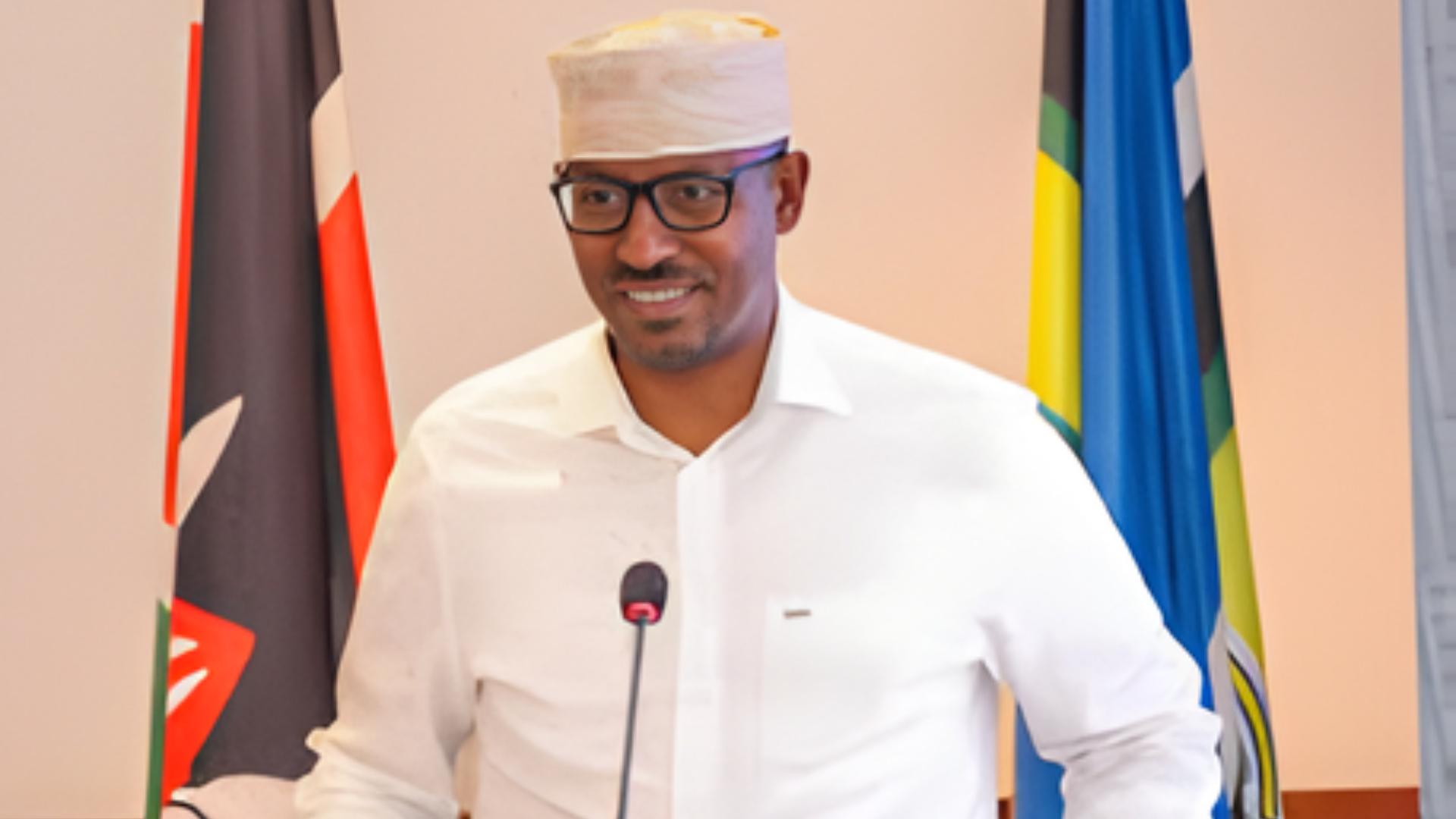
The Comptroller of State House, Katoo ole Metito, has disclosed that an average of KSh123 million is spent on food, tents and decorations for each national public holiday celebration, a revelation that has ignited widespread public outrage and intensified scrutiny of government spending priorities.
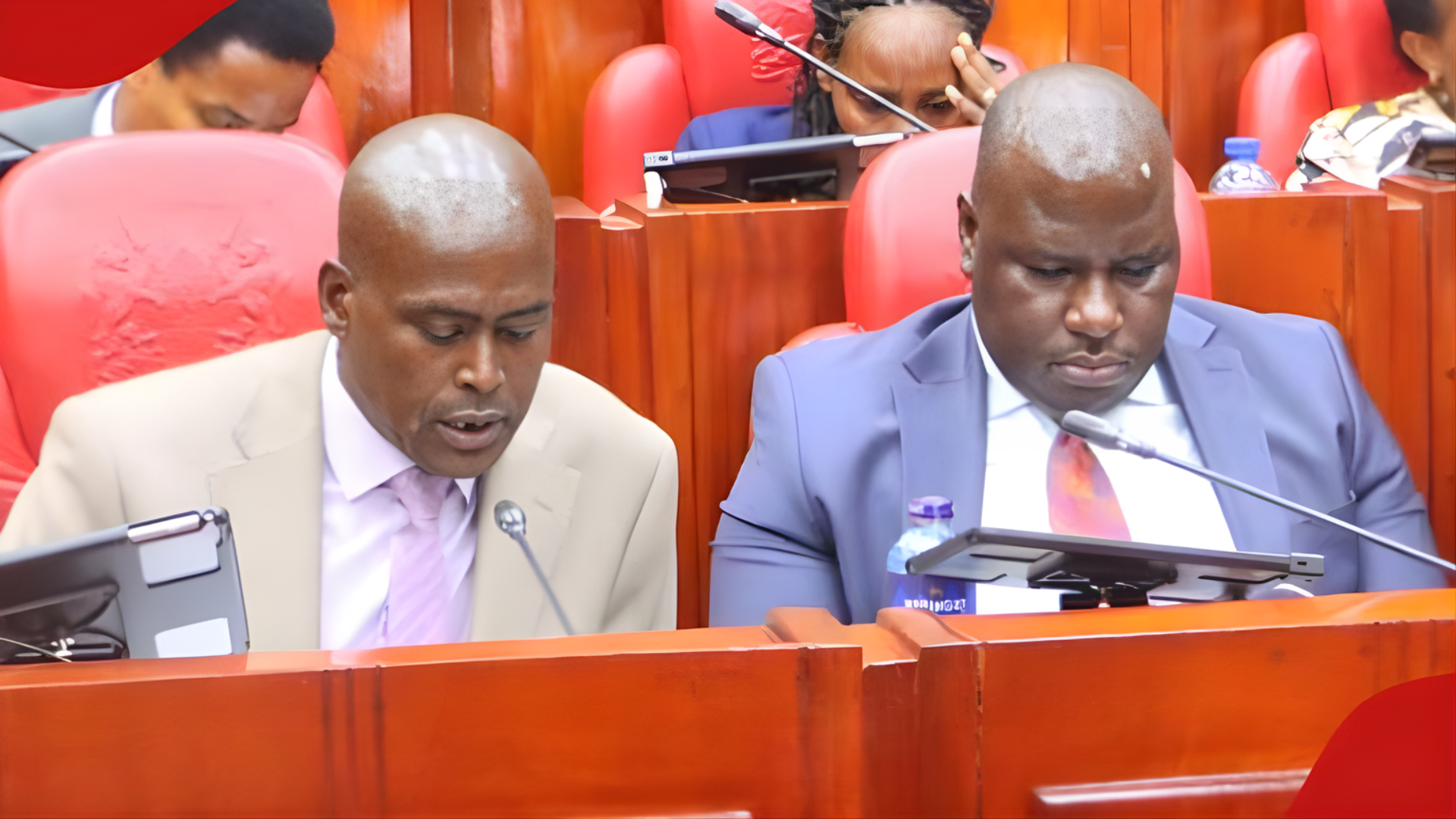
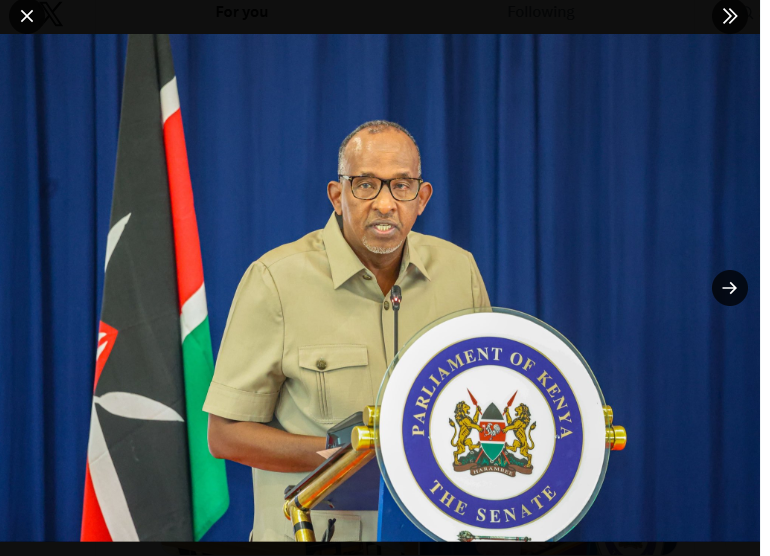
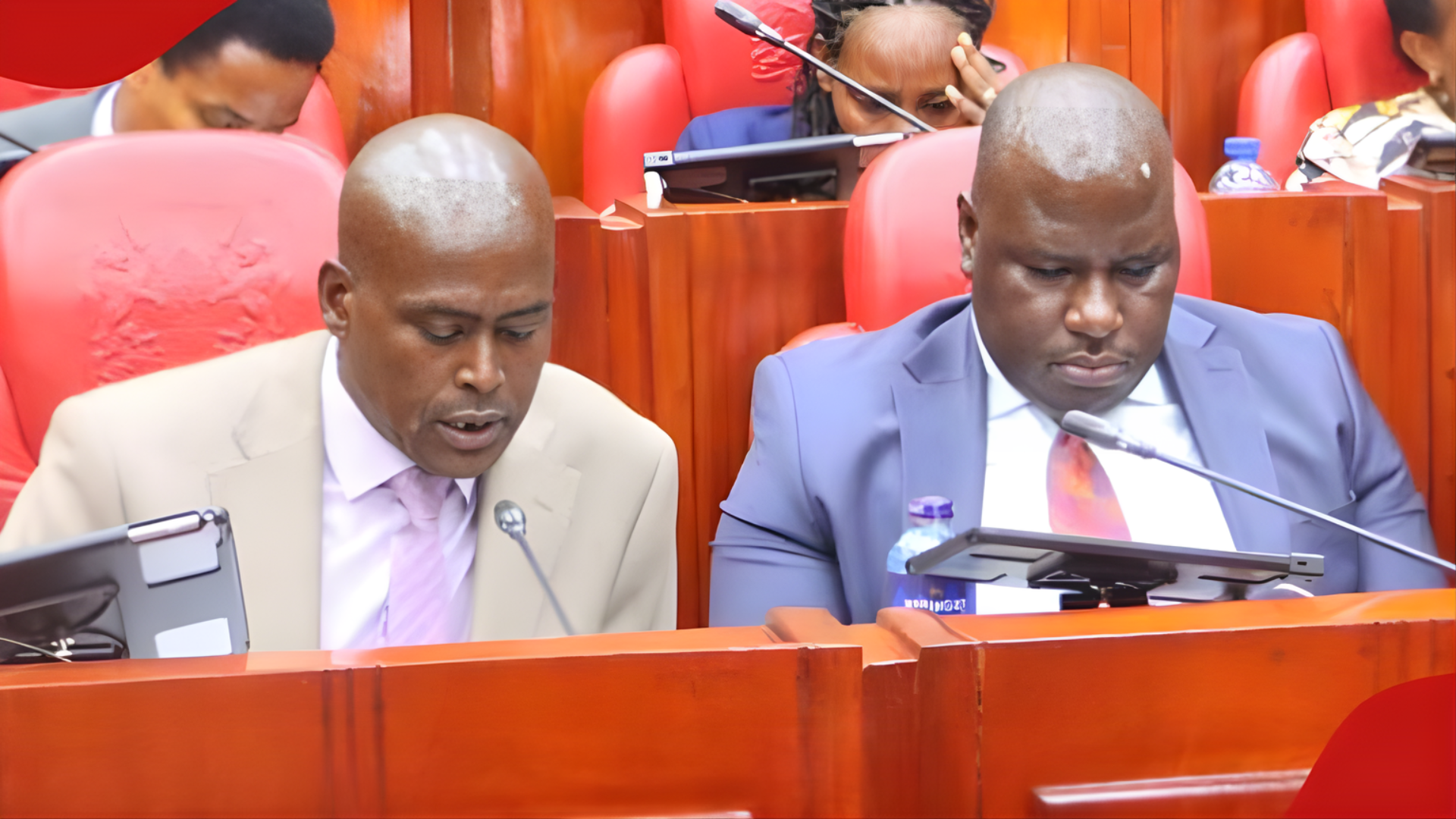
The figure, covering major events such as Jamhuri Day, Madaraka Day, Mashujaa Day and Labour Day, was revealed during a budget hearing before the National Assembly’s Departmental Committee on Administration and Internal Affairs on February 24, 2026. Metito presented the breakdown while defending the State House’s supplementary budget request for the 2026/27 financial year.
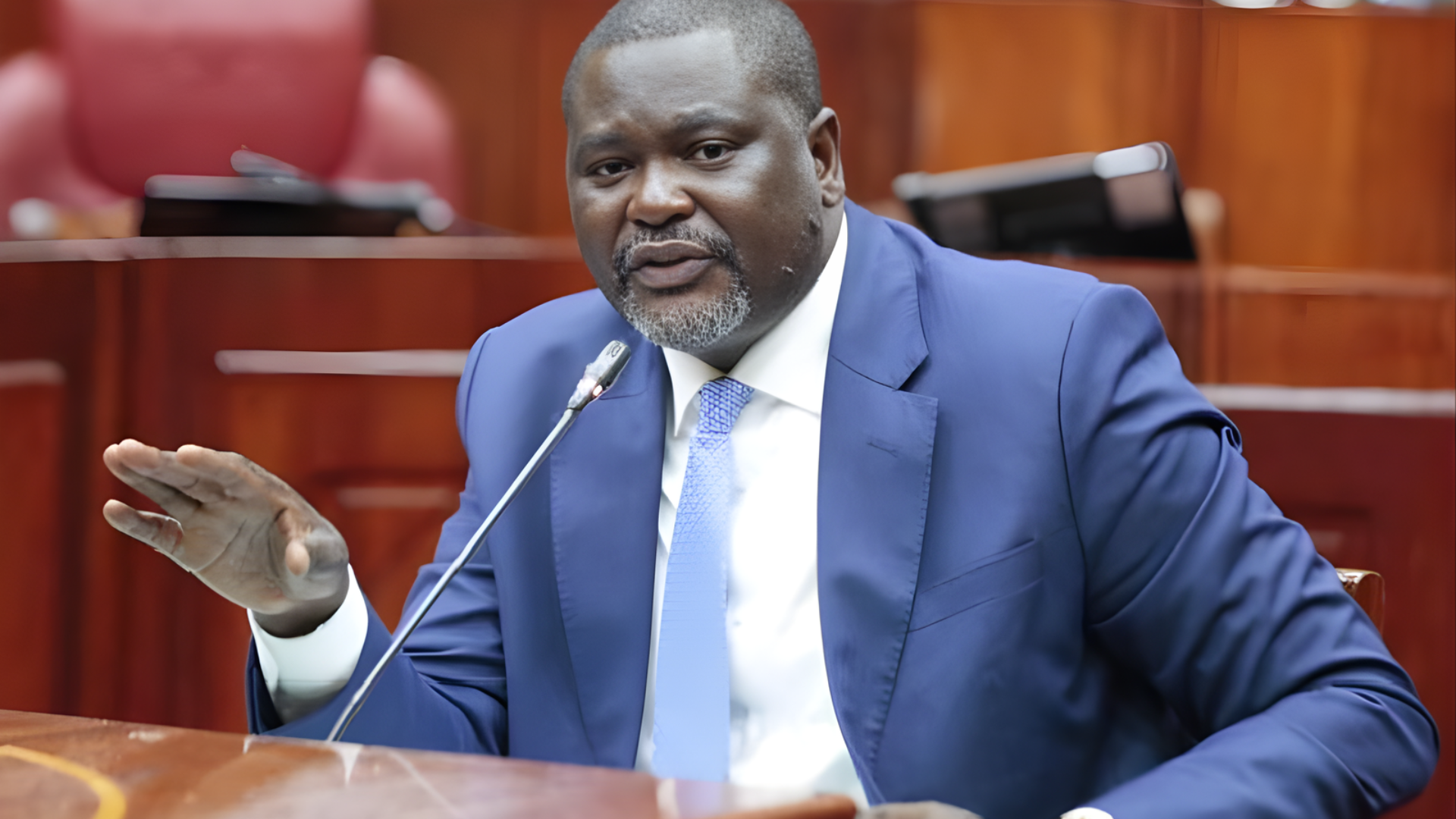
According to the comptroller, the KSh123 million average per event includes catering for dignitaries, security personnel and invited guests, hiring and erection of large tents, stage setup, sound systems, lighting, floral arrangements, branded backdrops and other ceremonial décor. “These are national events that require a certain level of dignity and organisation,” Metito told the committee. “We must host heads of state, diplomats, religious leaders, veterans and thousands of citizens in a manner befitting the occasion. The costs reflect the scale and security requirements of each function.”
The disclosure came as State House seeks an additional KSh20 billion in the 2026/27 budget estimates after overspending its current allocation. The supplementary request covers routine operations, maintenance, staff welfare, security enhancements and preparations for major national events, including anticipated celebrations marking the 63rd anniversary of independence.
Committee members expressed disbelief and demanded detailed justification. “KSh123 million per holiday is enormous when many Kenyans cannot afford basic meals,” said one MP during the session. “We have schools without desks, hospitals without medicine and roads turning into rivers during rain—yet we spend this kind of money on tents and food for a few hours. Where are the priorities?”
Metito defended the expenditure as necessary for national unity and protocol. “These events bring Kenyans together, honour our history and showcase our culture to the world,” he said. “Reducing the standards would diminish the significance of the occasions and send the wrong message about our national pride.”
Public reaction online has been swift and overwhelmingly critical. Social media users have shared comparisons between the holiday spending and urgent needs in health, education and infrastructure. Many have called for a reallocation of funds or a drastic reduction in ceremonial budgets. “KSh123 million on food and tents for one day while cancer patients beg for medicine? This is unacceptable,” one widely circulated post read.
Civil society organisations have joined the criticism. Transparency International Kenya Executive Director Sheila Masiga said: “Public funds must be used where they deliver the greatest benefit to citizens. Spending hundreds of millions on temporary décor while basic services remain underfunded is difficult to justify in any economic context, let alone during fiscal strain.”
The revelation comes amid broader concerns about government expenditure patterns. The National Treasury has been grappling with revenue shortfalls, high debt-servicing costs and pressure to fund flagship projects. State House’s request for KSh20 billion extra funding has already faced resistance from parliamentary committees, with some MPs arguing that non-essential spending should be the first area of cuts.
Defenders of the current practice argue that national holidays serve important symbolic and unifying purposes. “These are not ordinary parties; they are state occasions that reinforce national identity and cohesion,” said a State House official familiar with the planning. “Reducing the budget would affect not just aesthetics but also security, protocol and the ability to host international guests appropriately.”
The committee has demanded a full breakdown of the KSh123 million average figure, including unit costs for catering, tent hire, décor items and any mark-ups or commissions involved. It has also asked for comparative data from previous administrations and other countries with similar national events.
As the 2026/27 budget process continues, the holiday spending disclosure is likely to remain a focal point in public and parliamentary debate. MPs have indicated they will push for austerity measures in non-development expenditure, with State House’s ceremonial budget expected to face particular scrutiny.
The controversy highlights the ongoing tension between symbolic national events and the urgent demands of basic service delivery in a resource-constrained economy. Whether the government will scale back or defend the current spending levels will become clearer as the budget estimates move through Parliament in the coming weeks.