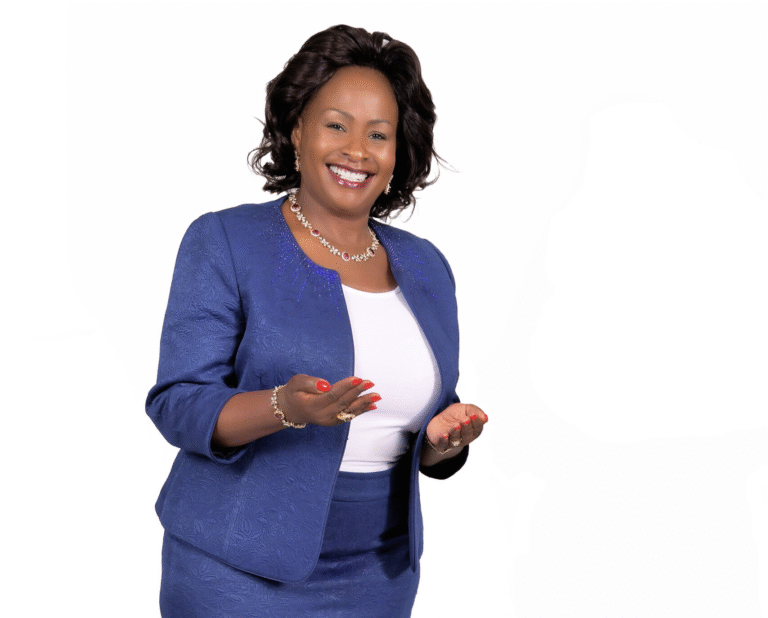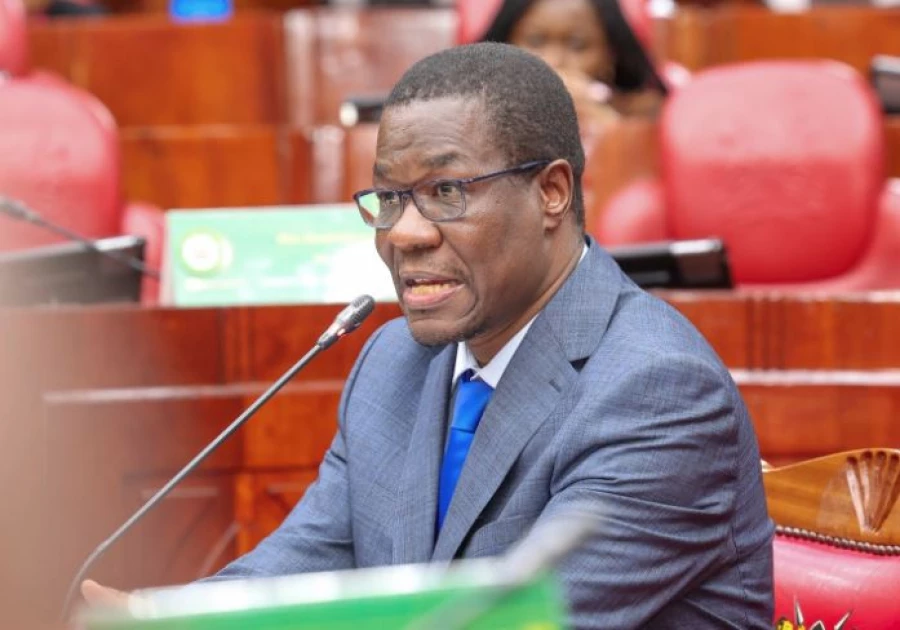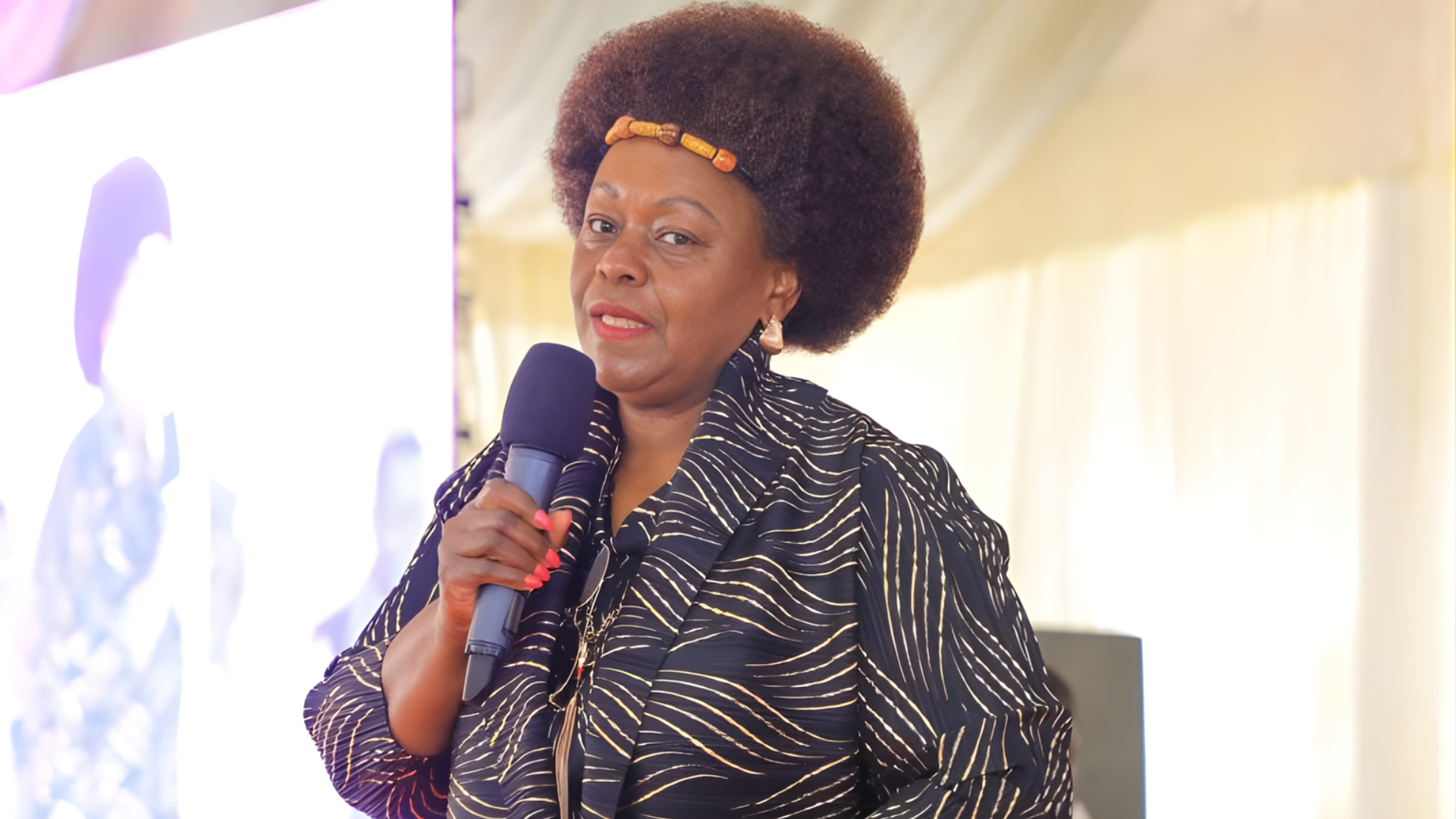
The sun-drenched amphitheater of Suba North's bustling community hall in Homa Bay County, where the lake breeze carries the faint scent of tilapia from nearby markets and the walls echo with the chants of empowerment anthems, became the unlikely rostrum for a fiery defense of political sovereignty on the evening of November 17, 2025. Suba North MP Millie Grace Akinyi Odhiambo, the diminutive dynamo whose oratory has thundered through Kenyan politics for two decades, gripped the microphone with the unyielding tenacity of a woman who has stared down dictators and drafted constitutions alike. Addressing a crowd of 1,500 supporters—fisherfolk in faded kitenges, youth with TikTok phones aloft, and elders clutching walking sticks carved from lake driftwood—Odhiambo issued a resounding rebuke to the Kenya Kwanza administration's overtures for a broad-based government, vowing that the Orange Democratic Movement would not be diminished to a mere appendage in exchange for scraps of power. "ODM is a big political party with a footprint that spans from the shores of Lake Victoria to the sands of the Coast—we will not be reduced to bargaining for village-level positions or scrambling for a handful of Cabinet slots under the guise of inclusivity," Odhiambo proclaimed, her voice rising like a tidal wave crashing against the hall's corrugated roof, met with a roar of approval that shook the rafters. "Any arrangement must honor our identity, our ideology, our struggle—coerce us into deals that undermine our strength, and you will find us standing firm, not folding."
Odhiambo's declaration, a masterclass in unapologetic assertion delivered with the rhythmic cadence of Luo proverbs and the precision of a parliamentary debater, cut through the humid air like a machete through underbrush, exposing the raw undercurrents of a national conversation on power-sharing that has simmered since the June 2024 Gen Z protests forced President William Ruto to dissolve his cabinet and reconstitute it with opposition figures. The MP, a 52-year-old lawyer whose journey from human rights activist in the 1990s to ODM's parliamentary whip has made her a thorn in successive administrations' sides, framed the warning as a non-negotiable red line for her party. "We are not beggars at the table of power; we are builders of the nation—our ideology of social justice, our identity forged in the fires of the Second Liberation, our struggle that birthed devolution and constitutional reform cannot be traded for trinkets," she continued, her eyes scanning the crowd as if addressing each face individually, her words punctuated by the rhythmic clapping of hands that swelled into a thunderous ovation. "If Kenya Kwanza thinks inclusivity means inviting ODM to the feast only to serve us crumbs while the feast's fruits go to a select few, let them know: we dine on dignity, not desperation."
The timing of Odhiambo's salvo could not have been more poignant, arriving mere days after a November 13 State House meeting where Ruto and ODM Chairman John Mbadi reportedly floated the contours of a broad-based arrangement, dangling cabinet slots in energy, trade, and youth affairs in exchange for legislative support on the 2025 Finance Bill. ODM, the party that had commanded 6.9 million votes in 2022 and held sway over Nyanza's lakeside strongholds and Nairobi's urban pulse, found itself at a crossroads: the pragmatists led by Mbadi and Hassan Joho, the former Mombasa Governor now eyeing a national portfolio, saw the olive branch as an opportunity to embed party voices in governance; the purists, embodied by Odhiambo and Siaya Senator James Orengo, viewed it as a velvet trap designed to neuter the opposition's bark without bolstering its bite. "Millie speaks for the soul of ODM—the party of the marginalized, not the ministers' club," Orengo affirmed in a solidarity call from his Siaya ranch on November 18, his voice gravelly with the conviction of a man who had drafted the 2010 Constitution alongside Raila Odinga. "Broad-based without backbone is broad betrayal—we join to transform, not to be tokenized."
Odhiambo's rhetoric, laced with the fire of a woman who had survived the 2007 post-election violence's horrors—sheltering 200 displaced families in her Suba home while drafting emergency bills in a makeshift office—resonated deeply in a constituency where the scars of electoral trauma still fester. Suba North, a lakeside enclave of 150,000 souls where fishing cooperatives haul tilapia from Victoria's depths and youth navigate the twin perils of unemployment and radicalization, had delivered 92 percent for Raila in 2022, a mandate Odhiambo had stewarded through parliamentary skirmishes over the Finance Bill's tax hikes and the impeachment of Deputy President Rigathi Gachagua in October 2024. "My people know the cost of silence—1,300 dead in 2007, billions lost to graft—we won't trade our voice for vanity positions," Odhiambo told the hall, her fist raised in the ODM salute that drew a sea of orange scarves waving like a harvest of defiant flames. "Inclusivity means half the table, half the agenda—not side seats at the feast. If Kenya Kwanza offers partnership, let it be equal; if patronage, we pass."
The MP's stance amplified a chorus of dissent within ODM's ranks, where the November 10 National Executive Council meeting in Naivasha had ended in a 48-48 deadlock on the broad-based proposal, with Raila Odinga—now ensconced in Addis Ababa as African Union Commission chairperson—breaking the impasse via video link with a call for "strategic patience." "Baba said engage, but not at any cost—Millie's right; without structure, it's surrender," echoed Embakasi East MP Babu Owino in a November 19 X space that drew 10,000 listeners, his youthful bravado a counterpoint to Odhiambo's seasoned steel. Owino, the firebrand who had led 2024's Gen Z marches that toppled the Finance Bill, recounted ODM's sacrifices: "We boycotted 2018 swearing-in, faced bullets in 2022—now, for what? A deputy CS in fisheries while Ruto's cronies run Treasury?" The debate, spilling into party WhatsApp groups with 5,000 members, highlighted the generational chasm: elders like Oburu Oginga urging "handshake 2.0" for stability, youth demanding "opposition oxygen" to breathe fire into reforms.
Kenya Kwanza's overtures, brokered through backchannel talks since Ruto's July 2024 cabinet reconstitution that included ODM's Opiyo Wandayi as Energy CS and John Mbadi as Treasury nominee, aim to co-opt opposition muscle for the 2025 budget's Sh3.9 trillion ambitions amid a debt overhang of Sh10.5 trillion. "Broad-based isn't takeover; it's teamwork—ODM brings Nyanza votes, we bring Rift Valley roads," Ruto quipped at a November 16 Embu harambee, drawing 8,000 cheers as he commissioned a Sh2 billion irrigation scheme. Yet, Odhiambo's warning exposed the fragility: ODM's 17 cabinet slots in 2008 Grand Coalition had parity; the 2018 handshake yielded BBI commissions with veto powers. "This? Verbal vows in VIP lounges—no MoU, no parliament, no sunset," she dissected in the hall, her analogy of "crumbs at the feast" met with laughter that masked the underlying anxiety of a party polling 28 percent nationally in October 2025 surveys, down from 40 percent in 2022.
Suba North's faithful, a microcosm of ODM's lakeside loyalty where 85 percent voted Raila in 2022, absorbed Odhiambo's message like gospel at a Sunday service. "Millie fights like Mama Raila—ODM's not for sale, not for scraps," affirmed 40-year-old fisherman Juma Ochieng from Rusinga Island, his net mended on the hall's floor as he nodded to the MP's raised fist. Ochieng's family, reliant on ODM's bursary programs that funded his daughter's Form 1 fees, saw the broad-based as betrayal: "Ruto offers ministry jobs; we need ministry of fisheries, not favors." Youth coordinator Esther Achieng, 26, who mobilized 500 via TikTok for the rally, added fire: "Gen Z marched for tax justice; ODM in government means we watch from inside—Millie's our megaphone."
The MP's consistency, forged in the 1990s bar days with Raila when she drafted multi-party bills amid Moi's detention threats, positions her as ODM's conscience keeper. "I've been opposition when it cost—jailed in 2009 for protest, sued in 2017 for speaking truth," Odhiambo reflected post-rally, sipping uji from a clay mug in her constituency office overlooking the lake. "Broad-based without backbone is broad betrayal—we join to reform, not reform to join." Her warning echoes the 2008 Accord's lessons: without law, coalitions crumble—Kibaki-Raila endured five years; Uhuru-Raila birthed BBI before fading. "ODM's ideology—social justice, devolution, anti-corruption—diluted for deputy CS? No," she insisted, her eyes on the horizon where dhows bob like buoys of hope.
As November's lake mists rise, Odhiambo's rebuke endures: ODM's stature sacred, broad-based a bargain only if balanced—a party pulse where identity ignites, and inclusivity invites, not intimidates.
The November 10 NEC: 48-48 deadlock, Raila video. Mbadi's Kisumu: 5,000 attendees. Owino's space: 10,000 listeners. Ochieng's net: bursary funded. Achieng's TikTok: 500 mobilized. Odhiambo's bar: 1990s bills. For Juma: "Not for sale." In the republic's resolute ranks, the warning weaves—a broad-based brink where ODM opts for order or oblivion.