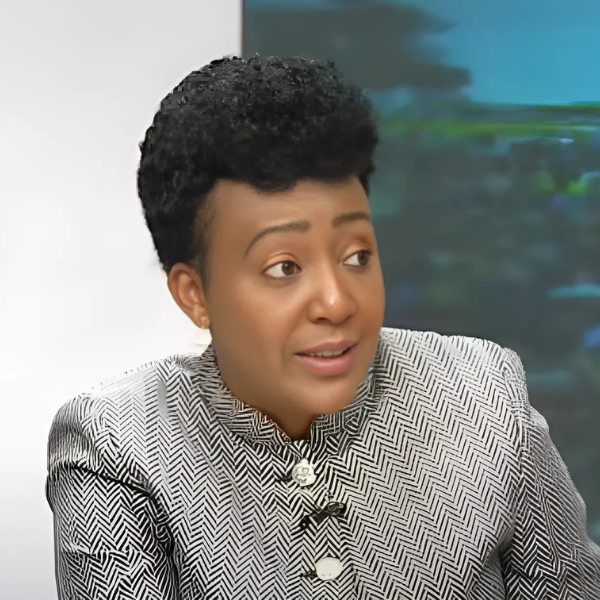
Nominated Senator Tabitha Mutinda has distanced herself from fresh claims that Senators were offered and allegedly received Kshs.10 million each to vote in favor of the impeachment of former Deputy President Rigathi Gachagua.
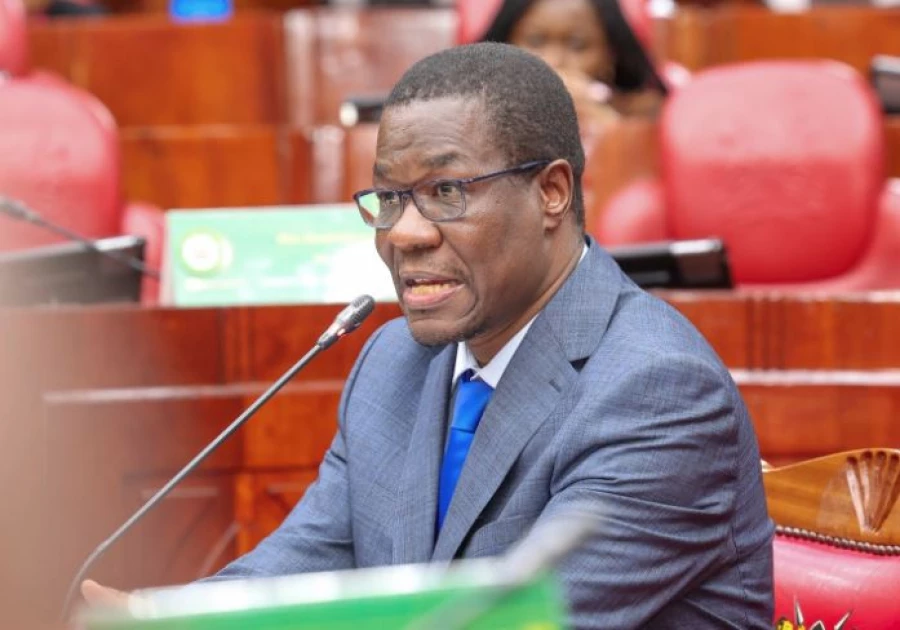
Speaking during an interview on Citizen TV’s DayBreak show, Senator Mutinda came under pressure from Murang’a Senator Joe Nyutu, who directly confronted her over the allegations. Nyutu claimed that every member of the Senate, himself included, was offered Kshs.10 million to support the impeachment motion, but that he personally declined the money. He went on to allege that Senator Mutinda had accepted the payout.
“The issue of bribery and the Kshs.10 million, Sen. Tabitha says I’m frustrated. With what? Let her swear before God and Kenyans today that she didn’t receive the Kshs.10 million,” Senator Nyutu charged during the live program.
In response, Senator Mutinda firmly rejected the accusation, describing it as unfounded. She faintly denied the allegation but stopped short of making a formal declaration on air. Instead, she told Nyutu to control his emotions and avoid dragging her name into baseless claims.
“Did you give me anything? It is sad, so sad... I did not receive anything to impeach Gachagua. Just manage your frustrations. Just move forward,” she responded. Mutinda further noted that the impeachment process had already been concluded and should not continue to be a subject of political debate. She urged leaders and the public to move on from the matter, stressing that the issue was now behind the Senate and the country.
Her comments came against the backdrop of previous claims made by Gachagua himself in September 2024. During a rally in Mwea, Kirinyaga County, the former DeputyPresident alleged that Senators and Members of Parliament were being coerced and offered Kshs.5 million each to support his removal from office. Gachagua claimed that leaders allied to him, including Kirinyaga Woman Representative Njeri Maina and Kirinyaga Senator James Murango, had been approached with the offer but declined in defiance.
According to Gachagua at the time, the offers were part of a wider scheme to influence legislators and ensure his impeachment succeeded. His statement drew mixed reactions, with his supporters insisting it exposed deep-seated corruption in the political process, while his critics dismissed the allegations as an attempt to paint himself as a victim of a political witch hunt.
The Senate eventually voted to impeach Gachagua on October 17, 2024, after a two- day sitting that featured lengthy cross-examinations, presentation of evidence, and heated debate. The resolution was reached with a majority of Senators supporting the motion, effectively bringing Gachagua’s tenure as Deputy President to an end.
Since then, questions have lingered regarding whether financial inducements played a role in influencing the outcome. Nyutu’s renewed claims on national television have reignited the debate and placed a spotlight on the integrity of the Senate during the impeachment process.
However, Senator Mutinda has remained categorical that she did not receive any money to vote against Gachagua. While she admitted the allegations had become politically charged, she insisted that the focus should now shift to addressing the country’s pressing issues instead of revisiting past events.
“I think we should leave the matter where it is. It has already been dealt with by the Senate. We have bigger things to focus on as a nation rather than continuously reviving an issue that was concluded,” she said.
Nyutu, however, maintained his position, insisting that bribery was a reality during the impeachment process. His remarks, coupled with Gachagua’s earlier allegations of Kshs.5 million inducements, have fueled public debate about transparency, accountability, and the conduct of parliamentary processes in Kenya.
The contradiction between the two sets of claims—Nyutu’s assertion of a Kshs.10 million payout and Gachagua’s earlier Kshs.5 million figure—has raised questions over the accuracy of the allegations. Neither claim has been independently verified, and no formal investigations have been launched to establish whether Senators or MPs were indeed bribed.
For now, the issue remains one of political contestation, with competing narratives from different players. What is clear, however, is that the impeachment of Gachagua continues to stir controversy nearly a year later, reflecting the deep divisions it created within Kenya’s political class.
As things stand, Senator Mutinda has categorically denied any wrongdoing, while Senator Nyutu has held firm to his accusations. The matter may only be resolved conclusively if credible evidence is presented or an independent inquiry is conducted into the claims. Until then, the debate is likely to remain in the public domain, feeding into Kenya’s wider discourse on governance, corruption, and political accountability.
Speaking during an interview on Citizen TV’s DayBreak show, Senator Mutinda came under pressure from Murang’a Senator Joe Nyutu, who directly confronted her over the allegations. Nyutu claimed that every member of the Senate, himself included, was offered Kshs.10 million to support the impeachment motion, but that he personally declined the money. He went on to allege that Senator Mutinda had accepted the payout.
“The issue of bribery and the Kshs.10 million, Sen. Tabitha says I’m frustrated. With what? Let her swear before God and Kenyans today that she didn’t receive the Kshs.10 million,” Senator Nyutu charged during the live program.
In response, Senator Mutinda firmly rejected the accusation, describing it as unfounded. She faintly denied the allegation but stopped short of making a formal declaration on air. Instead, she told Nyutu to control his emotions and avoid dragging her name into baseless claims.
“Did you give me anything? It is sad, so sad... I did not receive anything to impeach Gachagua. Just manage your frustrations. Just move forward,” she responded. Mutinda further noted that the impeachment process had already been concluded and should not continue to be a subject of political debate. She urged leaders and the public to move on from the matter, stressing that the issue was now behind the Senate and the country.
Her comments came against the backdrop of previous claims made by Gachagua himself in September 2024. During a rally in Mwea, Kirinyaga County, the former DeputyPresident alleged that Senators and Members of Parliament were being coerced and offered Kshs.5 million each to support his removal from office. Gachagua claimed that leaders allied to him, including Kirinyaga Woman Representative Njeri Maina and Kirinyaga Senator James Murango, had been approached with the offer but declined in defiance.
According to Gachagua at the time, the offers were part of a wider scheme to influence legislators and ensure his impeachment succeeded. His statement drew mixed reactions, with his supporters insisting it exposed deep-seated corruption in the political process, while his critics dismissed the allegations as an attempt to paint himself as a victim of a political witch hunt.
The Senate eventually voted to impeach Gachagua on October 17, 2024, after a two- day sitting that featured lengthy cross-examinations, presentation of evidence, and heated debate. The resolution was reached with a majority of Senators supporting the motion, effectively bringing Gachagua’s tenure as Deputy President to an end.
Since then, questions have lingered regarding whether financial inducements played a role in influencing the outcome. Nyutu’s renewed claims on national television have reignited the debate and placed a spotlight on the integrity of the Senate during the impeachment process.
However, Senator Mutinda has remained categorical that she did not receive any money to vote against Gachagua. While she admitted the allegations had become politically charged, she insisted that the focus should now shift to addressing the country’s pressing issues instead of revisiting past events.
“I think we should leave the matter where it is. It has already been dealt with by the Senate. We have bigger things to focus on as a nation rather than continuously reviving an issue that was concluded,” she said.
Nyutu, however, maintained his position, insisting that bribery was a reality during the impeachment process. His remarks, coupled with Gachagua’s earlier allegations of Kshs.5 million inducements, have fueled public debate about transparency, accountability, and the conduct of parliamentary processes in Kenya.
The contradiction between the two sets of claims—Nyutu’s assertion of a Kshs.10 million payout and Gachagua’s earlier Kshs.5 million figure—has raised questions over the accuracy of the allegations. Neither claim has been independently verified, and no formal investigations have been launched to establish whether Senators or MPs were indeed bribed.
For now, the issue remains one of political contestation, with competing narratives from different players. What is clear, however, is that the impeachment of Gachagua continues to stir controversy nearly a year later, reflecting the deep divisions it created within Kenya’s political class.
As things stand, Senator Mutinda has categorically denied any wrongdoing, while Senator Nyutu has held firm to his accusations. The matter may only be resolved conclusively if credible evidence is presented or an independent inquiry is conducted into the claims. Until then, the debate is likely to remain in the public domain, feeding into Kenya’s wider discourse on governance, corruption, and political accountability.