Tanzania's recent post-election violence has drawn stark parallels to Egypt's 2011 Arab Spring uprising, where mass demonstrations toppled a long-standing dictator but ultimately failed to dismantle entrenched power structures, leaving the nation under the grip of dominant authorities.
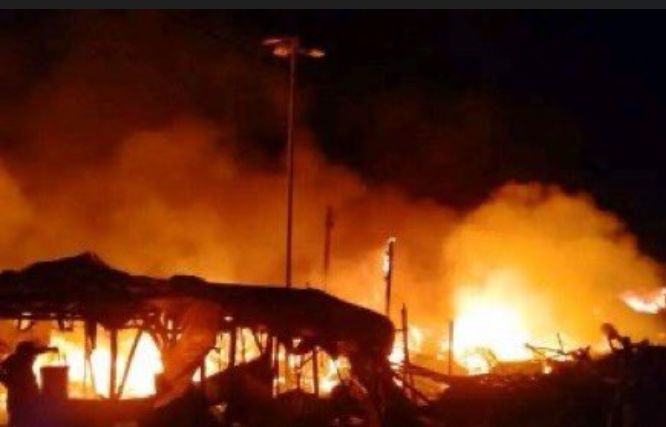
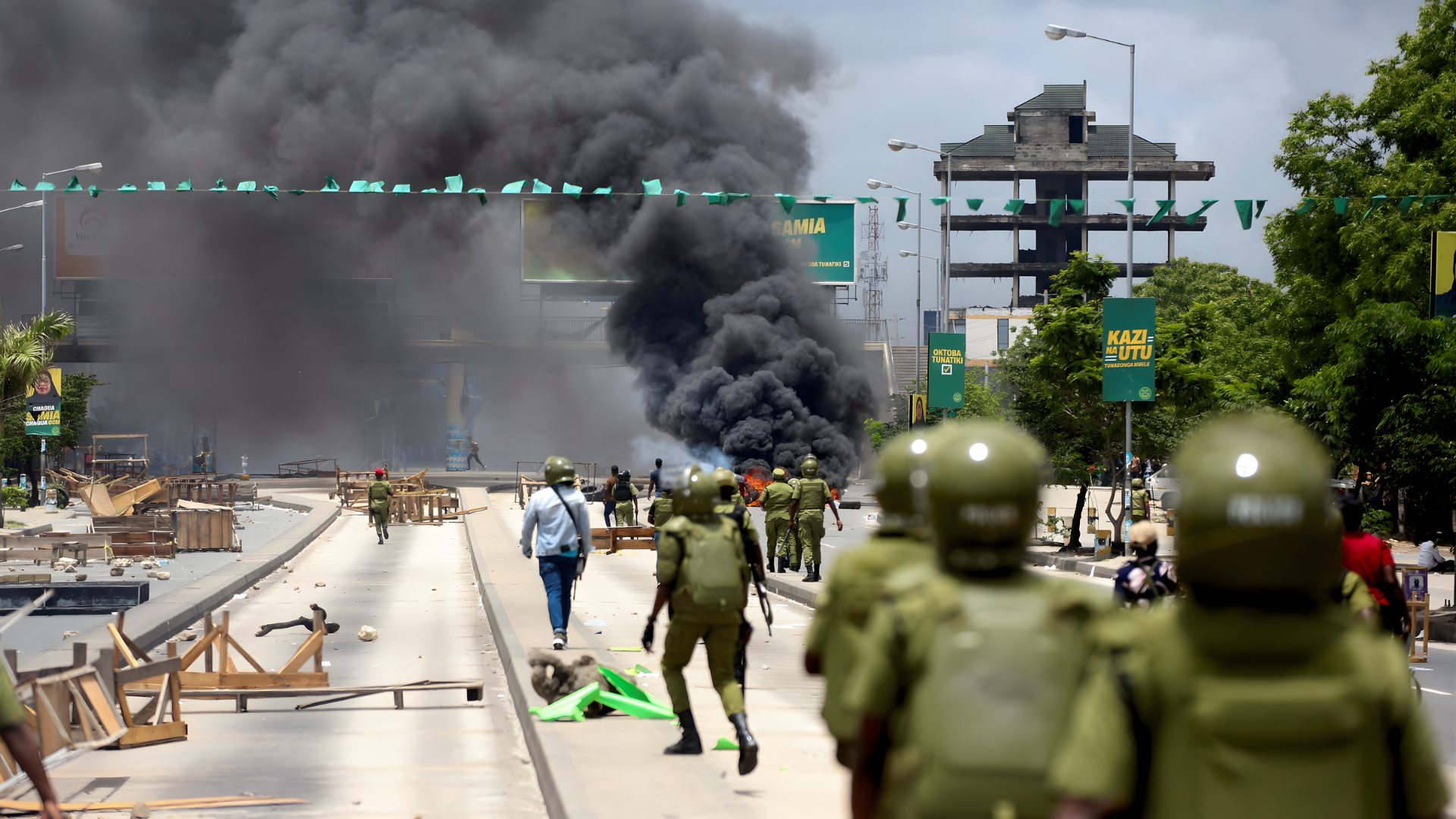
The unrest in Tanzania erupted on October 29, 2025, coinciding with the country's general elections, as supporters of the main opposition party, Chadema, took to the streets in Dar es Salaam, Arusha, and other cities to protest alleged electoral irregularities and the exclusion of key candidates. What began as peaceful calls for a vote recount quickly escalated into clashes with security forces, resulting in at least 28 confirmed deaths, primarily among young protesters aged 18 to 35. Reports from human rights groups and satellite imagery have revealed overflowing morgues and signs of mass graves in Dar es Salaam's Kondo cemetery, with opposition leaders claiming the toll could exceed 200. The government, led by President Samia Suluhu Hassan, who secured 98 percent of the vote amid widespread allegations of fraud, imposed internet blackouts, deployed the military to enforce roadblocks, and charged 240 demonstrators with treason, further fueling accusations of a crackdown designed to stifle dissent.
This scenario bears an uncanny resemblance to Egypt's Tahrir Square revolution in early 2011, when hundreds of thousands gathered in Cairo to demand an end to Hosni Mubarak's 30-year rule. Mubarak's ouster after 18 days of sustained protests ignited euphoria across the Arab world, with Egyptians envisioning a new era of democratic governance, economic opportunity, and social justice. The Supreme Council of the Armed Forces initially facilitated a transition, promising elections and reforms. For a brief period, it seemed the Arab Spring had succeeded: Mubarak was arrested, the emergency law repealed, and free parliamentary elections held in November 2011, won by the Muslim Brotherhood's Freedom and Justice Party.
However, the initial optimism quickly dissipated into instability. The Muslim Brotherhood's Mohamed Morsi assumed the presidency in June 2012, but his administration's push for an Islamist constitution alienated secularists, Coptic Christians, and liberals, leading to mass protests by June 2013. The military, under Abdel Fattah el-Sisi, intervened, ousting Morsi in a coup backed by millions in the streets. Sisi's regime consolidated power through a 2014 constitution granting the military sweeping authority, mass arrests of Brotherhood members, and a crackdown on dissent that has seen thousands imprisoned. The political pendulum swung from authoritarian secularism under Mubarak to brief Islamist rule, then back to military dominance—leaving ordinary Egyptians disillusioned with the revolution's unfulfilled promises.
Economically, the Arab Spring's legacy in Egypt has been one of stagnation and setback. The uprising initially spurred hope for reforms to address corruption, unemployment, and inequality, with Mubarak's fall expected to attract foreign investment and spur growth. Tourism, a vital sector contributing 12 percent of GDP and employing 2.5 million, surged briefly in 2011 as the world watched the revolution unfold. However, the ensuing instability—marked by political turmoil, security breakdowns, and frequent terror attacks by ISIS affiliates in the Sinai—decimated the industry. Visitor numbers plummeted from 14.7 million in 2010 to 5.9 million in 2011, recovering slowly to 13 million by 2019 but never regaining pre-uprising levels. The 2013 coup and subsequent repression further eroded investor confidence, with foreign direct investment dropping from $6.4 billion in 2009/10 to $1.1 billion in 2013/14.
Unemployment, a key grievance fueling the protests—affecting 25 percent of youth—worsened initially, climbing to 13 percent by 2012 before stabilizing at 10 percent under Sisi. Food prices, already high due to global commodity spikes, soared with inflation hitting 13 percent in 2013, exacerbating poverty that afflicted 30 percent of Egyptians. The government responded with austerity measures, including subsidy cuts on bread and fuel, which sparked further discontent. By 2016, external debt had ballooned to $60 billion, or 90 percent of GDP, forcing Egypt to seek a $12 billion IMF bailout in 2016 with conditions for privatization and tax hikes that disproportionately burdened the poor. Domestic investment, once at 19.5 percent of GDP in 2009/10, fell to 14 percent in 2013/14, as capital fled amid uncertainty.
The promise of improved living standards—a central demand of Tahrir Square—remained elusive. The revolution's early economic optimism faded as tourism declined, unemployment persisted, and debt mounted. Ordinary Egyptians, who had risked their lives for change, found themselves excluded from any recovery, with inequality widening as military-linked conglomerates expanded into civilian sectors like construction and real estate.
Tanzania's unrest, while smaller in scale, mirrors this trajectory of hope followed by disillusionment. The October 29 protests, sparked by the disqualification of opposition candidates and allegations of ballot stuffing, saw youth in Dar es Salaam and Arusha take to the streets with demands for electoral transparency and political reform. Security forces' response—tear gas, rubber bullets, and live ammunition—resulted in 28 confirmed deaths, with satellite imagery revealing disturbed soil at mass grave sites in Dar es Salaam's Kondo cemetery. The government's 98 percent victory for President Samia Suluhu Hassan, coupled with internet blackouts and 240 treason arrests, has left protesters and their families feeling betrayed by a system that promised stability but delivered suppression.
Like Egypt's Tahrir Square, Tanzania's demonstrations ignited widespread hope for change. Young people, frustrated by economic stagnation and political exclusion, saw the protests as a chance to dismantle CCM's six-decade dominance and usher in multiparty accountability. The Arab Spring's early euphoria—where Mubarak's fall seemed to herald democracy—found an echo in Tanzania's initial mass mobilization, with thousands in Arusha barricading highways and Dar es Salaam youth chanting for recounts.
But the parallels darken with the outcomes. In Egypt, the military's 2013 coup restored authoritarian control, with Sisi's regime jailing 60,000 opponents and stifling media. Tanzania's crackdown, including military roadblocks and treason charges, suggests a similar consolidation. The promise of reform has given way to repression, leaving citizens disillusioned as power structures endure.
Economically, both nations grapple with unfulfilled aspirations. Egypt's tourism collapse and debt crisis mirror Tanzania's potential pitfalls: the unrest has already halted 20 percent of tourism bookings, with Sh50 billion EU aid suspended. Like Egypt's 13 percent inflation in 2013, Tanzania's 4.1 percent rate could spike if protests persist, eroding gains from 5.9 percent GDP growth.
In both cases, ordinary citizens bear the brunt. Egypt's youth, who risked lives for jobs and justice, faced unemployment and poverty. Tanzania's protesters, demanding electoral integrity, now face graves and charges. The Arab Spring's legacy—a decade of dashed hopes—looms as a cautionary tale for Tanzania: revolutions stir the pot but rarely reshape the recipe, leaving power entrenched and people excluded.
The Egyptian middle class's ambivalence—acclaiming democracy then military repression—finds echoes in Tanzania's urban youth, who celebrated the protests but now fear backlash. Both movements highlighted inequality: Egypt's 40 percent below $2 daily, Tanzania's 26 percent poverty rate. Yet, neither delivered the economic miracle promised.
External factors compounded failures. NATO's Libya intervention destabilized the region; Tanzania's EU aid freeze could mirror that isolation. In both, military loyalty to regimes over revolutions sealed fates.
Tanzania stands at a crossroads: will it follow Egypt's path of restored authoritarianism, or forge a different legacy? The protests' failure to topple structures leaves citizens disillusioned, but the unrest's spark endures, a reminder that change, though stalled, simmers beneath the surface.