 Diana Muthini
The Political Journey and Legacy of Uhuru Kenyatta
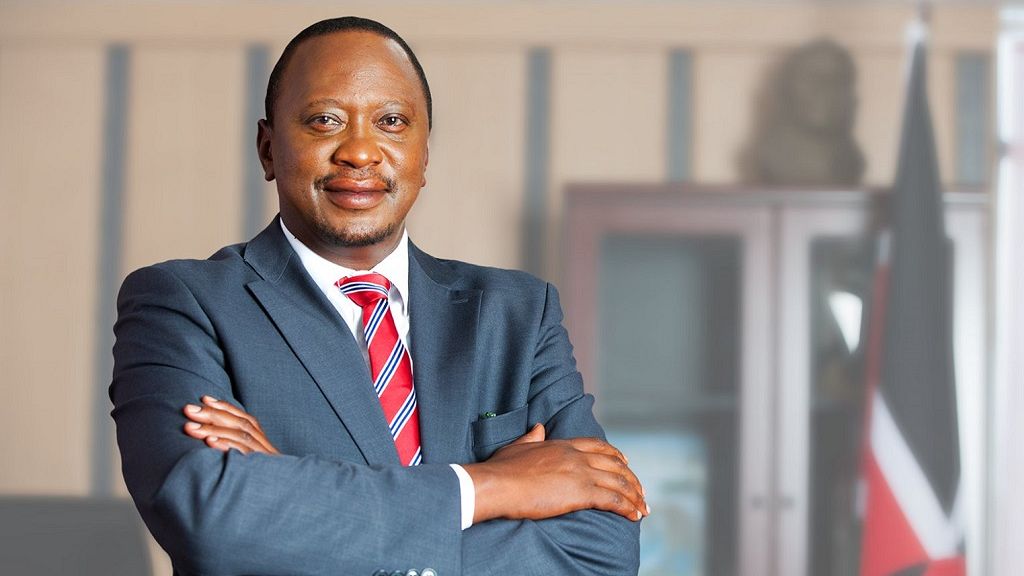
Uhuru Kenyatta is one of the most influential political figures in Kenya’s modern history. As the fourth President of Kenya, his leadership shaped the country’s political direction, economic policies, and diplomatic relations for nearly a decade. Born on October 26, 1961, Uhuru Kenyatta comes from one of the most prominent political families in the country. He is the son of Jomo Kenyatta, the founding father and first President of Kenya. From an early age, Uhuru was exposed to politics, leadership, and the expectations that came with being part of Kenya’s first family.
Early Life and Education
Uhuru Kenyatta grew up during a critical period in Kenya’s history, just after independence. He attended St. Mary’s School in Nairobi before pursuing higher education in the United States, where he studied economics and political science at Amherst College in Massachusetts. His education helped shape his understanding of global economics and governance, knowledge that would later influence his leadership style.
After completing his studies, Uhuru returned to Kenya and began managing family businesses while slowly stepping into public life. Although he initially kept a relatively low political profile, his name remained widely known because of his father’s historic role in shaping the nation.
Entry into Politics
Uhuru Kenyatta officially entered politics in the late 1990s. His first major political role came when he was appointed Chairman of the Kenya Tourism Board. Later, he was nominated to Parliament and served as the Minister for Local Government under the government of Daniel arap Moi.
In 2002, Moi endorsed Uhuru Kenyatta as his preferred successor in the presidential election. However, Uhuru lost the election to Mwai Kibaki, who led a strong opposition coalition. Despite the defeat, Uhuru emerged as a major figure in national politics and became the leader of the opposition in Parliament.
Rise to the Presidency
Uhuru Kenyatta continued to strengthen his political influence over the years. In 2013, he formed the Jubilee Alliance with William Ruto as his running mate. Their alliance brought together different regional political bases and proved successful in the general election.
In March 2013, Uhuru Kenyatta was elected as the fourth President of Kenya. His victory was historic but also controversial because he and his deputy faced charges at the International Criminal Court related to the 2007–2008 post-election violence. However, the cases were later dropped due to insufficient evidence and witness issues.
Uhuru was re-elected in 2017 after a highly contested election against opposition leader Raila Odinga. The election was marked by legal battles and political tension, including the annulment of the first election results by the Supreme Court and a repeat presidential poll.
Development Agenda and Achievements
During his presidency, Uhuru Kenyatta focused on economic development and infrastructure growth. His government introduced the “Big Four Agenda,” which aimed to improve manufacturing, achieve universal healthcare, expand affordable housing, and strengthen food security in Kenya.
Under his leadership, several major infrastructure projects were completed or expanded. These included highways, railway systems such as the Standard Gauge Railway, and energy projects aimed at increasing electricity access across the country. His administration also pushed for digital government services and financial reforms to modernize Kenya’s economy.
The Handshake and Political Reconciliation
One of the most defining moments of Uhuru Kenyatta’s presidency came in March 2018 when he shook hands with his former rival, Raila Odinga. The event, popularly known as the “Handshake,” ended months of political tension following the disputed 2017 election.
The handshake led to the Building Bridges Initiative (BBI), which aimed to promote national unity, constitutional reforms, and inclusivity in governance. While the initiative sparked national debate and was later halted by the courts, it significantly influenced Kenya’s political discourse.
Leadership Style and Challenges
Uhuru Kenyatta’s leadership was marked by both achievements and controversies. Supporters praised his focus on infrastructure development and efforts to unite the country politically. Critics, however, pointed to issues such as rising public debt, corruption scandals, and economic challenges affecting ordinary Kenyans.
Despite these challenges, Uhuru remained a central figure in Kenya’s political landscape, often advocating for peace, national unity, and economic transformation.
Life After the Presidency
Uhuru Kenyatta completed his second and final term in 2022 and handed over power to his former deputy, William Ruto. Since leaving office, he has remained active in regional and international diplomacy, including peace mediation efforts in parts of Africa.
As the son of Kenya’s founding president and a leader in his own right, Uhuru Kenyatta’s legacy continues to influence Kenya’s political history. His journey from the son of a national hero to the country’s fourth president reflects both the opportunities and challenges of leadership in a dynamic democracy.
Conclusion
Uhuru Kenyatta’s political journey is a story of legacy, resilience, and transformation. From early expectations tied to his family name to becoming the leader of Kenya for nearly a decade, his role in shaping the nation’s political and economic direction remains significant. Whether praised or criticized, his presidency marked an important chapter in Kenya’s ongoing journey toward stability, development, and democracy.
Uhuru Kenyatta is one of the most influential political figures in Kenya’s modern history. As the fourth President of Kenya, his leadership shaped the country’s political direction, economic policies, and diplomatic relations for nearly a decade. Born on October 26, 1961, Uhuru Kenyatta comes from one of the most prominent political families in the country. He is the son of Jomo Kenyatta, the founding father and first President of Kenya. From an early age, Uhuru was exposed to politics, leadership, and the expectations that came with being part of Kenya’s first family.
Early Life and Education
Uhuru Kenyatta grew up during a critical period in Kenya’s history, just after independence. He attended St. Mary’s School in Nairobi before pursuing higher education in the United States, where he studied economics and political science at Amherst College in Massachusetts. His education helped shape his understanding of global economics and governance, knowledge that would later influence his leadership style.
After completing his studies, Uhuru returned to Kenya and began managing family businesses while slowly stepping into public life. Although he initially kept a relatively low political profile, his name remained widely known because of his father’s historic role in shaping the nation.
Entry into Politics
Uhuru Kenyatta officially entered politics in the late 1990s. His first major political role came when he was appointed Chairman of the Kenya Tourism Board. Later, he was nominated to Parliament and served as the Minister for Local Government under the government of Daniel arap Moi.
In 2002, Moi endorsed Uhuru Kenyatta as his preferred successor in the presidential election. However, Uhuru lost the election to Mwai Kibaki, who led a strong opposition coalition. Despite the defeat, Uhuru emerged as a major figure in national politics and became the leader of the opposition in Parliament.
Rise to the Presidency
Uhuru Kenyatta continued to strengthen his political influence over the years. In 2013, he formed the Jubilee Alliance with William Ruto as his running mate. Their alliance brought together different regional political bases and proved successful in the general election.
In March 2013, Uhuru Kenyatta was elected as the fourth President of Kenya. His victory was historic but also controversial because he and his deputy faced charges at the International Criminal Court related to the 2007–2008 post-election violence. However, the cases were later dropped due to insufficient evidence and witness issues.
Uhuru was re-elected in 2017 after a highly contested election against opposition leader Raila Odinga. The election was marked by legal battles and political tension, including the annulment of the first election results by the Supreme Court and a repeat presidential poll.
Development Agenda and Achievements
During his presidency, Uhuru Kenyatta focused on economic development and infrastructure growth. His government introduced the “Big Four Agenda,” which aimed to improve manufacturing, achieve universal healthcare, expand affordable housing, and strengthen food security in Kenya.
Under his leadership, several major infrastructure projects were completed or expanded. These included highways, railway systems such as the Standard Gauge Railway, and energy projects aimed at increasing electricity access across the country. His administration also pushed for digital government services and financial reforms to modernize Kenya’s economy.
The Handshake and Political Reconciliation
One of the most defining moments of Uhuru Kenyatta’s presidency came in March 2018 when he shook hands with his former rival, Raila Odinga. The event, popularly known as the “Handshake,” ended months of political tension following the disputed 2017 election.
The handshake led to the Building Bridges Initiative (BBI), which aimed to promote national unity, constitutional reforms, and inclusivity in governance. While the initiative sparked national debate and was later halted by the courts, it significantly influenced Kenya’s political discourse.
Leadership Style and Challenges
Uhuru Kenyatta’s leadership was marked by both achievements and controversies. Supporters praised his focus on infrastructure development and efforts to unite the country politically. Critics, however, pointed to issues such as rising public debt, corruption scandals, and economic challenges affecting ordinary Kenyans.
Despite these challenges, Uhuru remained a central figure in Kenya’s political landscape, often advocating for peace, national unity, and economic transformation.
Life After the Presidency
Uhuru Kenyatta completed his second and final term in 2022 and handed over power to his former deputy, William Ruto. Since leaving office, he has remained active in regional and international diplomacy, including peace mediation efforts in parts of Africa.
As the son of Kenya’s founding president and a leader in his own right, Uhuru Kenyatta’s legacy continues to influence Kenya’s political history. His journey from the son of a national hero to the country’s fourth president reflects both the opportunities and challenges of leadership in a dynamic democracy.
Conclusion
Uhuru Kenyatta’s political journey is a story of legacy, resilience, and transformation. From early expectations tied to his family name to becoming the leader of Kenya for nearly a decade, his role in shaping the nation’s political and economic direction remains significant. Whether praised or criticized, his presidency marked an important chapter in Kenya’s ongoing journey toward stability, development, and democracy.