 WEKESA KULECHO
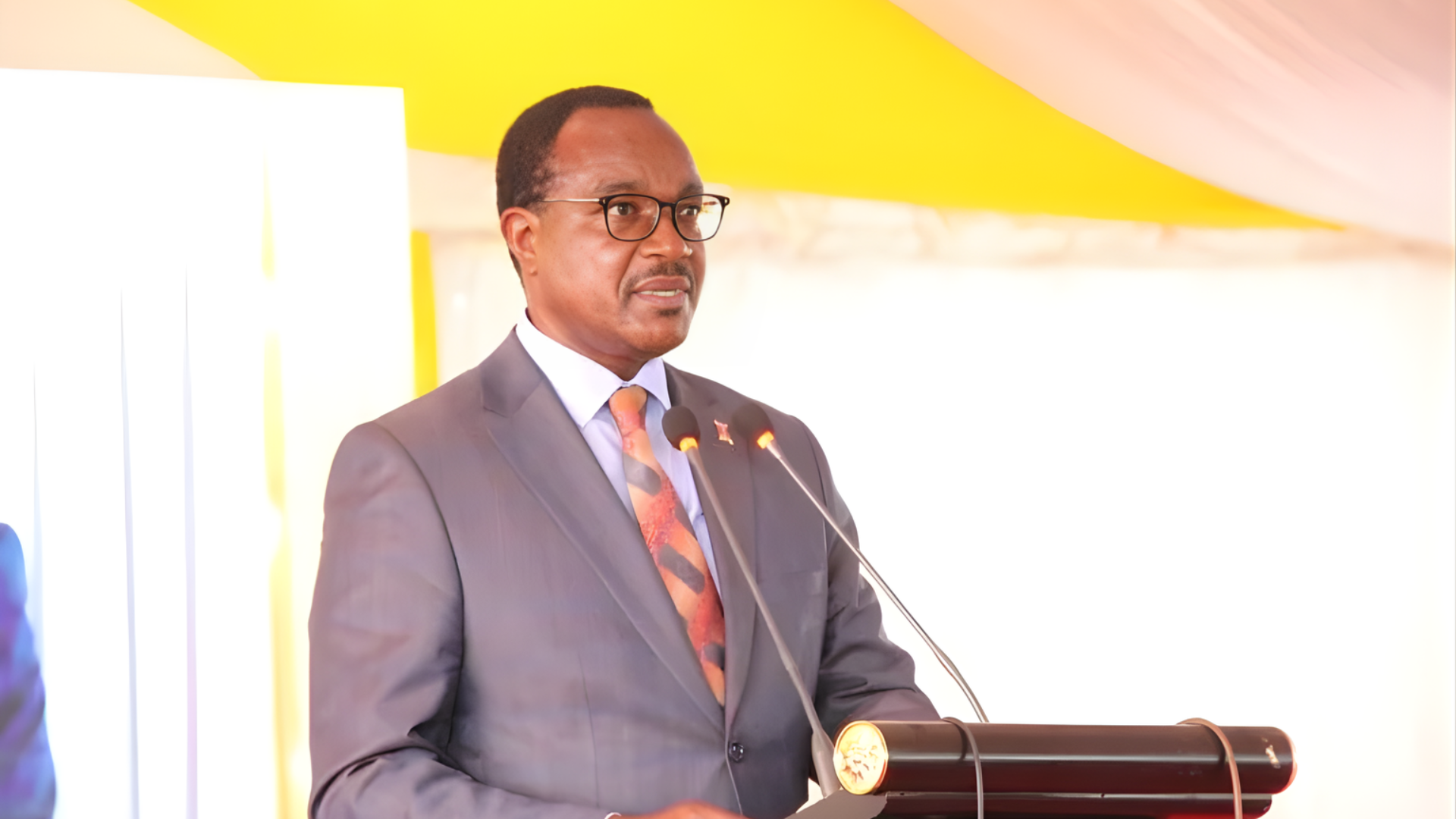
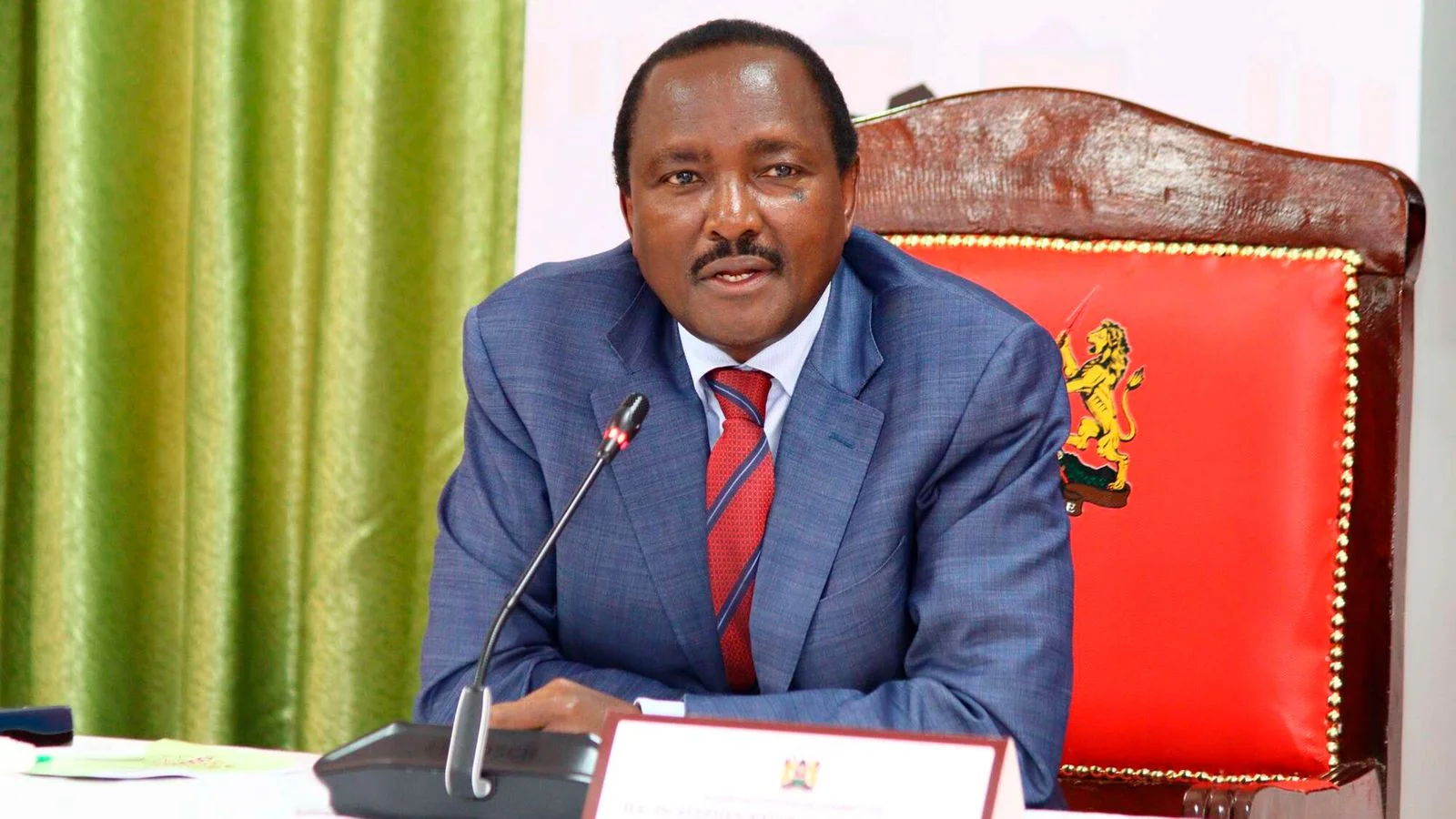
wiper Party leader and former Vice President Stephen Kalonzo Musyoka is currently navigating his most significant political moment in over a decade. With his long-time ally, Raila Odinga, shifting focus to the African Union Commission (AUC) chairmanship bid, Kalonzo has formally stepped up to claim the mantle of the de facto opposition leader and is emphatically declaring his intent to run for the Kenyan presidency in the 2027 General Election.
His political strategy is a complex matrix focused on consolidation, coalition-building, and countering the ruling Kenya Kwanza alliance, which has recently broadened its base by forming a 'broad-based government' working arrangement with a faction of Odinga's former party.
1. Assuming the Opposition Mantle and the Azimio Vacuum
The departure of Raila Odinga from the domestic political scene to pursue the AUC post has created a leadership vacuum within the Azimio la Umoja One Kenya Coalition.
His political strategy is a complex matrix focused on consolidation, coalition-building, and countering the ruling Kenya Kwanza alliance, which has recently broadened its base by forming a 'broad-based government' working arrangement with a faction of Odinga's former party.
1. Assuming the Opposition Mantle and the Azimio Vacuum
The departure of Raila Odinga from the domestic political scene to pursue the AUC post has created a leadership vacuum within the Azimio la Umoja One Kenya Coalition.
- De Facto Leader: Kalonzo has forcefully asserted himself as the most senior and legitimate figure to take over the Azimio leadership. This has been supported by key allies, who have stated there is no power vacuum and Kalonzo automatically assumes the role.
- The New Coalition: Following the working pact between the ruling party and the Orange Democratic Movement (ODM) faction, Kalonzo has confirmed plans to form a new political movement or coalition. This new entity is aimed at uniting the remaining opposition forces who refuse to collaborate with the current administration.
- Key Allies: This new grouping includes leaders like former Deputy President Rigathi Gachagua, who was impeached and is now estranged from the ruling party, and Martha Karua (whose party has also officially quit Azimio). The alliance is focused on leveraging discontent in the Mt. Kenya region and other parts of the country.
2. The 2027 Presidential Bid: Strategy and Early Polling
Kalonzo has formally declared that he will be on the presidential ballot in 2027, vowing not to back down as he has in previous election cycles.
- Opposition Preference: An opinion poll released in mid-2025 by the Centre for African Progress showed Kalonzo as the most preferred opposition presidential flag-bearer for 2027, with over 36% of respondents backing him to take on President William Ruto. This data provides him with significant political leverage.
- The Ukambani Unity Bloc: Kalonzo's foundational strategy remains the absolute consolidation of the Ukambani region (Machakos, Kitui, and Makueni counties). This unity is seen as his base and a non-negotiable springboard for national politics. Church leaders and local politicians in the region have publicly vowed to support his bid and called for Kamba unity.
- National Outreach: His alliance-building with Rigathi Gachagua and other leaders is critical for expanding his national appeal, particularly into the crucial Mount Kenya (Kikuyu) vote bloc. Kalonzo has been seen touring the region and is promising to protect the interests of the estranged leaders.
3. Key Challenges on the Road to 2027
Despite his current political momentum, Kalonzo faces several formidable hurdles:
- The 'Watermelon' Perception: A major, long-standing challenge remains his past political indecisiveness, which earned him the moniker "Watermelon" (green outside, red inside). His recent history of threatening to leave coalitions only to return or eventually support a rival has created lingering public doubt about his unwavering resolve.
- Competition from Within the Opposition: Kalonzo is not the only opposition figure with presidential ambitions. The emergence of other high-profile politicians, such as former Interior Minister Fred Matiang'i, adds a layer of complexity. Kalonzo will need to successfully consolidate the new opposition coalition and persuade his peers to back his candidacy.
- IEBC and Rigging Allegations: The Wiper team has been vocal in its concerns over the reconstitution of the Independent Electoral and Boundaries Commission (IEBC), alleging a plot by the current administration to rig the 2027 elections. Kalonzo's demand for inclusive talks on the IEBC selection panel highlights his focus on electoral process integrity as a major political issue.
- The Gachagua Alliance Risk: While his collaboration with Gachagua is a strong strategic move to capture the discontented vote, it is a volatile alliance. The former Deputy President's political future is highly unpredictable, and his own ambitions could eventually clash with Kalonzo's.
In summary, Kalonzo Musyoka has used the vacuum created by Raila Odinga's shift to position himself as the leading contender for the opposition's presidential ticket in 2027. His success hinges on maintaining the new, yet fragile, anti-administration coalition and demonstrating the political fortitude to see his presidential bid through to the end.