 Wambui Faith
In the rapidly evolving world of modern construction, efficiency and precision are no longer just goals—they are requirements. As urban centers expand and the demand for sustainable, high-quality infrastructure grows, precast concrete has emerged as a cornerstone of the industry.
Unlike traditional "cast-in-place" concrete, which is poured on the job site, precast concrete is manufactured in a controlled factory environment. This fundamental shift in process offers a range of benefits that are transforming how we build.
What is Precast Concrete?
Precast concrete is a construction product produced by casting concrete in a reusable mold or "form," which is then cured in a controlled environment, transported to the construction site, and lifted into place.
This method allows for superior quality control compared to site-poured concrete, as factors like temperature, humidity, and mix proportions can be monitored with surgical precision.
Key Advantages of Precast Systems
* Speed of Construction: While the site is being excavated and foundations are laid, the structural elements can be manufactured simultaneously at the plant. This parallel processing can shave months off a project timeline.
* Superior Durability: Because curing happens in a factory rather than outdoors, precast elements are less susceptible to weather-related defects. This results in a high-density product that resists corrosion and wear.
* Sustainability: Precast plants are masters of waste reduction. Excess concrete is recycled, and the precise nature of the molds reduces the amount of raw material needed. Furthermore, concrete’s thermal mass properties help buildings regulate temperature naturally, reducing long-term energy costs.
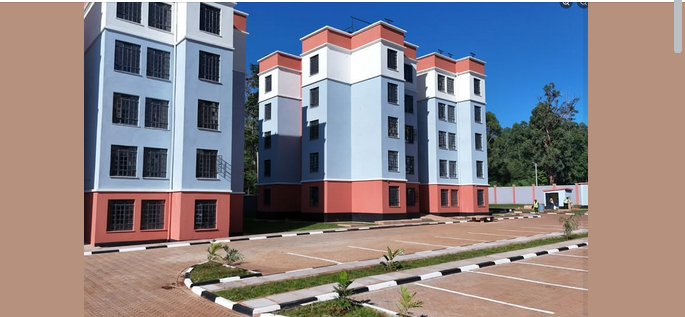
* Architectural Versatility: Modern precast is not just about gray slabs. It can be finished with various textures, colors, and shapes, allowing architects to achieve complex aesthetic designs that would be nearly impossible to form on-site.
Common Applications
Precast technology is versatile enough to be used across almost all sectors of infrastructure.
Category/Common Precast Elements
| Residential/Commercial | Wall panels, floor slabs (hollow-core), stairs, and balconies.
| Infrastructure | Bridge girders, tunnel segments, and sound barriers. |
| Utility | Septic tanks, manholes, and drainage pipes. |
| Safety | Jersey barriers and blast-resistant modular buildings.
The Installation Process
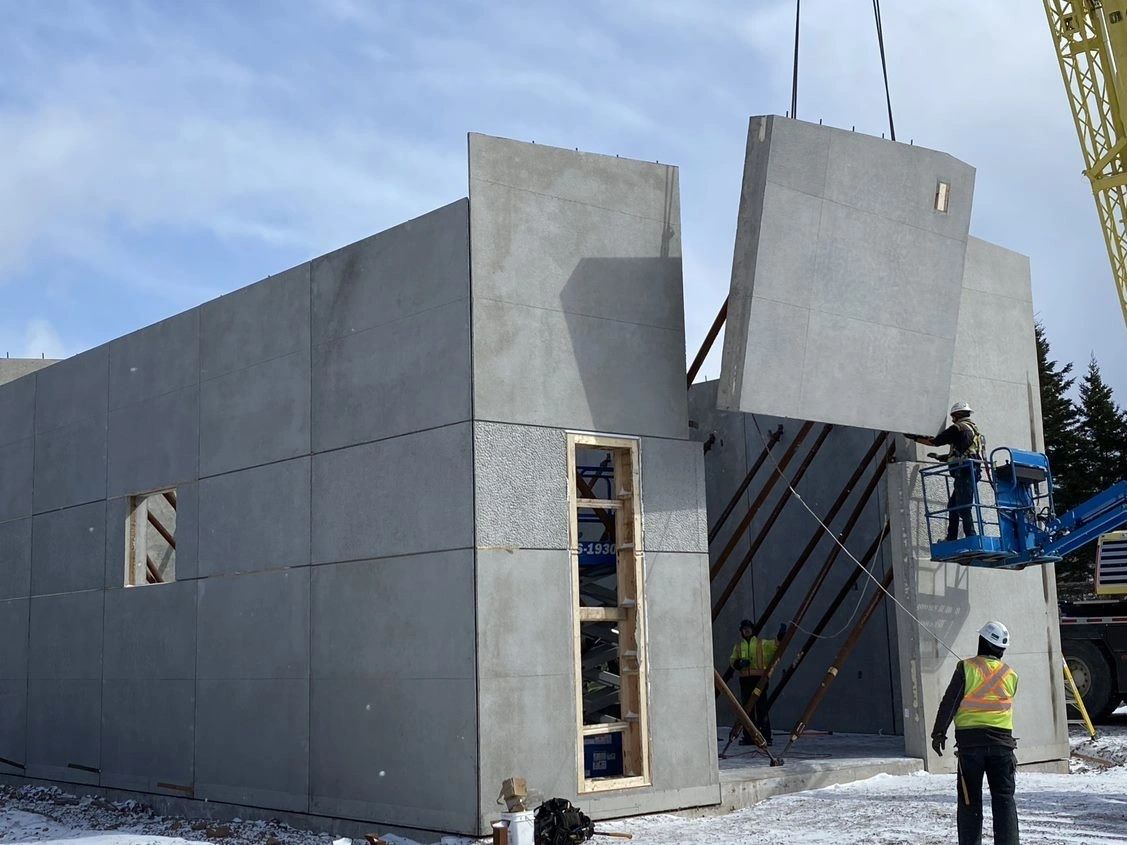
Once the elements are cured and tested, they are transported to the site via flatbed trucks. The installation resembles a high-stakes puzzle:
* Surveying: Precise measurements ensure the foundations are ready for the specific dimensions of the precast pieces.
* Lifting: Heavy-duty cranes hoist the panels or beams into place using embedded lifting anchors.
* Connection: Elements are secured using welding, bolting, or specialized grouting techniques to ensure structural integrity.
Challenges to Consider
While the benefits are significant, precast construction requires meticulous planning. Because the components are heavy and large, logistical factors such as transport routes and crane access must be mapped out months in advance. Additionally, there is a lower margin for error; once a piece is cast, making structural changes on-site is difficult and costly.
Conclusion
Precast concrete represents a shift toward "industrialized construction." By moving the bulk of the labor into a controlled factory setting, the industry is able to deliver safer, stronger, and more aesthetic structures in a fraction of the time. As we look toward a future of smarter cities, precast remains a vital tool in the builder’s kit.
Unlike traditional "cast-in-place" concrete, which is poured on the job site, precast concrete is manufactured in a controlled factory environment. This fundamental shift in process offers a range of benefits that are transforming how we build.
What is Precast Concrete?
Precast concrete is a construction product produced by casting concrete in a reusable mold or "form," which is then cured in a controlled environment, transported to the construction site, and lifted into place.
This method allows for superior quality control compared to site-poured concrete, as factors like temperature, humidity, and mix proportions can be monitored with surgical precision.
Key Advantages of Precast Systems
* Speed of Construction: While the site is being excavated and foundations are laid, the structural elements can be manufactured simultaneously at the plant. This parallel processing can shave months off a project timeline.
* Superior Durability: Because curing happens in a factory rather than outdoors, precast elements are less susceptible to weather-related defects. This results in a high-density product that resists corrosion and wear.
* Sustainability: Precast plants are masters of waste reduction. Excess concrete is recycled, and the precise nature of the molds reduces the amount of raw material needed. Furthermore, concrete’s thermal mass properties help buildings regulate temperature naturally, reducing long-term energy costs.
* Architectural Versatility: Modern precast is not just about gray slabs. It can be finished with various textures, colors, and shapes, allowing architects to achieve complex aesthetic designs that would be nearly impossible to form on-site.
Common Applications
Precast technology is versatile enough to be used across almost all sectors of infrastructure.
Category/Common Precast Elements
| Residential/Commercial | Wall panels, floor slabs (hollow-core), stairs, and balconies.
| Infrastructure | Bridge girders, tunnel segments, and sound barriers. |
| Utility | Septic tanks, manholes, and drainage pipes. |
| Safety | Jersey barriers and blast-resistant modular buildings.
The Installation Process
Once the elements are cured and tested, they are transported to the site via flatbed trucks. The installation resembles a high-stakes puzzle:
* Surveying: Precise measurements ensure the foundations are ready for the specific dimensions of the precast pieces.
* Lifting: Heavy-duty cranes hoist the panels or beams into place using embedded lifting anchors.
* Connection: Elements are secured using welding, bolting, or specialized grouting techniques to ensure structural integrity.
Challenges to Consider
While the benefits are significant, precast construction requires meticulous planning. Because the components are heavy and large, logistical factors such as transport routes and crane access must be mapped out months in advance. Additionally, there is a lower margin for error; once a piece is cast, making structural changes on-site is difficult and costly.
Conclusion
Precast concrete represents a shift toward "industrialized construction." By moving the bulk of the labor into a controlled factory setting, the industry is able to deliver safer, stronger, and more aesthetic structures in a fraction of the time. As we look toward a future of smarter cities, precast remains a vital tool in the builder’s kit.