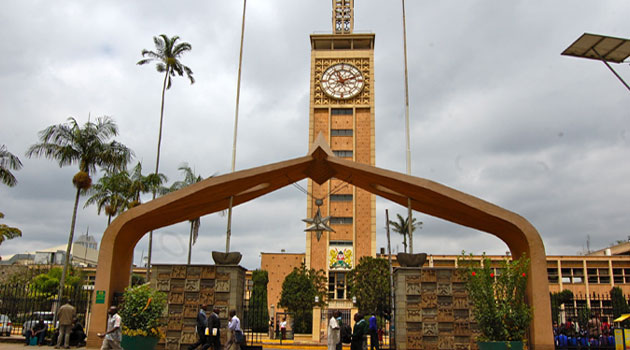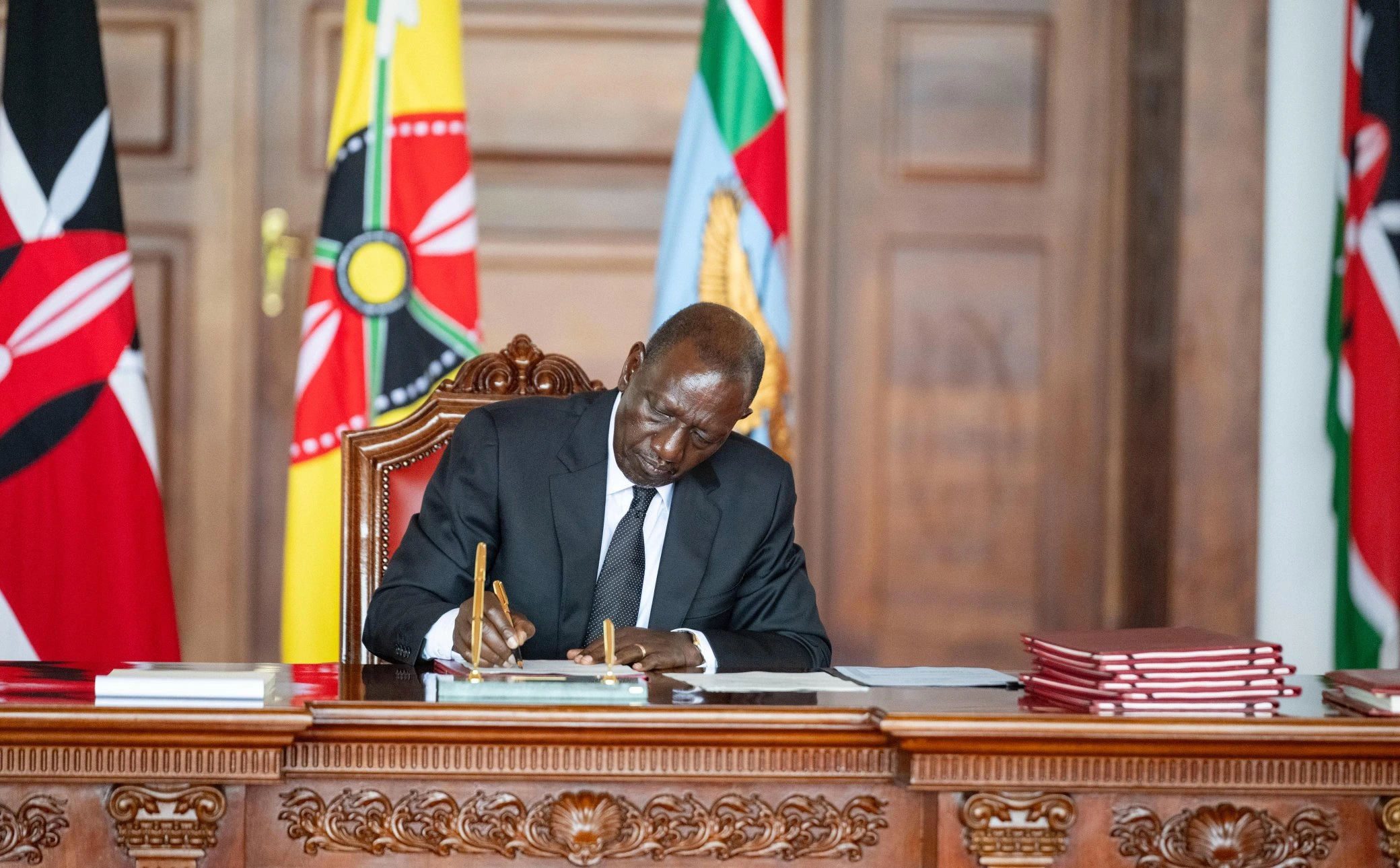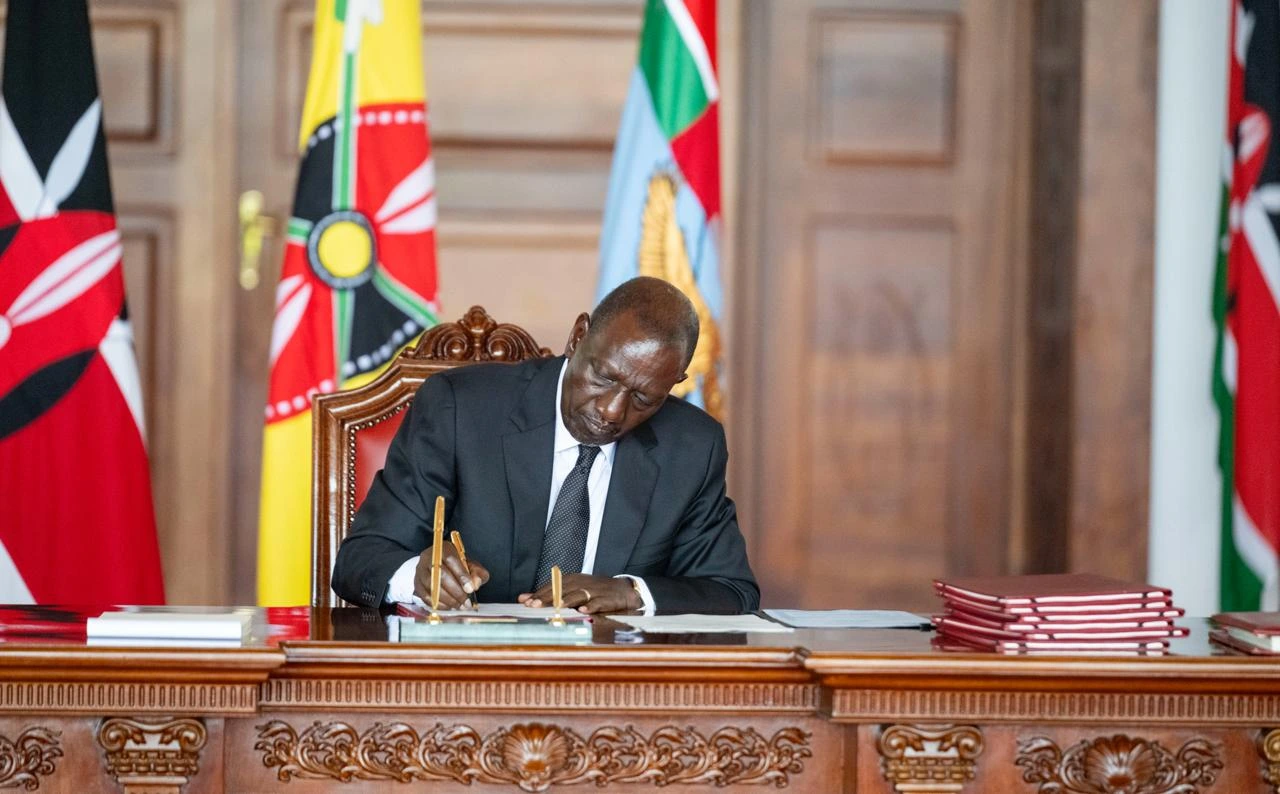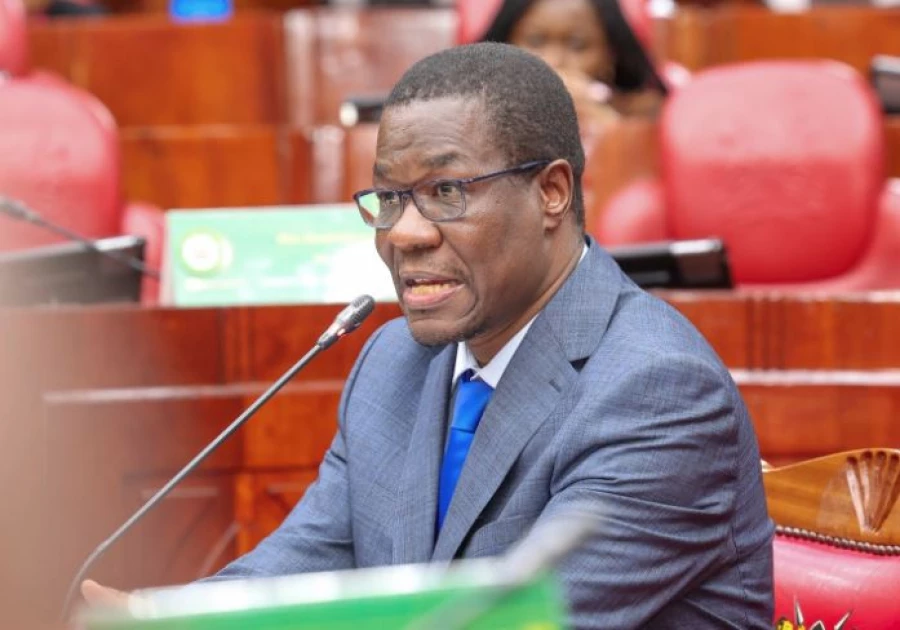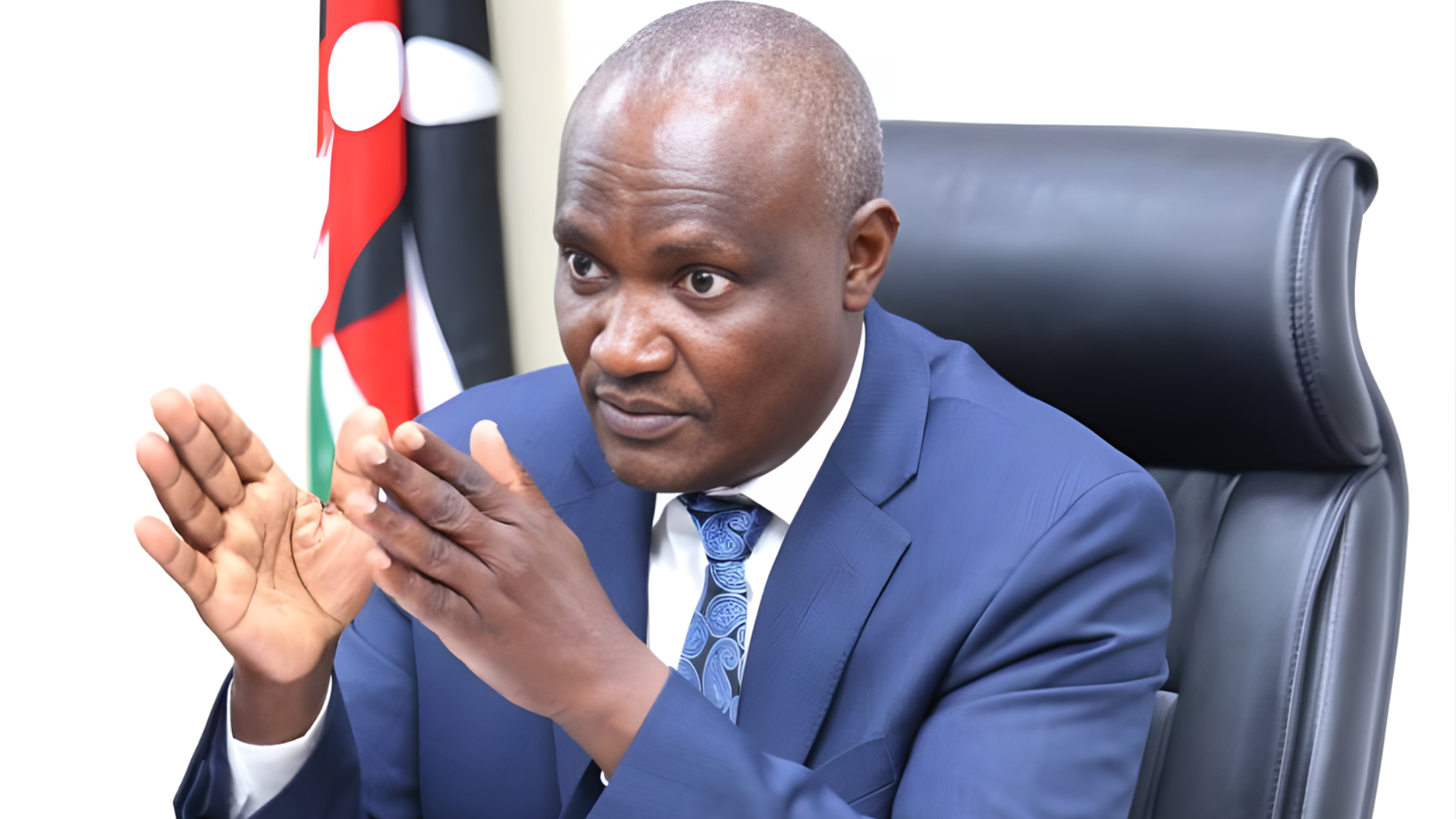
The imposing gates of the National Youth Service headquarters in Nairobi's Ruaraka suburb, where the crisp white uniforms of trainees marching in formation contrast sharply with the bureaucratic shadows lurking within, swung shut with an air of finality on the afternoon of November 14, 2025. Public Service Cabinet Secretary Geoffrey Ruku, flanked by a phalanx of ministry officials and investigators from the Ethics and Anti-Corruption Commission, had just delivered suspension letters to three senior managers—the supply chain director, the procurement head, and the finance controller—effective immediately, as part of a sweeping crackdown on a suspected Sh2 billion embezzlement scandal that has rocked the youth empowerment agency to its core. "This is not a slap on the wrist; it is a severance from service—these suspensions are the first step in rooting out the rot that has siphoned funds meant for our nation's future," Ruku declared from the headquarters' conference room, his voice echoing off walls lined with faded posters of NYS pass-out parades. "EACC's alerts have illuminated the darkness; now, we act with the full weight of the law to recover every shilling and restore trust in an institution that should be building builders, not enriching bandits."
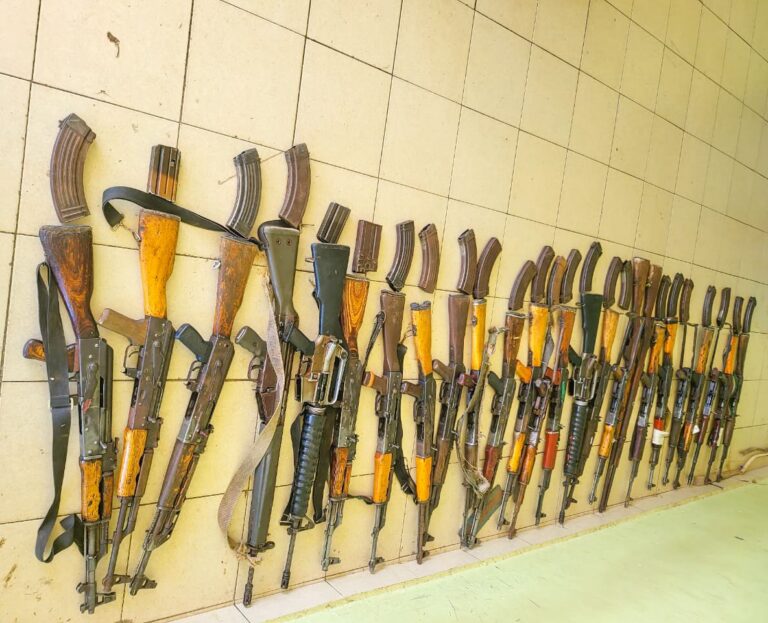
The suspensions, announced amid a flurry of media cameras and the distant cadence of trainee drills outside, follow a May 7 EACC raid that unearthed a web of fictitious contracts and family-tied proxies siphoning Sh2 billion from the agency's coffers between the 2019/2020 and 2024/2025 financial years. The operation, executed under court warrants at the homes and offices of the implicated officials in Nairobi, Kiambu, and Nakuru, yielded ledgers of ghost suppliers, overpriced tenders for non-existent training kits, and bank statements tracing kickbacks to relatives posing as directors in shell companies. "The suspects abused their trust to collude with insiders, authorizing payments for services that never materialized—fictitious boot camps, phantom equipment, all vanishing into private pockets," EACC spokesperson Esther Masiya detailed in a November 13 briefing, her slides projecting timelines of 18 bogus deals totaling Sh1.2 billion. The probe, now intensified with forensic audits from the Office of the Auditor General, has frozen Sh800 million in suspect accounts and impounded 15 vehicles bought with agency funds, including a Sh15 million Land Cruiser registered to a supply chain director's wife.
Ruku's intervention, ordered during a November 12 high-level meeting at Harambee House with EACC CEO Abdi Mohamud and NYS Commandant General James Tembu, stems from a damning EACC report delivered May 30 that flagged "systemic procurement irregularities" at the Gilgil Paramilitary Academy, NYS's flagship training hub. The report, spanning 120 pages of bank transfers and invoice forgeries, painted a picture of collusion where officials awarded contracts to family-run firms for "youth empowerment kits" that never reached the 50,000 annual recruits. "These managers turned NYS into a personal ATM—Sh500 million for training gear that existed only on paper, funneled to proxies in Naivasha and Nakuru," Ruku recounted, his finger jabbing a chart showing Sh2 billion diverted over five years, enough to fund 100,000 youth vocational scholarships. The CS, appointed in July 2024 to overhaul public service amid Ruto's anti-graft push, directed Tembu to enforce the letters within 24 hours, barring the suspended trio from agency premises under pain of arrest. "No golden parachutes—six-month suspension without pay, full cooperation with probes, or face charges under the Anti-Corruption Act," Ruku added, his tone a blend of paternal disappointment and prosecutorial steel.
The scandal's revelations, fresh as the November rains that have greened NYS's training fields, have ignited a bipartisan inferno in the Senate, where the Public Investments Committee chaired by Busia Senator Okiya Omtatah summoned Ruku, Tembu, and EACC brass for a November 15 grilling. "Sh2 billion vanished while our youth train with outdated rifles and empty stomachs—senators demand answers, not alibis," Omtatah thundered in a committee memo circulated November 13, his words a clarion for 47 senators demanding forensic reports and asset freezes. The probe echoes NYS's haunted history: the 2015 Sh791 million heist that felled Cabinet Secretary Anne Waiguru, the 2018 Sh9 billion fraud jailing 20 officials, and 2023's Sh1.2 billion payroll ghosts. "NYS is a national embarrassment—meant to mold patriots, it molds millionaires," lamented Marsabit Senator Jackson Lekalhaile during a plenary on November 14, his motion for a Sh5 billion recovery fund passing 38-9.
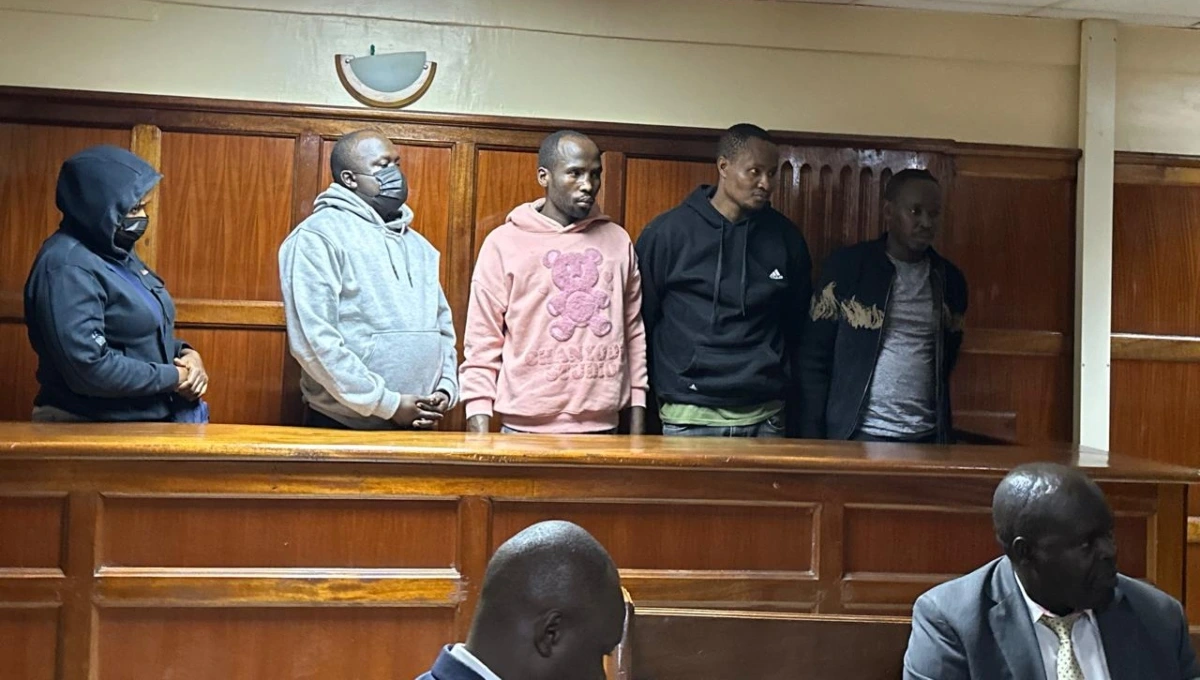
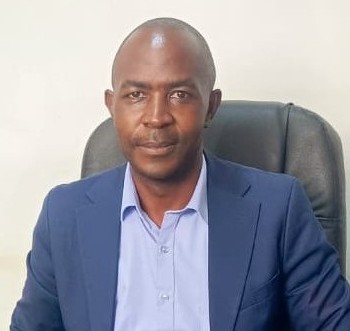
The suspended officials—unnamed publicly pending arraignment but described as "supply chain linchpins" by EACC—face charges of abuse of office, conflict of interest, and money laundering under the Anti-Corruption and Economic Crimes Act. The supply chain director, a 52-year-old logistics veteran appointed in 2020, allegedly awarded Sh800 million in tenders to his brother's firm for "paramilitary gear" that never arrived, with bank trails leading to a Naivasha duplex bought cash in 2022. The procurement head, 48, greenlit Sh600 million for "youth skills kits" to a Nakuru proxy, her family business registering Sh1.2 billion in unexplained turnover per KRA audits. The finance controller, 55, approved disbursements bypassing PPRA thresholds, his offshore accounts in Dubai swelling Sh400 million since 2021. "These aren't oversights; they're orchestrated thefts—a betrayal of the 100,000 youth NYS trains yearly," Mohamud stated, his EACC team freezing Sh800 million and impounding 15 vehicles, including a Sh15 million Land Cruiser.
Ruku's crackdown, part of his "Public Service Renaissance" blueprint unveiled July 2024, mandates NYS procurement audits quarterly, e-tenders via PPRA portal, and a whistleblower fund with 10 percent bounties. "NYS must commercialize—generate Sh10 billion revenue from farms and workshops, not scandals," Ruku directed at the November 12 meeting, tasking Tembu with a 30-day turnaround plan. Senators, led by Omtatah, probe deeper: "Sh2 billion could build 50 academies—where's the money?" The committee's November 15 session, live-streamed, demands EACC's forensic ledger and Ruku's reform roadmap.
For NYS trainees, the scandal stings as betrayal. At Gilgil Academy, 20-year-old recruit Mercy Chebet, drilling under a relentless sun, paused her rifle march: "We sweat for nation; they steal for selves—Ruku, clean it, or our uniforms mean nothing." Commandant Tembu, in a November 14 address to 2,000 cadets: "Your leaders failed; we rebuild with integrity—no more ghosts in the ranks." The agency, with Sh20 billion budget training 100,000 yearly, eyes commercialization: 10,000-hectare farms in Laikipia yielding Sh5 billion, workshops in Naivasha producing uniforms for Sh2 billion.
The probe's timeline: EACC arraignments by December 15, Senate hearings November 15-20, Ruku's reforms by January 2026. Omtatah's motion: Sh5 billion recovery fund. For Chebet, it's personal: "Train me honest; I'll serve honest." In Kenya's youth forge, where scandals scar but suspensions signal, Ruku's resolve resonates—a Sh2 billion reckoning where governance gleams, and NYS nurtures not thieves, but transformers.
Ruku's blueprint: quarterly audits, e-tenders, whistleblower 10% bounties. Tembu's plan: 30 days turnaround. EACC's ledger: Sh800 million frozen, 15 vehicles impounded. Senate's hearings: November 15-20 live. Omtatah's fund: Sh5 billion recovery. Chebet's drill: 2,000 cadets. For the suspended trio: arraignments December 15. In the republic's resilient ranks, the scandal's shadow shrinks—suspensions as spark, where Sh2 billion's theft yields transparency's triumph.