 Faith Masita
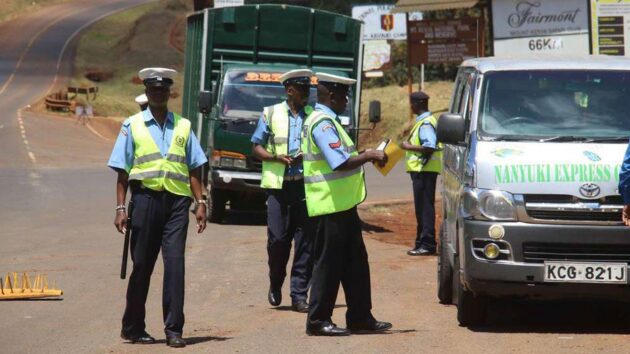
The National Transport and Safety Authority (NTSA) has moved to have a High Court petition challenging its proposed Instant Fines Management System thrown out, saying the case no longer has any practical relevance.
In documents filed before the court, NTSA Director General Odhiambo Kondiwa explained that the authority officially shelved the rollout of the system on March 27, 2026—effectively removing the basis of the legal challenge.
“There is presently no operational Instant Fines Management System,” Kondiwa stated.
With the system no longer in place, NTSA argues that the matter has been overtaken by events and proceeding with the case would serve no meaningful purpose. The authority is relying on the legal principle of mootness, which prevents courts from deciding cases where there is no longer an active dispute.
According to NTSA, there is nothing left to adjudicate since the system is not being implemented, no enforcement is taking place, and the issues raised in the petition are no longer current.
The case had been brought forward by Sheria Mtaani in collaboration with lawyer Shadrack Wambui. They questioned the legality of the instant fines framework, arguing that it threatened due process and could deny motorists their right to a fair hearing by sidestepping the courts.
Lawyer Danstan Omari also raised concerns, warning that the proposed system might create room for misuse and weaken constitutional safeguards for drivers.
Kondiwa, however, clarified that the decision to halt the rollout was deliberate. He noted that NTSA needed time to address procedural gaps, outline how minor traffic offences would be managed, conduct public awareness efforts, and ensure the framework aligns fully with legal requirements.
Even with the withdrawal, NTSA maintains that it still intends to introduce a reworked system that is lawful, transparent, and consistent with constitutional standards in enforcing traffic rules and improving road safety.
The court’s next move—whether to proceed with the case or dismiss it—could have wider implications, particularly in shaping how courts handle disputes involving policies that are withdrawn while litigation is ongoing.