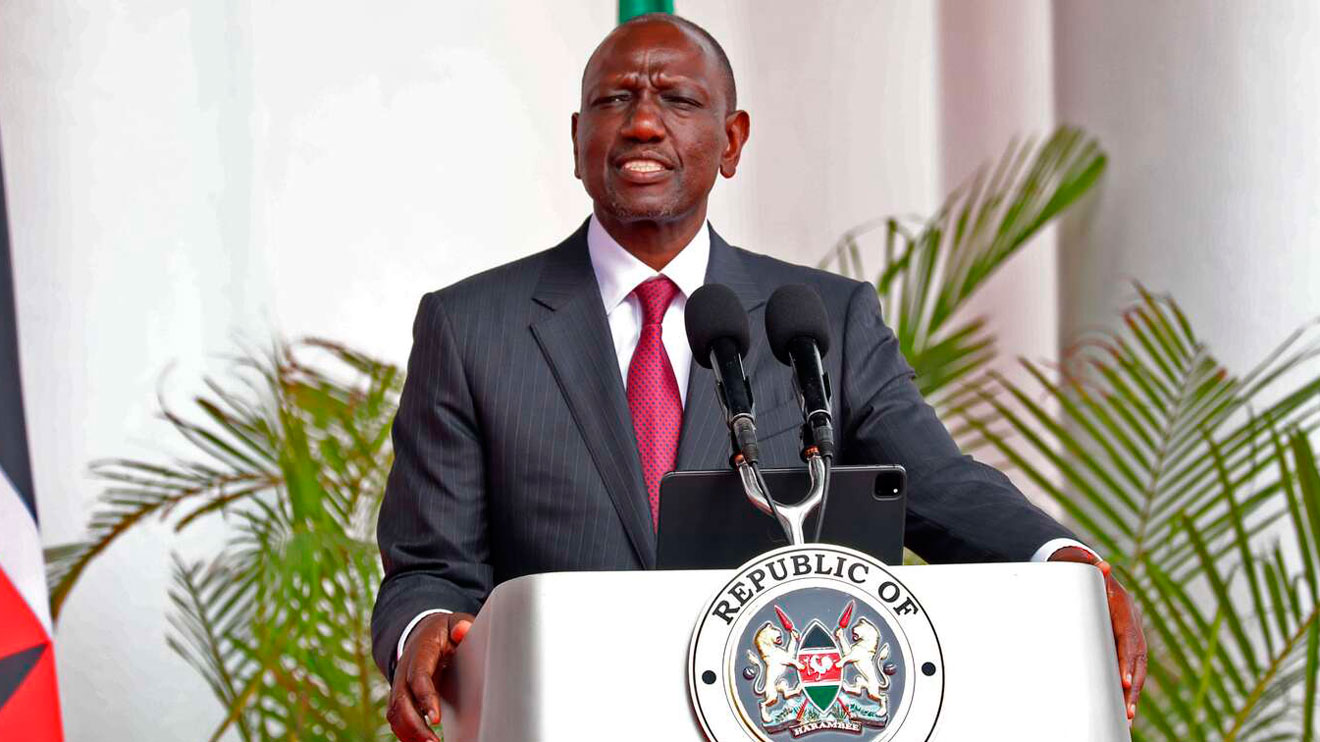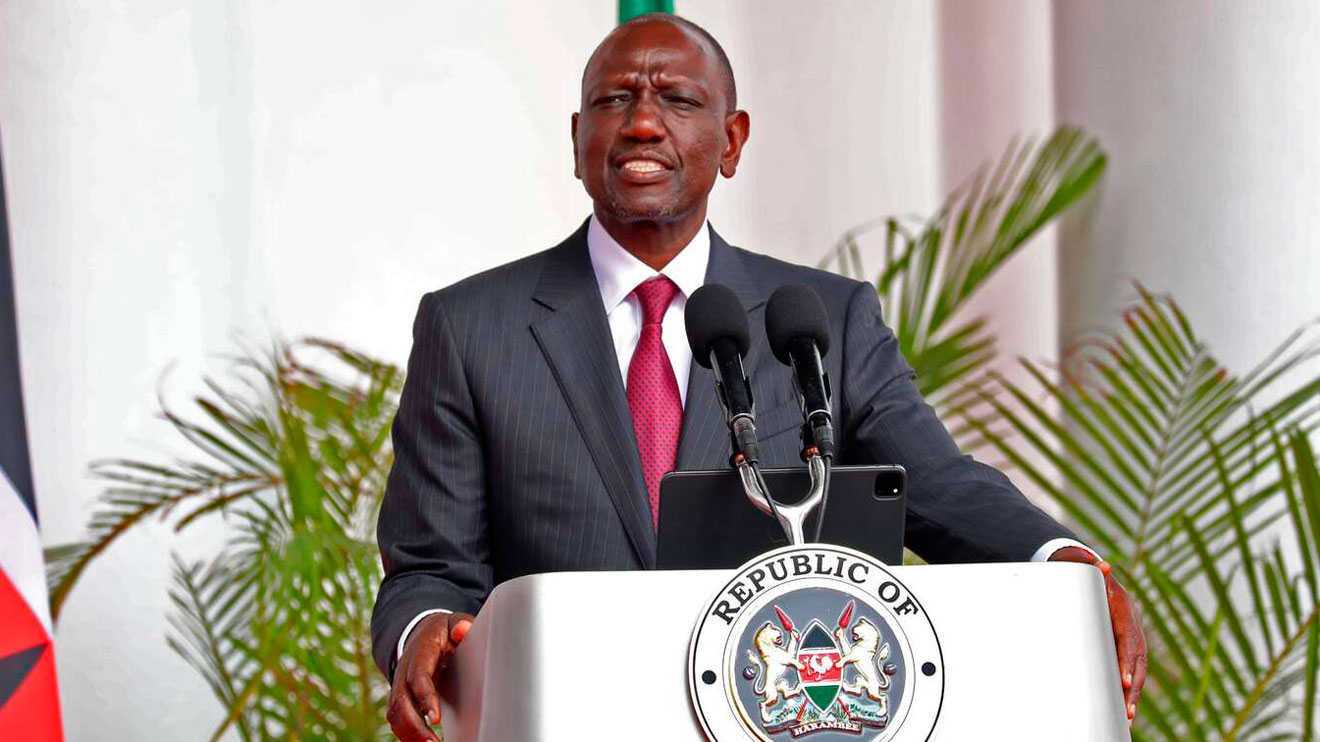
The marbled corridors of the National Treasury building on Harambee Avenue, where the air hums with the quiet intensity of fiscal calculations and policy blueprints, became the stage for a resolute stand against the silent erosion of workers' retirement security on the afternoon of November 18, 2025. Cabinet Secretary John Mbadi, his navy suit impeccable against the backdrop of charts detailing the ballooning specter of unremitted contributions, addressed a joint sitting of the National Assembly's Finance and National Planning Committee, his voice laced with the moral outrage of a man who had once navigated the labyrinths of parliamentary budgeting. In a move that could reshape the landscape of employer accountability, Mbadi revealed plans to amend the Retirement Benefits Act, proposing to classify the failure to remit pension deductions as a criminal offense punishable by fines up to Sh5 million and imprisonment for up to 10 years. "Employers who deduct pension contributions from hardworking Kenyans and divert them to pay suppliers or other expenses are not just unethical—they are thieves stealing the future from those who have toiled to build this nation," Mbadi declared, his finger jabbing the air as if to pierce the veil of impunity that has allowed Sh103 billion in arrears to accumulate, primarily from county governments. "We are submitting these amendments to Parliament for fast-tracking; no more moral questions—this will be a matter of law, and violators will face the full wrath of justice."
Mbadi's announcement, delivered amid the clatter of notebooks and the flash of smartphone cameras in the committee room at Parliament Buildings, strikes at the heart of a systemic malaise that has left thousands of retirees destitute and public trust in pension schemes frayed to the breaking point. The Retirement Benefits Authority's 2024 audit, which Mbadi referenced with a stack of bound reports on the table, paints a damning picture: Sh103 billion in unremitted contributions as of June 2025, a fourfold surge from Sh23.3 billion in 2013 when devolution dawned, with counties accounting for 72 percent of the delinquency. "It is illegal for employers to use deducted money for other purposes such as paying suppliers," Mbadi reiterated, his tone a blend of incredulity and indignation, echoing his earlier warnings to the Senate Finance Committee in August. "If you are supposed to pay salaries to staff and part of that salary is pension, there is no rationale for paying half and withholding the rest for other county uses. It is unfair, unjust, and amounts to stealing the future of hardworking Kenyans who will one day retire."
The CS's proposal, detailed in a 35-page legislative memorandum submitted to the Attorney General's office on November 15, would insert Section 45A into the Retirement Benefits Act, mandating automatic criminal liability for non-remittance beyond 30 days, with penalties escalating based on the amount withheld: Sh1 million fine or two years' imprisonment for sums under Sh10 million, scaling to Sh5 million or 10 years for over Sh100 million. "This is not vengeance; it is vindication—for the retired teacher waiting for Sh2.4 million that a rogue official siphoned, for the nurse whose Sh1.8 million pension vanished into a governor's vanity project," Mbadi elaborated, citing a recent Senate revelation from Migori Senator Eddy Oketch of a teacher defrauded of her full payout through collusion between pension and bank officials. "The current manual system not only delays disbursements but exposes retirees to sophisticated fraud schemes—we must criminalize it to deter it."
Complementing the punitive measures is Mbadi's advocacy for integrating payroll systems across public and private sectors, a long-delayed reform aimed at ring-fencing deductions and automating remittances. "We need to link payrolls so that once money is deducted, it can't be used for any other purpose—if it's for NSSF, it goes straight there; if for pension, directly to the scheme," Mbadi urged the committee, his proposal building on the Integrated Personnel Payroll Database (IPPD) overhaul set for full rollout by July 1, 2025. The system, piloted in 18 ministries since March 2025, has already weeded out 17,000 ghost workers and pensioners, saving Sh4.2 billion annually, but extending it to counties and private employers—where 60 percent of the Sh103 billion arrears originate—remains the holy grail. "Counties inherited Sh23.3 billion from local authorities; now they owe Sh74 billion more—rogue governors divert for roads or salaries while retirees starve," Mbadi lamented, his chart showing 47 counties delinquent, with Nairobi topping at Sh12.5 billion and Turkana at Sh1.8 billion. "Payroll integration is the firewall—deductions auto-routed, no human hands to hijack."
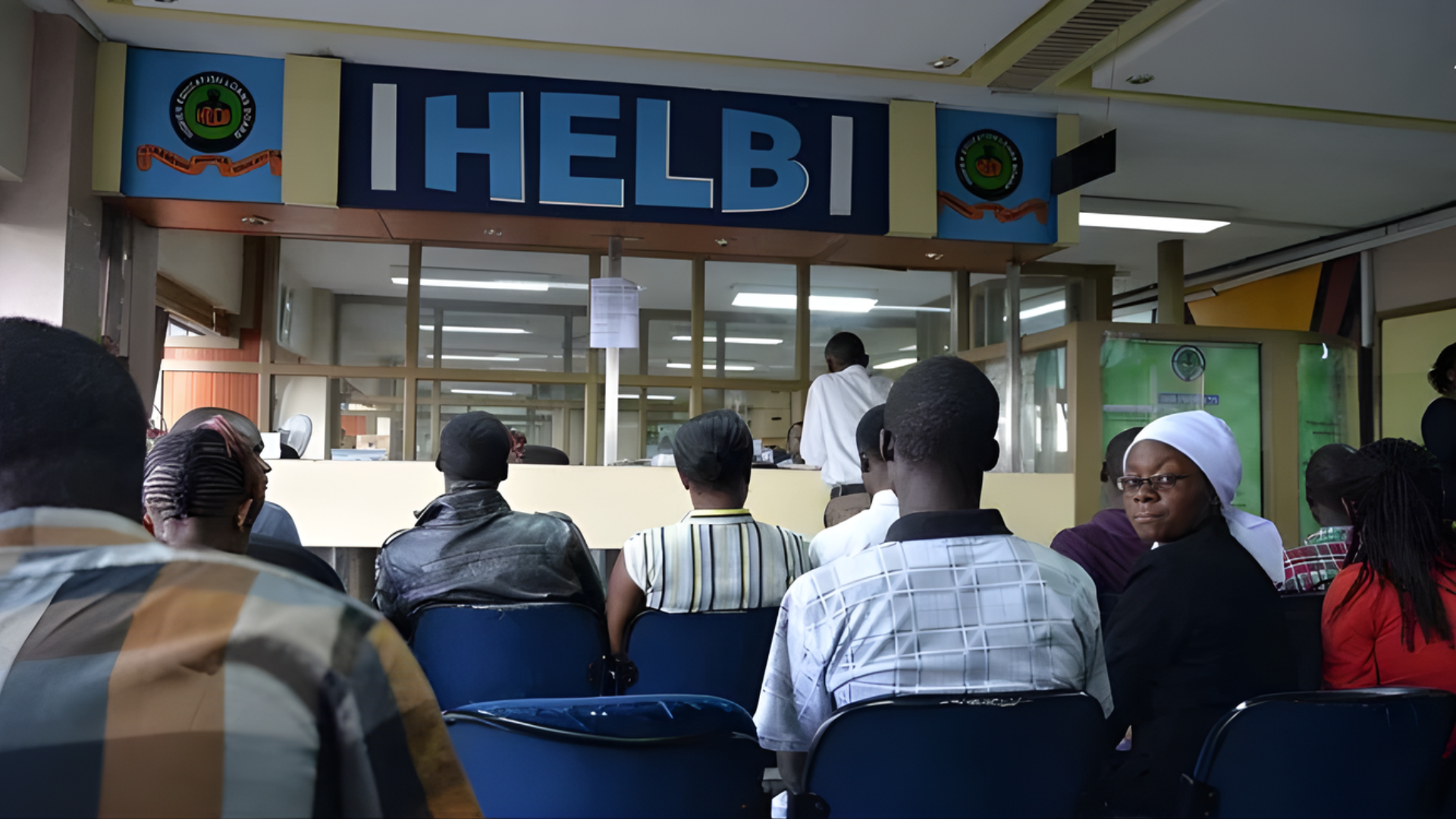
The CS's frustration boils from a crisis that has left 150,000 retirees in limbo, with the Kenya Association of Retired Officers reporting 5,000 cases of delayed payouts in 2025 alone, some waiting up to three years for Sh500,000 to Sh2 million benefits. "A retired teacher lost her full Sh2.4 million to bank-pension collusion—manual systems are magnets for mischief," Mbadi recounted, his voice dropping to underscore the human cost. The task force he formed in May 2025, chaired by Budget Director Albert Mwenda, has audited the arrears and proposed a Sh60 billion supplementary budget for clearance, but counties' pleas for bailouts—led by Council of Governors Chairman Ahmed Abdullahi—have stalled. "Governors cry budget constraints, but Sh103 billion withheld is theft—pay the future, or face the felon's fate," Mbadi shot back in August, his emotional speech at the Devolution Conference in Homa Bay likening non-remittance to "a felon in governor's robes."
Committee members, chaired by Molo MP Kuria Kimani, pressed for timelines. "When do amendments hit the floor? Counties owe Sh103 billion—bail them out or break them?" Kimani queried. Mbadi: "By December 2025—criminalize first, recover second." PSC Commissioner Irene Keino: "Ghosts in payrolls—17,000 cleaned, but pensions lag." The IPPD, launched 1998, now includes pensioners for auto-migration from payroll to benefits, curbing fraud like a Migori teacher's Sh2.4 million theft. "Digital by July 2025—automatic, auditable, fraud-proof," Mbadi pledged.
For retirees, the vow is vindication. In Migori, widow Mary Achieng, 65, waits for Sh1.2 million: "Husband taught 40 years—deductions monthly, now nothing. Criminalize it; let justice pay." In Turkana, nurse Esther Lokidor: "Sh900,000 owed—kids in school on loans. Integrate payrolls; end the wait." Mbadi's amendments: Sh1-5 million fines, 2-10 years jail. Task force: Sh60 billion supplementary.
As November's mists cloak Harambee Avenue, Mbadi's mandate manifests: criminal charges as catalyst, payroll links as lifeline—a treasury tenacity where deductions deliver dignity, and workers' futures flourish unpilfered.
The Sh103 billion: counties 72%. Nairobi Sh12.5 billion. Turkana Sh1.8 billion. Migori's Achieng: Sh1.2 million wait. Lokidor's Sh900,000. IPPD ghosts: 17,000 cleaned Sh4.2 billion saved. Amendments: December 2025. Keino's PSC: pensions lag. For Mary, Esther: "Justice pay." In the republic's resolute retirement, the vow vibrates—a CS crusade where theft thwarts no more, and pensions pulse with promise.