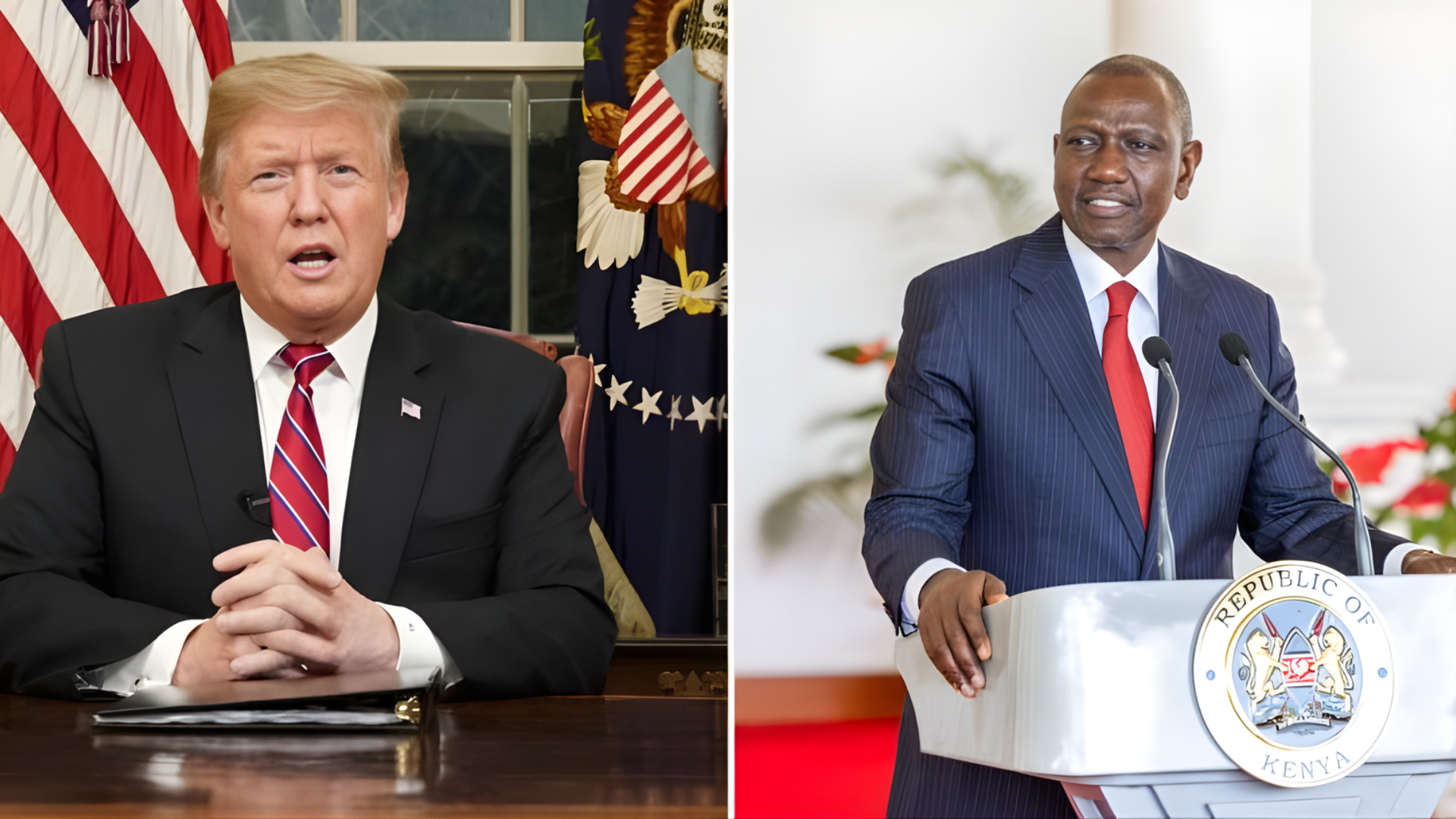
The ink on the oath of office was barely dry when the first foreign-aid casualty of Donald Trump’s second term landed thousands of miles away in Nairobi. At 3:17 a.m. East African Time on January 21, 2025, an email from the Millennium Challenge Corporation reached the desks of Kenya’s Ministry of Transport and the National Treasury. The subject line was clinical: “Termination of Nairobi Sustainable Urban Mobility Compact – Effective Immediately.”
Inside was a single-page letter signed by the acting MCC chief, citing “Executive Order 14019 – Reassessment of Foreign Assistance Consistent with America First Policy.” The $60 million (approximately Sh7.8 billion) grant that President Joe Biden and President William Ruto had announced with handshakes and wide smiles beneath the blazing Washington sun in May 2024 was gone. No appeal window. No transition period. Just gone.
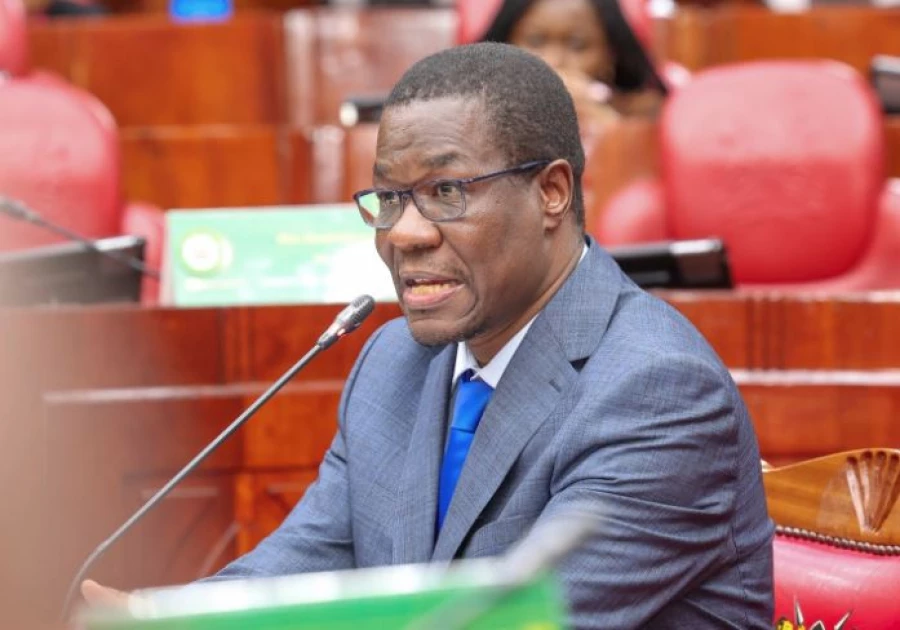
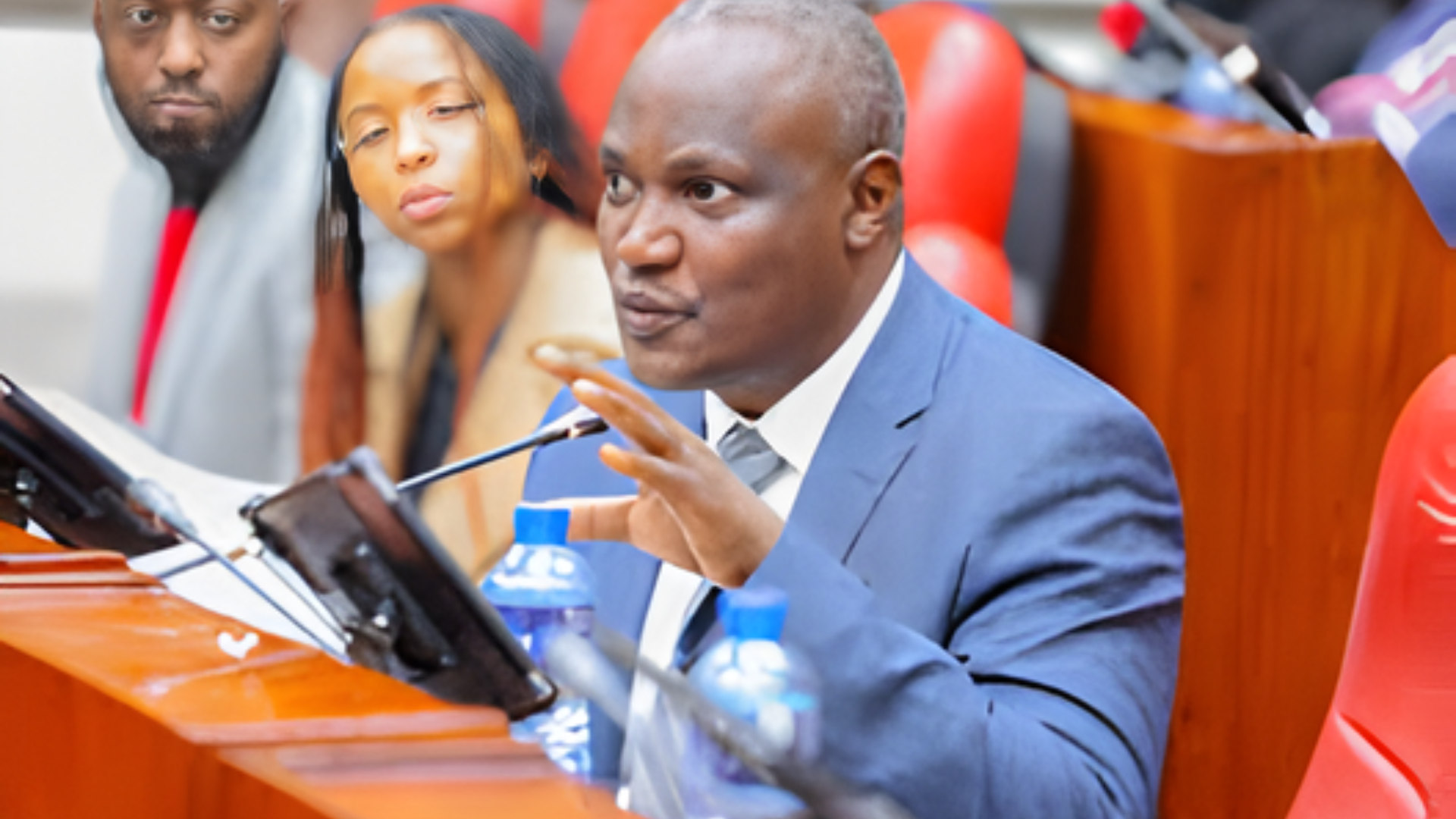
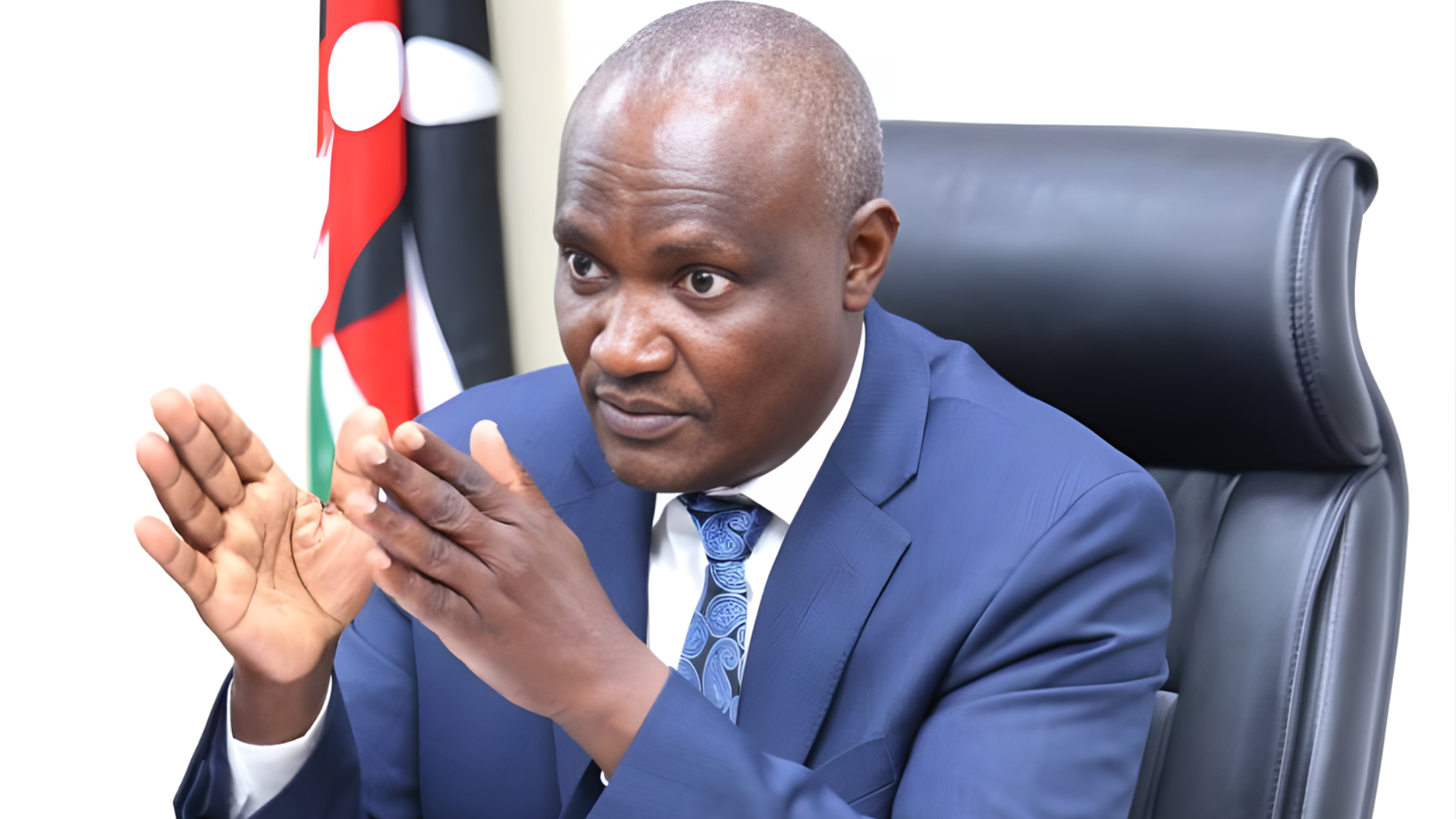
In Westlands, Transport Cabinet Secretary Kipchumba Murkomen was woken by his permanent secretary. “CS, the Americans have pulled the plug,” the voice on the phone said, almost apologetic. Murkomen sat on the edge of his bed in the dark, phone pressed to his ear. “You are sure this is not a prank?” he asked. It was not.
By 7 a.m., a crisis meeting had been convened in the boardroom on the ninth floor of Transcom House. Present were the Principal Secretaries for Transport and Treasury, the acting Managing Director of Kenya Railways, the Nairobi Metropolitan Services Director, and a visibly shaken team from the Nairobi Metropolitan Area Transport Authority. The mood swung between disbelief and controlled panic.
One engineer from NaMATA broke the silence. “We had already shortlisted the bus suppliers. The first batch of 120 electric buses was scheduled to be delivered in March next year. We have letters of credit ready. What do we tell the Chinese consortium now?”
Murkomen exhaled slowly. “We tell them the truth. The partner who was bringing eighty percent of the money has changed his mind overnight.”
The grant was never just money. It was the anchor that unlocked everything else. The Americans were covering the rolling stock, the intelligent transport systems, the elevated pedestrian walkways, the solar-powered street lighting along the corridors, and the training of female drivers and mechanics—an aspect Melania Trump had personally highlighted during the signing ceremony. Kenya’s Sh1.6 billion was supposed to handle land compensation and feeder roads. Without the Sh5.8 billion from Washington, the entire financial model collapsed like a house of cards.
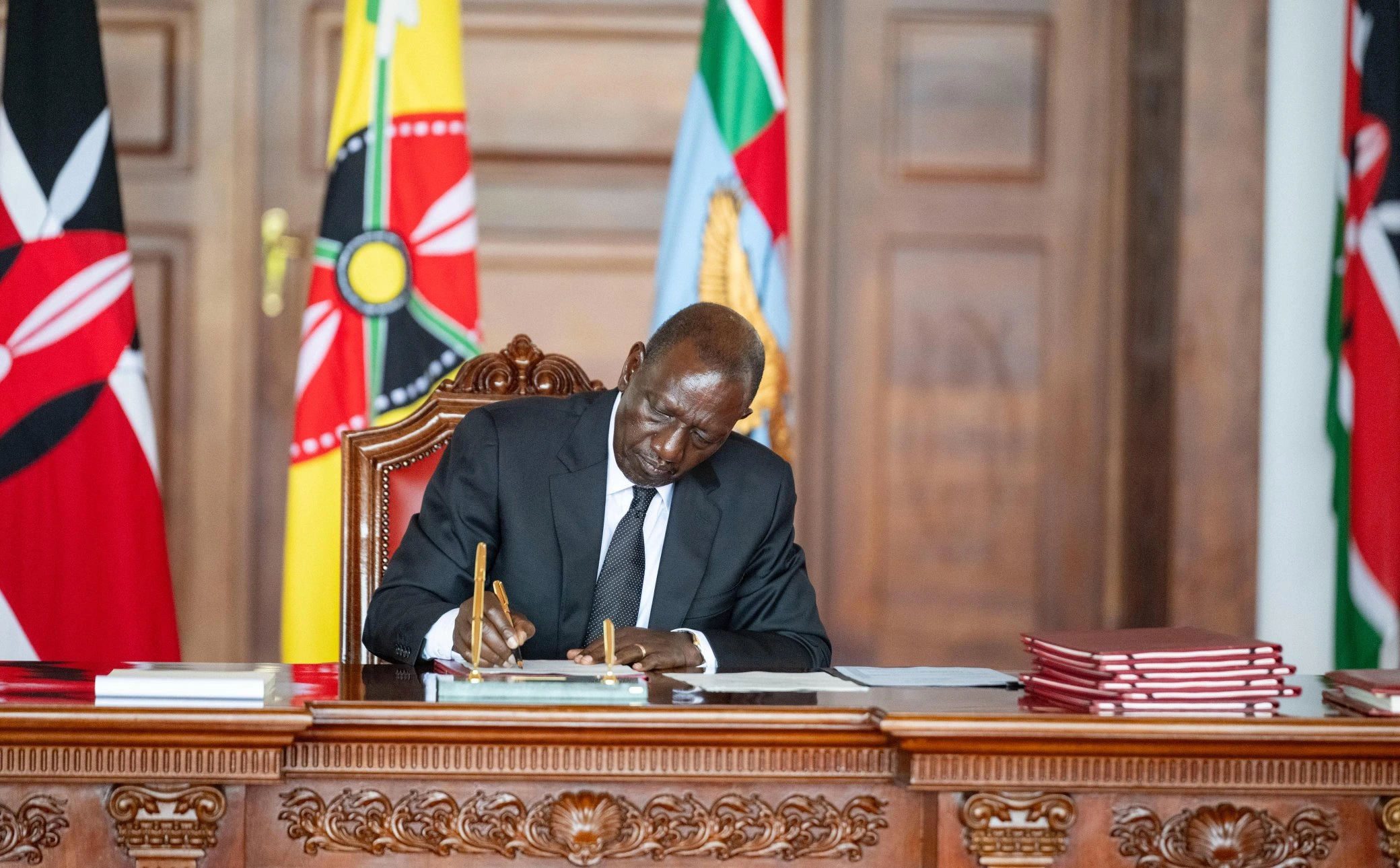
Across town at State House, President William Ruto received the news while taking breakfast with his aides. He put down his cup of tea, stared out at the manicured lawns for a long moment, then asked a single question: “Is there any clause that allows us to sue?”
His legal advisor, who had flown in from Mombasa that morning, shook his head. “Sovereign immunity, Your Excellency. The compact has a termination-at-will clause for the United States. They can walk away any time.”
Ruto laughed, but there was no joy in it. “So Biden signs it with the left hand, Trump tears it with the right. And we are left holding the matatu.”
By midday, the story had exploded across every television station and phone screen in the country. At the Tea Room in Nairobi’s CBD, matatu touts who normally never agree on anything found sudden unity.
“Trump amekuja kuki-haribu!” one shouted, waving his arms theatrically.
Another, leaning against a Manyanga sticker-covered Nissan, laughed bitterly. “Sasa tutaendelea kula jam hadi 2030. BRT ilikuwa ikitugoja tu.”
A boda boda rider who had been listening quietly spoke up. “Wacha waendelee na siasa zao za Washington. Sisi hapa tunahitaji barabara, si promises.”
At the University of Nairobi, a group of civil engineering students gathered outside the School of Engineering building, phones in hand, live-streaming their frustration.
One student, a fourth-year named Amina Hassan, addressed the camera directly. “We spent two years designing the Ruiru corridor interchange as our final-year project, thinking it would actually be built. Now they tell us the money vanished because someone in America decided climate money is woke money. How is that fair?”
Her friend Brian added, “We were told this BRT would cut commuting time from Thika Road to town from two hours to thirty minutes. Now we are back to square one.”
In Washington, the State Department offered a terse, thirty-second statement read by a spokesperson who refused to take questions: “The administration is reviewing all prior commitments to ensure they align with current national priorities. No further comment at this time.”
But off the record, a senior official who asked not to be named told a Kenyan journalist over WhatsApp voice note: “This one came straight from the very top. The President saw the list of Biden-era climate and gender projects and said, quote, ‘We’re not paying for rainbow buses in Africa.’ That was literally the instruction.”
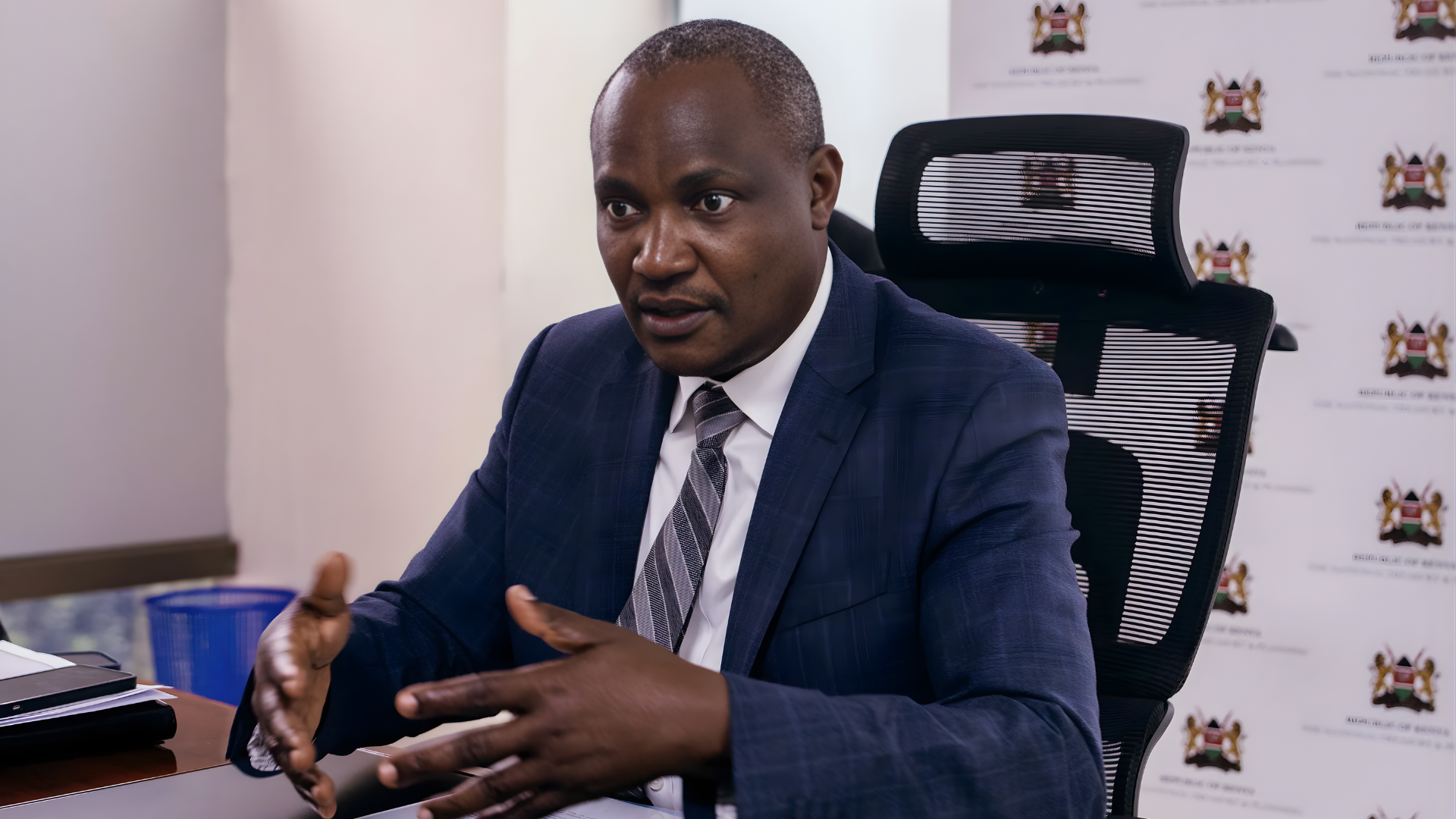
Back in Nairobi, the search for alternatives began in earnest. Treasury Cabinet Secretary John Mbadi convened commercial banks at his office that same afternoon. “We need bridge financing,” he told them bluntly. “Whatever it costs. The President has said this project must not die.”
One bank CEO, speaking on condition of anonymity, later admitted the numbers were brutal. “To replace $60 million in grant money with commercial loans at current rates would add almost Sh2 billion in interest alone over ten years. That is money that could build ten flyovers.”
Evening found President Ruto addressing the nation from State House. He stood alone at the podium, the Kenyan flag and the presidential standard behind him.
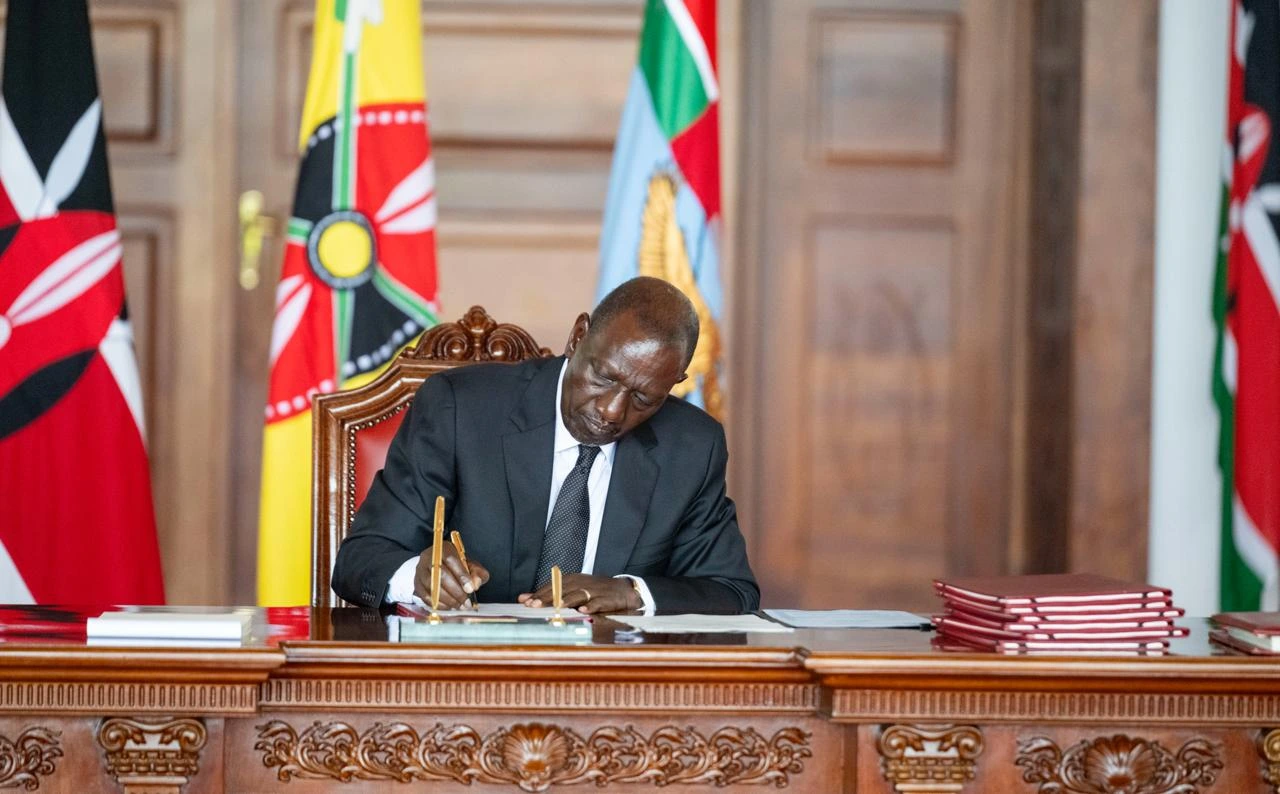
“My fellow Kenyans,” he began, voice steady, “today we received difficult news from our friends in the United States. A grant that was meant to transform transport in our capital has been withdrawn by the new administration. This is painful. This is unfair. But it is not the end.”
He paused, looking straight into the camera. “We will build this Bus Rapid Transit system with or without that money. We will look to our own budget. We will talk to the Chinese, to the Europeans, to the Japanese, to the Arabs, to our African brothers. Nairobi will not remain hostage to traffic jams because someone seven thousand miles away changed his mind.”
The speech lit up WhatsApp groups and X timelines instantly. Some praised the defiance. Others mocked the optimism, pointing out that the 2025/26 budget was already overstretched with drought, debt repayments, and university funding protests.
Late into the night, a small delegation from the Chinese Embassy arrived unannounced at the Treasury building. By 2 a.m., unconfirmed reports began circulating that Beijing was preparing a counter-offer: concessional financing to cover the entire gap, in exchange for a slightly larger role in the project design and procurement.
Whether that deal will materialize remains uncertain. What is certain is that the dream of wide, tree-lined bus lanes ferrying millions of Nairobians smoothly from Dandora to Lang’ata, from Ruiru to Ongata Rongai, has taken a body blow on the very first day of the new Trump era.
As the city slept uneasily under a humid January sky, matatus kept rolling, horns blaring, touts hanging off doors, exhaust pipes coughing black smoke into the night—reminders that for now, the old chaotic order still reigns.
Tomorrow, the negotiations begin again.