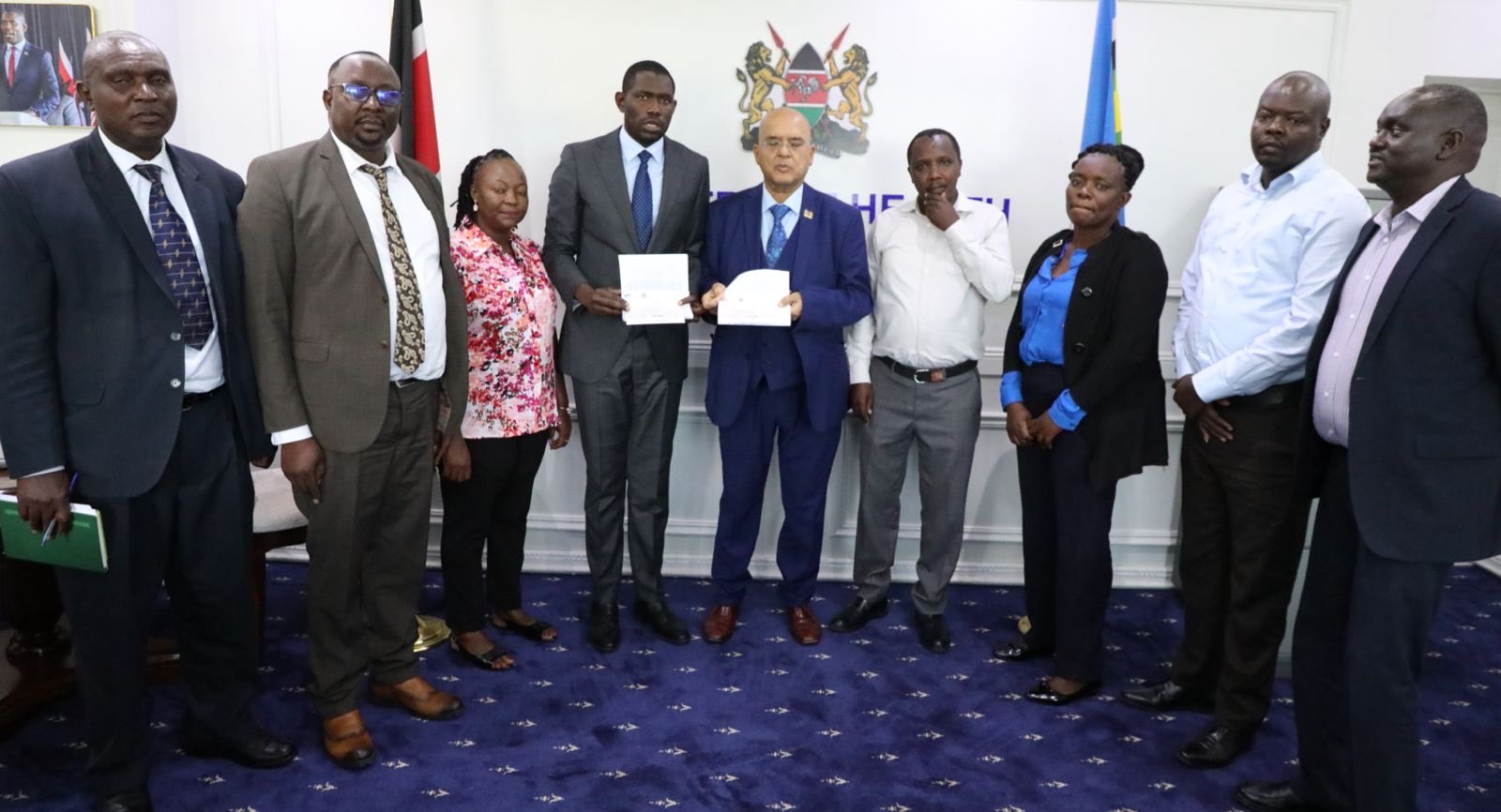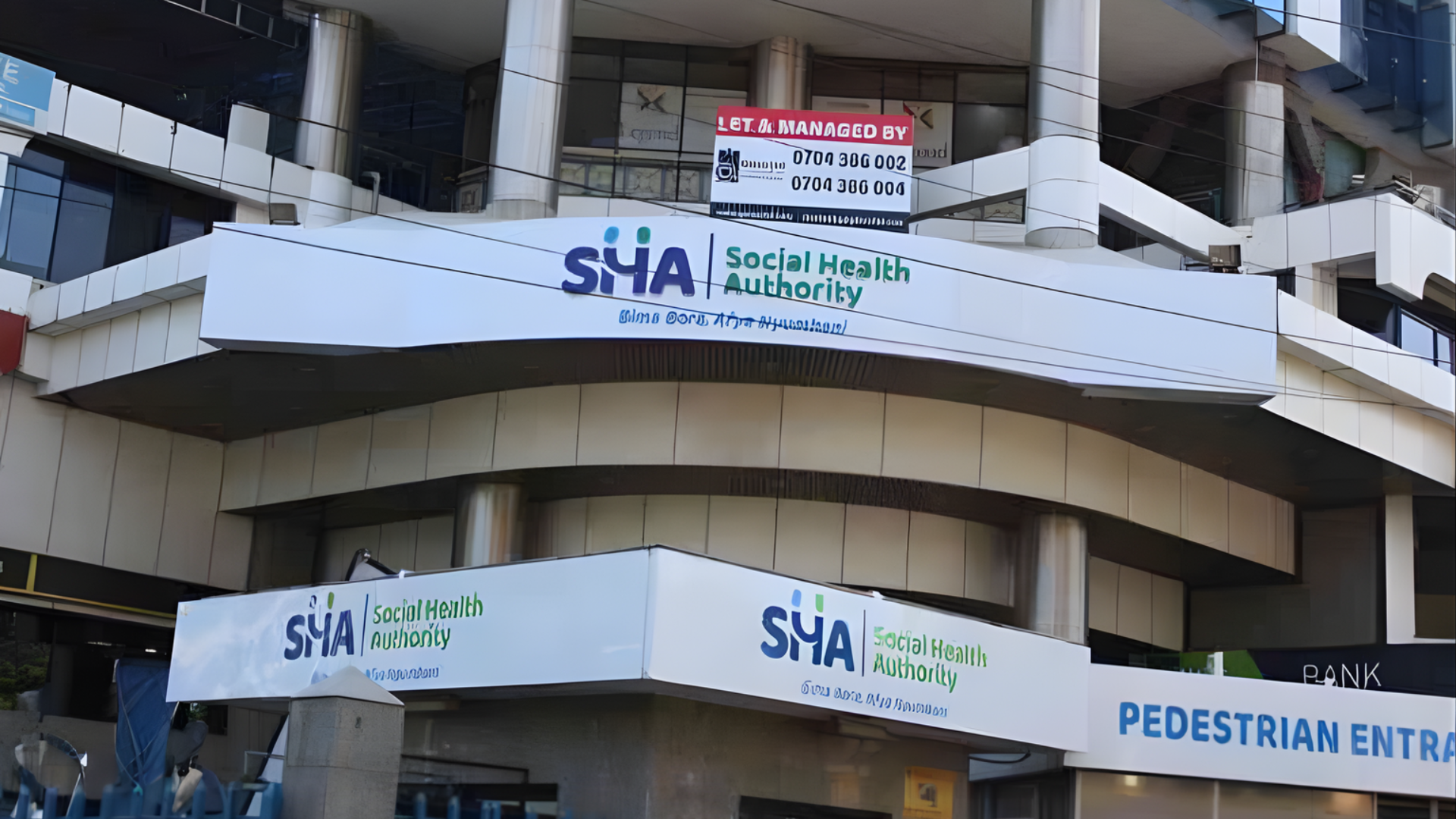
The chalk-dusted classrooms of Kenya's public schools, where teachers juggle lesson plans with health worries amid the daily grind of marking and mentoring, are on the cusp of a pivotal shift that promises both relief and resolve in the face of an expiring medical lifeline. On November 10, 2025, Acting Teachers Service Commission (TSC) CEO Eveleen Mitei stood before a gathering of education stakeholders at the commission's Upper Hill headquarters, her voice cutting through the hum of fluorescent lights and the rustle of policy briefs to affirm a hard-won consensus: all 390,000 teachers and their 1.2 million dependents will transition to the Social Health Authority (SHA) medical scheme effective December 1, rendering the current Minet-Kenya cover obsolete as its contract lapses on November 30. "This is a milestone born of dialogue, not decree—a seamless handover that safeguards our educators' health without disruption," Mitei declared, her tone a blend of administrative assurance and quiet triumph, as she flanked by union leaders from KUPPET, KNUT, and KUSNET who nodded in synchronized solidarity. "The deal we struck ensures continuity of benefits, broader access to facilities, and a framework where no teacher is left waiting at a gate for care."
The announcement, capping months of tense negotiations that had teetered on the brink of industrial unrest, arrives as a balm for a workforce still nursing the scars of the 2023 CBA standoffs and the lingering sting of the 2024 police reforms that had briefly entangled teachers in pension anxieties. The Minet scheme, a Sh20 billion behemoth contracted in 2021 to cover 415,000 teachers through a consortium led by AON and Minet Kenya, had delivered comprehensive inpatient and outpatient services—ranging from Sh2 million annual limits to emergency evacuations—but faltered under complaints of delayed approvals, limited hospital networks (just 800 empaneled facilities), and reimbursement snarls that left educators dipping into meager salaries for out-of-pocket gaps. "We've endured too many midnight dashes to unlisted clinics, paying from our pockets while waiting for Minet's nod," recounted Sarah Wanjiku, a 42-year-old mathematics teacher from Nairobi's Buru Buru Girls Secondary, her voice laced with the exhaustion of a profession where absenteeism from illness ripples into absent learning. "SHA promises 9,000 facilities nationwide—government hospitals, private wings, even mission clinics in the remotest ASALs. It's not just coverage; it's convenience, and for us, that's the difference between teaching and triage."
Mitei's revelation, detailed in a joint communique signed by TSC, SHA, and the three unions on November 9 during a marathon session at State Lodge, Mombasa, cements a pact forged in the crucible of compromise. KUPPET Secretary-General Akello Misori, whose union represents 200,000 post-primary educators, had been the most vocal skeptic, issuing a 7-day strike notice in late October over "rushed opacity" in the transition blueprint. "We weren't signing blind—Minet's flaws were our fire; SHA had to be our forge," Misori reflected in the post-signing huddle, his handshake with Mitei a symbol of the thaw. The deal, hammered out over 12 hours of haggling that spilled into dawn prayers at the lodge's mosque, includes ironclad assurances: no double deductions (the 2.75% SHA levy from gross pay replaces Minet's 2.5% without overlap), capitation rates at Sh3,000 per teacher for administrative overheads, and a grievance portal live by December 15 for claims disputes. KNUT's Collins Oyuu, whose 150,000 primary members had mobilized 50,000 signatures demanding "clarity before coverage," hailed it as "victory veiled in vigilance." "We pushed for the report, got the roadmap—SHA's not a leap of faith; it's a ladder of accountability," Oyuu stated, his fist raised in the customary union salute that drew applause from the 50-strong delegation.
KUSNET's involvement, representing 10,000 special needs educators, added a layer of equity to the accord. "Our teachers handle the unseen battles—autism therapies, Braille presses, mobility aids—and Minet skimped on specialized claims," said KUSNET chair Rose Wanjiku, her voice cracking with the relief of a parent who doubles as advocate. The deal carves out Sh500 million for adaptive equipment under SHA, ensuring Braille machines and sensory kits are reimbursed at 100 percent, a concession that Misori credited to "unions' unyielding spine." Mitei, whose acting tenure since May 2025 has navigated the CBA 2021-2025 wind-down and the CBE senior school rollout, framed the transition as "fiscal fidelity." "Minet's Sh20 billion was a bridge; SHA's the highway—universal, integrated, and infinitely scalable," she elaborated, projecting dashboards showing SHA's 9,000 empaneled facilities versus Minet's 800, a network that spans from Turkana's arid outposts to Nairobi's Kenyatta National Hospital. The migration, she stressed, preserves Minet's Sh2 million inpatient cap, extends outpatient to Sh500,000, and introduces telemedicine for remote postings, with onboarding via Huduma Centres starting November 15.
The pact's genesis lay in a May 2025 inter-agency task force, convened under Head of Public Service Felix Koskei's directive, that dissected Minet's 2024 audit—flagging Sh1.2 billion in disputed claims and 20 percent denial rates. TSC's May 20 circular, signed by Mitei, had flagged the contract's November expiry, prompting a May 25 summit at State House where President Ruto, flanked by CS Machogu and PS Jwan, brokered the unions' buy-in. "Teachers are our nation's architects; their health is our foundation—SHA cements it," Ruto had urged then, his handshake with Oyuu a snapshot of the detente that had quelled the 2023 strike threats. Unions, initially wary of SHA's 2.75% levy as "double taxation" atop the 2.5% Minet cut, secured a 0.25% rebate for low-income brackets (under Sh30,000 gross), capping effective deductions at 2.5%. "We fought for the floor, not the ceiling—SHA's levy is levy, not levy on levy," Misori quipped in a post-summit briefing, his notebook filled with clauses ensuring 24-hour claims processing and appeals within 48 hours.
For the 390,000 teachers—spread across 28,000 primary and 10,000 secondary institutions—the transition spells a cascade of changes that ripple from payslips to classrooms. In rural Kisii's Kitutu Chache Day Secondary, where 45-year-old headteacher Jane Kerubo has juggled malaria bouts with marking marathons, the news lands as liberation. "Minet denied my evacuation to Kisii Referral last year—Sh15,000 from my pocket for a fever that felled me for weeks," Kerubo shared over a crackling phone line, her voice a testament to the toll of delayed care in a profession where 20 percent report chronic illnesses per TSC's 2024 health survey. "SHA's network means I choose Tenwek or Aga Khan—no more haggling at gates for approvals that come at midnight." In urban Nairobi's Buru Buru, where traffic jams turn commutes into ordeals, KUPPET branch chair Paul Otieno eyes efficiency. "Telemedicine for check-ups, direct billing for prescriptions—it's not just cover; it's coverage that covers," Otieno mused, his union hall buzzing with 200 members poring over the communique like a sacred scroll.
The deal's architecture, etched in the 20-page memorandum, includes a "no-gap" clause: all pending Minet claims (Sh800 million backlog as of October) migrate seamlessly to SHA, with a joint claims committee co-chaired by TSC and unions to audit 10 percent randomly. "We co-signed because we co-own—any denial, we intervene," Oyuu affirmed, his union's 150,000 members now tasked with 20,000 onboarding drives at branch levels. KUSNET's Wanjiku, whose special educators often shoulder dual roles as caregivers, secured Sh200 million for adaptive therapies, ensuring occupational aids for dyslexia or prosthetics for mobility-impaired staff. "Minet saw us as add-ons; SHA sees us as essentials," she reflected, her advocacy a victory lap after 2024's failed petitions for Sh3,000 special allowance hikes.
Yet, the transition isn't without thorns. Unions, while endorsing the deal, flagged a 10-day "cooling" period for opt-outs, allowing 5 percent to retain private covers at personal cost. "No coercion—SHA's superior, but choice is charter," Misori clarified, addressing 2,000 queries at a Mombasa webinar on November 8. TSC's Mitei, in a November 9 parliamentary appearance before the Education Committee, defended the timeline: "December 1 is firm—Minet's clock ticks; SHA's starts ticking for us." Committee chair Julius Melly, probing gaps, secured a Sh2 billion buffer for rollout hiccups, including 1,000 mobile registration vans for ASALs. "Teachers teach; we transition," Mitei quipped, her poise earning bipartisan nods.
The broader canvas reveals SHA's ascent as Kenya's health lodestar, a Ruto flagship consolidating NHIF's Sh100 billion legacy into a Sh200 billion behemoth covering 20 million by mid-2025. Teachers, as public servants, join 1.5 million civil servants on the Public Officers Medical Fund under SHA, a unified umbrella promising 95 percent reimbursement rates and AI-driven claims to curb fraud's Sh10 billion annual bite. "From Minet's maze to SHA's matrix—it's evolution, not revolution," Jwan, PS for Basic Education, echoed in a joint circular, his ministry aligning TSC's 390,000 with SHA's teacher-specific portal launching November 20. Challenges linger: rural networks at 60 percent coverage, where Turkana's nomadic educators rely on solar kits for claims. "SHA's app is genius, but signal's ghost in the bush—give us offline modes," urged KNUT's rural coordinator in a November 10 memo.
For educators like Kerubo and Otieno, the deal dawns as deliverance: payslips unburdened, hospitals accessible, classrooms uninterrupted. Mercy, a JSS teacher in Thika, pored over the communique at her desk, her chalk paused mid-equation. "Minet left me bankrupt after my son's appendectomy—Sh25,000 out-of-pocket; SHA says Sh0," she confided to colleagues, her relief a ripple in the staffroom where 30 peers nodded in shared sagas. Unions, in victory laps at branches, host town halls: KUPPET's Misori in Mombasa, KNUT's Oyuu in Kisumu, KUSNET's Wanjiku in Eldoret—each unpacking the pact like a family heirloom. "We bargained for basics; today, we bank on breakthroughs," Misori rallied 500 at a coast caucus, his fist aloft as chants of "SHA, Sha, SHA!" filled the hall.
Mitei's leadership, interim since May's CEO transition, has steadied TSC through tempests: the 2025 CBA's 12% salary hikes, CBE's senior school rollout, and now, SHA's seam. "Teachers are our compass; their health, our north," she reflected in a November 10 Nation op-ed, her words a coda to the deal's drama. As December 1 nears, onboarding vans roll to schools, Huduma kits beeping with biometric scans. For Wanjiku in Buru Buru, the shift is simple salvation: "No more levy on my levy—SHA, spread the word." In the republic's resilient rhythm, where chalk meets choice and care meets capitation, TSC's transition endures as testament: from Minet's maze to SHA's matrix—a health horizon where educators heal, teach, and thrive, one claim at a time.
The rollout's choreography, sketched in TSC's November 10 blueprint, unfolds in phases: November 15-30 for registration waves—primary in wave one, secondary in two—with 50,000 daily slots at 1,000 Huduma Centres. SHA's app, beta-tested on 10,000 teachers in October, logs claims in 30 seconds, AI flagging fraud with 95% accuracy. Unions' hotline, live November 12, fields 1,000 calls daily, resolving 80% on-spot. Mitei's team, 200 strong, deploys 100 auditors for Minet handovers, ensuring Sh800 million backlog clears by January. Jwan's ministry ties it to CBE: Sh3,000 health cap in senior school fees for pathway wellness—STEM ergonomics, arts therapy kits. Skeptics, like KNUT's rural reps, push for 20% ASAL top-ups, secured in a November 9 addendum. "Transition is test; trust is triumph," Oyuu rallied at Kisumu's hall, 300 educators chanting approval.
Broader ripples lap at health's shores: SHA's teacher influx, 5% of 8 million enrolled, tests the beast—9,000 facilities strained 10%, but AI eases. Ruto, at a November 11 Kisii harambee, hailed it as "service spine": "Teachers teach; SHA heals—together, we build Canaan." For Mercy in Thika, it's personal poetry: "From debt's drag to coverage's cradle—December 1, my chalk flies free." In Kenya's unyielding forge, where lesson plans meet ledgers, TSC's SHA shift stands as saga: Minet shelved, health harnessed—a dawn where educators endure, empowered by a deal that delivers, one pulse at a time.