 Wambui Faith
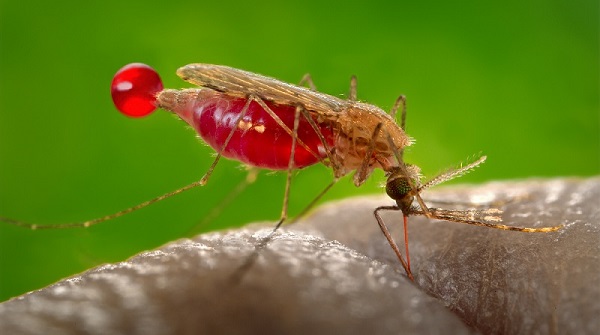
Malaria is a serious and potentially life-threatening infectious disease caused by parasites of the genus Plasmodium. It is primarily transmitted to humans through the bite of infected female Anopheles mosquitoes. Despite global efforts to control it, malaria remains a major public health concern, particularly in sub-Saharan Africa.
Causative Organisms
Malaria is caused by several species of Plasmodium, each affecting humans differently:
Plasmodium falciparum – the most severe form, commonly found in Africa
Plasmodium vivax
Plasmodium ovale
Plasmodium malariae
Plasmodium knowlesi
How Malaria Spreads
The infection can occur through:
Mosquito bites – the primary mode of transmission
Blood transfusion – rare but possible
Congenital transmission – from mother to fetus
Life Cycle of Malaria (Simplified)
1. An infected mosquito injects sporozoites into the bloodstream.
2. The parasites multiply in the liver, producing merozoites.
3. Merozoites invade red blood cells, causing clinical symptoms.
4. Some parasites develop into gametocytes, which can infect another mosquito, continuing the cycle.
Clinical Features
Uncomplicated Malaria
Fever, often intermittent
Chills and rigors
Sweating
Headache
Fatigue and malaise
Nausea and vomiting
Severe Malaria (mainly P. falciparum)
Altered consciousness or coma (cerebral malaria)
Severe anemia
Hypoglycemia
Acidosis
Jaundice
Hemoglobinuria (“blackwater fever”)
Diagnosis
Accurate diagnosis is essential for effective treatment:
Blood smear microscopy – gold standard
Rapid diagnostic tests (RDTs)
Full blood count – may reveal anemia or low platelets
Treatment
Uncomplicated Malaria
First-line treatment: Artemisinin-based combination therapy (ACT), such as artemether-lumefantrine
Severe Malaria
Intravenous artesunate is preferred, followed by oral ACT once the patient stabilizes
Prevention Strategies
Preventing malaria focuses on reducing mosquito bites and controlling the environment:
Use of insecticide-treated mosquito nets (ITNs)
Indoor residual spraying
Prophylactic antimalarial medication for travelers
Environmental control – eliminating stagnant water
Complications
If left untreated, malaria can lead to:
Cerebral malaria
Acute kidney injury
Pulmonary edema
Death
High-Risk Groups
Certain populations are more vulnerable to severe malaria:
Children under 5 years
Pregnant women
Immunocompromised individuals
Causative Organisms
Malaria is caused by several species of Plasmodium, each affecting humans differently:
Plasmodium falciparum – the most severe form, commonly found in Africa
Plasmodium vivax
Plasmodium ovale
Plasmodium malariae
Plasmodium knowlesi
How Malaria Spreads
The infection can occur through:
Mosquito bites – the primary mode of transmission
Blood transfusion – rare but possible
Congenital transmission – from mother to fetus
Life Cycle of Malaria (Simplified)
1. An infected mosquito injects sporozoites into the bloodstream.
2. The parasites multiply in the liver, producing merozoites.
3. Merozoites invade red blood cells, causing clinical symptoms.
4. Some parasites develop into gametocytes, which can infect another mosquito, continuing the cycle.
Clinical Features
Uncomplicated Malaria
Fever, often intermittent
Chills and rigors
Sweating
Headache
Fatigue and malaise
Nausea and vomiting
Severe Malaria (mainly P. falciparum)
Altered consciousness or coma (cerebral malaria)
Severe anemia
Hypoglycemia
Acidosis
Jaundice
Hemoglobinuria (“blackwater fever”)
Diagnosis
Accurate diagnosis is essential for effective treatment:
Blood smear microscopy – gold standard
Rapid diagnostic tests (RDTs)
Full blood count – may reveal anemia or low platelets
Treatment
Uncomplicated Malaria
First-line treatment: Artemisinin-based combination therapy (ACT), such as artemether-lumefantrine
Severe Malaria
Intravenous artesunate is preferred, followed by oral ACT once the patient stabilizes
Prevention Strategies
Preventing malaria focuses on reducing mosquito bites and controlling the environment:
Use of insecticide-treated mosquito nets (ITNs)
Indoor residual spraying
Prophylactic antimalarial medication for travelers
Environmental control – eliminating stagnant water
Complications
If left untreated, malaria can lead to:
Cerebral malaria
Acute kidney injury
Pulmonary edema
Death
High-Risk Groups
Certain populations are more vulnerable to severe malaria:
Children under 5 years
Pregnant women
Immunocompromised individuals