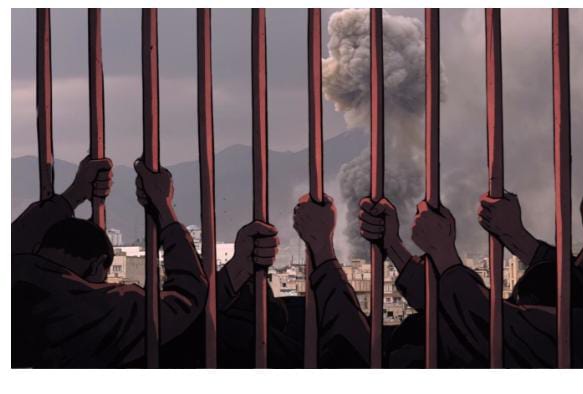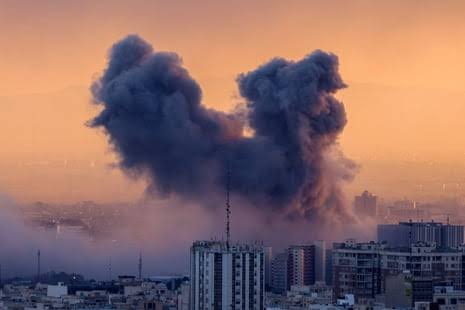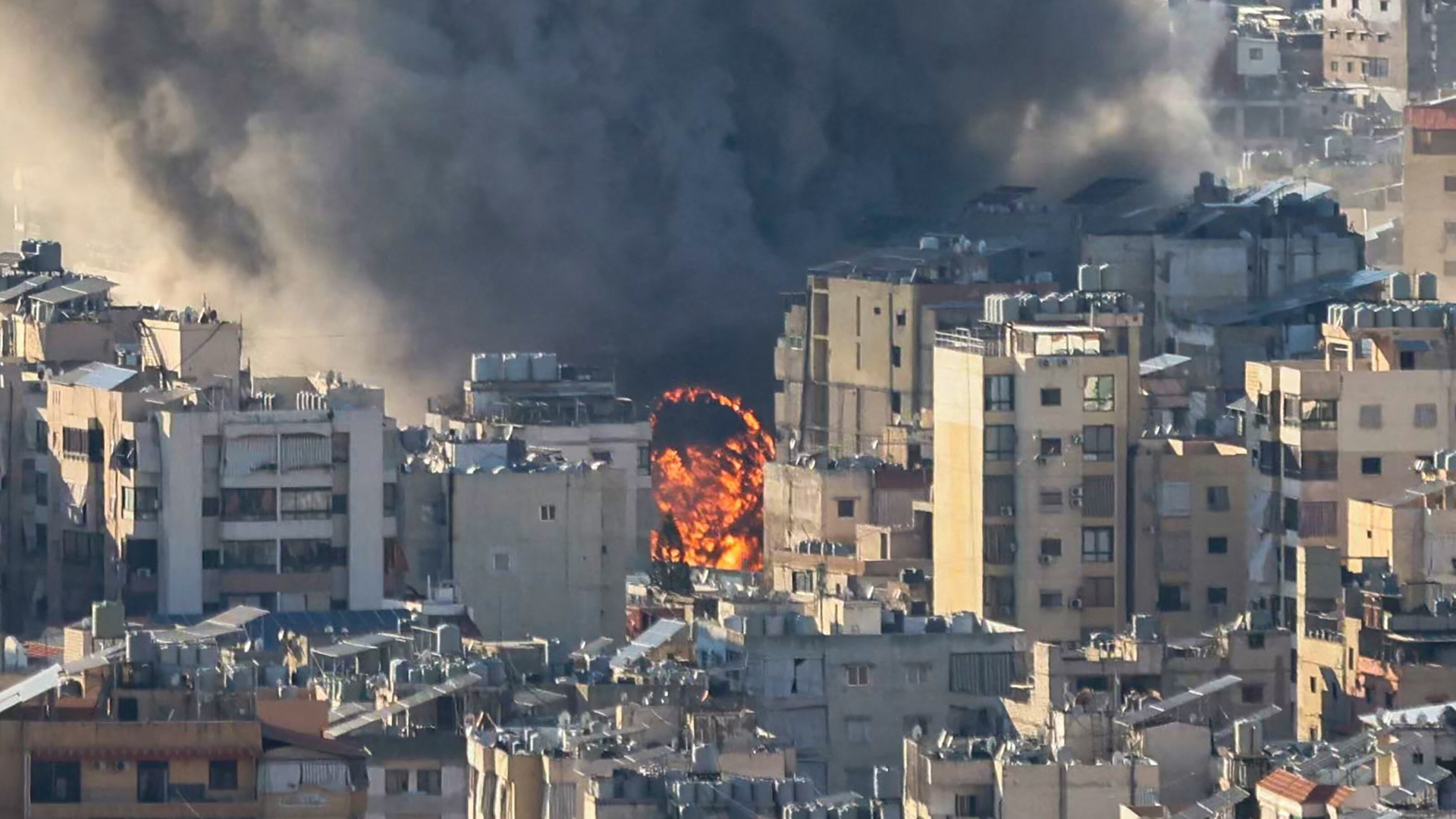
U.S. military forces have intensified their offensive against Iran with the launch of Operation Epic Fury, a comprehensive campaign that has targeted over 1,700 sites across the country including key IRGC bases, naval facilities and command centres. The operation, initiated on Thursday, comes just four days after a joint U.S.-Israeli airstrike on February 28 that resulted in the death of Iran's Supreme Leader Ayatollah Ali Khamenei, a strike that has dramatically altered the geopolitical landscape in the Middle East.
The airstrike on Khamenei's compound in Tehran was confirmed by U.S. intelligence sources as a precision operation aimed at decapitating Iran's leadership amid escalating threats to U.S. and allied interests. Khamenei, who had led Iran since 1989, was killed along with several high-ranking aides in the attack, which utilised stealth bombers and advanced munitions to penetrate Iran's air defenses. The Supreme Leader's death sent shockwaves through the region, triggering immediate power struggles within Iran's theocratic regime and widespread protests in major cities like Tehran, Isfahan and Mashhad.
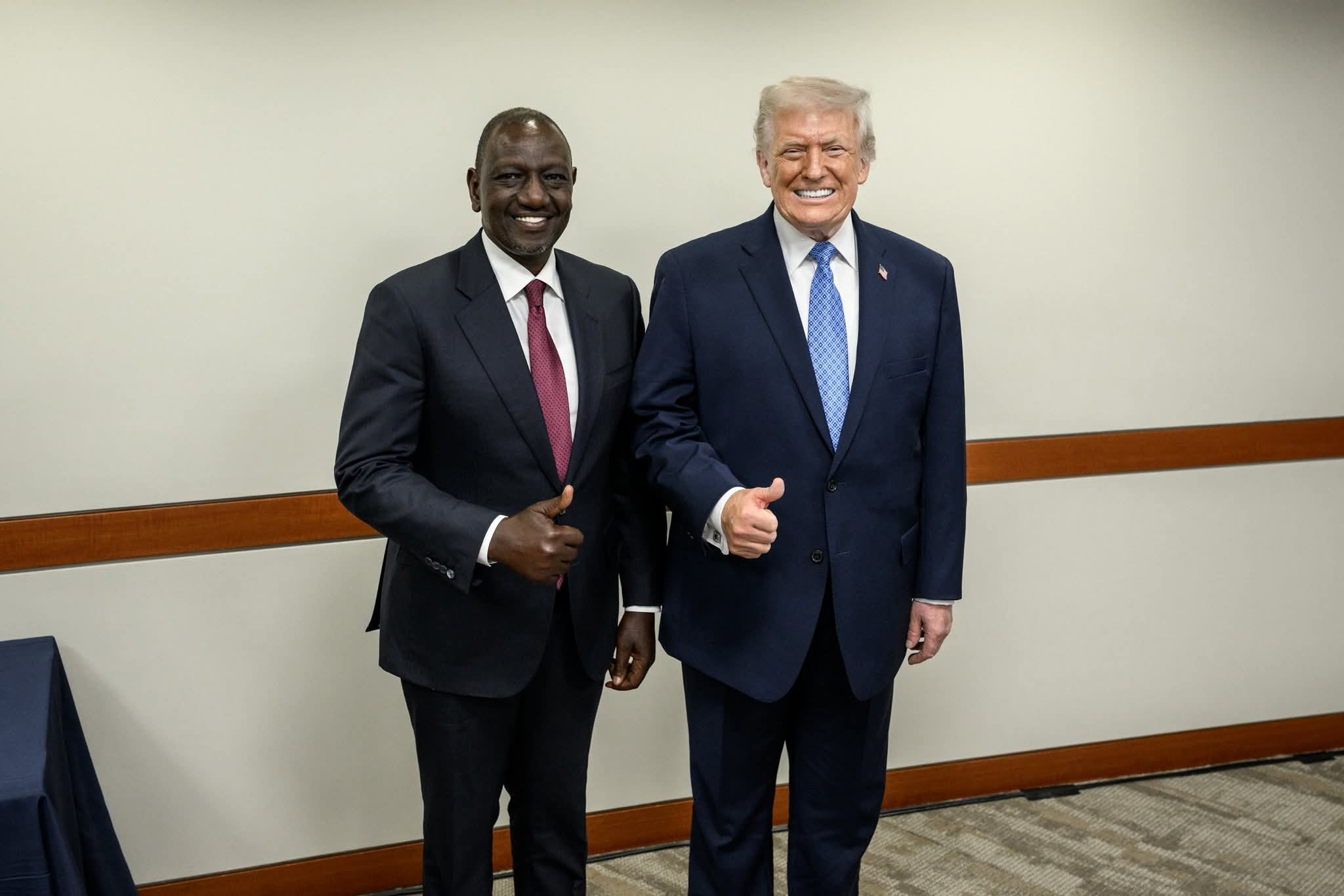
President Donald Trump, addressing the nation from the Oval Office shortly after the operation's launch, described the airstrike and subsequent campaign as a resounding success. “We have taken out the head of the snake, the man responsible for decades of terror, death and destruction,” Trump said. “Operation Epic Fury is delivering a blow to Iran's evil regime that they will never forget. It's a 15-out-of-10 success in protecting America, Israel and our allies. The Iranian people are free to rise up now—take back your country from the mullahs who have ruined it.”
Iran's response was swift and multifaceted. Hours after confirming Khamenei's death, Iranian forces fired a barrage of ballistic missiles at Tel Aviv, targeting military installations and civilian areas in what Tehran called retaliation for the assassination. Israeli Iron Dome and Arrow systems intercepted most of the missiles, but several impacts were reported, causing casualties and damage to infrastructure. Simultaneously, Iranian-backed militias launched drone attacks on U.S. positions in Kuwait's Port Shuaiba, a key logistics hub for American forces. The drone strike killed six U.S. service members and wounded several others, marking the deadliest attack on American troops in the region since 2024.
In retaliation, U.S. naval forces in the Persian Gulf sank 17 Iranian naval vessels, including frigates, fast-attack boats and a submarine, in a series of strikes using Tomahawk cruise missiles and aircraft-launched munitions. The U.S. Navy described the action as necessary to neutralise threats to international shipping lanes in the Strait of Hormuz. “Our forces acted decisively to degrade Iran's naval capabilities and ensure the safety of global commerce,” a Pentagon spokesperson said. “We will continue to defend our interests and those of our partners against any aggression.”
Global reactions to the rapid escalation have been sharply divided. In England, crowds gathered in central London to celebrate Khamenei's death, with many waving Iranian opposition flags and chanting slogans against the regime. “This is a day of liberation for the Iranian people,” one protester in Trafalgar Square said. “Khamenei was a tyrant who oppressed his own people and sponsored terror worldwide. The world is safer without him.”
In contrast, protests erupted in Oregon and other U.S. states, with demonstrators accusing Trump of warmongering and risking a wider regional conflict. Portland saw hundreds march through downtown, carrying signs reading “No More Wars for Oil” and “Hands Off Iran.” “This is reckless escalation that could lead to World War III,” a protest organiser in Eugene said. “Killing a foreign leader without a declaration of war sets a dangerous precedent. We demand peace, not more American lives lost in endless Middle East conflicts.”
The United Nations Security Council convened an emergency session on Friday, with Russia and China condemning the airstrike as an act of aggression and violation of international law. U.S. Ambassador Nikki Haley defended the operation as self-defense. “Iran has been the leading sponsor of terrorism for decades,” Haley said. “The Khamenei regime threatened the U.S., Israel and our allies repeatedly. We acted to prevent imminent attacks and protect innocent lives.”
European allies, including France and Germany, expressed concern over the escalation but stopped short of outright condemnation. “We share the goal of a stable Middle East,” a French foreign ministry spokesperson said. “But unilateral military actions risk further destabilisation. We urge all parties to exercise restraint and return to diplomacy.”
Inside Iran, the power vacuum left by Khamenei's death has led to a scramble among hardline clerics, IRGC commanders and moderate factions. Interim Supreme Leader Mojtaba Khamenei, Ali Khamenei's son, has vowed revenge and called for national unity. “The martyrdom of our leader will only strengthen our resolve,” Mojtaba said in a televised address. “We will respond with the full force of the Islamic Republic to this Zionist-American aggression.”
The escalation has also impacted global markets. Oil prices surged 12 percent on Friday, reaching $95 per barrel amid fears of disrupted supplies through the Strait of Hormuz. Stock indices in New York, London and Tokyo dipped, with defense contractors seeing gains while airlines and tourism stocks fell sharply.
Humanitarian organisations have warned of worsening conditions for civilians. The International Committee of the Red Cross said: “With strikes now hitting urban areas and ports, access to food, water and medical supplies is at risk for millions in Iran, Iraq and beyond. We call for safe corridors and respect for international humanitarian law.”
As Operation Epic Fury continues, with U.S. forces reporting over 1,700 targets struck in the first 48 hours, the world watches closely for signs of further escalation or potential paths to de-escalation. President Trump concluded his address with a message to the Iranian people: “This is not a war on you—it is a liberation from a regime that has held you captive. Stay safe, and when the time comes, rise up for your freedom.”
The coming days will determine whether the assassination of Khamenei marks the end of an era or the beginning of a broader regional conflagration.